Ginger Candy
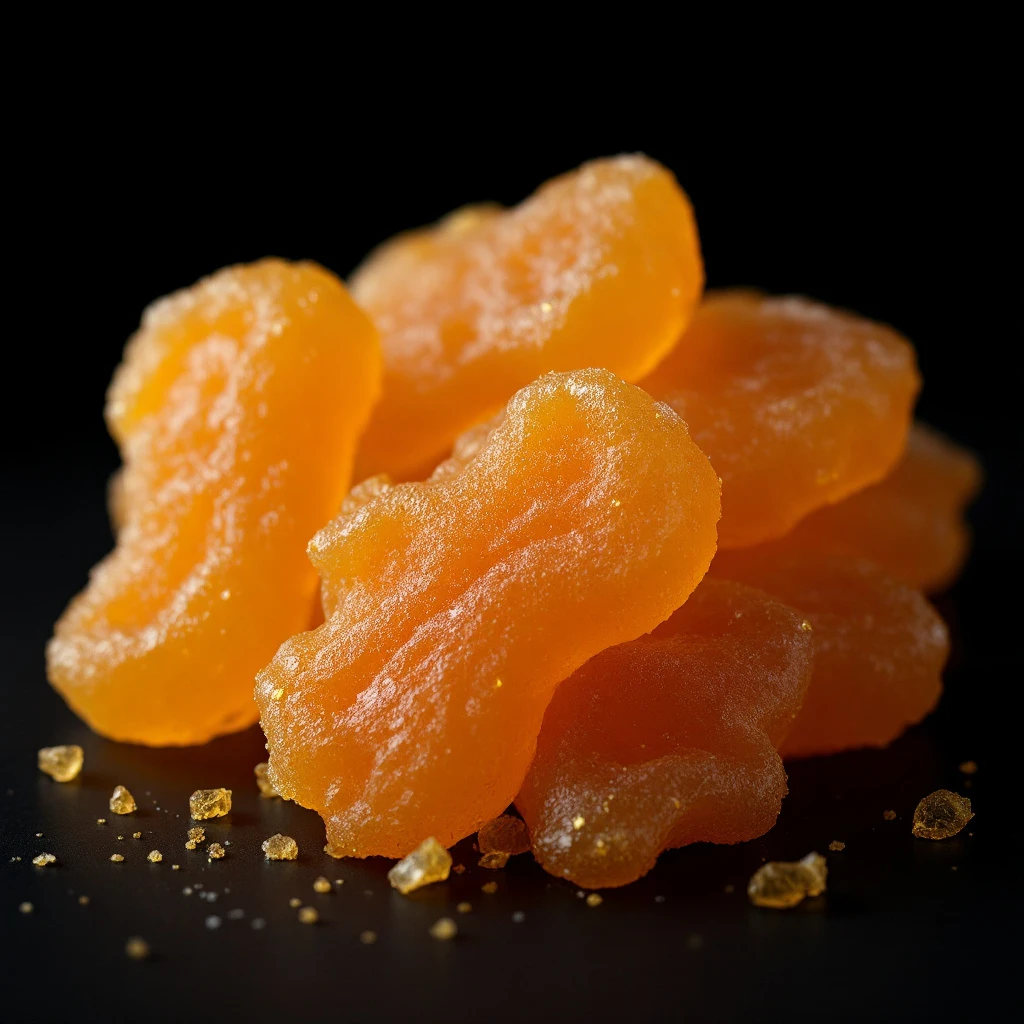
Ginger candy captures the sweet, crystallized warmth of confected ginger root, blending spicy zest with sugary softness. It's a gourmand accord that evokes candied roots dusted in sugar.
Character
How it smells
Sweet heat wrapped in sugar
The first recorded medicinal use of ginger dates to 500 BC in China, where Confucius reportedly never ate a meal without it.






Origin
India
Ginger traces back over 5,000 years to tropical rainforests across the Indian subcontinent and southern Asia. Ancient Sanskrit texts from around 500 BC reference it as a sacred medicine, and Chinese philosophers like Confucius reportedly seasoned every meal with it. Traders carried dried ginger rhizomes along the Silk Road into the Mediterranean by the first century AD, where Roman apothecaries prized it more highly than black pepper.
By the 13th century, Marco Polo documented ginger cultivation in his accounts of Chinese markets. The candied form emerged in medieval Arab confectionery, where cooks preserved sliced ginger in sugar syrup to extend shelf life on long voyages. Sugar-coated ginger became a staple of British and Dutch spice markets by the 1600s.
In modern perfumery, the ginger candy accord is a recent construction, built since the late 20th century when aroma chemistry allowed perfumers to isolate and recombine the warm-spicy facets of ginger with sweet, sugary modifiers.
Wears it best
Fragrances featuring Ginger Candy
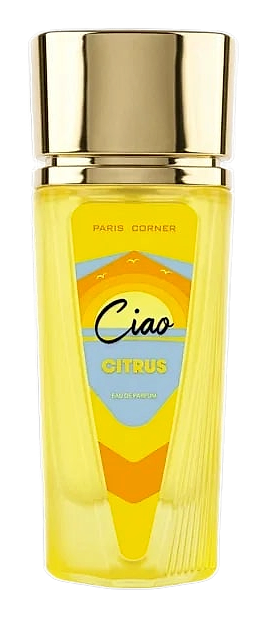
Brands
Brands known for Ginger Candy
Good to know
Questions, answered
The essentials on Ginger Candy in perfumery: how it smells, where it comes from, and how it behaves on skin.
What does ginger candy smell like in perfume?
Ginger candy combines the warm, spicy heat of ginger root with sweet, caramelized sugar facets. The accord smells warm and zesty with a sugary coating, softer and rounder than fresh ginger.
Is ginger candy a natural or synthetic fragrance note?
It is typically a hybrid accord. Perfumers isolate natural ginger root oil through steam distillation, then blend it with synthetic sweet molecules like ethyl maltol to create the candied effect.
Where does ginger originally come from?
Ginger originates from the tropical rainforests and lowlands of the Indian subcontinent and southern Asia. It has been cultivated for over 5,000 years, with the earliest medicinal references in ancient Sanskrit texts around 500 BC.
How is ginger root oil extracted for perfumery?
Ginger root oil is obtained by steam distillation of dried rhizomes. This process yields a pale yellow liquid rich in sesquiterpenes like zingiberene and beta-bisabolene, which give the oil its characteristic warmth.
What fragrances commonly feature ginger candy notes?
Ginger candy accords appear in gourmand and oriental fragrances, often paired with vanilla, honey, citrus, and warm spices. The note adds spicy sweetness to compositions without the sharp bite of fresh ginger.
How long has ginger been used in perfumery?
Ginger has been used in perfumery for centuries across Asia, particularly in China and India. The specific candy interpretation is a modern construction, emerging in the late 20th century with advances in aroma chemistry.
What's the difference between ginger and ginger candy in fragrance?
Regular ginger is sharp, peppery, and herbaceous with citrusy top notes. Ginger candy softens those facets with sweet, sugary modifiers, creating a warmer and more rounded profile suited to gourmand compositions.
Is ginger candy suitable for sensitive skin?
Ginger root oil is generally well tolerated at standard dilution levels. However, individual sensitivity varies, and anyone with known topical spice sensitivities should patch-test before full application.