Ghost Pepper
Ghost Pepper captures the searing intensity of one of the world's hottest chilies. This conceptual fragrance note delivers fierce, smoky heat that commands attention and adds an unapologetic edge to bold compositions.
Character
How it smells
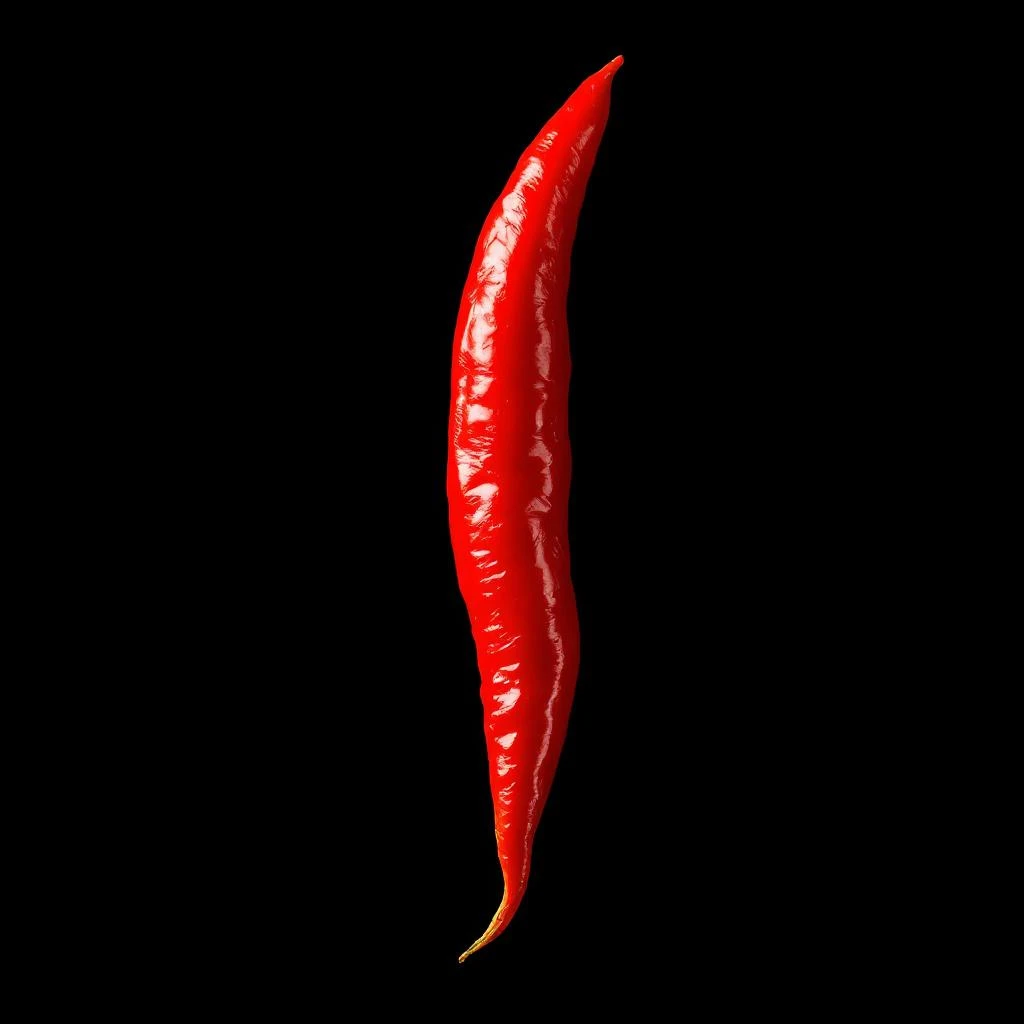
Fierce heat. Smoky bite. Unapologetic intensity.
Ghost peppers register over 1 million Scoville Heat Units, roughly 200 times hotter than a jalapeño.
Origin
India
The ghost pepper, known botanically as Capsicum chinensis and called bhut jolokia in Northeast India, originated in Assam where local communities cultivated it for centuries. Farmers there traditionally used this pepper both as a culinary spice and a protective element in folk practices. When scientists measured its Scoville rating in the early 2000s, the ghost pepper gained international fame as one of the world's hottest chilies.
Perfumers quickly recognized its potential as a conceptual reference, translating extreme culinary heat into olfactory form. This represented a shift in how perfumers approach intense ingredients, moving from extraction toward interpretation. Today, ghost pepper exists in fragrance as a creative synthesis, allowing compositions to reference its legendary intensity without using the actual vegetable.
This approach reflects modern perfumery's ongoing dialogue between sensory extremes and wearable artistry.
Wears it best
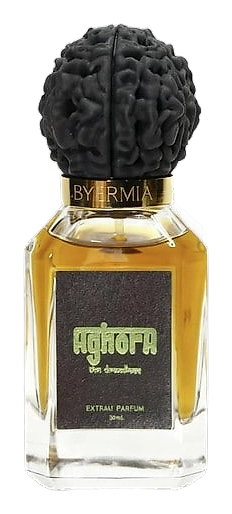
Fragrances featuring Ghost Pepper
Brands
Brands known for Ghost Pepper
Good to know
Questions, answered
The essentials on Ghost Pepper in perfumery: how it smells, where it comes from, and how it behaves on skin.
Is ghost pepper actually used as an ingredient in perfumery?
No, ghost pepper functions as a conceptual note in perfumery. Perfumers recreate its fiery character through synthetic aromatic molecules and natural pepper materials, not direct extraction from the actual pepper. This allows fragrances to capture intense heat while remaining practical for wear.
What does ghost pepper smell like in a fragrance composition?
Ghost pepper note delivers sharp, smoky intensity with a distinctive burning warmth. The scent profile combines aggressive spice with an almost metallic edge, creating an assertive presence that evolves over the wear time from sharp opening to lingering warmth.
How do perfumers create the ghost pepper effect in fragrance?
Perfumers construct ghost pepper accords by combining synthetic pyrazines, aldehydes, and natural pepper essential oils. This layering produces a multidimensional effect that shifts from initial sharpness to lasting warmth, mimicking the vegetable's characteristic intensity.
Is ghost pepper the same as black pepper used in perfumery?
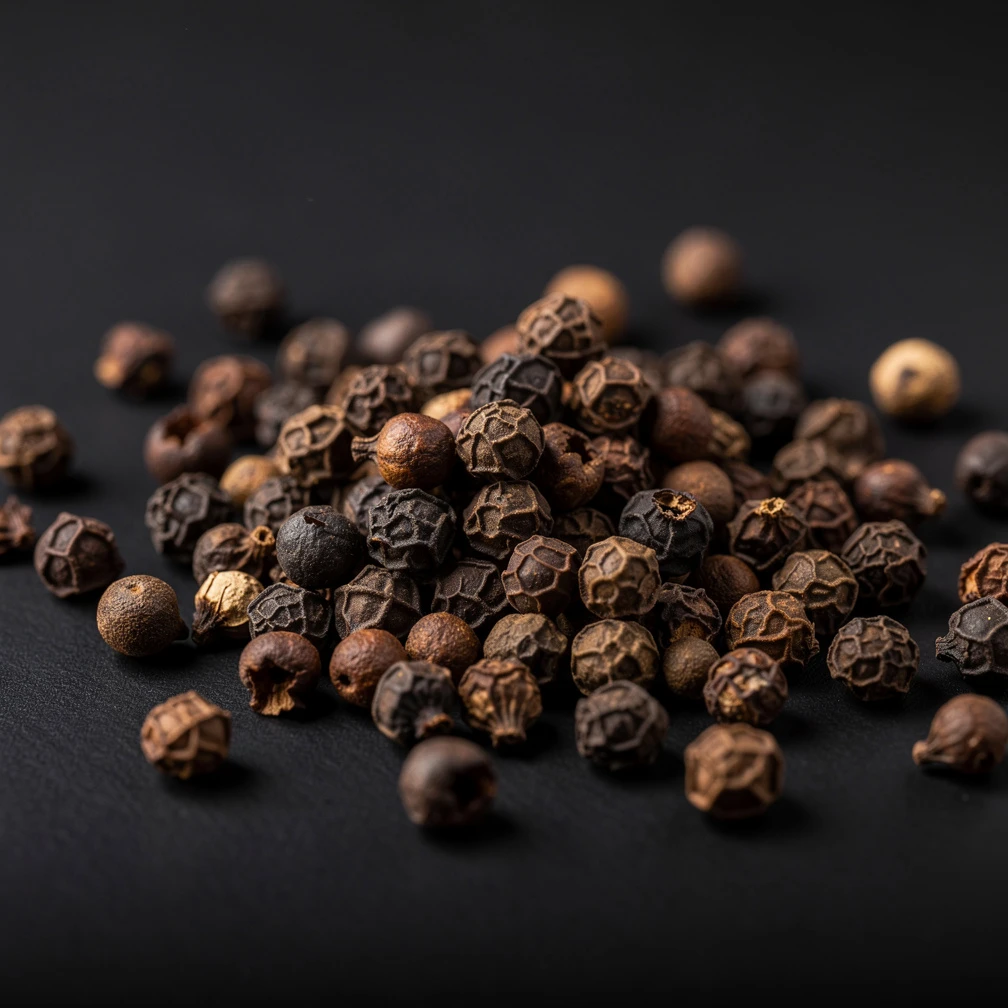
No. Black pepper comes from Piper nigrum berries and is extracted through steam distillation. Ghost pepper is a Capsicum chinensis chili pepper, and its note in perfumery is entirely synthetic, designed to evoke extreme culinary heat rather than culinary spice.
What fragrance ingredients pair well with ghost pepper?
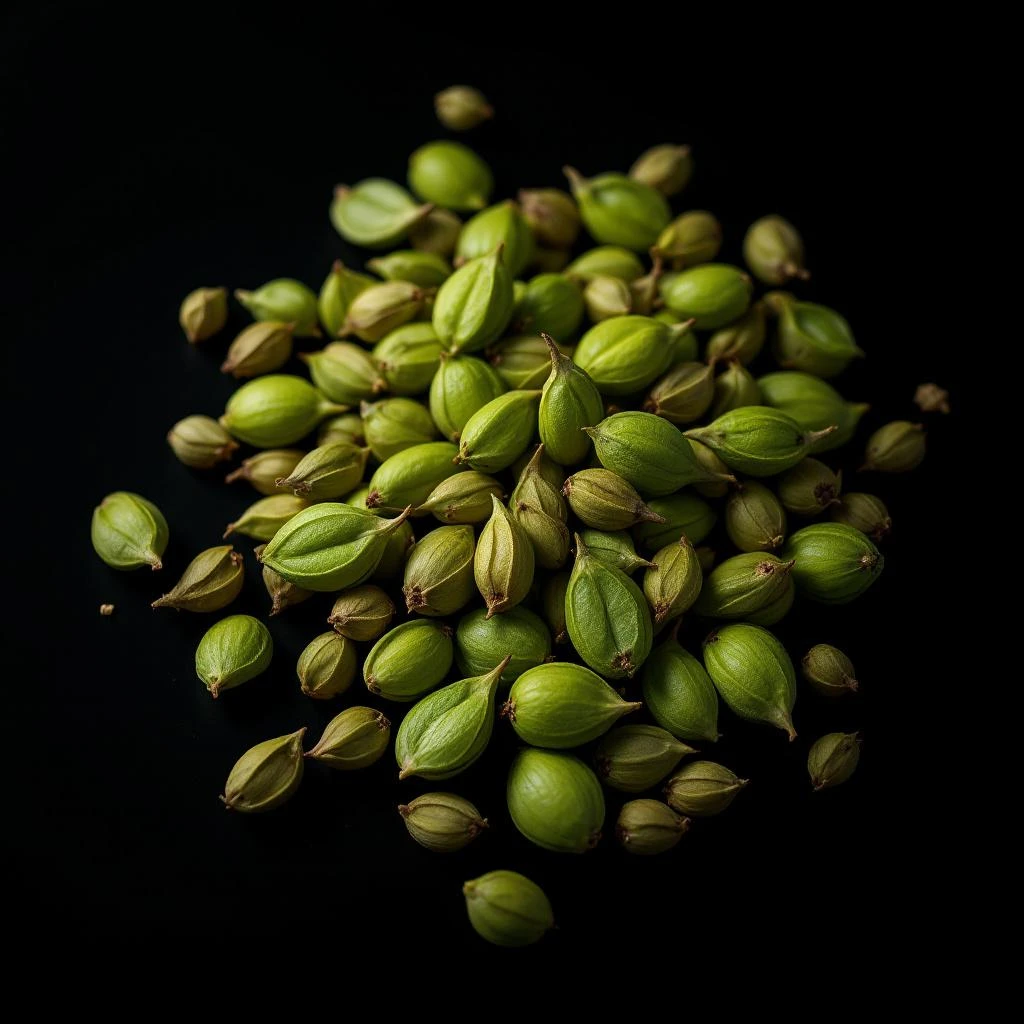
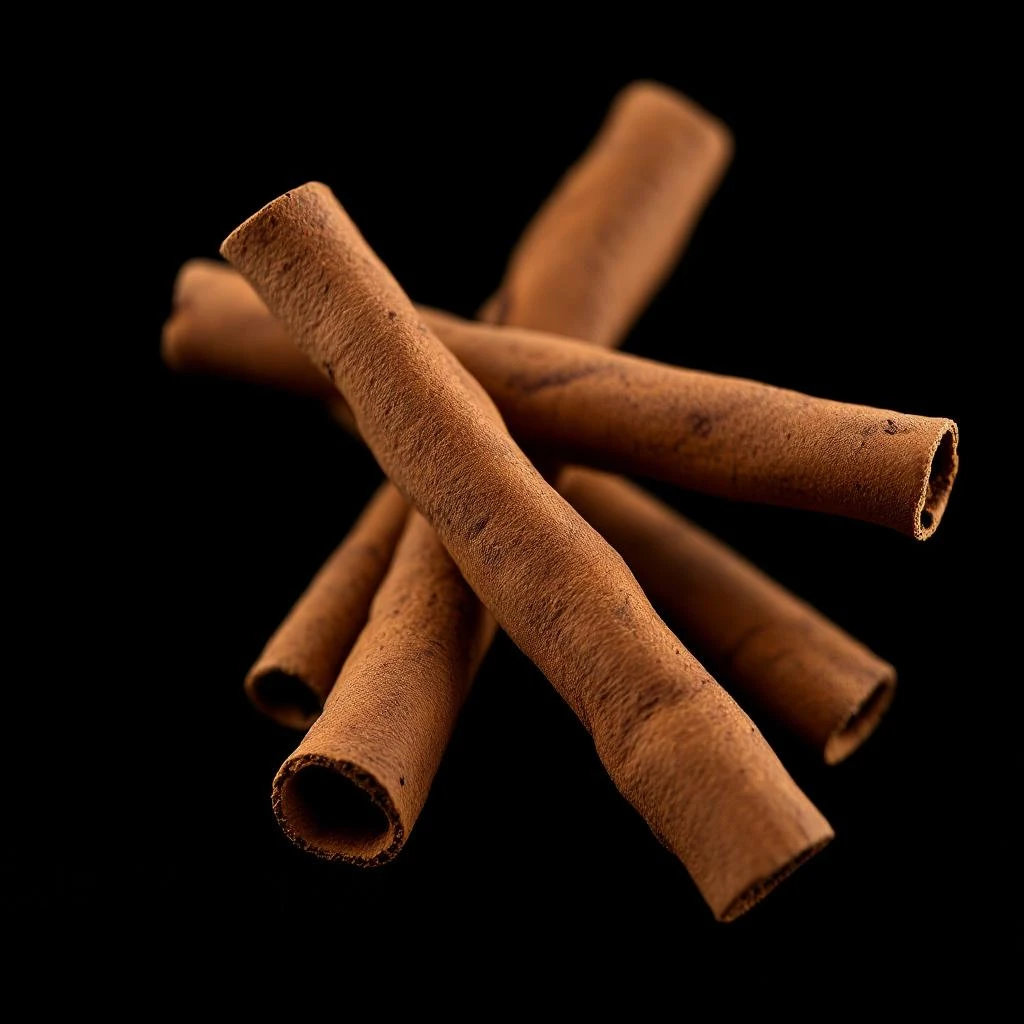
Ghost pepper pairs effectively with smoky materials like vetiver and oud, warm spices such as cinnamon and cardamom, and contrasting cool notes like mint or eucalyptus. These combinations help balance its intensity while maintaining its commanding presence.
How long does the ghost pepper note typically last in a fragrance?
The ghost pepper effect typically lasts 2 to 4 hours depending on concentration and skin chemistry. Its initial intensity fades to a subtle warmth that lingers in the fragrance dry-down, often persisting as a smoky undercurrent.
Is ghost pepper suitable for people with sensitive skin?
As a synthetic note, ghost pepper avoids the direct irritants found in actual chili peppers. However, highly concentrated fragrance formulations with strong spice notes may still cause reactions in sensitive individuals. Patch testing remains advisable.
Which fragrance families most commonly feature ghost pepper?
Ghost pepper appears most often in bold oriental fragrances, spicy chypres, and contemporary masculine compositions. Its intensity suits fragrances designed for those seeking assertive, attention-commanding scents with a modern edge.