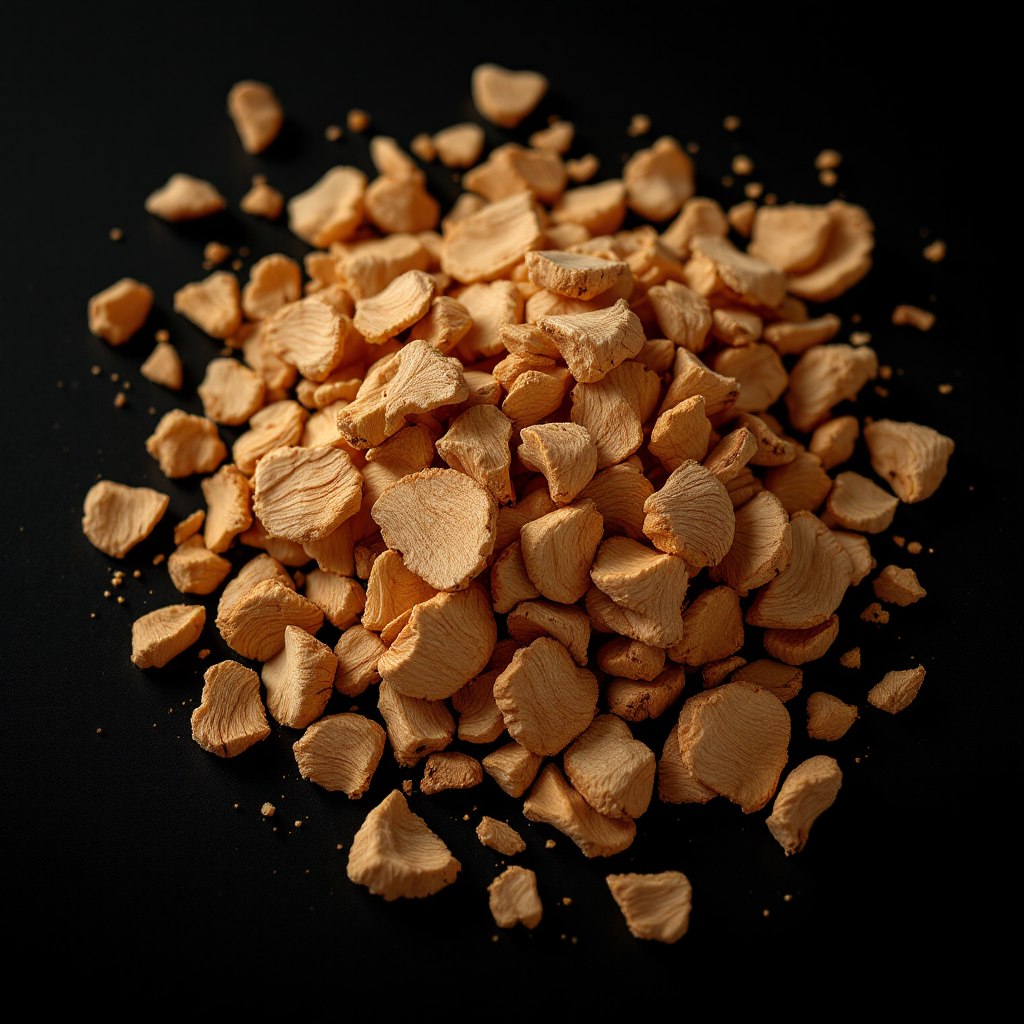
Gaiac Wood Bark
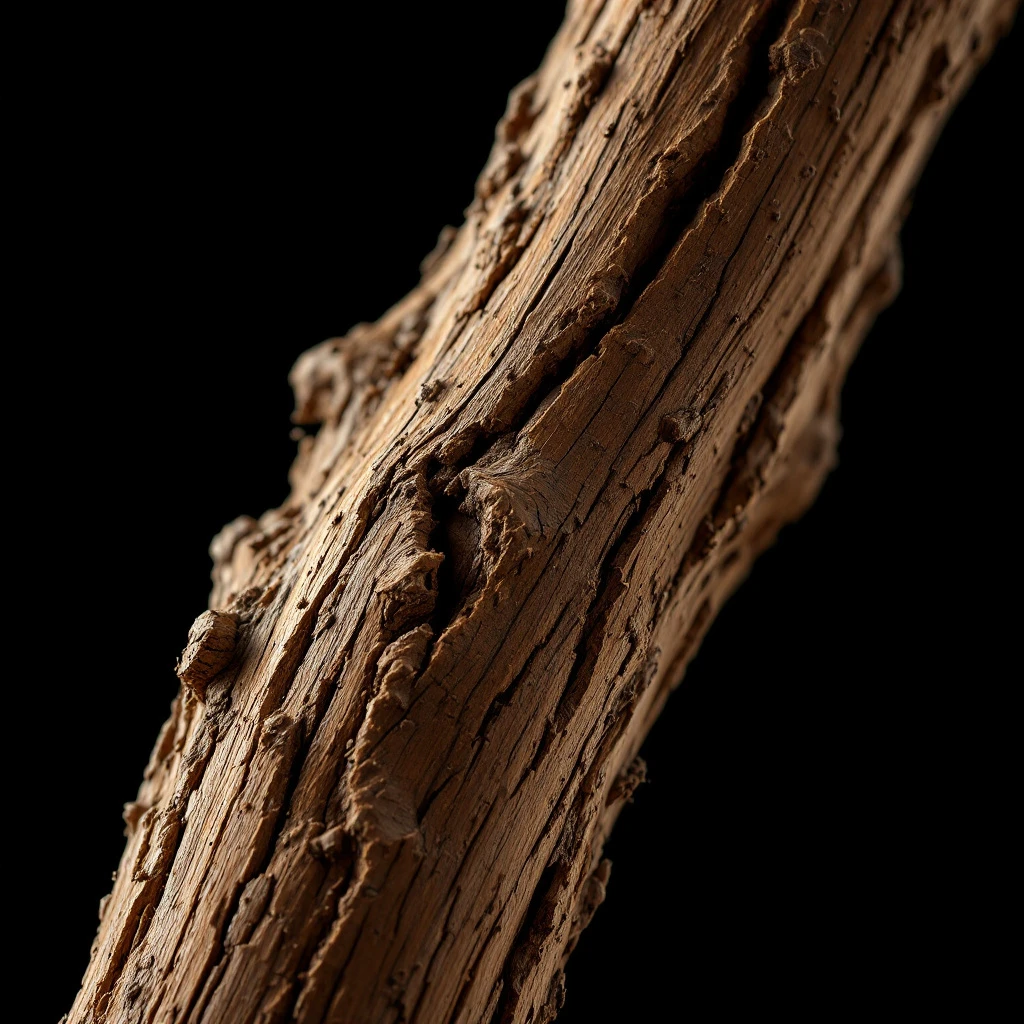
Guaiac wood bark yields a warm, smoky, and subtly sweet essential oil prized in fine perfumery. Native to South American dry forests, this slow-growing tree has supplied fragrance creators for centuries with its distinctive woody character. Steam-distilled from heartwood shavings, guaiac delivers a rich, balsamic foundation that anchors countless iconic fragrances.
Character
How it smells
A smoky, balsamic wood with centuries of perfumery heritage.
Guaiac wood served as the original fixative in premium pipe tobacco blends before becoming a perfumery staple.



Origin
Paraguay
Long before guaiac wood entered European perfumery, indigenous peoples of Central and South America recognized its remarkable properties. Documented use stretches back to at least the 16th century, when Native American healers employed the wood to treat serious ailments.
Spanish colonizers encountered guaiac wood through these communities and exported it to Europe, where it gained reputation as a medicinal remedy for various conditions. The aromatic potential emerged gradually as perfumers experimented with the wood's warm, complex scent profile.
By the late 19th century, guaiac oil had established itself as a reliable base note in soap making and fine fragrance alike. Its smoky character distinguished it from other perfumery woods, offering perfumers an alternative to the rarer and costlier sandalwood and agarwood options of the era.
Wears it best
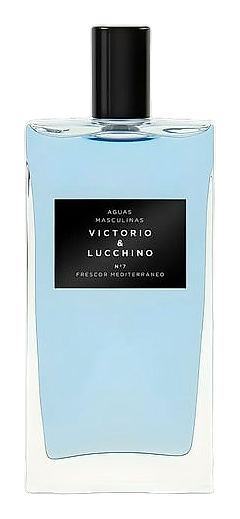
Fragrances featuring Gaiac Wood Bark
Brands
Brands known for Gaiac Wood Bark
Good to know
Questions, answered
The essentials on Gaiac Wood Bark in perfumery: how it smells, where it comes from, and how it behaves on skin.
What does guaiac wood smell like?
Guaiac wood presents a warm, smoky profile with sweet balsamic undertones and subtle tea-like facets. It reads as softer and rounder than other perfumery woods, making it a versatile base note that blends well with florals, spices, and other woody materials.
Is guaiac wood a natural or synthetic ingredient?
Guaiac wood oil is entirely natural, steam-distilled from the wood of Bulnesia sarmientoi. Synthetic alternatives exist (guaiacol), but natural guaiac remains preferred in fine perfumery for its complexity.
Where does guaiac wood originate?
The primary source is Paraguay, where wild guaiac trees grow across dry forest regions. Argentina and surrounding South American countries also produce smaller quantities of this essential oil.
How is guaiac wood oil extracted?
Producers use steam distillation lasting approximately 24 hours. Wood shavings and sawdust from the trunk and branches undergo sustained steam contact, with the resulting aromatic vapor condensed and separated to yield the finished oil.
Why is guaiac wood used in perfumery?
Perfumers value guaiac primarily as a fixative and base note. Its warm, smoky character adds depth and longevity to fragrance compositions, while its relative affordability compared to sandalwood makes it an accessible option for perfumers working across price points.
Which famous perfumes contain guaiac wood?
Guaiac wood appears in numerous fragrances across different houses. It features prominently in tobacco-forward and woody compositions, where its balsamic warmth provides a smoky counterpoint to sweeter notes.
How long has guaiac wood been used in fragrance?
Medicinal use dates to the 16th century, but guaiac entered perfumery during the late 19th century. It gained particular popularity in soap making before establishing itself as a fine fragrance ingredient.
Is guaiac wood harvesting sustainable?
Wild-harvested guaiac wood requires careful management due to slow growth rates. Responsible producers now prioritize sustainable harvesting practices and selectively gather materials to protect wild populations from overexploitation.