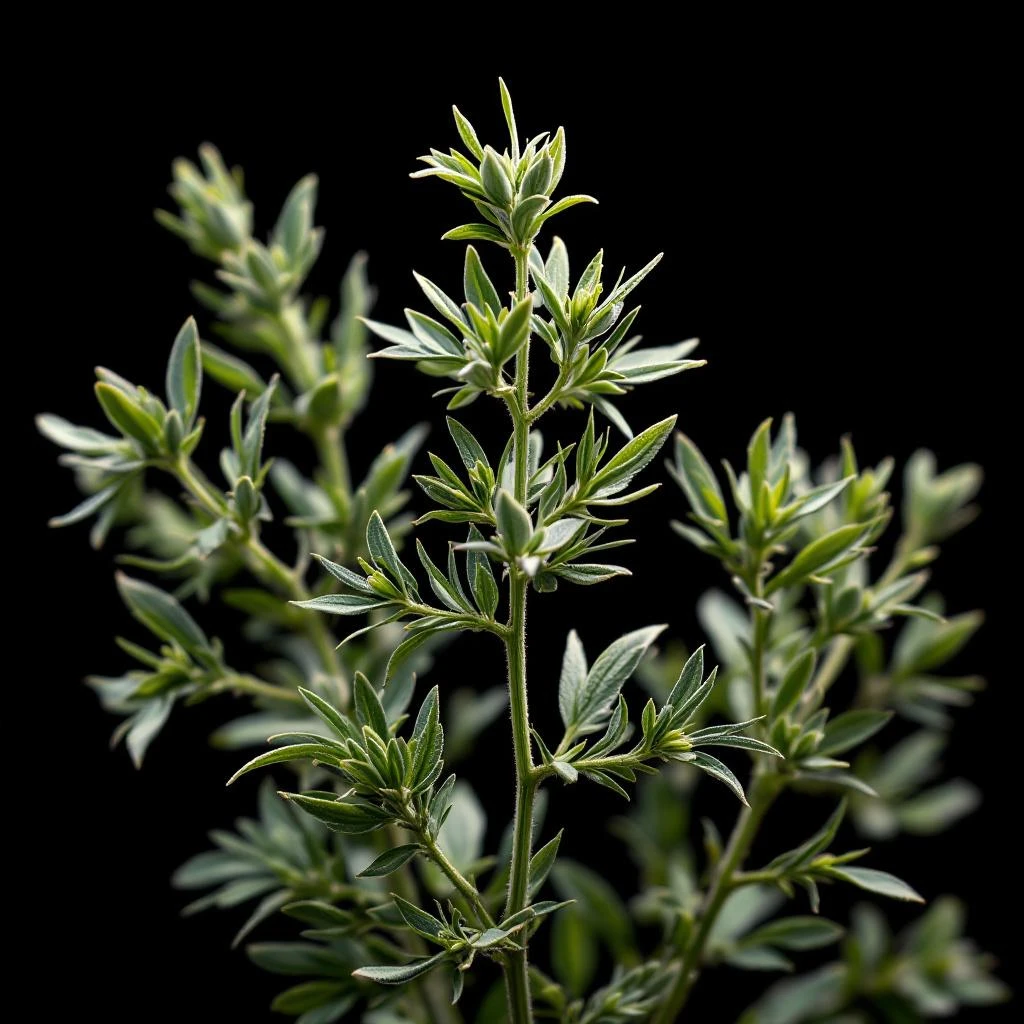
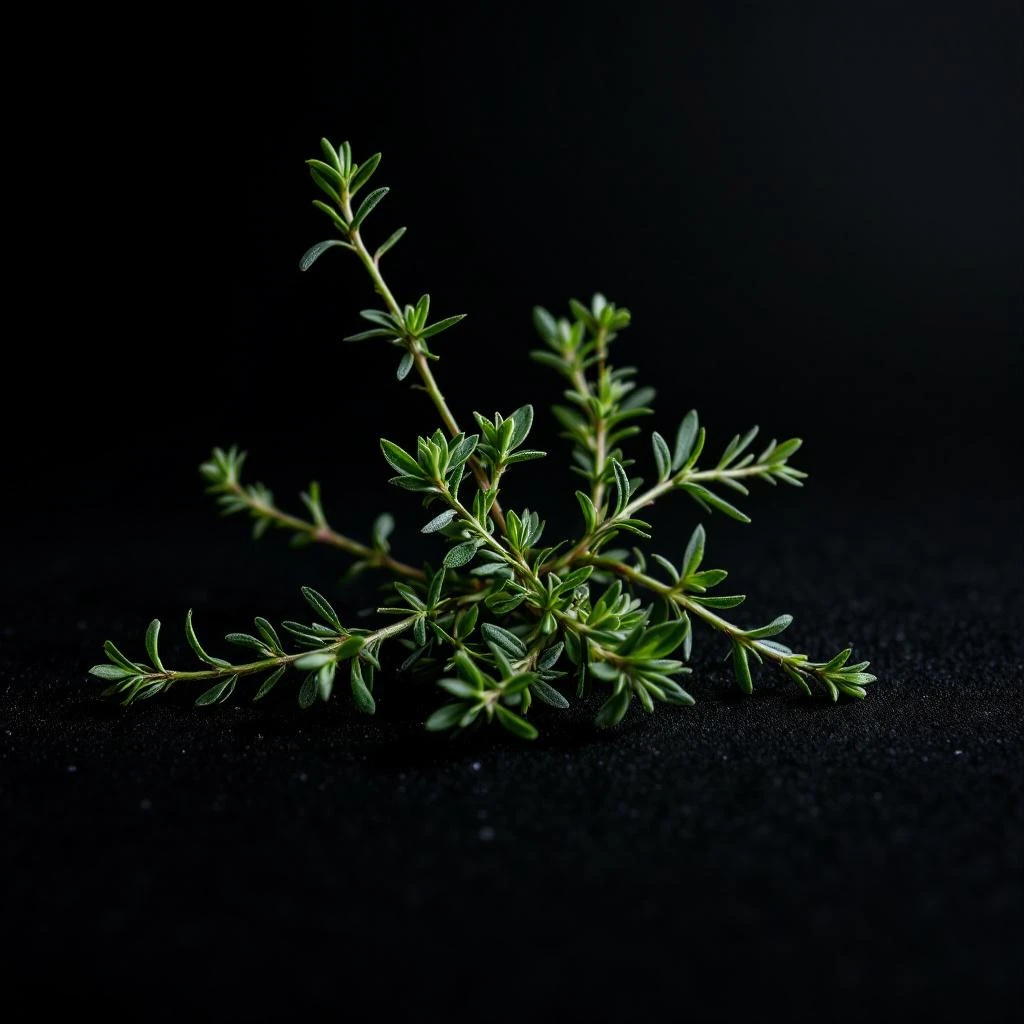
Frosted Sage
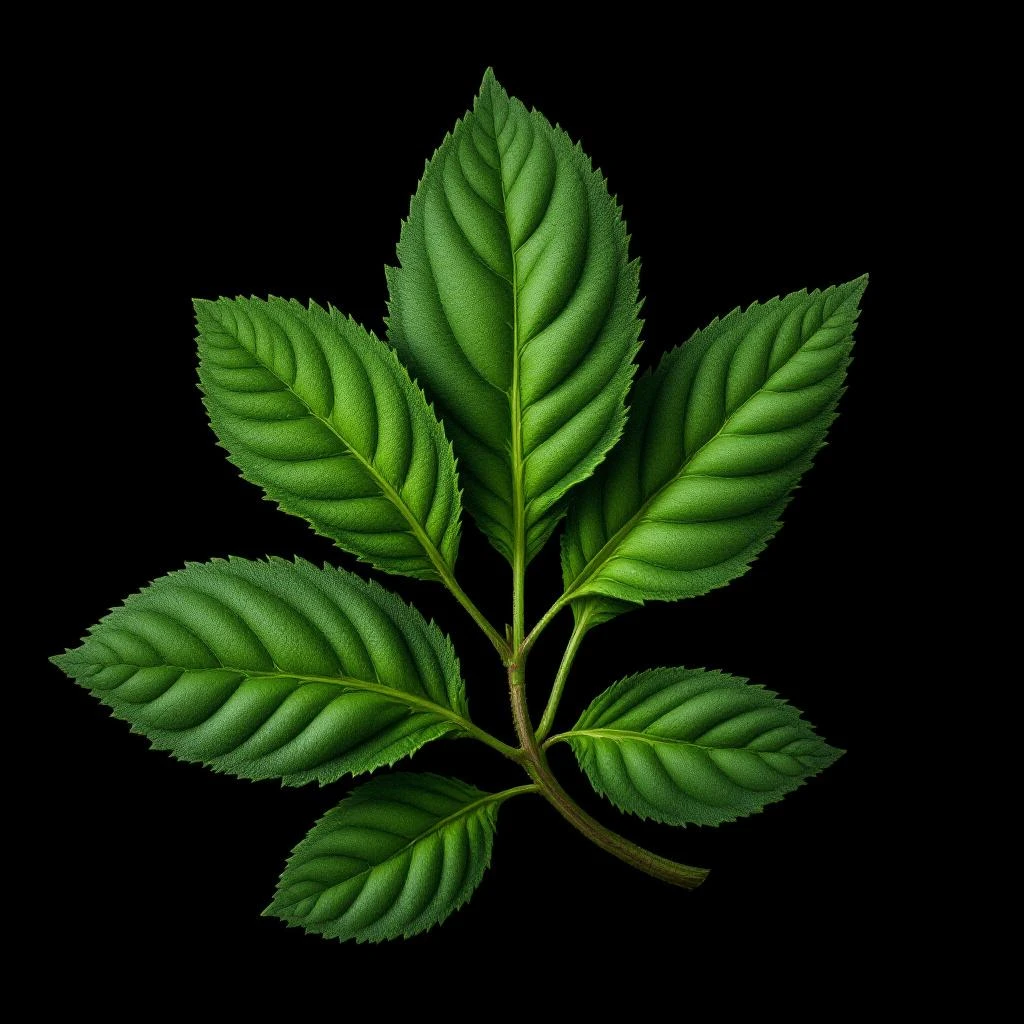
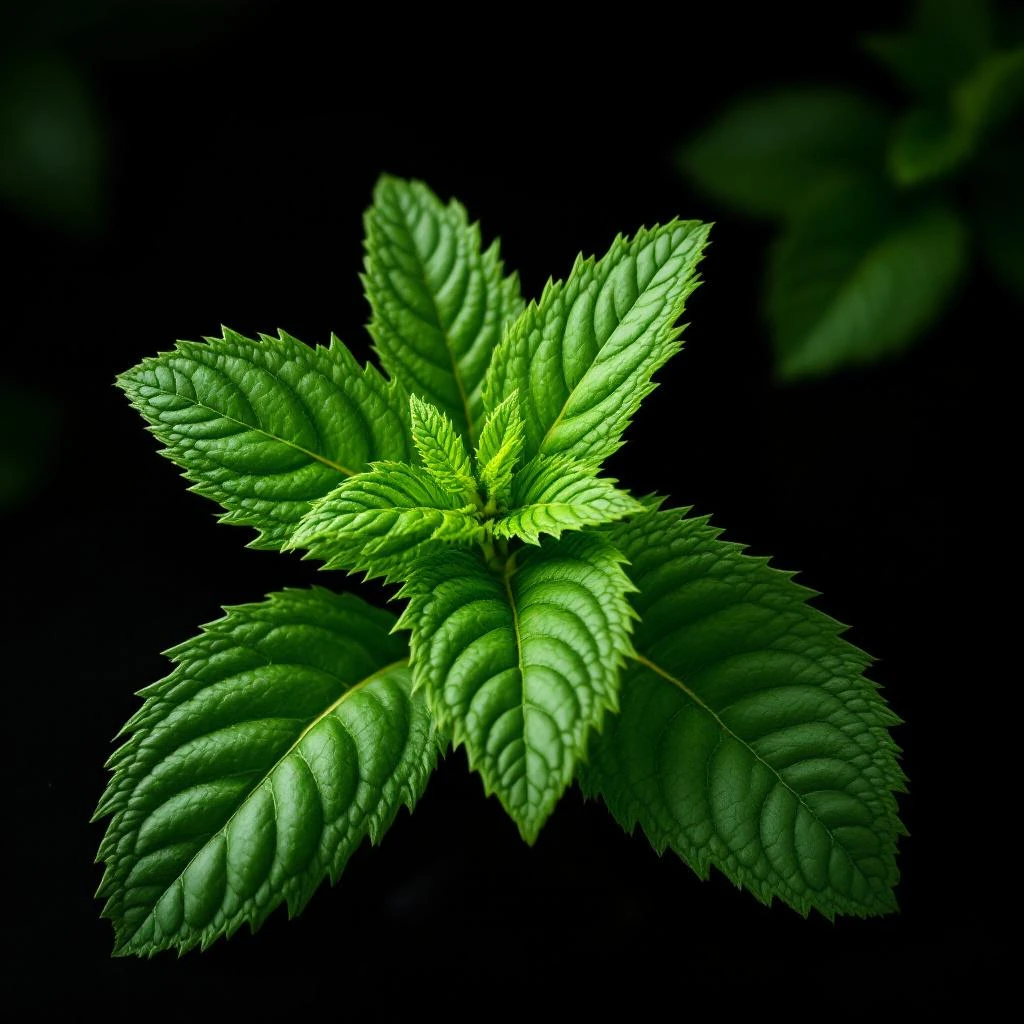
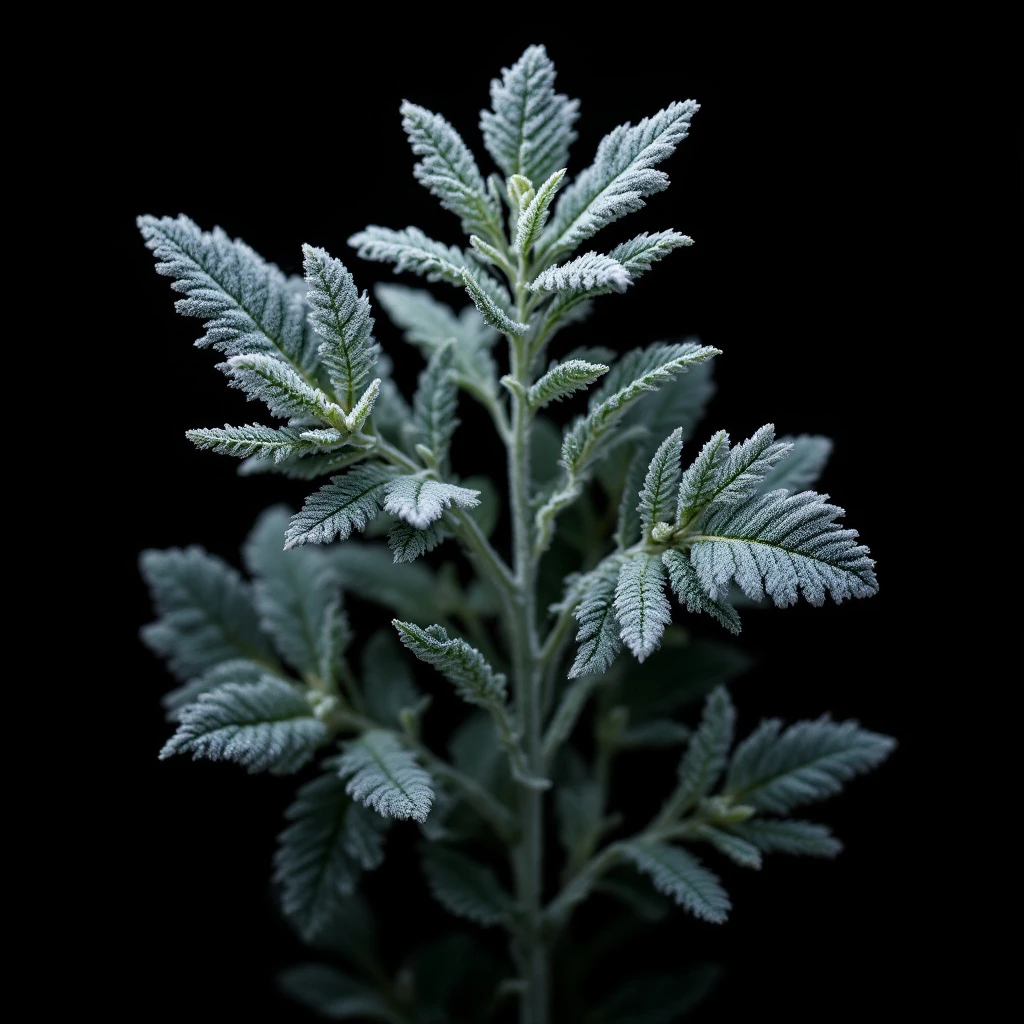
Frosted Sage captures the cool, herbaceous bite of garden sage touched with a glacial, mentholated edge. It smells like winter air passing through a herb garden at dawn.
Character
How it smells
Icy herb with a sharpened green edge
The Latin name Salvia comes from salvare, meaning to heal, and the plant has been used in ritual smoke cleansing and folk medicine for over two thousand years.
Origin
France
Sage has scented human spaces for at least four thousand years. Ancient Egyptian physicians used it as a fertility tonic, and the Romans gathered it in formal harvest rituals, using the Latin word salvare, to save or heal, as the source of its botanical name.
Medieval monasteries cultivated sage in medicinal gardens across Europe, and by the 14th century the Chinese were so enamored of the herb that Dutch traders bartered three chests of Chinese tea for one chest of European sage leaves. In perfumery, the first true sage note appeared in the fougère family of fragrances, launched in 1882 with Fougère Royale by Houbigant, which paired coumarin with herbaceous oils to build an abstract masculine archetype.
Modern perfumery later isolated the key molecules that give sage its cool snap, including alpha-thujone and camphor, allowing the frosted variation to be built in a lab with precision. Today, Frosted Sage represents a contemporary reinvention, a classic herb filtered through a wintry, synthetic lens.
Wears it best
Fragrances featuring Frosted Sage
Brands
Brands known for Frosted Sage
Good to know
Questions, answered
The essentials on Frosted Sage in perfumery: how it smells, where it comes from, and how it behaves on skin.
What does Frosted Sage smell like?
Frosted Sage smells like freshly cut Salvia officinalis leaves with a sharp menthol and camphor accent. The frosted variation layers in cool, almost glacial facets through synthetic molecules like eucalyptol, making it crisper and more crystalline than regular sage.
Is Frosted Sage natural or synthetic?
Frosted Sage is a hybrid accord. The base comes from steam-distilled sage essential oil, a natural product, while the icy, mentholated facets are typically built using synthetic cooling compounds to achieve that characteristic frozen effect.
Where does sage for perfumery come from?
Most perfumery-grade sage is cultivated and distilled in the Provence and Languedoc regions of southern France, where Mediterranean sun and chalky soils produce leaves rich in camphor and 1,8-cineole.
How is sage essential oil extracted?
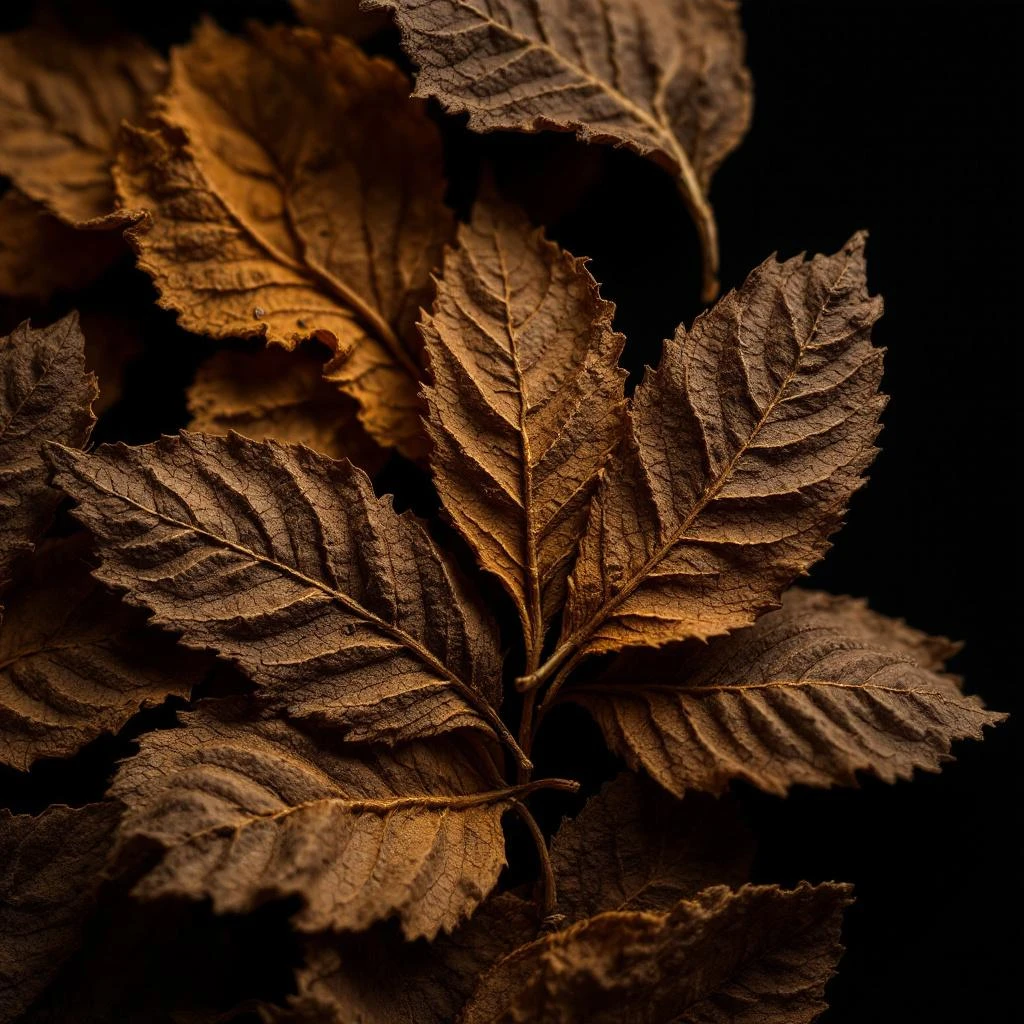
Steam distillation is standard. Dried sage leaves and flowering tops are exposed to pressurized steam, which ruptures the oil glands. The vapor is then condensed, and the pale yellow essential oil separates from the hydrosol.
What is the difference between clary sage and common sage?
Common sage (Salvia officinalis) yields a sharp, camphoraceous oil with herbal bite. Clary sage (Salvia sclarea) produces a sweeter, musky absolute with fig-like and amber facets, frequently used as a softener in fougère compositions.
When was sage first used in perfumery?
Sage entered modern perfumery through the 1882 launch of Fougère Royale by Houbigant, the fragrance that established the fougère family and made herbaceous accords a cornerstone of masculine fragrance design.
Does Frosted Sage contain thujone?
Natural sage oil contains alpha-thujone, a ketone with a distinctive herbal sharpness, in variable concentrations depending on geography and harvest. Frosted Sage accords sometimes minimize this molecule to keep the note cleaner and less medicinal.
Is Frosted Sage a winter-only note?
No. While its icy character suits cold-weather compositions, perfumers use Frosted Sage year-round in aromatic, fougère, and fresh herbal fragrances where a sharper, more crystalline green note is desired than traditional sage provides.