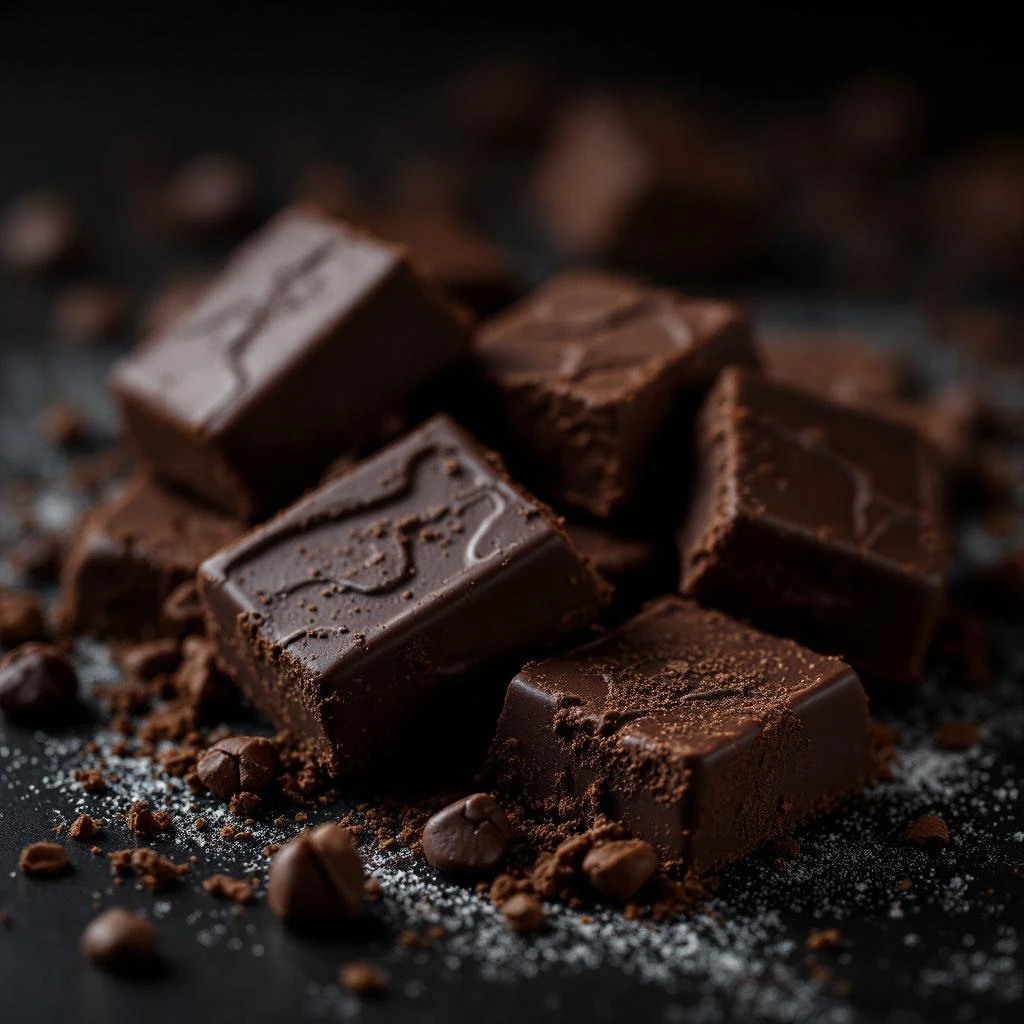
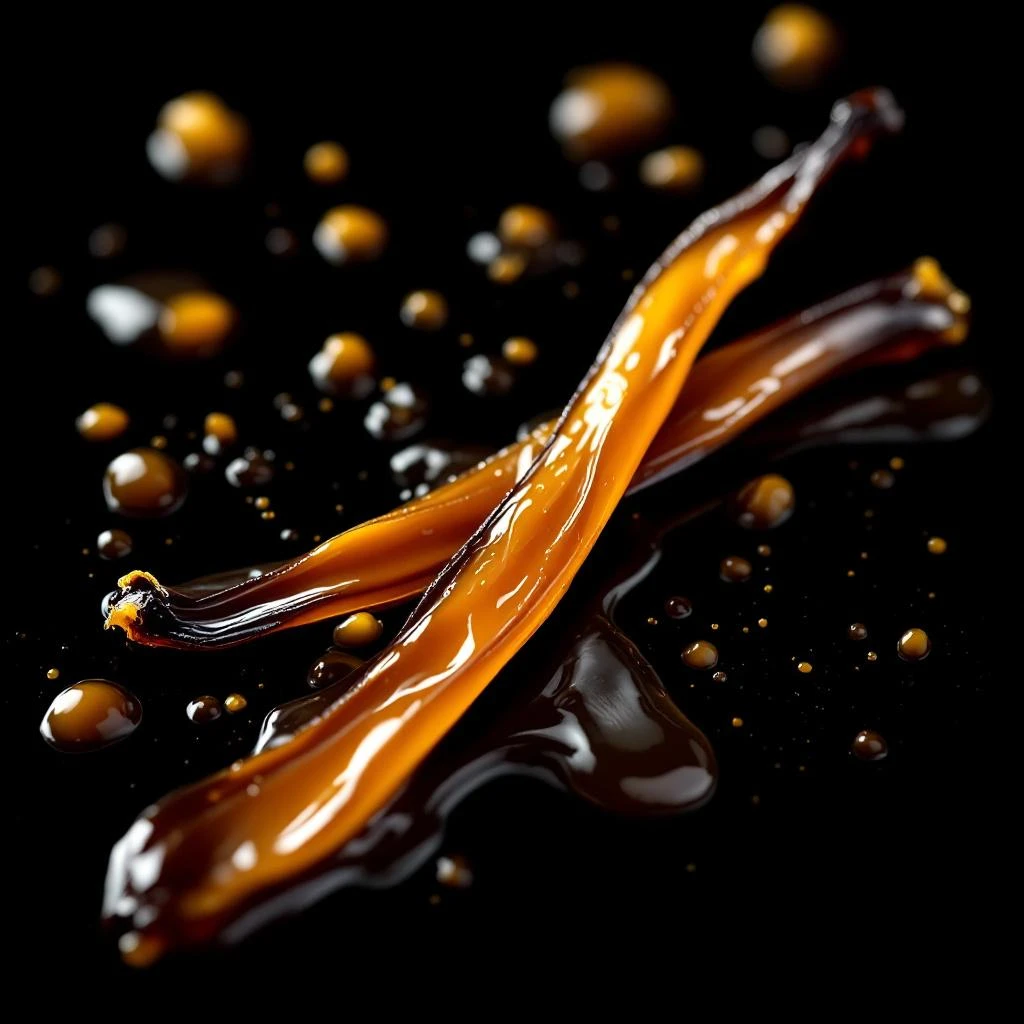
Caramelized vanilla
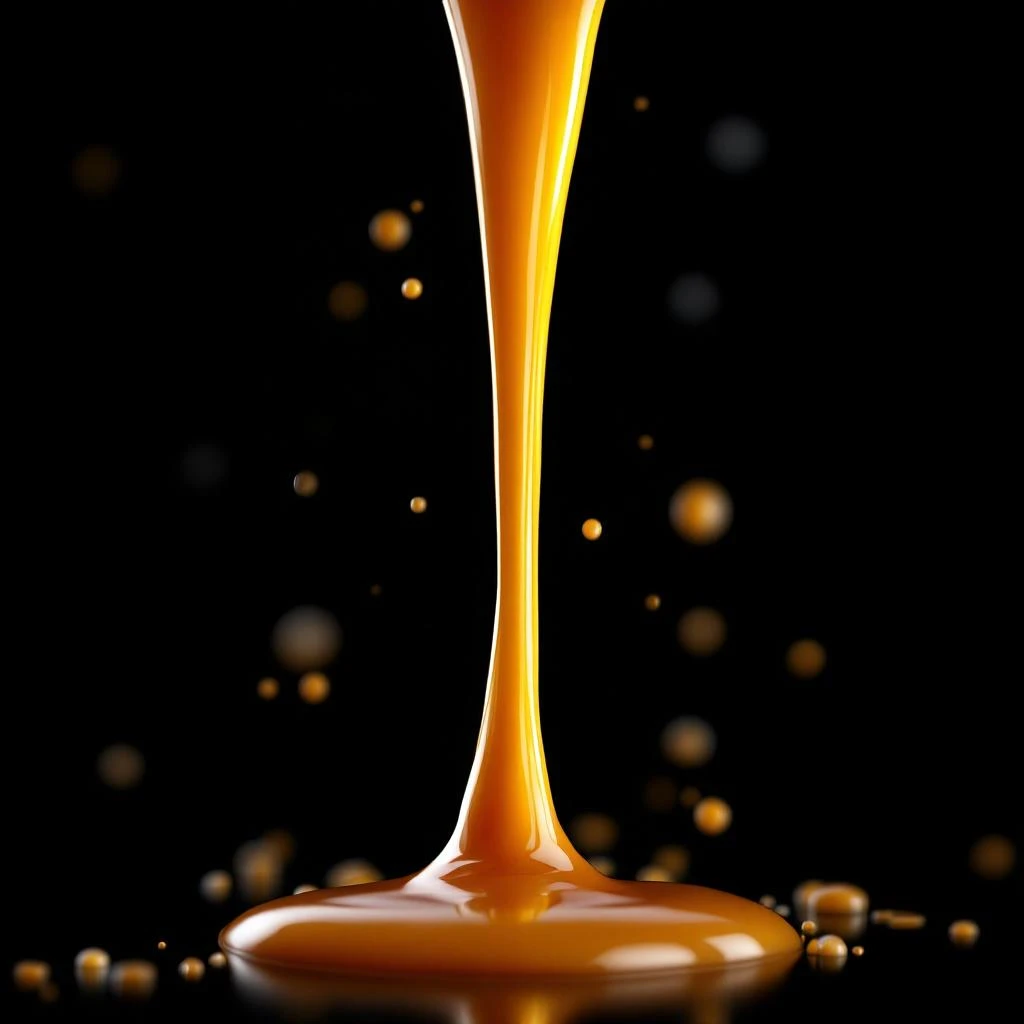
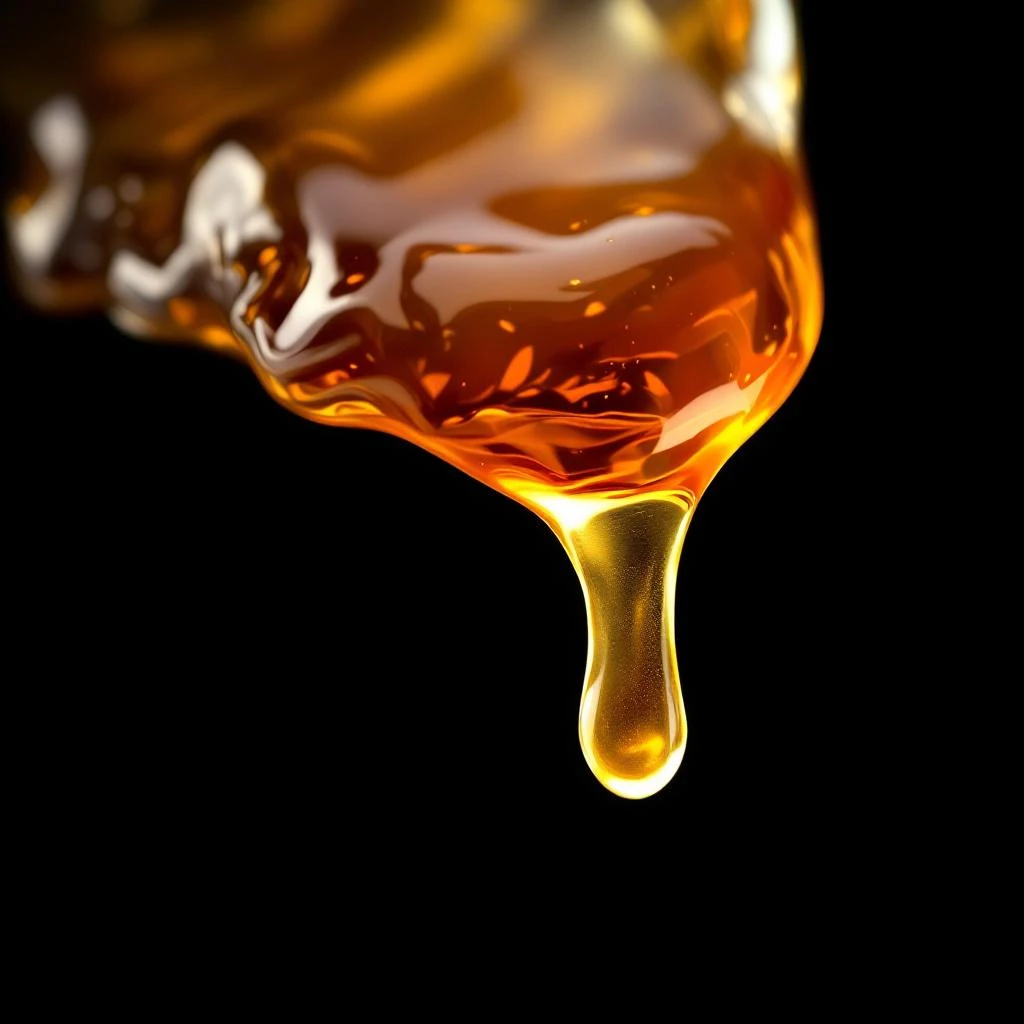
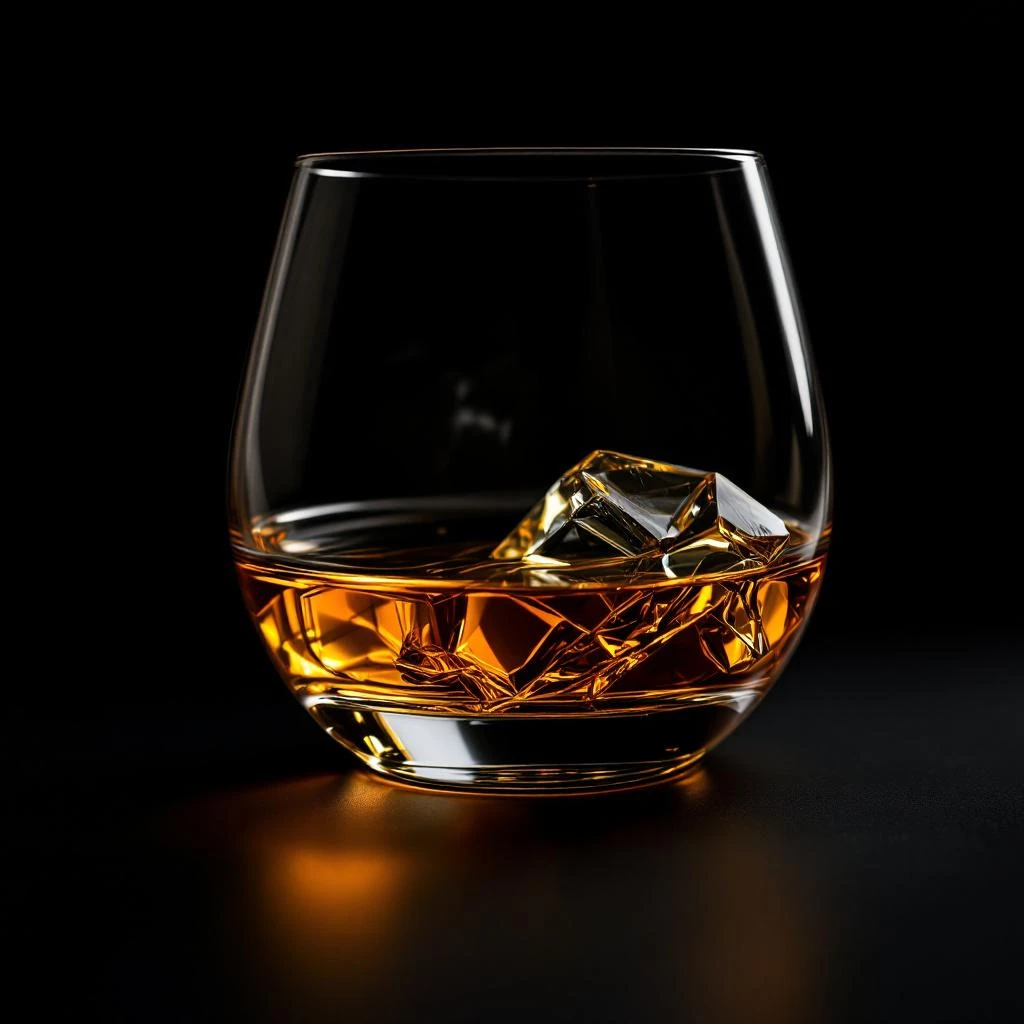
Warm, buttery, and deeply resonant — caramelized vanilla brings gourmand depth to fragrance without a single grain of sugar. Born from cured vanilla beans and synthetic caramel materials, it captures the moment cream meets heat in a kitchen that never existed.
Character
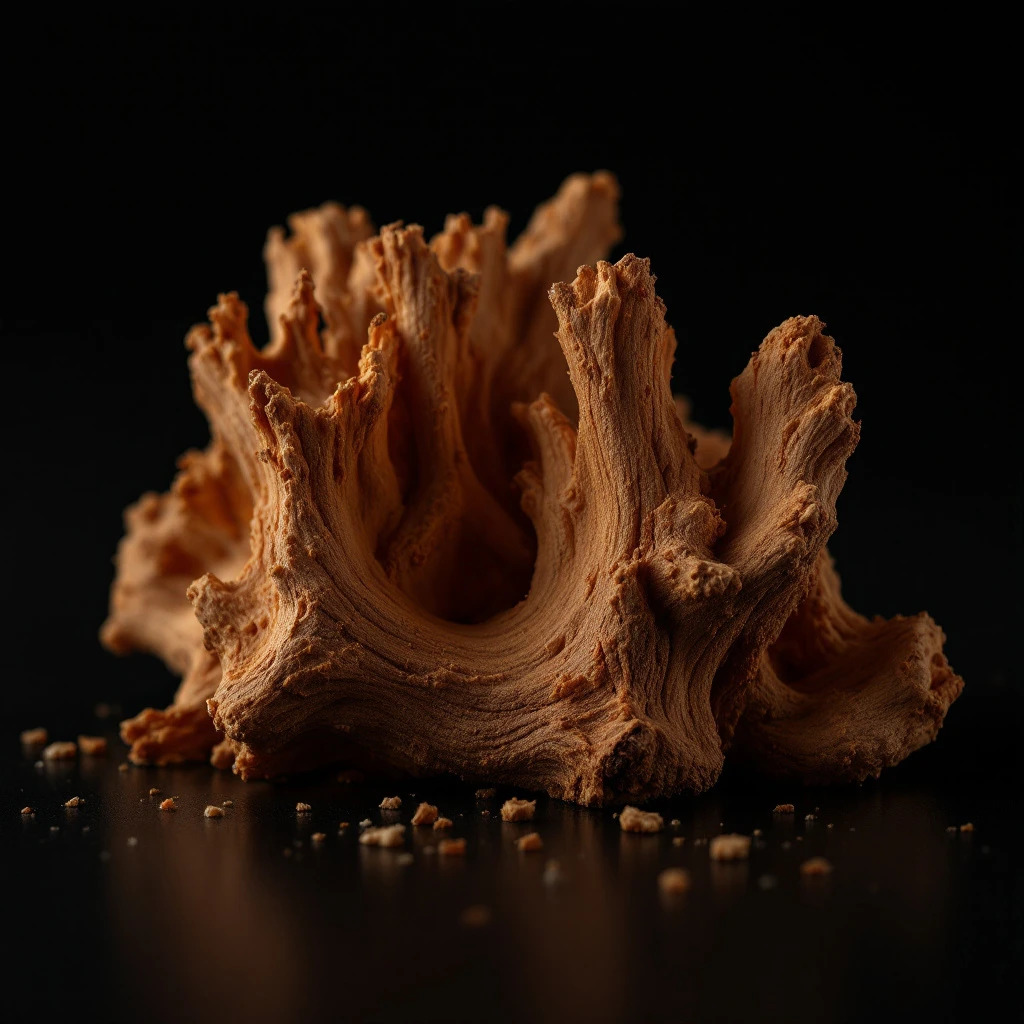
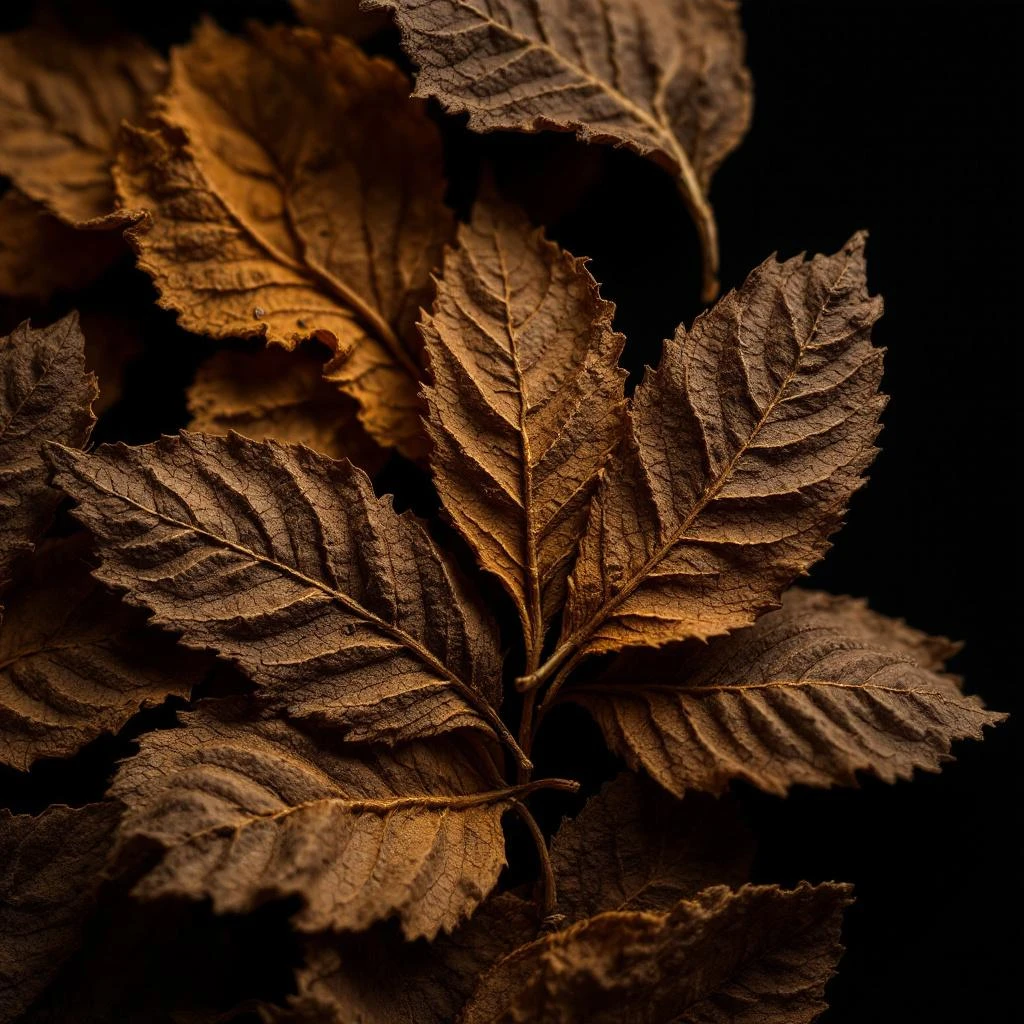
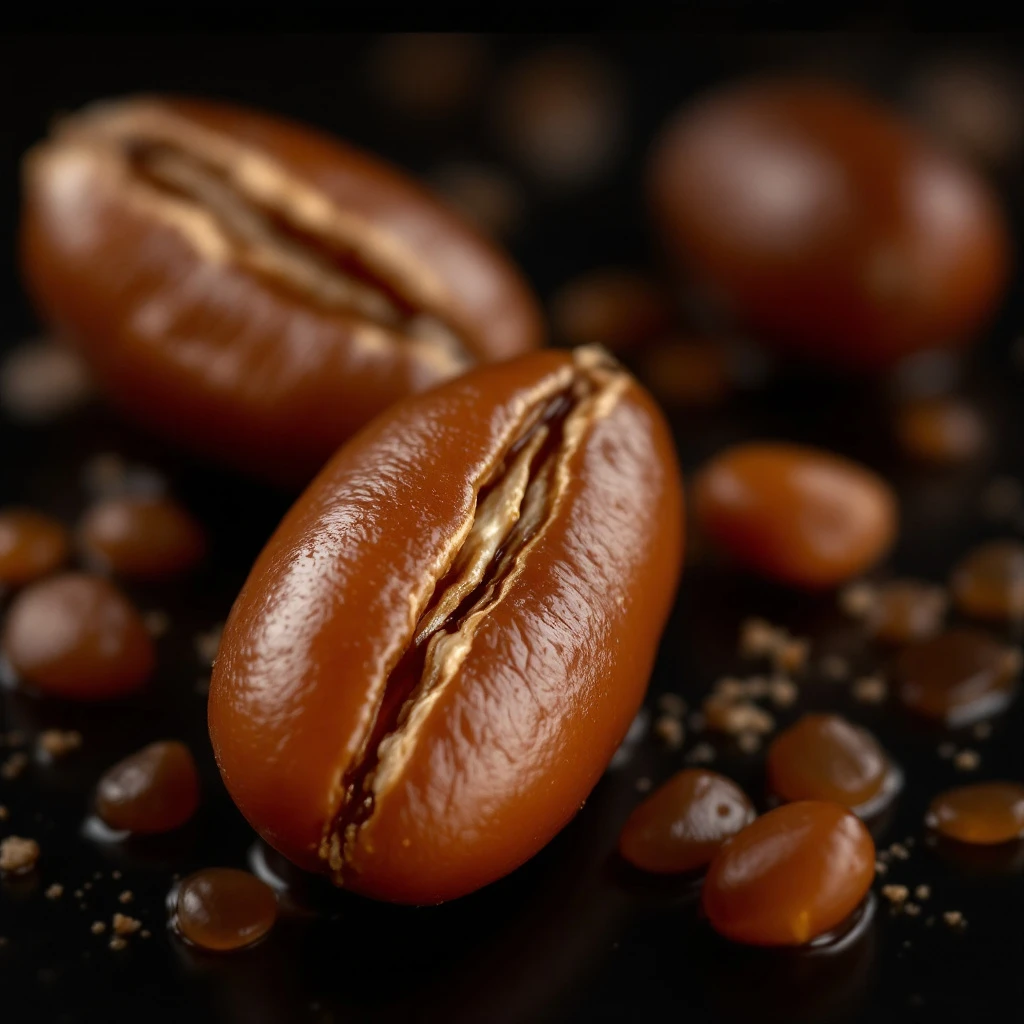
How it smells
Vanilla and caramel: the warmth that lingers.
The Totonac people of Mexico were the first to cultivate vanilla — centuries before it crossed the Atlantic.
Origin
Mexico
Vanilla traces back to ancient Mesoamerica, where the Totonac people of what is now Mexico first cultivated the orchid Vanilla planifolia. The Aztecs used vanilla to flavor cacao drinks, valuing it as a luxury.
Spanish conquistadors brought it to Europe in the 16th century, where it remained a curiosity for centuries — the vine could flower but would not set fruit outside its native region. That changed in 1841 on the island of Réunion (then Île Bourbon), when a 12-year-old botanist named Edmond Albius discovered a simple hand-pollination technique using a stick.
Within decades, vanilla plantations spread to Madagascar, which now produces roughly 80 percent of the world's vanilla. The synthetic caramel component emerged in the 20th century alongside advances in aroma chemistry, allowing perfumers to build the caramelized dimension without relying solely on natural vanilla's subtle, sometimes volatile character.
Wears it best
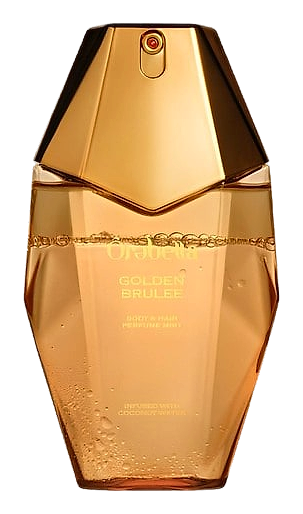
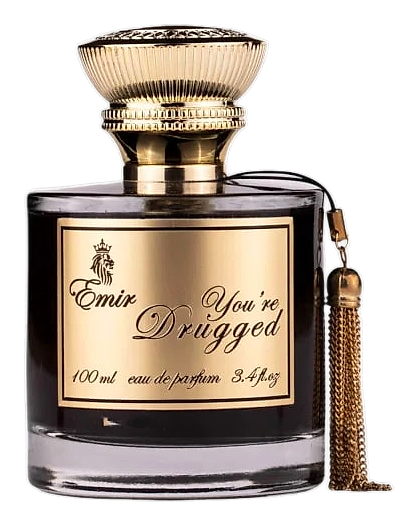
Fragrances featuring Caramelized vanilla
Brands
Brands known for Caramelized vanilla
Good to know
Questions, answered
The essentials on Caramelized vanilla in perfumery: how it smells, where it comes from, and how it behaves on skin.
Is caramelized vanilla natural or synthetic?
Partially natural and partially synthetic. The vanilla component comes from real cured beans processed via solvent extraction. The caramel component has no natural source and is produced synthetically using sugar analogs and Maillard reaction chemistry to replicate the scent of heated caramel.
How does caramelized vanilla differ from vanilla absolute alone?
Vanilla absolute delivers creamy, slightly smoky, and floral sweetness. Caramelized vanilla adds a bitter-sweet, molten-sugar quality that reads as more edible and gourmand. The difference is the molten depth — like the surface of crème brûlée rather than vanilla ice cream.
Why is natural vanilla so expensive in perfumery?
Vanilla is the second most expensive spice after saffron. Curing beans takes 9 to 18 months, and hand pollination remains necessary in most regions. Prices for natural vanilla absolute can exceed $600 per kilogram, which is why many fragrances rely on synthetic vanillin or partially blended compositions.
What does caramelized vanilla smell like?
Warm, buttery, and sweet with a bitter edge. It reads as edible and comforting — like warm caramel sauce — but it is constructed from aromatic chemistry rather than cooked sugar. It pairs depth with accessibility.
What extraction method is used for vanilla in this context?
Volatile solvent extraction. Dried and cured vanilla beans are macerated in a solvent, which dissolves the aromatic compounds. The solvent evaporates, leaving a thick, dark absolute that serves as the vanilla backbone of caramelized vanilla in fragrance.
Can I find caramel as a natural perfumery ingredient?
No. Caramel as a perfumery material has no natural extraction process. Every caramel note in fragrance is synthesized using controlled sugar degradation chemistry. Natural caramel simply does not exist in the same way that natural vanilla absolute does.
Where does the vanilla used in caramelized vanilla come from?
Primarily Madagascar, which supplies roughly 80 percent of global vanilla production. The original origin is Mesoamerica — modern-day Mexico — where Vanilla planifolia was first cultivated by the Totonac people over a thousand years ago.
Is caramelized vanilla safe for skin use in fragrance?
When formulated by professional perfumers, caramelized vanilla materials used in fine fragrance are safe at standard concentrations. IFRA compliance guidelines govern usage levels. As with any fragrance ingredient, skin sensitivity varies, and products carry concentration guidelines accordingly.