Caramelized Cedarwood
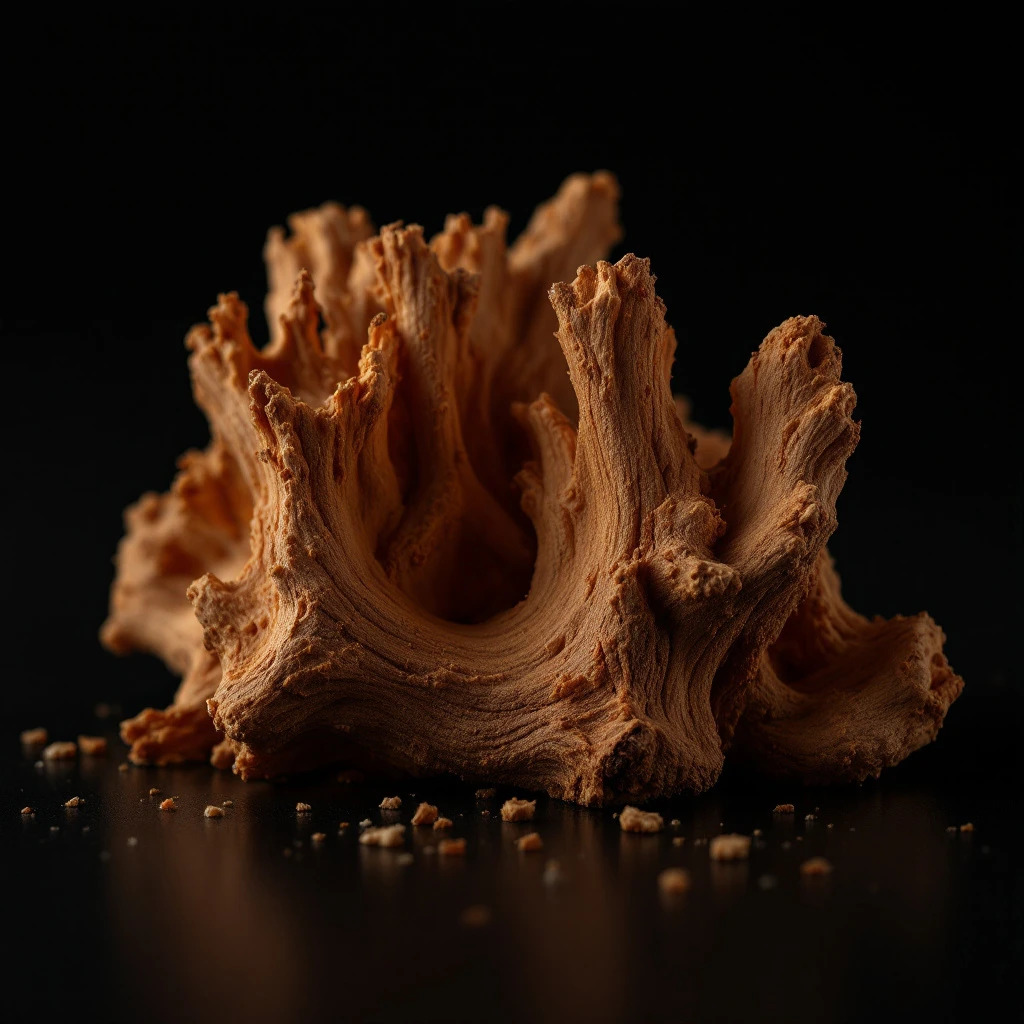
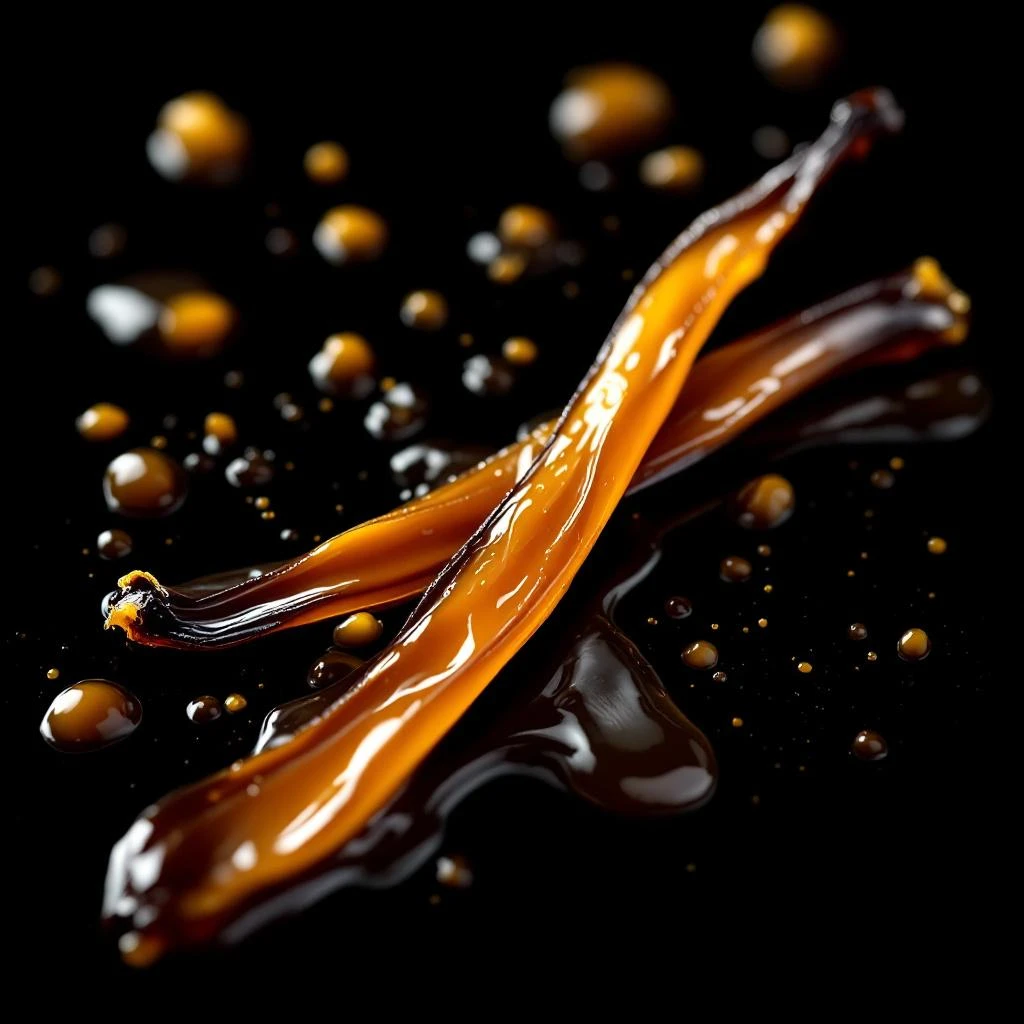
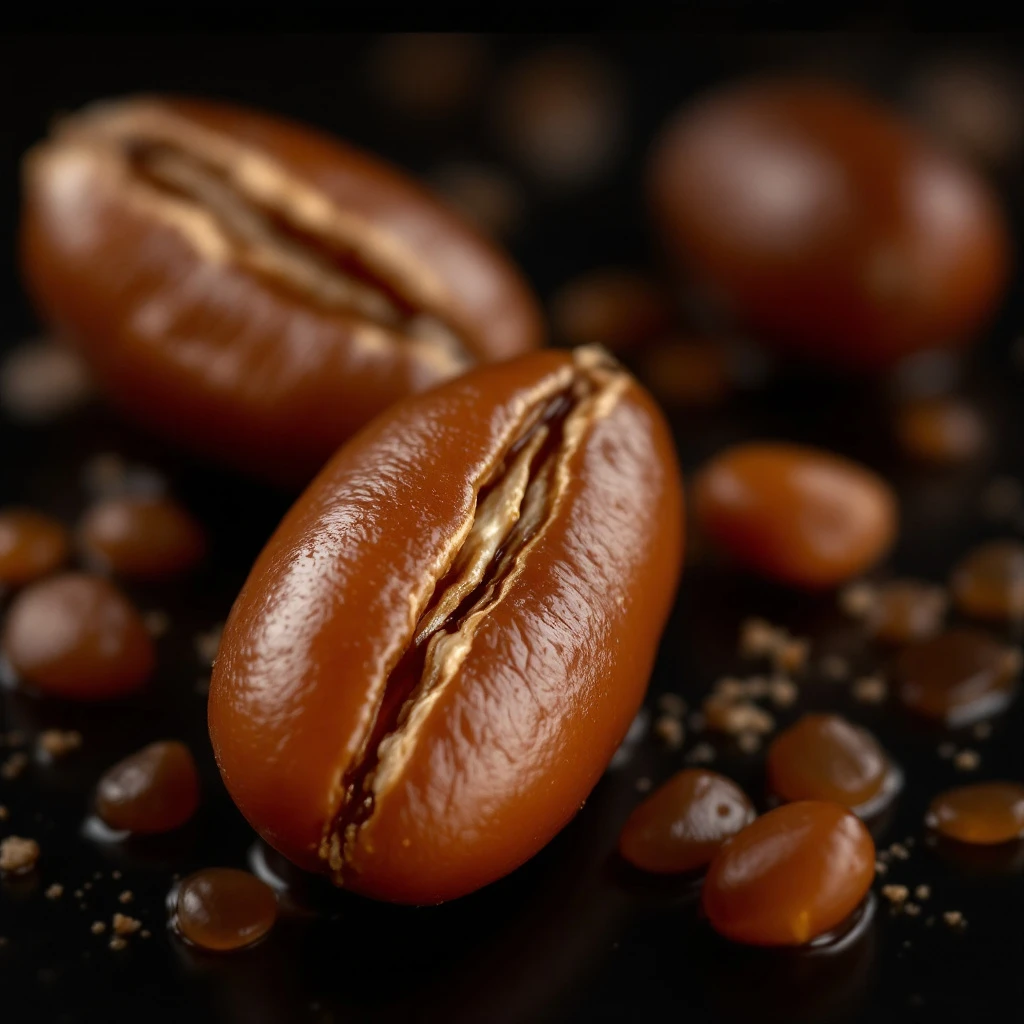
Caramelized Cedarwood transforms the dry, pencil-shaving character of Virginia cedar into something warmer and confectionery. The note introduces a burnt-sugar sweetness that rounds out the wood's sharp edges.
Character
How it smells
Warm wood meets burnt sugar
Virginia cedarwood oil is a literal byproduct of pencil manufacturing, the same factories that sharpen America's pencils also produce the essential oil used in perfumery.
Origin
United States
Cedarwood ranks among the oldest documented fragrance ingredients, with traces found in ancient Egyptian cosmetic and embalming practices dating back over four thousand years. Lebanese cedar, often called the cedar of Lebanon, appeared in temple incense throughout the Levant and was prized enough to feature in the Epic of Gilgamesh. By the 19th century, the American pencil industry had become so massive that Virginia cedarwood oil emerged as an inexpensive byproduct, supplying perfumers with a woody base that smells like fresh-cut timber and graphite shavings.
Traditional cedarwood perfumery leaned into its dry, pencil-like, almost austere character. The caramelized interpretation is far more recent, a 20th and 21st century invention born from the gourmand movement that began with Angel in 1992. By folding sweet, burnt-sugar molecules into the woody skeleton, modern perfumers created a hybrid note that bridges the gap between oriental gourmands and traditional fougère structures.
The result feels both ancient and new, rooted in four millennia of woody tradition yet speaking a thoroughly contemporary language.
Wears it best
Fragrances featuring Caramelized Cedarwood
Brands
Brands known for Caramelized Cedarwood
Good to know
Questions, answered
The essentials on Caramelized Cedarwood in perfumery: how it smells, where it comes from, and how it behaves on skin.
What does Caramelized Cedarwood smell like?
Caramelized Cedarwood smells like dry Virginia cedarwood layered with warm, burnt-sugar sweetness. The woody sharpness softens into a buttery, almost edible warmth that bridges traditional fougère and modern gourmand territory.
Is Caramelized Cedarwood a natural ingredient?
The cedarwood base is natural, steam-distilled from Juniperus virginiana heartwood, but the caramelized effect is achieved by adding synthetic molecules like furaneol. The finished accord is therefore a perfumer's construction, not a raw botanical.
How is Caramelized Cedarwood different from regular cedarwood?
Standard Virginia cedarwood smells dry, woody, and slightly pencil-like. The caramelized version adds a sweet, burnt-sugar facet, typically through furaneol or maltol, creating a warmer, more gourmand profile that reads as edible rather than austere.
Which perfumes use Caramelized Cedarwood?
Many modern gourmand and woody fragrances feature this accord, particularly in the oriental-sweet category popularized after Thierry Mugler's Angel in 1992. It appears in compositions seeking warmth without heavy vanilla sweetness.
What is the history of cedarwood in perfumery?
Cedarwood is one of the oldest perfumery ingredients, used in ancient Egyptian cosmetics and embalming over four thousand years ago. Its modern American form, Virginia cedarwood oil, became commercially available as a byproduct of pencil manufacturing in the 19th century.
Where does Virginia cedarwood oil come from?
Virginia cedarwood oil is primarily produced in the Appalachian region of the eastern United States. The oil is extracted from wood waste generated by the pencil and timber industries, making it a sustainable byproduct of existing manufacturing.
What chemical gives cedarwood its scent?
Cedrol, a sesquiterpene alcohol making up roughly 35% of Virginia cedarwood oil, is the primary aromatic compound. Smaller amounts of cedrene and other sesquiterpenes contribute the dry, woody character perfumers associate with fresh pencil shavings.
Can Caramelized Cedarwood be worn year-round?
Yes, though it performs best in cooler months. The warm, burnt-sugar quality pairs well with autumn and winter compositions, while lighter applications can work as a distinctive base note in spring and summer fragrances.




