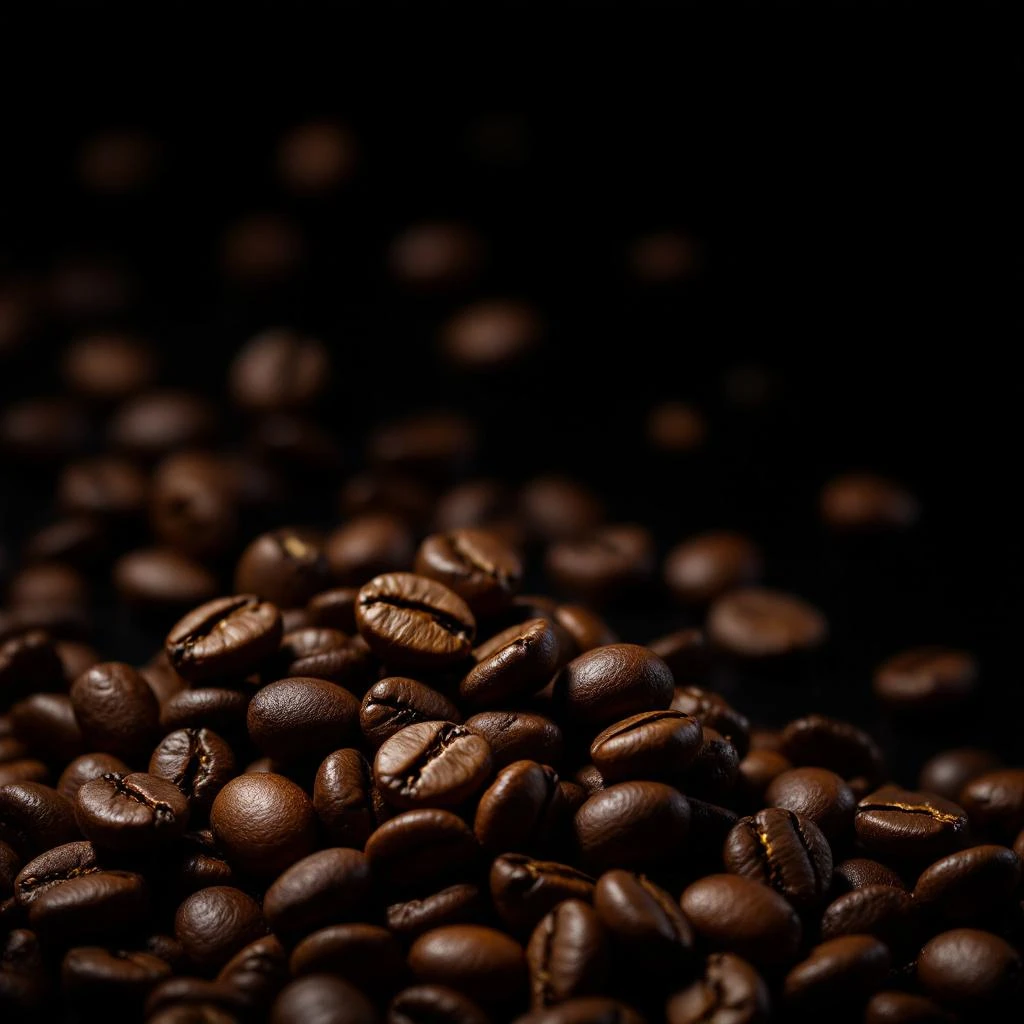
Caramelized Tonka Bean
The rainforest seed that transforms fragrance into something you want to eat. Caramelized tonka bean delivers a warm, sweet depth that has made it one of perfumery's most beloved base notes.
Character
How it smells
The seed that launched a thousand fougères
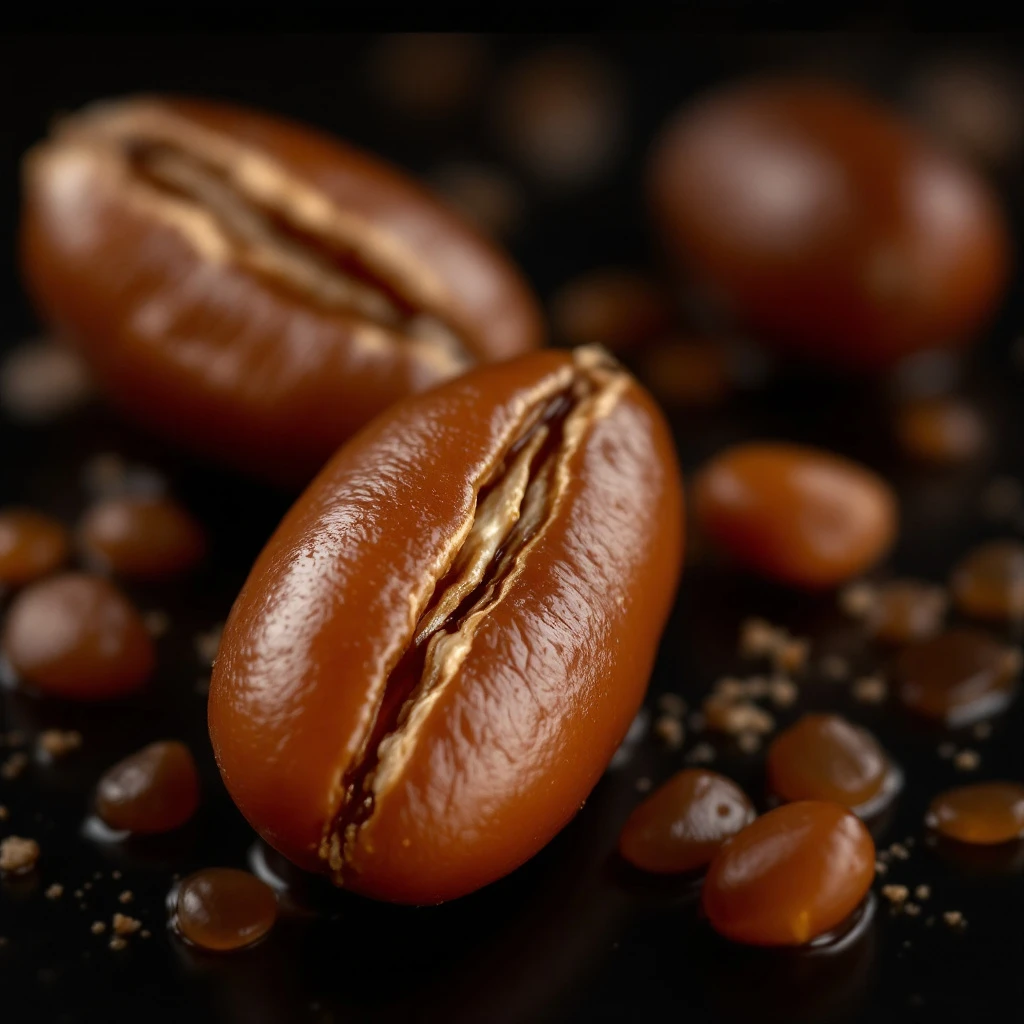
Traditional tonka bean curing involves soaking beans in rum for several days, allowing coumarin crystals to develop their signature sweet aroma.
Pairs beautifully with



Origin
Venezuela
Long before it became a perfumery staple, tonka bean served a simpler purpose: scenting cupboards. South American communities crushed dried beans into powder and tucked small sachets into closets and drawers. The practice predates modern fragrance by centuries.
In 1820, German chemist August Vogel isolated the compound responsible for that distinctive sweetness and named it coumarin, though he initially confused it with benzoic acid. French chemist Guillaume Couperu confirmed it later, giving coumarin its name. The discovery mattered because it explained why certain plants smelled sweet.
In 1868, British chemist William Henry Perkin synthesized artificial coumarin, making the ingredient commercially accessible for the first time. That innovation directly shaped the creation of Fougère Royal in 1882, which spawned an entirely new fragrance family. Today, coumarin appears in over 30 percent of all fragrances made, even as regulations restrict its use in food.
Wears it best
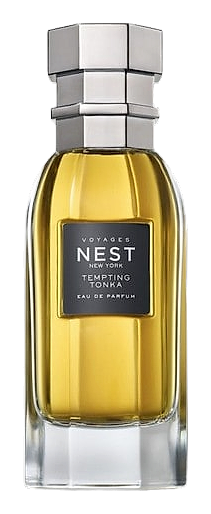
Fragrances featuring Caramelized Tonka Bean
Brands
Brands known for Caramelized Tonka Bean
Good to know
Questions, answered
The essentials on Caramelized Tonka Bean in perfumery: how it smells, where it comes from, and how it behaves on skin.
What does tonka bean smell like?
Tonka bean smells sweet, warm, and creamy with a distinct hay-like quality and subtle almond undertones. The signature sweetness comes from coumarin, a compound that gives tonka its recognizable character: comforting, slightly powdery, and deeply warm.
Is tonka bean safe to use in fragrance?
Yes, tonka bean is considered safe for cosmetic and fragrance use in most countries. The coumarin content in raw beans is higher than what regulations allow in food products, which is why the FDA restricts tonka as a food ingredient while permitting it in perfumes.
Why is tonka bean banned in food in the United States?
The FDA prohibits tonka bean as a food ingredient due to coumarin content. At high concentrations, coumarin may pose health concerns when consumed regularly. Trace amounts up to 2 parts per million are permitted as flavoring, but the whole bean remains restricted.
Why do perfumers favor tonka bean?
Tonka bean is prized as a base note that adds warmth, sweetness, and depth to fragrance compositions. It anchors top notes, extends wear time, and creates a creamy, inviting character. Perfumers turn to it for gourmand, oriental, and fougère constructions where that cozy sweetness matters.
Does "caramelized" mean the bean is actually caramelized?
Caramelized describes the sensory profile rather than an actual processing step. Traditional rum-curing and extended aging concentrate the beans natural sugars and coumarin, creating a richer, more complex aroma with caramel, tobacco, and vanilla-like facets.
How does tonka bean compare to vanilla in fragrance?
Tonka bean and vanilla share sweet warmth but differ in chemistry and character. Coumarin gives tonka a hay-like, slightly bitter almond edge that vanilla lacks. Vanillin provides a cleaner, more purely sweet creaminess. Many perfumers layer both for depth.
What is the historical significance of tonka bean?
Tonka bean played a direct role in creating the fougère fragrance family. After coumarin was isolated in 1820 and synthesized in 1868, perfumers could work with the compound at scale. Houbigant's Fougère Royal in 1882 became the archetype for an entirely new family of fragrances.
Where does tonka bean originate?
Tonka beans grow on the Dipteryx odorata tree found in the rainforests of Venezuela, Guyana, and Brazil. Venezuelan beans are particularly prized for their quality, and the traditional curing process developed in these regions remains largely unchanged today.