Frosted Lemon Peel
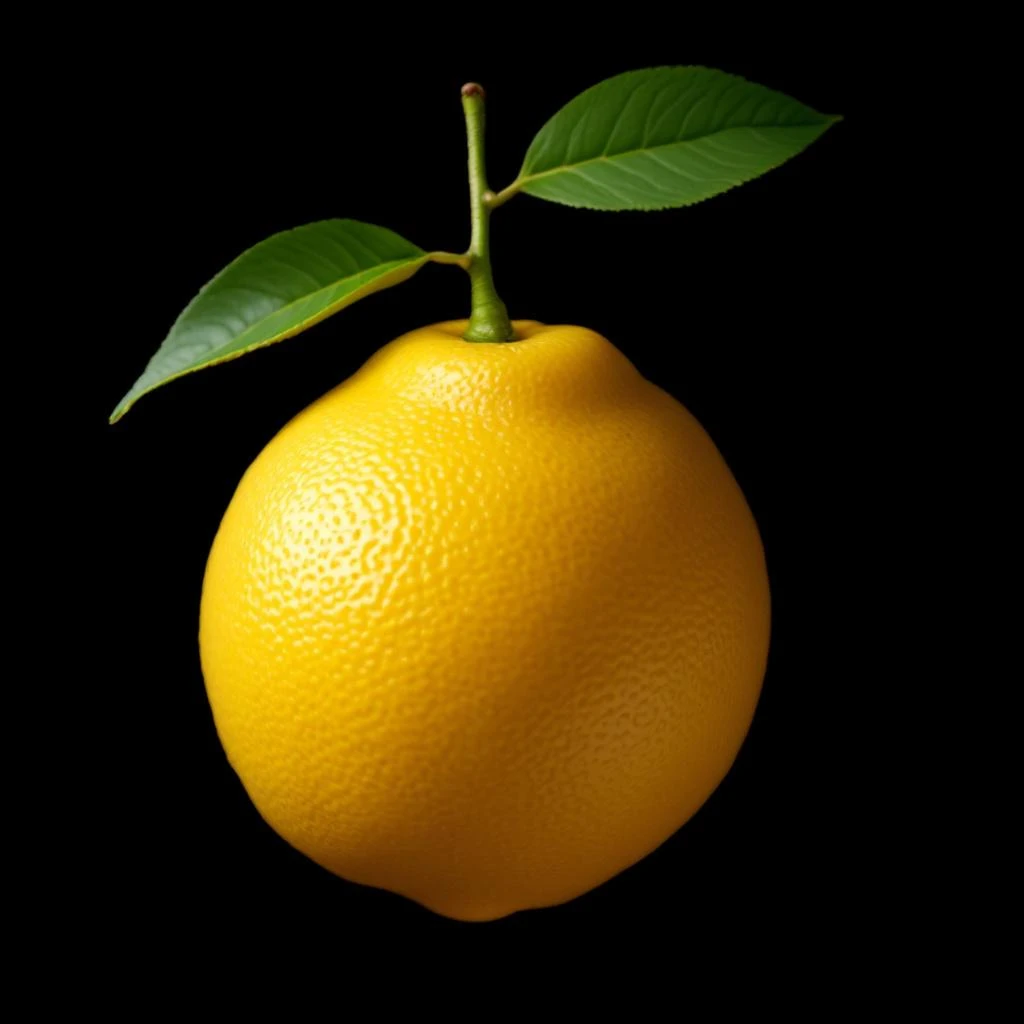
A frozen snap of citrus brightness. Frosted lemon peel captures the sharp, effervescent zest of lemon rind chilled to its crispest, cleanest edge.

Character
How it smells
Iced citrus. Pure electric zest.
Citrus limon likely originated in the Indo-Burmese region over 3,000 years ago before reaching Europe through Persia and the Middle East.
Pairs beautifully with


Origin
India
The lemon tree, Citrus limon, traces its ancestry to the Indo-Burmese region, with cultivation evidence stretching back over 3,000 years, possibly originating near Kashmir. Traders carried the fruit westward along ancient routes through Persia and the Middle East, eventually introducing it to the Mediterranean by the medieval period.
Sicily became the heart of European lemon cultivation, and by the early 19th century, the island had refined cold-press extraction specifically for citrus peel, a breakthrough that allowed perfumers to capture the fruit's volatile oils without the heat damage that steam distillation would cause. This Sicilian innovation coincided with the rise of Eau de Cologne and citrine perfumes, where lemon peel oil became a foundational top note.
The bright, ephemeral quality of citrus oils earned them a reputation as the opening act in fragrance composition, the first impression that draws the wearer in. Today, Spain and Italy remain the dominant producers, and cold-pressed lemon peel oil continues to anchor both fine fragrance and flavoring industries, a lineage stretching from ancient Asian orchards to modern perfumery labs.
Wears it best
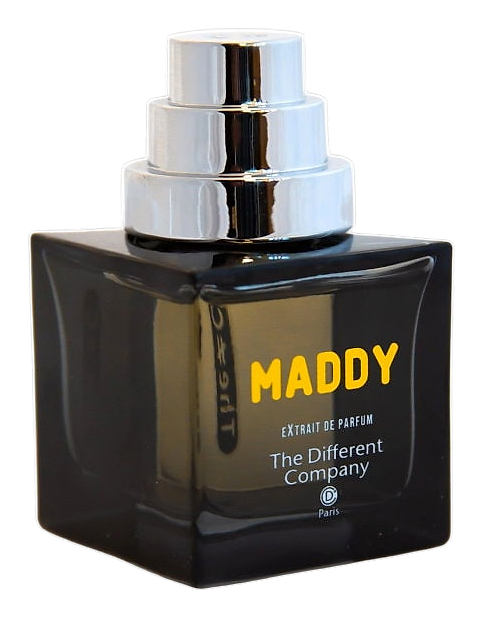
Fragrances featuring Frosted Lemon Peel
Brands
Brands known for Frosted Lemon Peel
Good to know
Questions, answered
The essentials on Frosted Lemon Peel in perfumery: how it smells, where it comes from, and how it behaves on skin.
What does frosted lemon peel smell like in perfume?
It smells like freshly zested lemon rind with a cool, almost mentholated edge. The frosted quality adds an icy brightness that sharpens the natural citrus character, making it more crystalline than standard lemon peel accords.
How is frosted lemon peel extracted for fragrance use?
Producers cold-press the outer peel of Citrus limon, a mechanical method developed in 19th-century Sicily. Cold pressing avoids heat, preserving limonene and citral compounds that give lemon its signature top-note brightness.
Where did lemon originally come from?
Lemon (Citrus limon) likely originated in the Indo-Burmese region, with some evidence pointing to Kashmir. It reached Europe through Persia and the Middle East before becoming a Mediterranean staple.
What is the difference between frosted lemon peel and regular lemon peel notes?
Frosted lemon peel adds a cooling sensation, either through menthol-like aroma compounds or post-harvest chilling of the peel. Regular lemon peel offers pure zesty brightness without that crisp, cold dimension.
Which country produces the most lemon peel oil for perfumery?
Sicily (Italy) and Spain lead global production of cold-pressed lemon peel oil. Sicily developed the cold-press expression technique in the 19th century specifically to capture citrus volatiles without thermal degradation.
Is frosted lemon peel a natural or synthetic ingredient?
The base material, lemon peel oil, is natural, extracted by cold-pressing real fruit. The frosted character may come from blending with synthetic cooling agents or from controlled-temperature processing of the raw peel.
What fragrance families use frosted lemon peel?
It appears most often in citrus, aromatic, and fresh fragrance families. Perfumers value it for opening accords in Eau de Cologne-style compositions, aquatic scents, and winter-citrus blends where icy brightness is desired.
How long does lemon peel oil last in a perfume?
Lemon peel oil is extremely volatile and typically evaporates within 15-30 minutes on skin. It functions as a top note, delivering the first impression before giving way to heart and base ingredients.