Madeleine
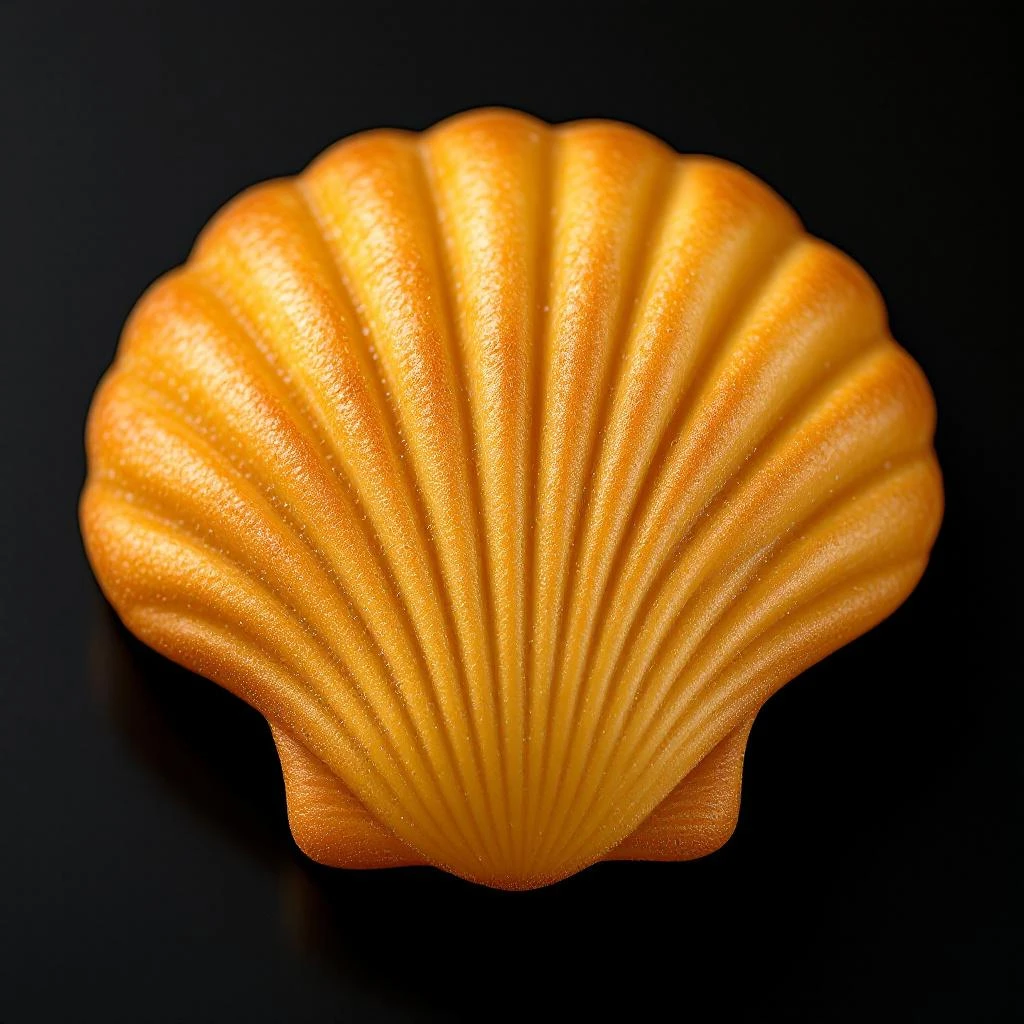
Madeleine is a nostalgic fragrance concept inspired by the almond cake of French literary fame. In perfumery, it translates to a warm, powdery character combining almond, vanilla, and honeyed notes that evoke comfort and intimate memory. Perfumers construct this effect through carefully balanced accords rather than a single ingredient.
Character
How it smells
A warm confection of memory, where almond meets vanilla.
Marcel Proust famously described a Madeleine cake triggering an involuntary memory, giving perfumers a name for scent-triggered nostalgia itself.







Origin
France
The Madeleine's entry into fragrance culture begins with Marcel Proust's 1913 novel, where tasting a tea-dipped Madeleine cake unlocked involuntary childhood memories. This episode became one of literature's most analyzed passages, reframing smell as a gateway to subjective time.
French perfumers, operating in a culture that treats food and fragrance as intertwined arts, soon adopted the term. By the mid-20th century, perfume houses in Grasse began referencing Madeleine openly, recognizing that consumers craved comfort scents during periods of social upheaval.
The ingredient concept represents a broader shift in perfumery: from materials that simply smell pleasant to materials that tell stories. Today, Madeleine persists as a shorthand for warmth, memory, and the edible register, appearing in dozens of commercially available fragrances without a standardized definition.
Wears it best
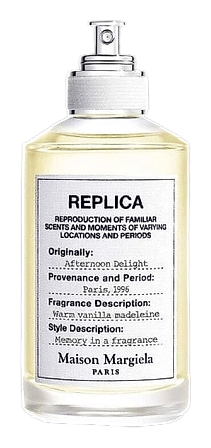
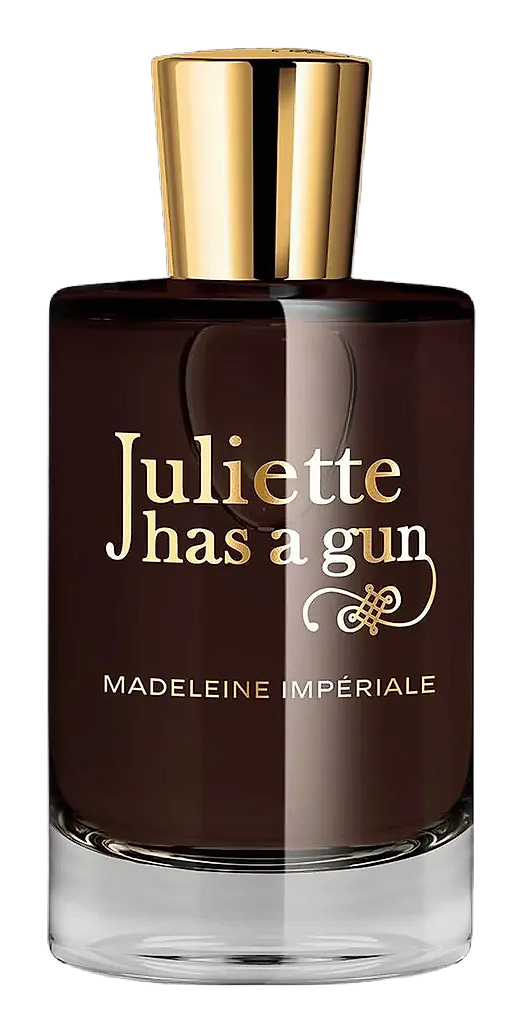
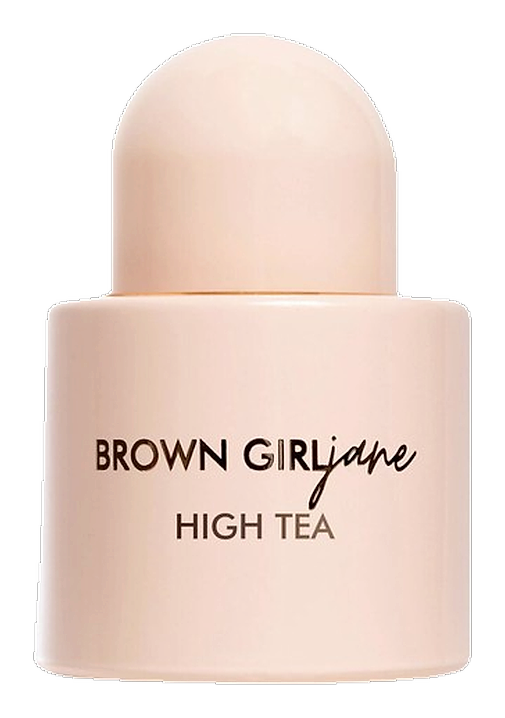
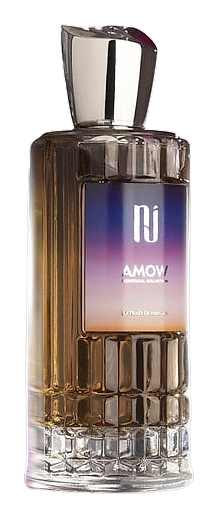
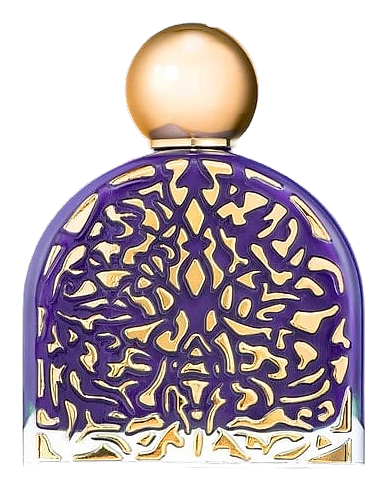
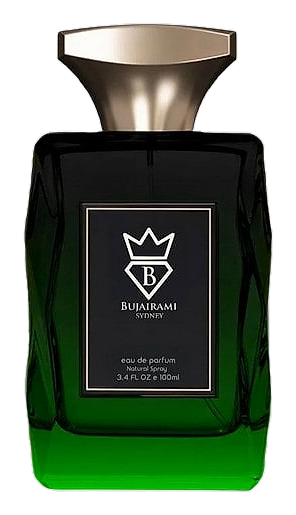
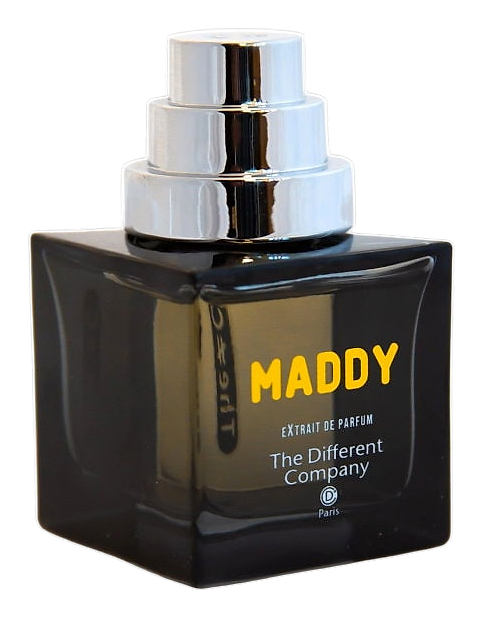
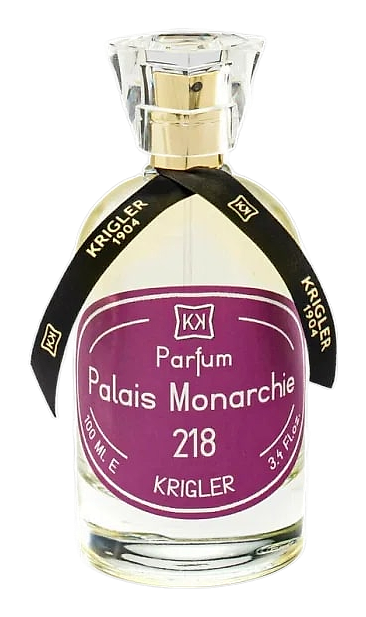
Fragrances featuring Madeleine
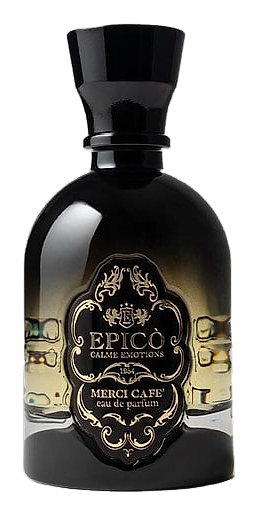
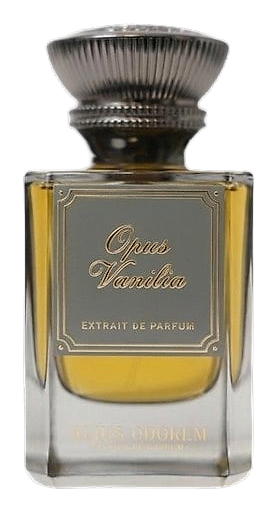
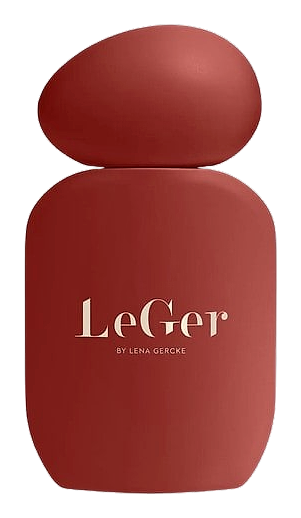
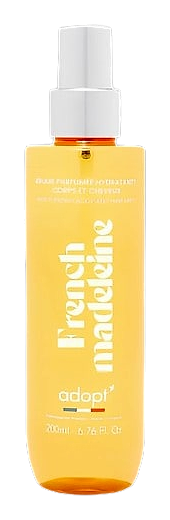
Brands
Brands known for Madeleine
Good to know
Questions, answered
The essentials on Madeleine in perfumery: how it smells, where it comes from, and how it behaves on skin.
What does Madeleine smell like in perfume?
Madeleine smells like warm almond cake with powdery, honeyed, and vanilla undertones. It reads as edible and comforting, designed to evoke memory rather than a specific botanical source. The effect is soft yet persistent in the heart-to-base range.
Why is Madeleine used in perfumery?
Perfumers use Madeleine to trigger emotional resonance and comfort. Inspired by Proust's famous memory passage, it serves as a narrative device that makes fragrances feel personal and nostalgic. Consumers respond strongly to this warm, familiar quality.
Is Madeleine in perfume natural or synthetic?
Madeleine is neither fully natural nor fully synthetic. It is an accord, meaning perfumers construct it from multiple ingredients, some natural (vanilla absolute, benzoin resin) and some synthetic (heliotropin, coumarin). This hybrid approach lets perfumers control its character precisely.
What famous perfumes contain Madeleine?
Maison Lancôme's Magnifique (2004) and Serge Lutens' Mandarine Lao are often cited for their Madeleine-like warmth. Blue Madeleine by Atelier des Ors and Villa Primerose by Houbigant also reference the concept explicitly. The note appears across niche and heritage houses.
Is Madeleine a top note, heart note, or base note?
Madeleine functions primarily as a heart-to-base note in most fragrances. Its vanilla and resin components release slowly, giving the impression of memory unfolding over time rather than arriving abruptly. Top-note exposure is brief if present at all.
What notes pair well with Madeleine in perfume?
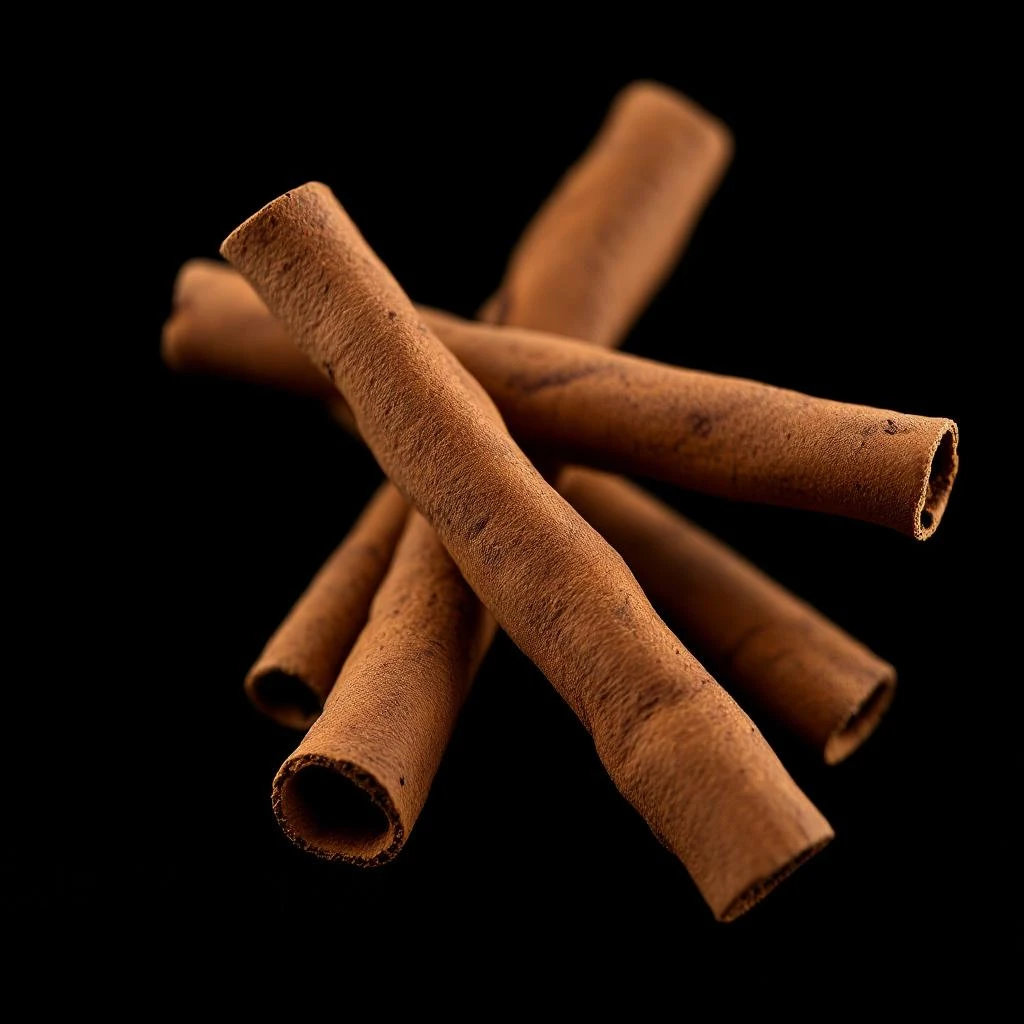
Madeleine pairs naturally with iris, tonka bean, heliotrope, and benzoin. For lighter interpretations, perfumers add orange blossom or white musk. Heavier pairings might include sandalwood or amber, deepening the nostalgic warmth.
How is Madeleine extracted?
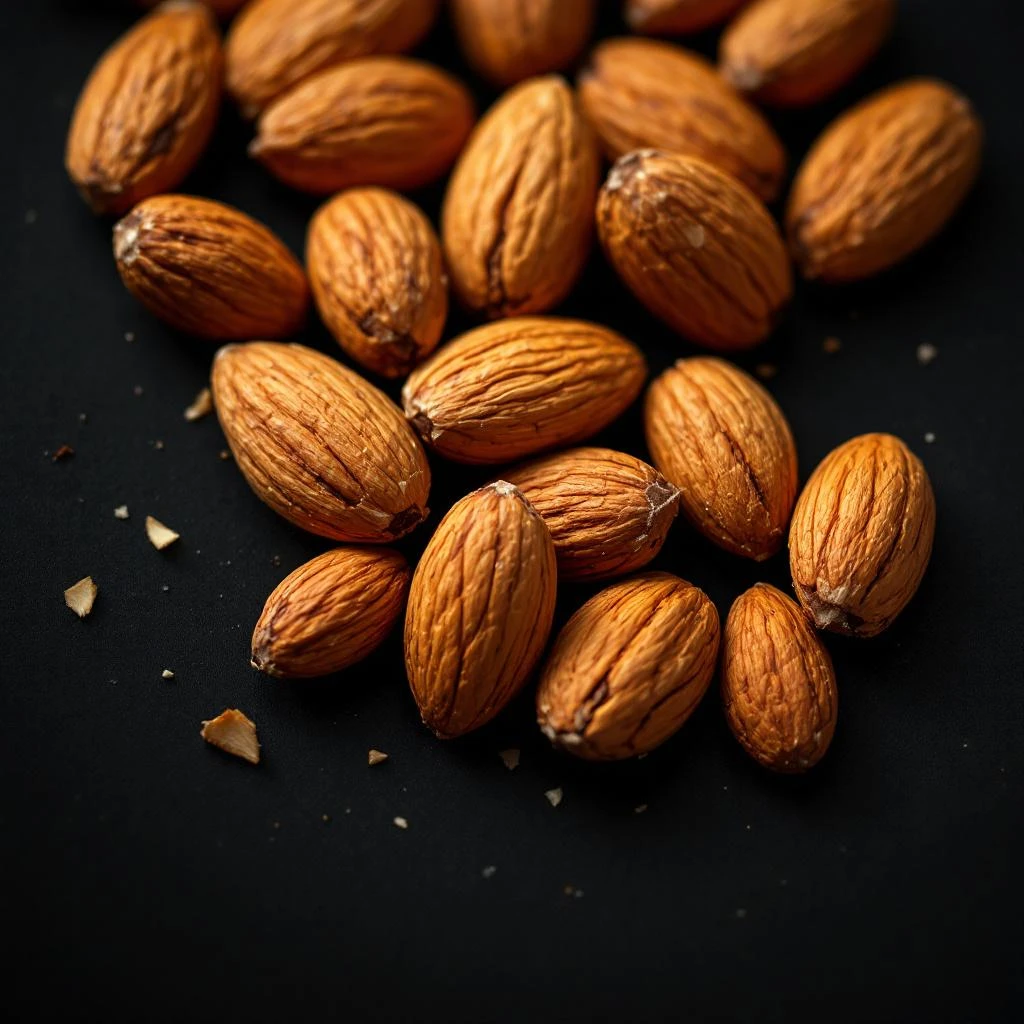
Madeleine is not extracted from a single plant. Perfumers build it from individually extracted materials including benzoin resin (solvent extraction), vanilla absolute (solvent extraction), and bitter almond oil (cold pressing or steam distillation). The accord is then composed in a laboratory.
Is Madeleine used in men's or women's fragrances?
Madeleine appears in both men's and women's fragrances, though its frequency skews toward women's and unisex compositions. Its comfort and powdery warmth suit modern gender-neutral perfumery, and men's designers have incorporated it into orientals and fougères since the 1990s.