Frosted Jasmine
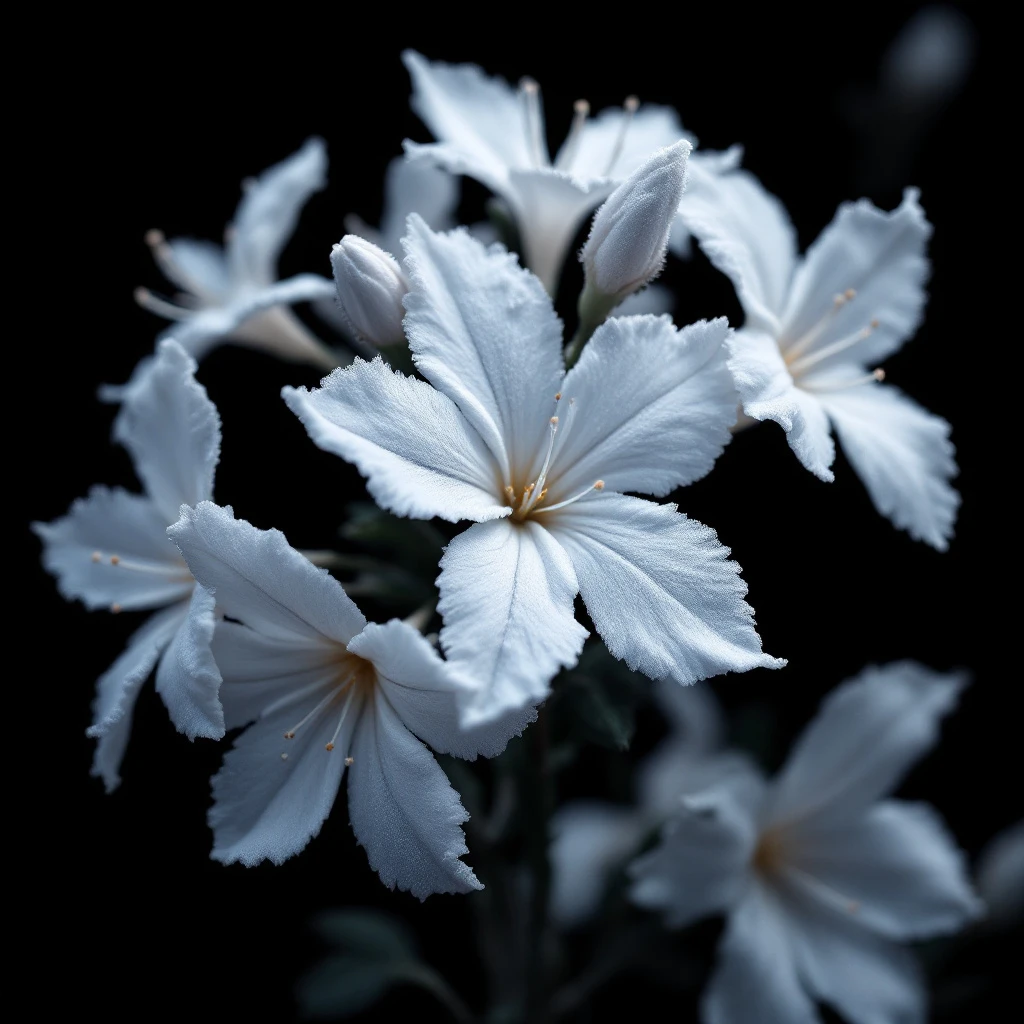
Frosted Jasmine captures the intoxicating warmth of jasmine petals with a crystalline coolness that elevates the classic floral into something extraordinary. This ingredient bridges sun-drenched gardens and winter air, creating a scent that feels both immediate and timeless.
Character
How it smells
Jasmine with a cool, luminous edge.
Harvesting jasmine requires hand-picking at dawn when the flowers release their strongest fragrance compounds, before the sun warms the petals and alters their delicate oils.




Origin
India
Jasmine has perfumed human civilization for over two millennia. Persian cultures first cultivated the flower around 2,000 years ago, using it in sacred rituals and early cosmetics. Egyptian perfumers adopted jasmine by the first millennium BCE, incorporating it into unguents reserved for ceremonial purposes.
The Spanish jasmine variety, Jasminum grandiflorum, originated in the Himalayan foothills of Nepal before traveling along trade routes to Europe in the 17th century. French perfumers in Grasse built their reputation largely on jasmine cultivation during the 18th and 19th centuries, establishing extraction techniques that modern perfumery still references. Today, jasmine production centers on Egypt, India, and Morocco, where traditional knowledge meets contemporary quality standards.
Frosted Jasmine represents a refinement of these ancient practices, honoring jasmine's rich heritage while meeting modern sensory expectations.
Wears it best
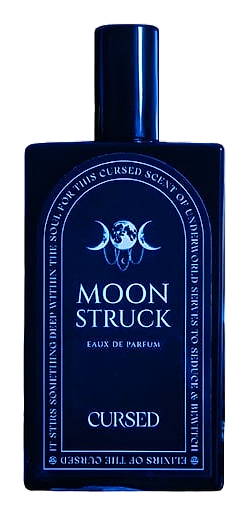
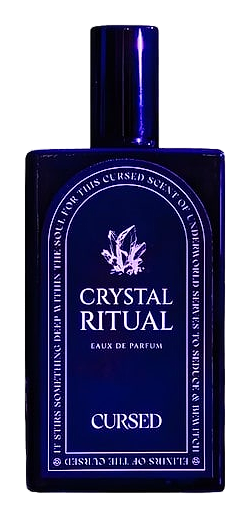
Fragrances featuring Frosted Jasmine
Brands
Brands known for Frosted Jasmine
Good to know
Questions, answered
The essentials on Frosted Jasmine in perfumery: how it smells, where it comes from, and how it behaves on skin.
What does Frosted Jasmine smell like?
Frosted Jasmine opens with the classic indolic warmth of jasmine, followed by a cool, almost translucent quality that recalls morning frost on petals. The combination creates a sensual yet airy character unlike standard jasmine absolutes.
Is Frosted Jasmine natural or synthetic?
Frosted Jasmine is a natural jasmine absolute that has undergone specialized cold-processing. The frost-like quality comes from how the extraction and maturation preserve certain aromatic compounds, not from synthetic additives.
How much jasmine is needed to produce this ingredient?
Approximately 1,000 jasmine blossoms yield a single fluid ounce of jasmine absolute. Frosted Jasmine maintains this intensive ratio, requiring hand-harvesting of blossoms at dawn when oil concentration peaks.
What makes Frosted Jasmine different from regular jasmine absolute?
Standard jasmine absolute emphasizes warm, honeyed floral notes. Frosted Jasmine retains those qualities while adding a crystalline coolness through controlled temperature processing during maturation, creating contrast within the same ingredient.
Which fragrance families pair well with Frosted Jasmine?
Frosted Jasmine complements white florals like tuberose and gardenia, where it adds luminosity. It also bridges floral and fresh-water accords, working well alongside marine notes and crisp green materials.
What extraction method does Frosted Jasmine use?
The process uses solvent extraction followed by cold-processing refinement. This approach captures the complete aromatic spectrum of jasmine while preserving volatile compounds that create the distinctive frost-like character.
Where does the jasmine for Frosted Jasmine originate?
Primary sourcing comes from Indian jasmine farms, where Jasminum grandiflorum thrives in the warm climate. Indian jasmine production has grown substantially, now competing with traditional centers in Egypt and Morocco.
Does Frosted Jasmine contain any synthetic molecules?
Frosted Jasmine contains no added synthetic fragrance molecules. The cool quality emerges from natural aromatic compounds preserved through the specialized extraction and maturation process, not from artificial enhancement.




