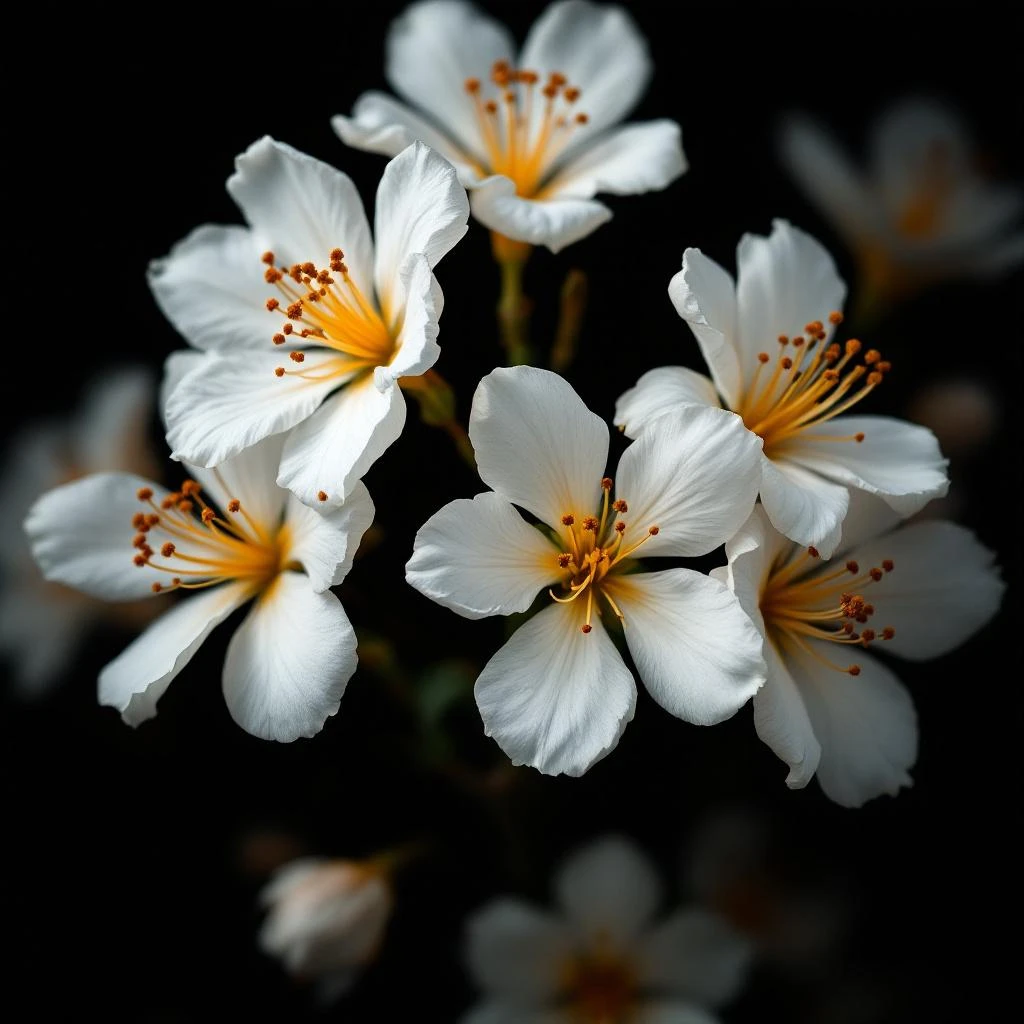
Frosted Bergamot
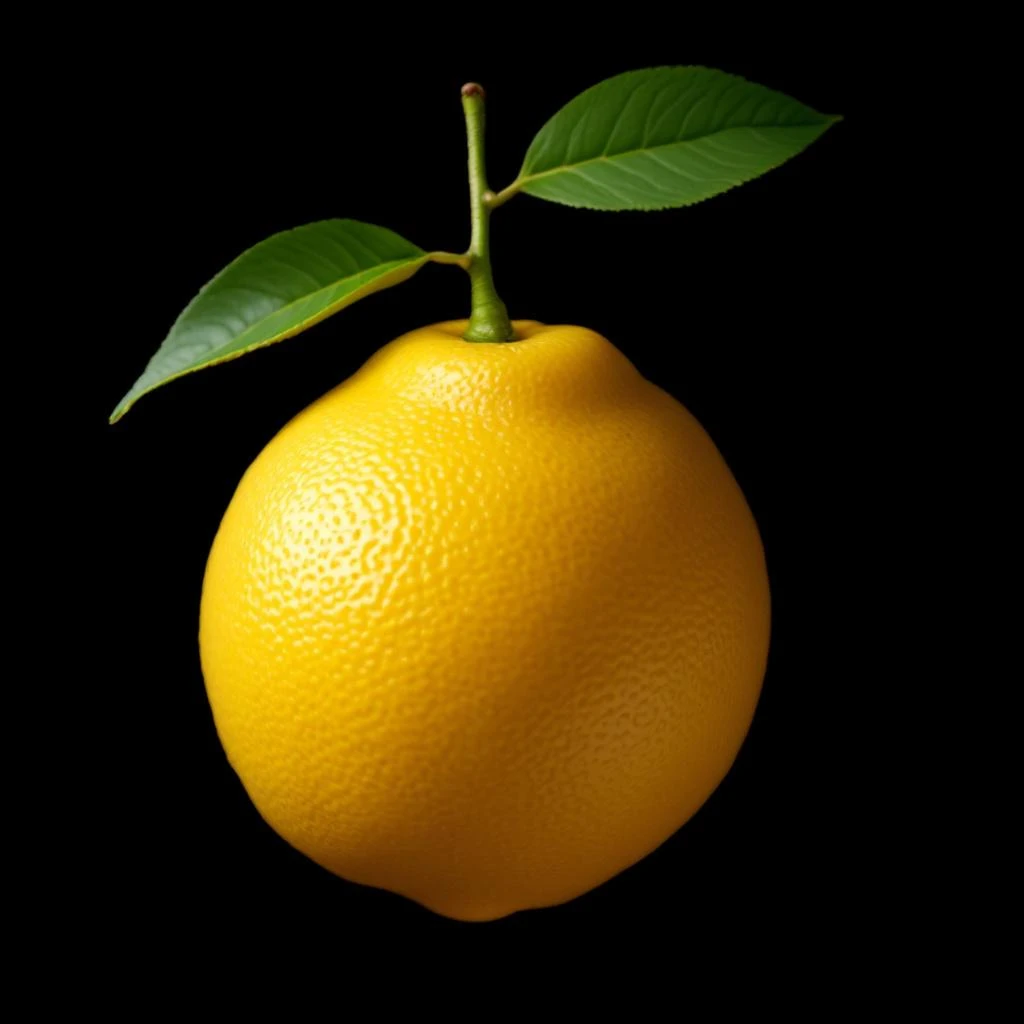
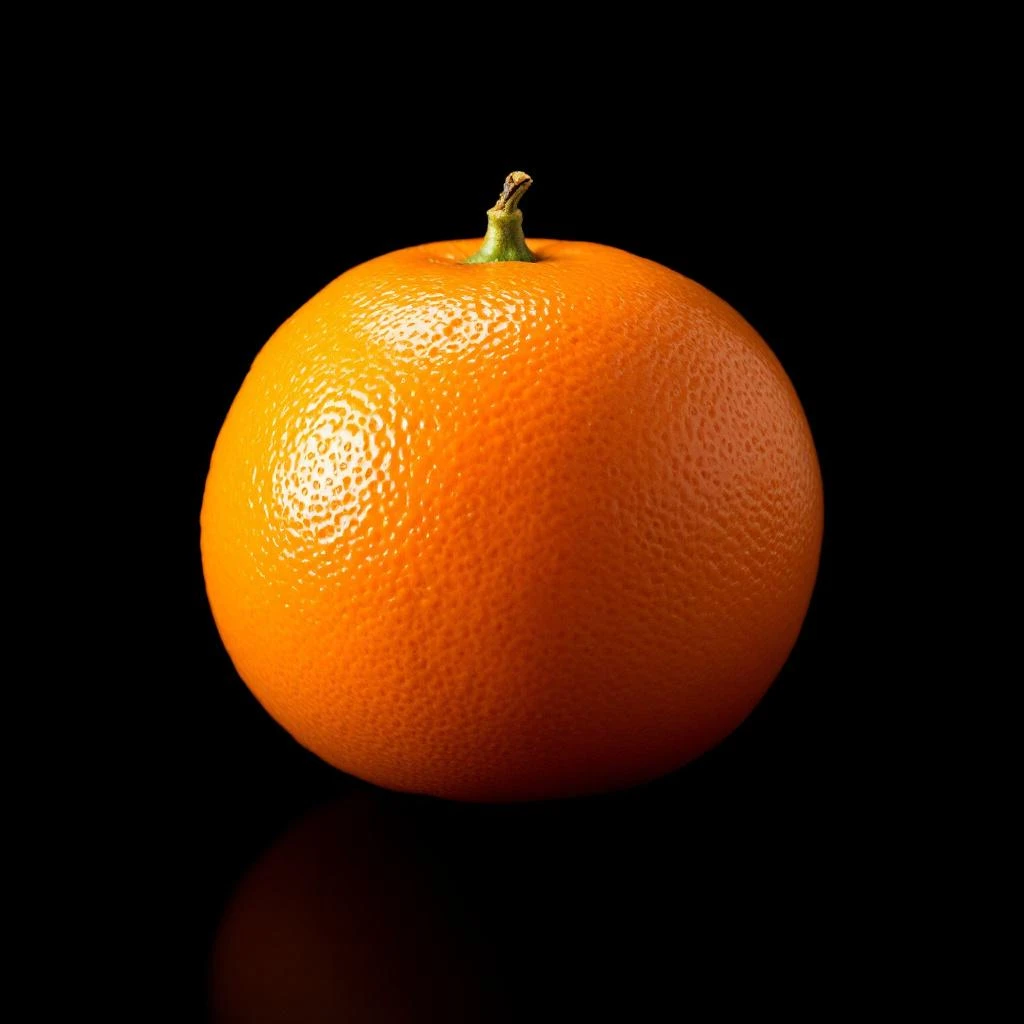
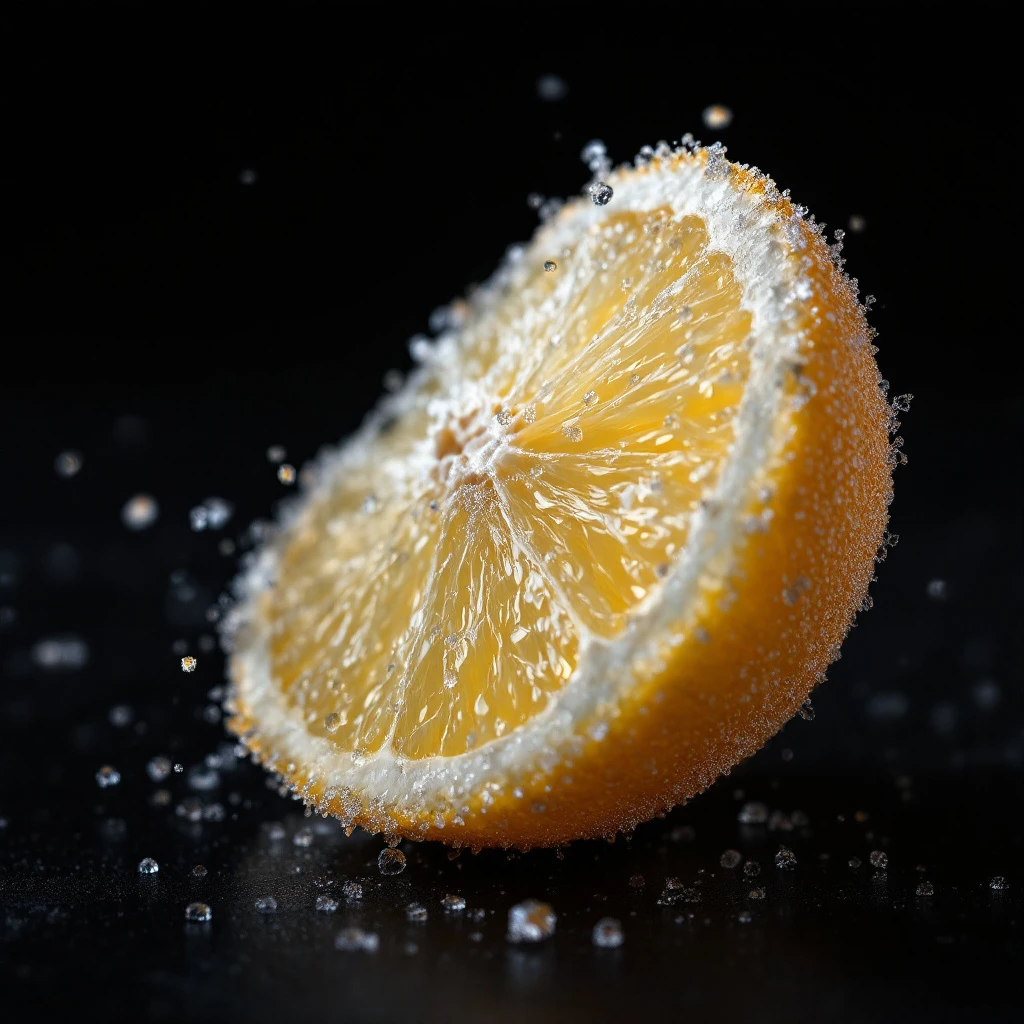
Bergamot chilled to crystalline clarity. This interpretation captures the sun-drenched citrus of Calabrian groves then suspends it in a moment of unexpected coolness, creating a sparkling top note that feels both familiar and mysteriously fresh.
Character
How it smells
Citrus clarity with an unexpected chill.
Bergamot fruit takes nearly a year to ripen on the tree, spending months developing the aromatic compounds that perfumers prize most.



Origin
Italy
Bergamot traces its lineage to Southeast Asia, where Citrus species first emerged in the wild regions spanning northeast India, Myanmar, and southern China. The citrus trade eventually carried specimens westward.
By the 17th century, Calabrian artisans in southern Italy had mastered cultivation of this particular citrus, transforming bergamot into small decorative boxes carved from the fruit's fragrant peel. These bergamots became luxury goods traded throughout Europe.
The Calabrian region, with its unique microclimate along the Ionian coast, proved ideal for cultivation, producing a bergamot with a more floral, complex character than other growing regions. Today, the small town of Reggio Calabria remains the world's primary source of genuine bergamot oil, an ingredient that has defined Italian perfumery for centuries.
Wears it best
Fragrances featuring Frosted Bergamot
Brands
Brands known for Frosted Bergamot
Good to know
Questions, answered
The essentials on Frosted Bergamot in perfumery: how it smells, where it comes from, and how it behaves on skin.
What does Frosted Bergamot smell like?
Frosted Bergamot opens with bright, sparkling citrus that feels cooler and more atmospheric than standard bergamot. It captures the fruit's floral-limonene character while introducing a crisp, crystalline quality reminiscent of cold morning air on a citrus grove.
Is Frosted Bergamot a natural or synthetic ingredient?
It combines real bergamot essential oil with aromatic compounds that create the cooling effect. The base material is natural bergamot from Calabrian fruit, enhanced with aromatic agents that achieve the distinctive frosted character.
Where does the bergamot in this ingredient originate?
The bergamot base comes from Calabria, Italy, where citrus farmers have cultivated the fruit for over 600 years. The Ionian coastal region produces bergamot with a distinctive floral quality prized by perfumers worldwide.
How is the frosted effect achieved in perfumery?
Perfumers use aromatic cooling agents alongside bergamot oil. These compounds trigger the same sensory receptors activated by menthol, creating a sensation of coolness on the skin without actual temperature change.
What fragrance families pair well with Frosted Bergamot?
It works beautifully in aquatic, aromatic, and citrus-based compositions. The cooling quality also complements green fragrances, adding freshness that lasts longer than standard citrus notes.
Does Frosted Bergamot perform differently than regular bergamot?
The frosted interpretation extends the citrus note's evolution. While standard bergamot can evaporate quickly, the cooling compounds slow olfactory perception, giving the top note greater presence and longevity.
What makes Calabrian bergamot special for perfumery?
Calabrian bergamot contains higher concentrations of linalyl acetate than other varieties, giving it a distinctly floral, slightly sweet character that distinguishes it from standard lemon or orange oils.
Can Frosted Bergamot be used in natural perfumery?
The ingredient depends on aromatic compounds beyond traditional cold-pressed oil, making it a hybrid creation rather than a purely natural material. Those seeking 100% natural fragrances should look for straight cold-pressed bergamot instead.