Fresh Spice
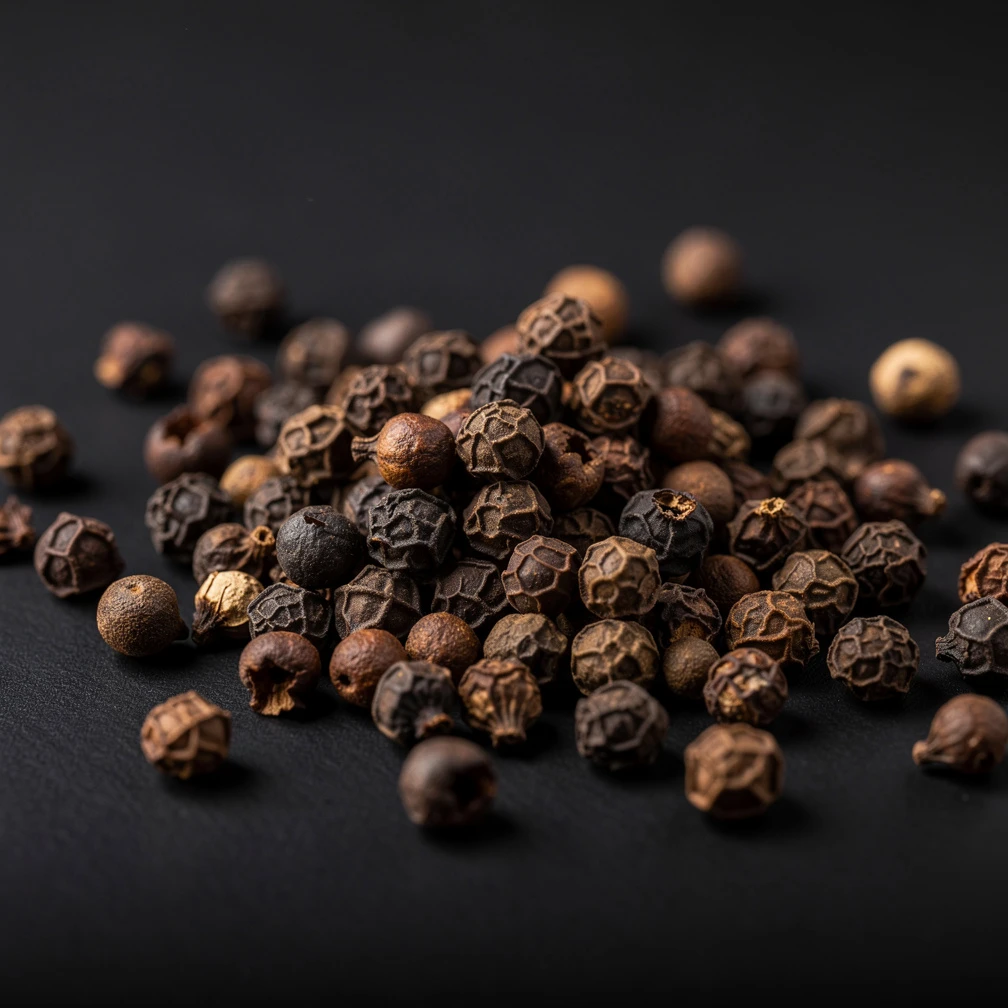
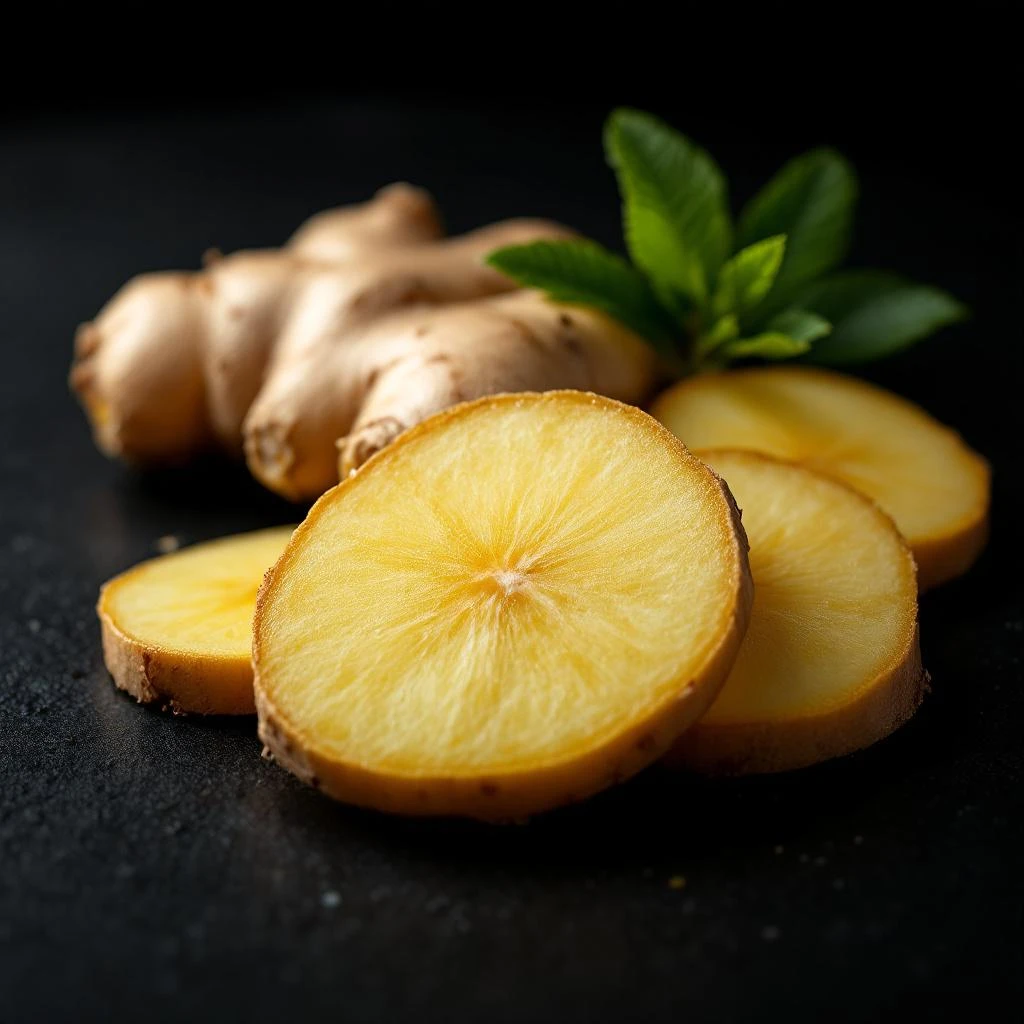
Fresh spices bring an immediate spark to fragrance, capturing the bright, energizing character of just-harvested peppercorns, cardamom, and ginger. These volatile aromatics burst onto the skin with clarity and lift, making them indispensable in modern perfumery.
Character
How it smells
The bright, volatile aromatics that spark a fragrance to life.
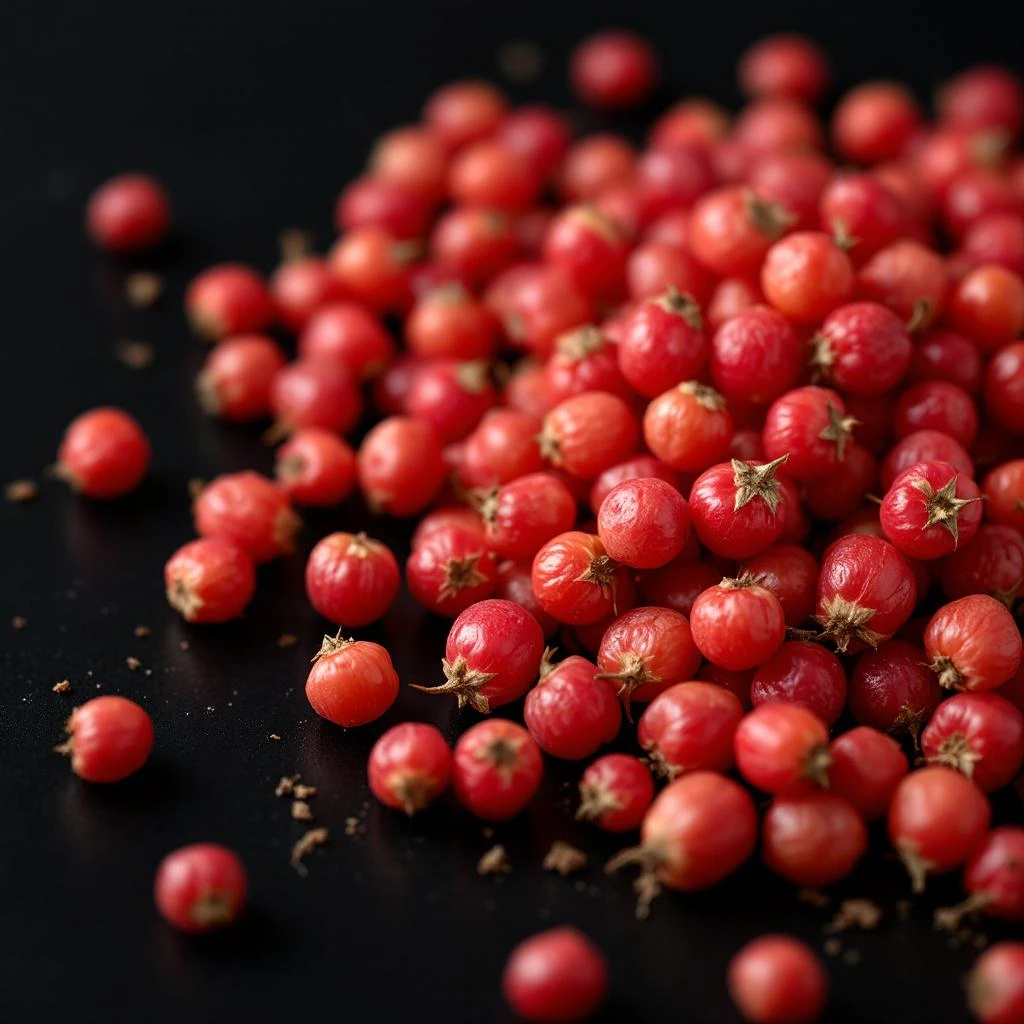
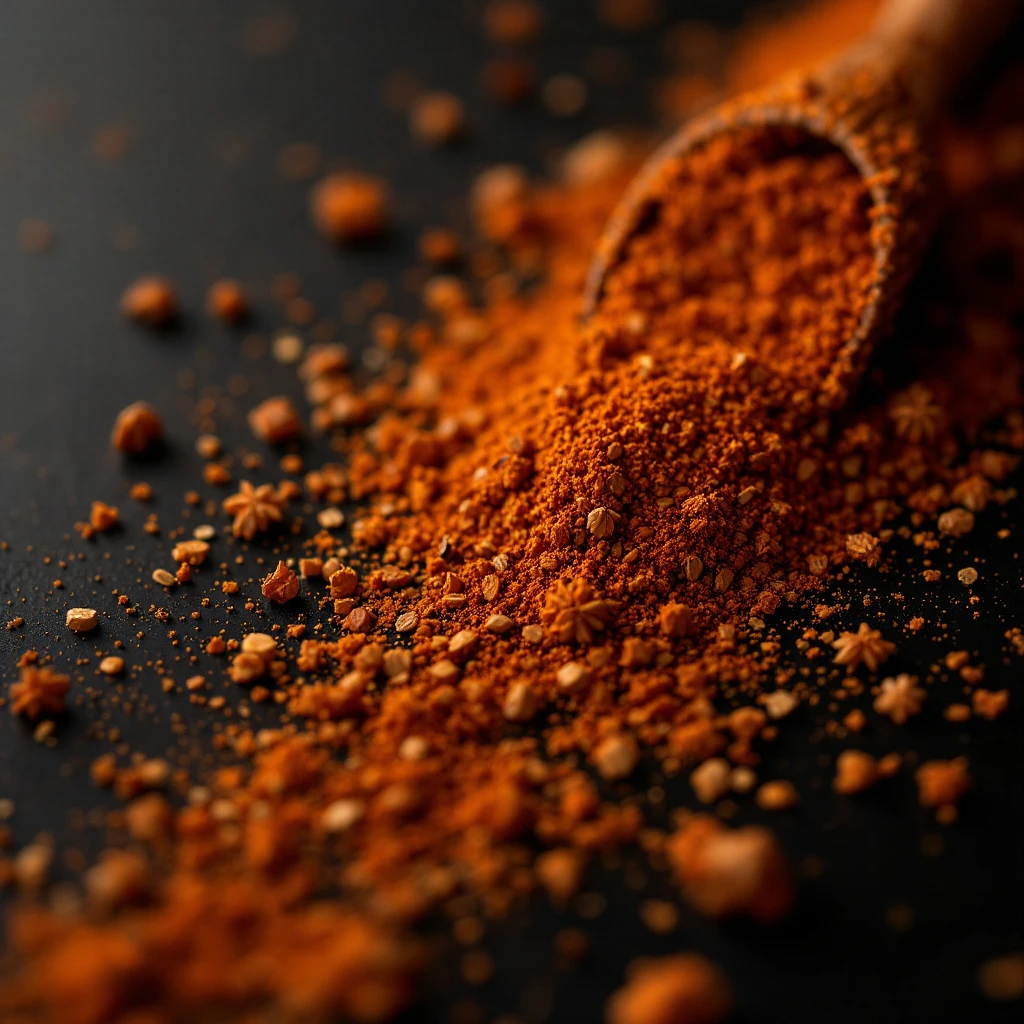
Pink peppercorns are not true pepper; they come from Schinus molle, the Brazilian pepper tree, and their oil contains up to 90% monoterpenes.







Origin
Varied (India, Brazil, Sri Lanka)
Spice trade routes shaped civilizations across three continents for millennia, but the use of fresh, bright spice notes in perfumery is a relatively modern innovation. While ancient Egyptians and Mesopotamians favored heavy resinous and herbal preparations, Arab physicians who developed distillation in the 12th century began isolating the volatile components that give fresh spices their characteristic spark. The distinction between warm, ambery spices and these more volatile aromatics emerged clearly only in the 20th century as perfumers gained access to a broader palette and consumers developed appetite for lighter, more energizing fragrances.
Wears it best
Fragrances featuring Fresh Spice
Brands
Brands known for Fresh Spice
Good to know
Questions, answered
The essentials on Fresh Spice in perfumery: how it smells, where it comes from, and how it behaves on skin.
What defines a fresh spice in perfumery?
Fresh spices are aromatic materials with high volatility that create immediate, bright sensations on application. Unlike warm spices that develop slowly, fresh spices deliver their character instantly and tend to evaporate within hours. This volatile nature comes from their concentration of monoterpenes and light aldehydes.
Which ingredients fall under the fresh spice category?
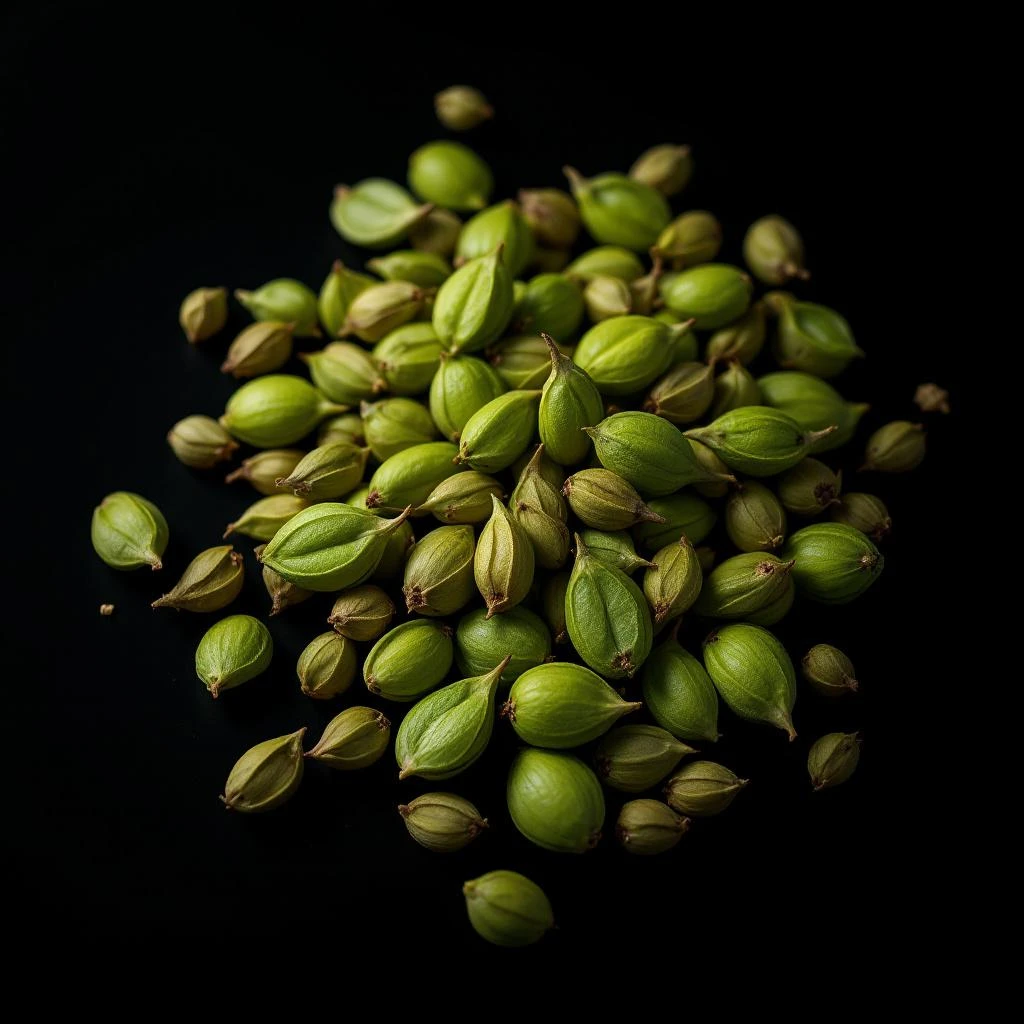
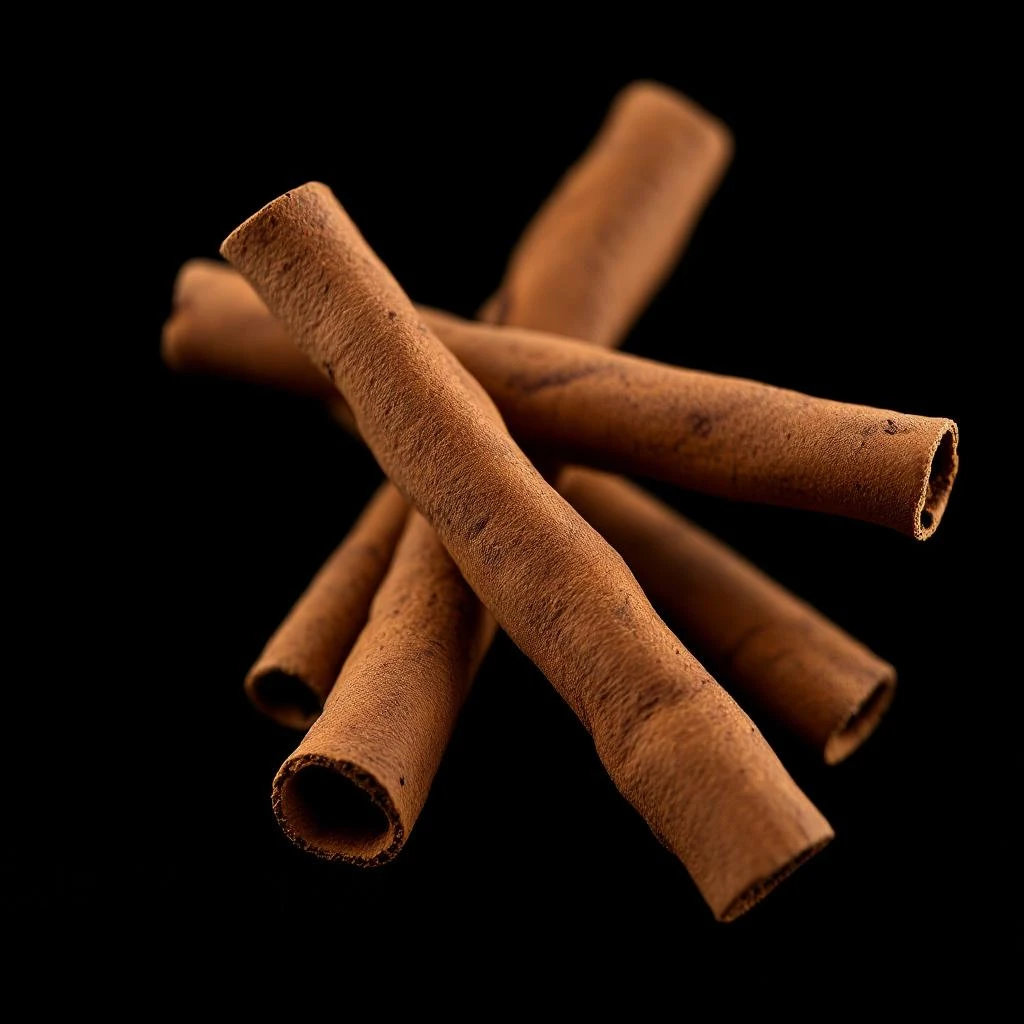
Common fresh spices include pink pepper, cardamom, ginger, coriander seed, and juniper berry. These materials share a quality of brightness and clarity rather than the deep, resinous warmth of cinnamon or clove. Each brings distinct character: cardamom offers eucalyptine coolness, while ginger provides citrus-adjacent heat.
How do fresh spices function in fragrance composition?
Perfumers use fresh spices primarily as top and heart notes to create immediate impact and transition. They bridge citrus and floral elements with base notes, preventing formulas from feeling disjointed. Their volatility also means they open a fragrance's narrative before heavier materials reveal themselves.
Are fresh spices natural or synthetic materials?
Most fresh spices exist as natural extracts, but synthetic alternatives exist for consistency and sustainability. Natural pink pepper oil captures complex nuance that replacers often miss. Synthetic substitutes for ginger or cardamom provide perfumers reproducible options when natural supply fluctuates.
Which extraction methods preserve fresh spice qualities best?
CO2 supercritical extraction and cold pressing maintain fresh spice integrity better than heat-dependent methods. These low-temperature processes protect fragile monoterpenes and aldehydes that define bright, volatile character. Steam distillation remains standard for cardamom and coriander, though fractional approaches isolate specific aromatic windows.
How long do fresh spice notes typically last on skin?
Fresh spice materials generally persist for two to four hours before fully evaporating. Pink peppercorns and cardamom represent the longer-lasting end of this category, while ginger and citrus-tinged spices may fade within ninety minutes. Their fleeting nature makes them effective top notes but limits their role as dominant scent elements.
Which fragrance families incorporate fresh spices most prominently?
Fresh spices appear heavily in aromatic and fougere fragrances, where they partner with herbs like lavender and sage. Chypre and modern woody fragrances also employ them for their bridging qualities. Citrus-forward and green compositions use fresh spices to add complexity without heavy warmth.
Do fresh spices trigger skin reactions more than other materials?
Some fresh spices, particularly cinnamon and cassia, contain compounds like cinnamaldehyde that cause sensitivity. Pink pepper and cardamom rank among the milder options, suitable for formulations targeting sensitive skin. Regulatory bodies require allergen declarations for specific compounds found in certain fresh spices, including linalool derivatives.