Conifer
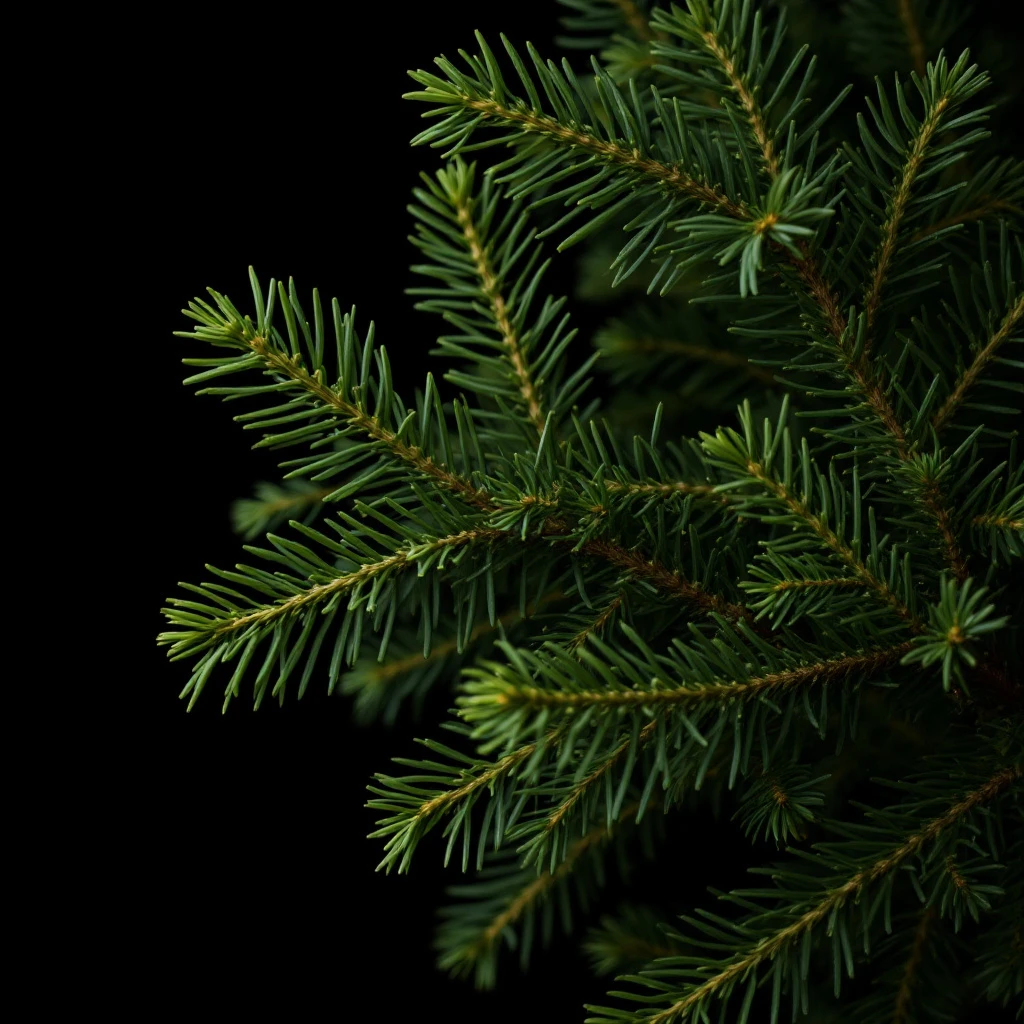
Conifer essential oils capture the essence of evergreen forests in a bottle. From the sharp freshness of Siberian fir to the warm depth of Atlas cedar, these resinous notes form the backbone of countless iconic fragrances.
Character
How it smells
Resinous, fresh, forest-inspired
The turpentine-like scent of pine distilling was so prized in nineteenth-century America that it became one of the first commercially traded essential oils.









Origin
Canada
Conifer resins have served sacred and medicinal purposes for millennia. Ancient Egyptians and Phoenicians traded pine and cedar resins across the Mediterranean, while Greek physicians documented the respiratory benefits of fir and spruce vapors.
By the 1840s, American turpentine production became industrialized, supplying perfumery with consistent raw materials. French and German perfume houses adopted conifer oils during the late 1800s, weaving them into fougère and chypré bases that defined masculine fragrance for generations.
The 1960s green fragrance movement reframed conifer notes as modern and unisex, not masculine. Today, synthetic alternatives complement natural extracts, giving perfumers access to stable, sustainable options without compromising the forest character that has shaped perfumery since its origins.
Wears it best
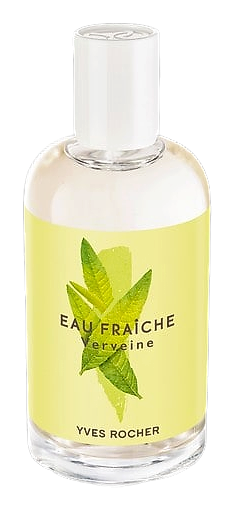
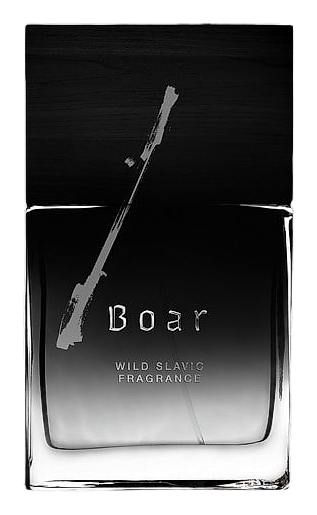
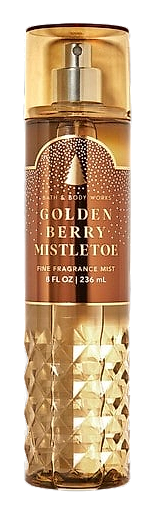
Fragrances featuring Conifer
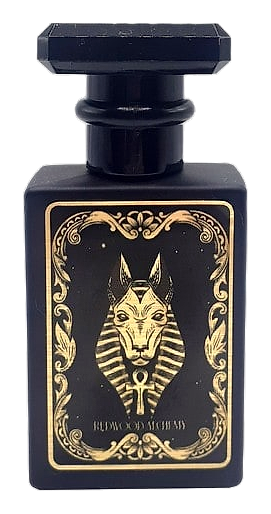
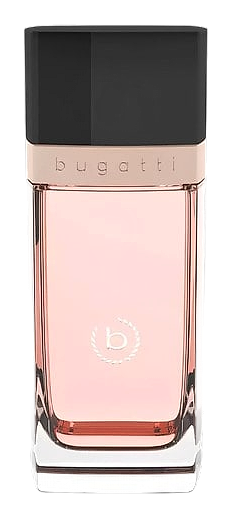
Brands
Brands known for Conifer
Good to know
Questions, answered
The essentials on Conifer in perfumery: how it smells, where it comes from, and how it behaves on skin.
What are conifer notes in perfumery?
Conifer notes come from evergreen trees like pine, fir, spruce, cedar, and cypress. They provide fresh, resinous, and woody characteristics that anchor masculine and unisex fragrances.
How are conifer essential oils extracted?
Steam distillation is the primary method, with yields of 0.3-2% depending on species. CO2 extraction produces heavier, more resinous extracts with superior shelf stability.
What does conifer smell like?
The scent varies by species. Pine offers sharp turpentine freshness. Cedar provides warm, woody sweetness. Fir and spruce deliver crisp, slightly citrus evergreen character.
Which famous fragrances feature conifer notes?
Versace Eros features pine and cedar over mint and vanilla. Bleu de Chanel uses conifer as a chypré anchor. Mugler A*Men incorporates cedar for oriental masculinity.
Are conifer ingredients natural or synthetic?
Both exist. Natural conifer oils come from steam distillation. Synthetic alternatives like camphene and bornyl acetate replicate conifer scent profiles at lower cost.
What pairs well with conifer notes?
Conifer notes pair naturally with citrus for freshness, amber for warmth, and lavender for classic fougère structures. Avoid pairing with heavy florals that clash with evergreen character.
How long do conifer notes last on skin?
Conifer oils typically last 4-6 hours as heart notes. Cedarwood and heavier conifer extracts extend wear to 8+ hours depending on fragrance concentration.
Are there safety concerns with conifer ingredients?
Most conifer oils require dilution before skin application. Some species contain allergens like limonene and must be declared on ingredient labels per IFRA standards.