Freesia Petals
Freesia petals deliver a crisp, dewy sweetness with a green undertone rarely found in nature. This South African native rose relative sits at the heart of dozens of modern florals. Discover what makes it one of perfumery's most used ingredients.
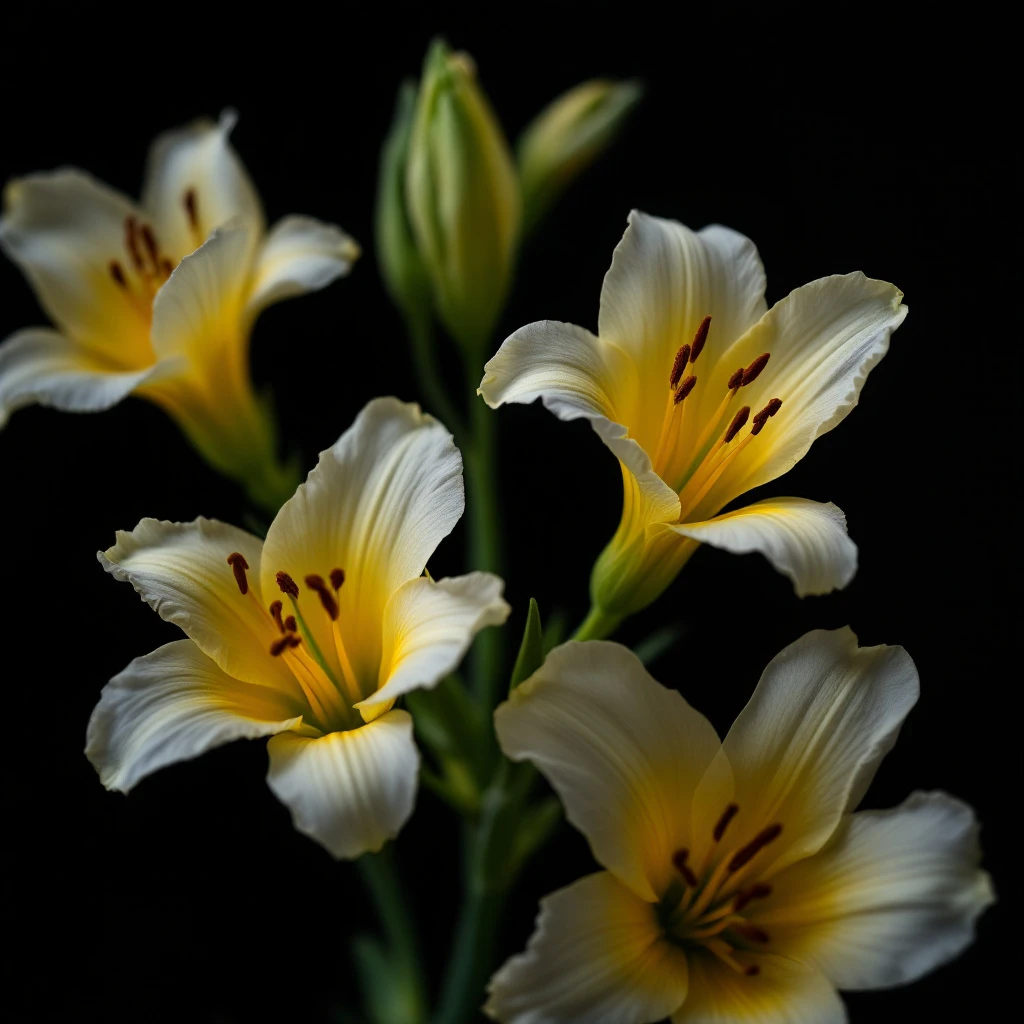
Character
How it smells
A green-fresh floral born in South Africa
No natural freesia essential oil exists on the market. Every drop of freesia in perfume comes from a laboratory.




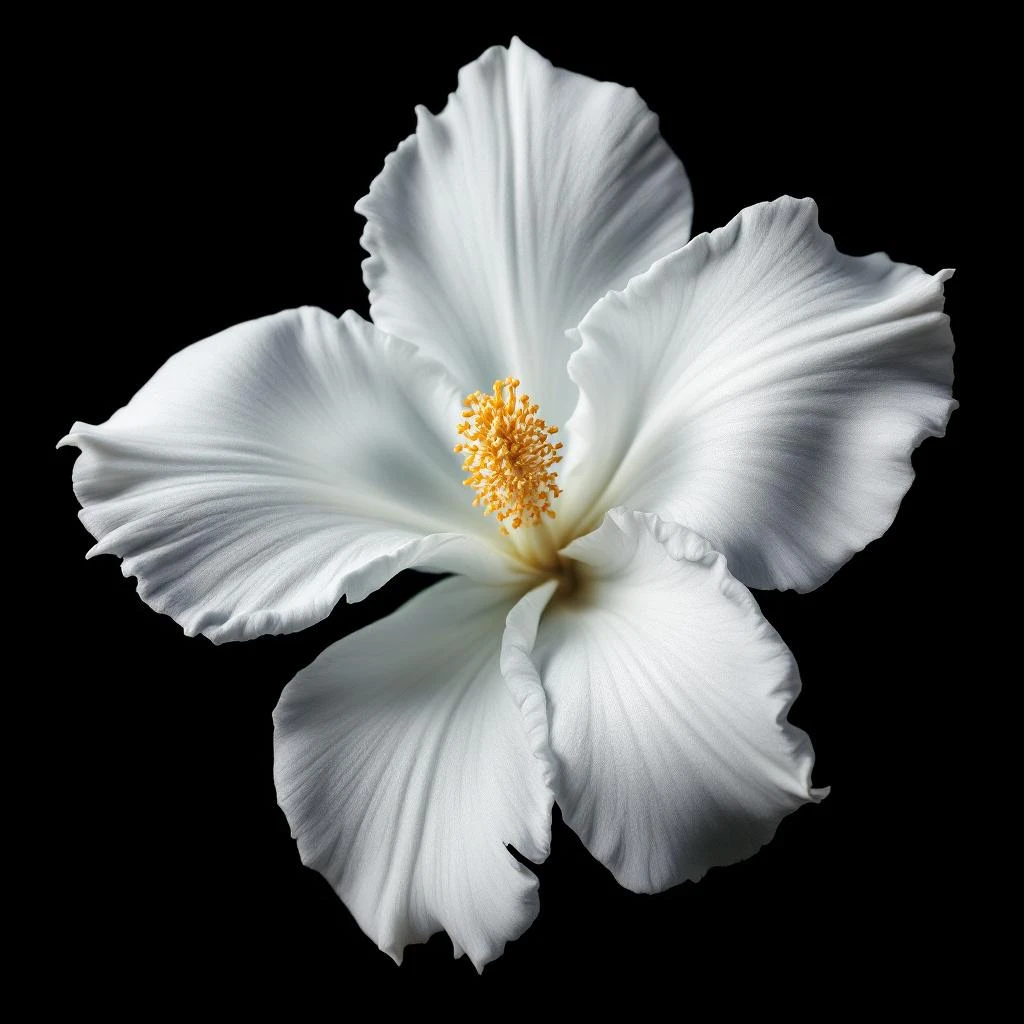


Origin
South Africa
Freesia refracta grows wild across the Western Cape Province of South Africa, where it has flourished for centuries in the region's Mediterranean climate. Danish botanist Christian Ecklon documented the plant in the 19th century and named it after Friedrich Heinrich Theodor Freese, a German physician and plant collector who studied South African flora. The flower entered European horticulture in the 1880s, quickly becoming a garden favourite for its vivid colours and sweet fragrance.
By the early 20th century, chemists began isolating the specific aromatic molecules responsible for freesia's scent, making it possible to bottle the note without harvesting thousands of flowers. Today, freesia ranks among the most frequently used floral notes in modern perfumery, appearing across mass-market and niche lines alike.
Wears it best
Fragrances featuring Freesia Petals
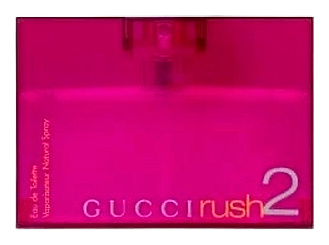
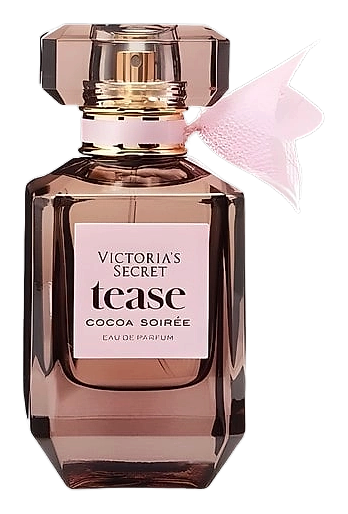
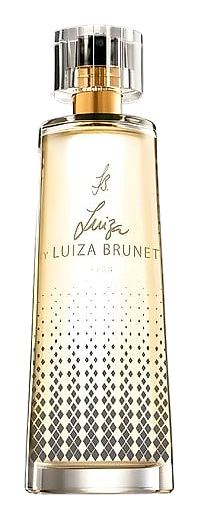
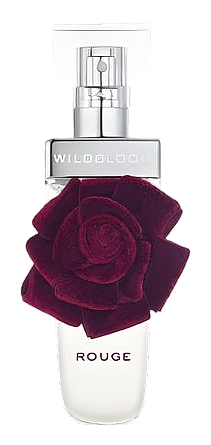
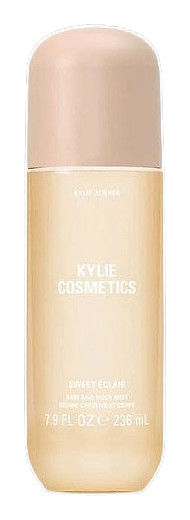
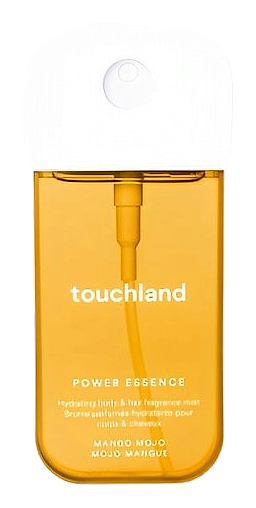
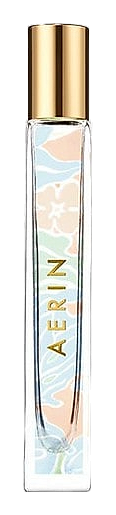
Brands
Brands known for Freesia Petals
Good to know
Questions, answered
The essentials on Freesia Petals in perfumery: how it smells, where it comes from, and how it behaves on skin.
Is freesia extract made from real flower petals?
No. No viable natural freesia oil exists because the petals contain only trace aromatic compounds that do not survive extraction. Modern perfumers create freesia notes entirely from synthesized aroma chemicals that replicate the flower\'s scent.
What does freesia smell like?
Freesia reads as a crisp, sweet-floral with a cool green quality. It sits between lily of the valley and gardenia in character, with a dewy freshness that makes it feel like morning air on a garden path.
When did synthetic freesia enter perfumery?
Chemists began isolating freesia\'s key aroma compounds in the early 20th century, and synthetic freesia accord became commercially viable by the mid-1900s as organic chemistry advanced.
Is freesia used more in natural or commercial fragrances?
Freesia appears almost exclusively in commercially formulated fragrances, both designer and niche. Its consistent synthetic profile makes it reliable and cost-effective for large-scale perfume production.
What aroma chemicals make up freesia accord?
Perfumers combine p-methoxyacetophenone for sweetness, ionone derivatives for violet-floral depth, and damascone variants for a green, fruity quality that together recreate the freesia profile.
Does freesia have any fragrance companions that enhance it?
Freesia pairs naturally with lily of the valley, peony, rose, and green tea accords. It also works well alongside citrus and ozonic notes, which amplify its cool, dewy character.
Is freesia considered a top, heart, or base note?
Freesia functions primarily as a heart-note ingredient, adding a floral lift to the middle section of a fragrance. Its moderate volatility means it sits between lighter top notes and heavier base materials.
Are there any allergens associated with synthetic freesia materials?
Individual aroma chemicals used in synthetic freesia accord may carry allergen declarations under IFRA regulations. These vary by specific compound and concentration, so perfumers must comply with current usage guidelines.




