Forest Honey
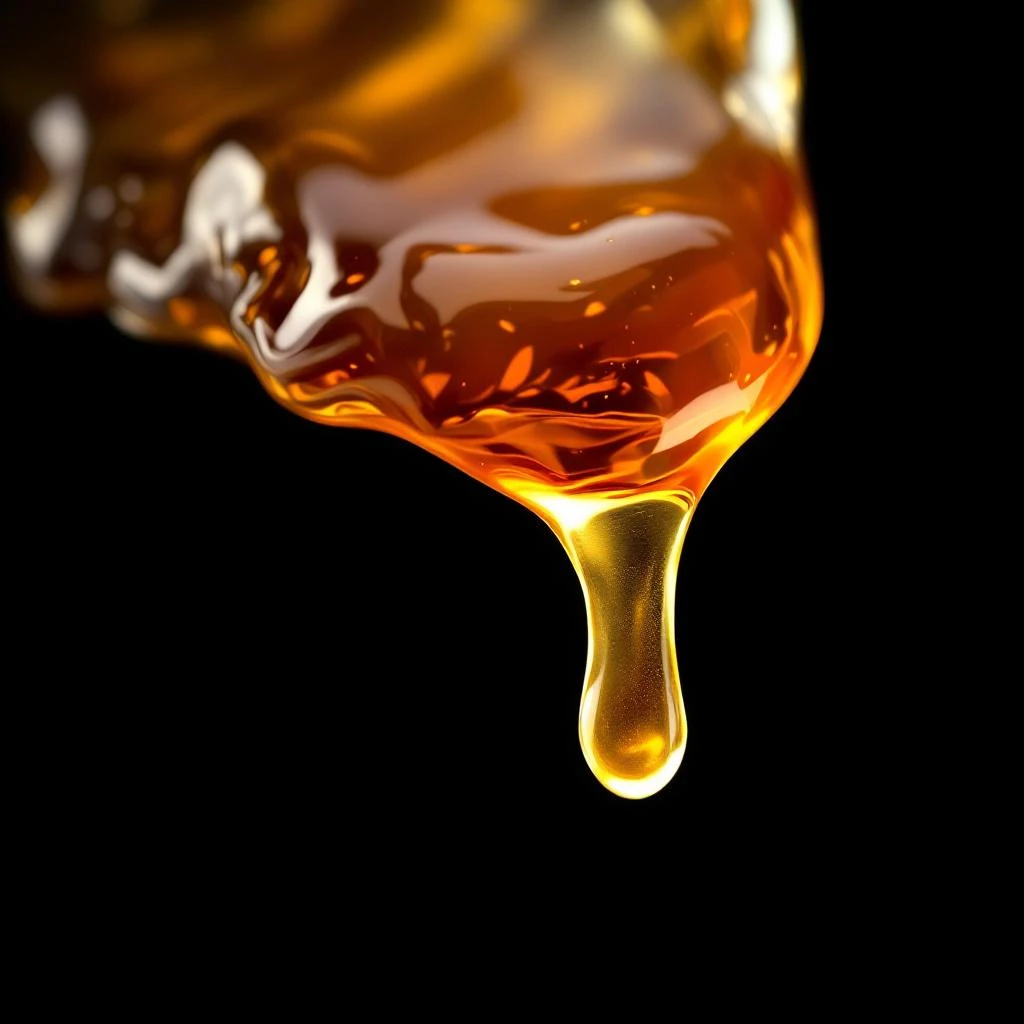
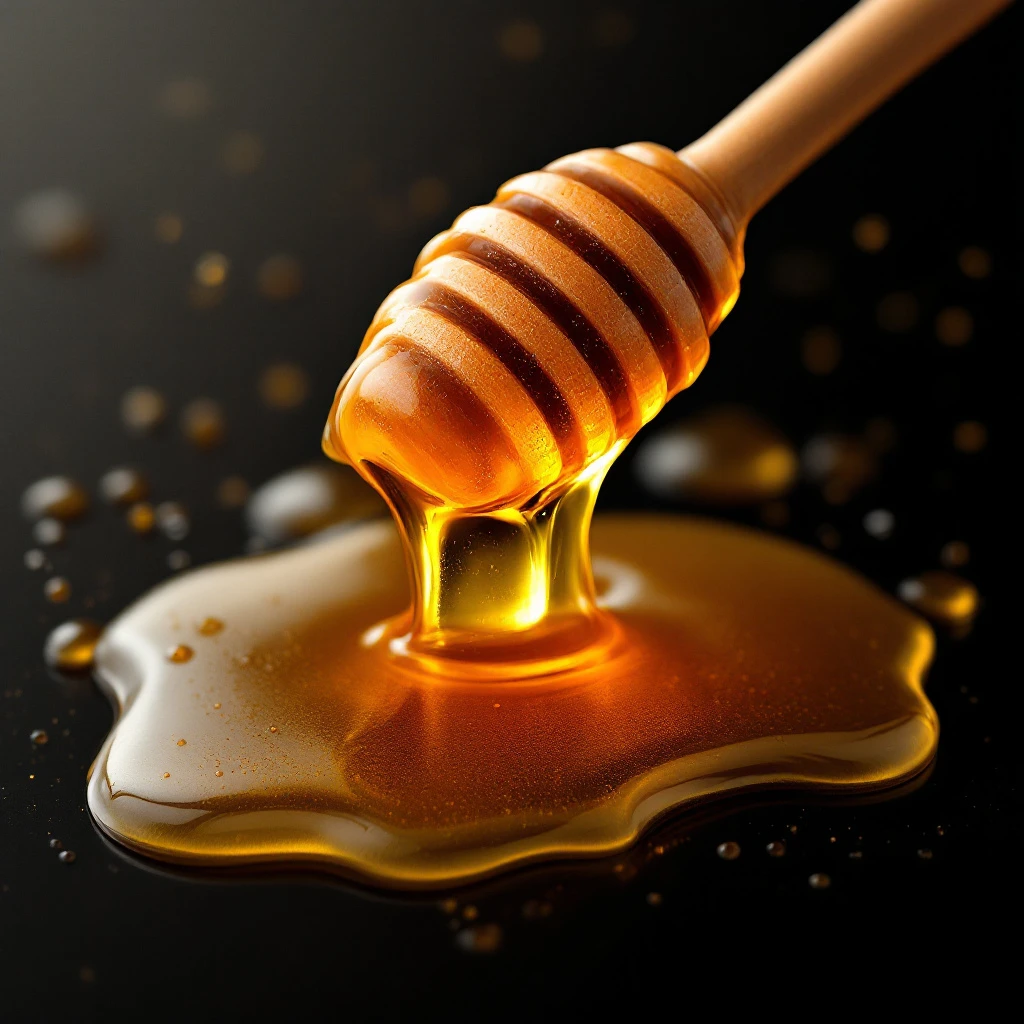
Forest honey is a wild, dark honey with complex, lingering sweetness, floral undertones, and a subtle smoky finish.
Character
How it smells
Where forest and sweetness meet
Honey contains no essential oil, so perfumers must recreate its scent using synthetic compounds or solvent extraction of raw honey.



Origin
Germany
Ancient Arab perfumers were the first to capture honey's sweetness in perfumery, but it remained a rare and precious ingredient due to the difficulty of obtaining it in a concentrated form suitable for fragrance work.
When modern perfumery developed in Paris between 1889 and 1921, solvent extraction techniques opened new possibilities for working with natural materials. These methods eventually made honey more accessible to perfumers, though it never became a mainstream ingredient.
Today, the honey note in most fragrances is synthetic. Perfumers craft compounds that replicate the warm, sweet, slightly animalic character of real forest honey, capturing its dark, rich, lingering qualities without relying on the natural material itself.
Wears it best
Fragrances featuring Forest Honey
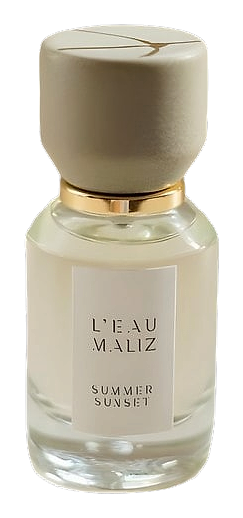
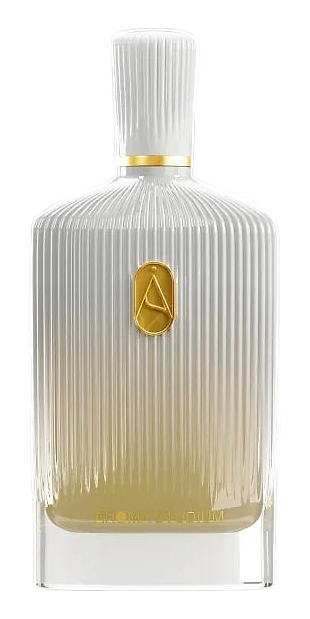
Brands
Brands known for Forest Honey
Good to know
Questions, answered
The essentials on Forest Honey in perfumery: how it smells, where it comes from, and how it behaves on skin.
Is forest honey used as a natural or synthetic ingredient in perfumery?
Most forest honey notes in perfumery are synthetic. True honey resists standard extraction methods, so perfumers create compounds that reliably reproduce the warm, sweet, slightly animalic character of forest honey.
What gives forest honey its distinctive fragrance profile?
Forest honey comes from bees foraging on diverse wildflowers, trees, and shrubs in forest environments. This botanical variety produces a multi-floral, richly complex honey with darker, more lingering sweetness than single-origin varieties.
Why is real honey difficult to use in perfumery?
Honey cannot be steam distilled because its volatile aromatic compounds bind with sugars and non-volatile substances. This technical constraint pushes most perfumers toward synthetic honey compounds rather than natural honey.
Where does high-quality forest honey originate?
Major forest honey regions include the Black Forest in Germany, parts of France, Turkey, the Caucasus, and areas of Asia. Forest honey remains a niche product compared to agricultural honey.
How does forest honey differ from monofloral honey in perfumery?
Forest honey contains nectar from dozens of plant species, creating a more complex, layered sweetness. Monofloral honey from a single source tends toward simpler, more identifiable floral notes.
What other natural ingredients pair well with forest honey?
Forest honey complements beeswax, resinous materials like frankincense and myrrh, warm woods such as sandalwood, and vanilla. These pairings add depth and a natural, organic quality to fragrances.
Which fragrance families commonly feature forest honey?
Forest honey appears in oriental, amber, and chypre compositions where warmth and depth matter. It also shows up in gourmand fragrances that aim for rich, edible sweetness.
Do indie fragrances use forest honey more than mainstream brands?
Indie and niche perfumery brands are more likely to feature authentic natural materials including real honey extracts. Mainstream fragrances typically use synthetic honey compounds for consistency and cost reasons.