Firwood
Firwood captures the crisp, elevated air of an alpine forest. Distilled from fir needle and twig, this material delivers sharp coniferous top notes that ground compositions with resinous depth and a clean, evergreen heart. A staple of forest-forward masculine and atmospheric fragrances.

Character
How it smells
Alpine air, captured in concentrate.
Siberian fir oil yields between 0.8 and 1.6% from fresh needles, making each drop intensely concentrated.





Origin
Russia
Conifer resins and needles appear among the oldest aromatic materials used by human cultures. Ancient Egyptians incorporated fir and pine aromatics into unguents and incense, while Greek physicians like Dioscorides documented the therapeutic properties of fir resin. During the Romantic era, European perfumers became fascinated with forest themes as a reaction against urbanization, driving renewed demand for conifer materials.
Fir needle oil became a cornerstone of forest-odor compositions in late 19th-century masculine toiletries. North American and Russian traditions developed independently: Canadian Aboriginal communities used balsam fir for ceremonial purposes long before European contact, and Siberian traders supplied fir oil along transcontinental routes for centuries.
Wears it best
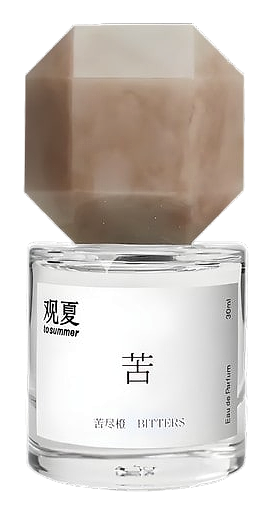
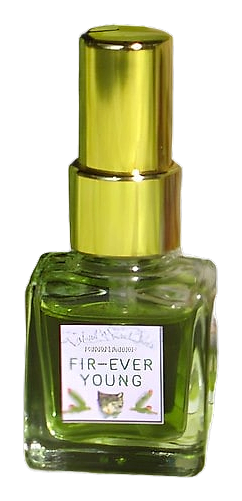
Fragrances featuring Firwood
Brands
Brands known for Firwood
Good to know
Questions, answered
The essentials on Firwood in perfumery: how it smells, where it comes from, and how it behaves on skin.
What does firwood smell like?
Firwood opens with a sharp, clean coniferous burst followed by turpentine-fresh and balsamic heart notes. It reads as elevated forest air, never medicinal or harsh when properly dosed.
Is firwood a top, middle, or base note?
Firwood functions primarily as a top and heart note. Its volatile compounds project immediately and remain detectable in the heart phase of most fragrance constructions.
How does firwood differ from pine or cedarwood?
Pine is sharper and more resinous; cedarwood is warmer and drier. Firwood occupies a middle ground, combining fresh coniferous brightness with a softer, more rounded balsamic quality.
What fragrance families use firwood most often?
Firwood appears prominently in fougère, chypre, and aromatic forest constructions. It is a defining material in masculine fragrances and increasingly used in unisex outdoor and nature-inspired compositions.
Is firwood a natural or synthetic ingredient?
Firwood is a natural ingredient, extracted from fir needles and twigs via steam distillation. No widely accepted synthetic equivalent replicates its full aromatic complexity.
Which fir species produces the highest-quality oil?
Abies sibirica from the Siberian taiga yields an oil prized for its clean, sweet coniferous character. Abies balsamea from Canada and Abies alba from Europe are also commercially significant.
Can firwood be blended with citrus notes?
Yes. Firwood pairs naturally with bergamot, lemon, and grapefruit, which brighten its coniferous profile and prevent the blend from becoming overly heavy or resinous.
What is the historical origin of fir in perfumery?
Ancient Greek and Roman physicians first documented fir resin for therapeutic use. The material entered European perfumery in the 19th century as interest in forest and nature-themed compositions grew.