Fireworks
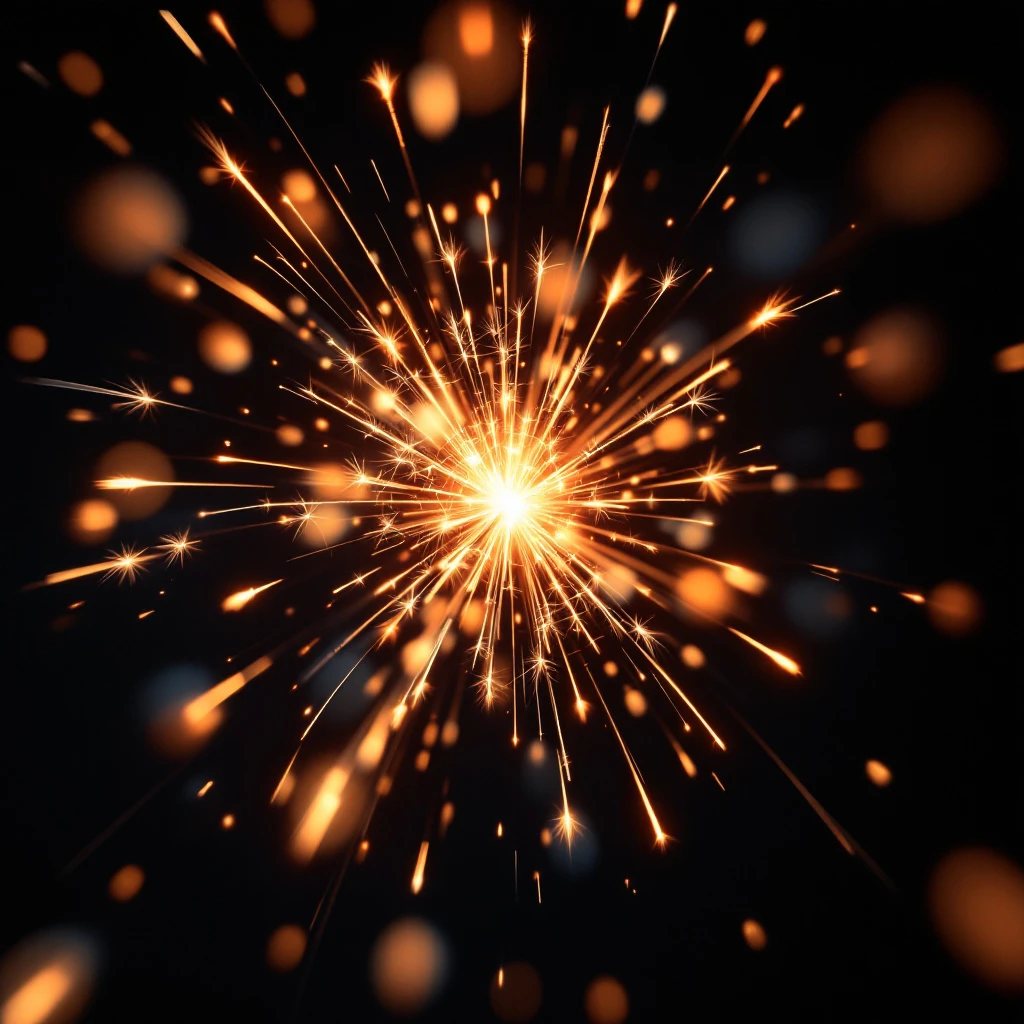
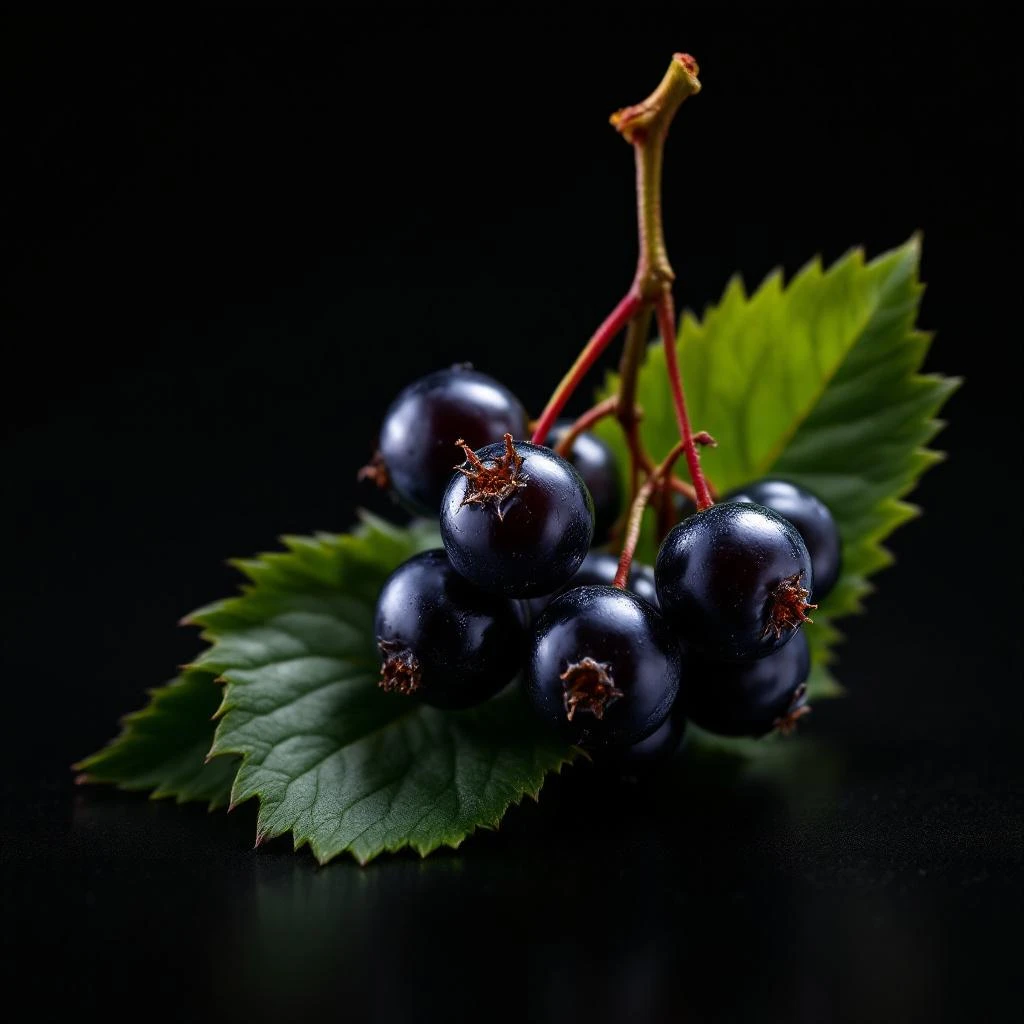
Fireworks captures the crackling memory of explosive celebrations and historical battles. This bold note brings a smoky, mineral intensity that electrifies fragrance compositions.
Character
How it smells
Where sulfur meets spark in a bottle
Gunpowder was discovered by accident in 9th-century China when alchemists mixed saltpeter, sulfur, and charcoal while searching for an immortality elixir.


Origin
China
Gunpowder scent carries centuries of dual identity as both weapon and celebration. The explosive formula originated in Tang Dynasty China around 850 CE, developed accidentally by alchemists seeking immortality through metallurgy. By the 13th century, Mongol forces spread gunpowder technology westward along trade routes to Persia and Europe.
The scent of burning powder became forever linked to battlefields and victory celebrations alike. As fireworks replaced arrows in festive displays, the smell transformed from terror to joy. By the 19th century, when organic synthesis emerged, perfumers gained tools to capture gunpowder's complex aromatic fingerprint.
Today the Fireworks note honors both this ancient accidental discovery and humanity's enduring love of controlled explosions.
Wears it best
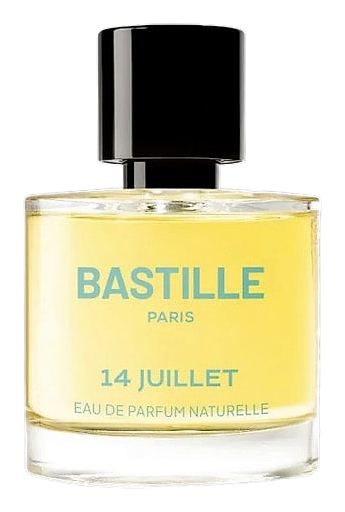
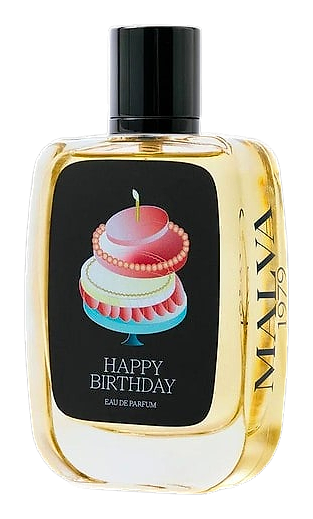
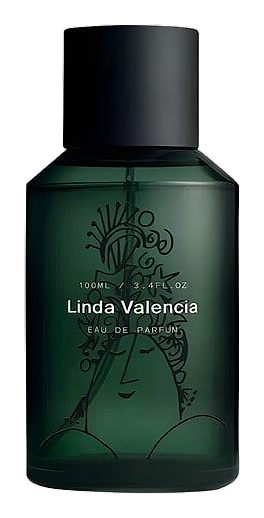
Fragrances featuring Fireworks
Brands
Brands known for Fireworks
Good to know
Questions, answered
The essentials on Fireworks in perfumery: how it smells, where it comes from, and how it behaves on skin.
What does the Fireworks note smell like?
Fireworks delivers a sharp, mineral scent with sulfuric undertones and smoky depth. Think burning match heads, ozone after a thunderclap, and charcoal dust suspended in air. The note balances metallic brightness with warm, powdery smoke.
Is Fireworks a natural or synthetic ingredient?
Fireworks is always synthetic. Perfumery recreates the gunpowder scent using aromatic molecules like alkyl nitriles and sulfur compounds. No actual fireworks or explosives are involved in production.
What fragrances pair well with Fireworks?
Fireworks note amplifies oriental fragrances, woody compositions, and leather scents. It adds surprising depth to fresh citrus openings and grounds airy florals. Try it with oud, leather, birch tar, or spicy accords.
When did perfumers start using Fireworks notes?
Fireworks as a deliberate fragrance note emerged in the late 19th century alongside synthetic aromatic chemistry. The 1880s saw the first modern gunpowder accords, building on earlier synthetic musk and aldehyde discoveries.
Is Fireworks scent safe in perfume?
Yes. Synthetic fireworks accord uses approved aromatic molecules at safe cosmetic concentrations. No explosive materials appear in fragrance production. The scent merely evokes the aroma of exploded gunpowder without any danger.
What emotional associations does Fireworks fragrance bring?
Fireworks evokes triumph, celebration, and controlled chaos. The scent carries nostalgia for festive nights and the rush of witnessing something spectacular. It adds excitement and unexpected drama to any composition.
Which fragrance families commonly use Fireworks notes?
Oriental fragrances most frequently feature Fireworks accords, particularly in amber and leather compositions. Some modern chypres, fougères, and edgy florals use the note for unexpected contrast and masculine-leaning intensity.