Exaltone
Exaltone is a macrocyclic musk ketone that ranks among the finest and most efficient fixatives in perfumery. Used at low concentrations, it adds warmth and subtle animalic depth to a fragrance while substantially extending wearability on skin. It blends almost invisibly into compositions, making it a silent backbone of many fine fragrances.
Character
How it smells
A macrocyclic fixative that adds warmth, depth, and exceptional staying power to fragrance.
Exaltone was synthesized decades before the fragrance industry mastered biotech, placing it among the earliest modern synthetic musks.





Origin
Switzerland
The macrocyclic ketone that would become Exaltone entered the fragrance world as chemists began systematically synthesizing musks in the 1920s. Early pioneers like Leopold Ruzicka mapped the chemistry of large-ring compounds, laying groundwork for ingredients that would eventually redefine fixative perfumery.
Exaltone itself was commercialized as perfumers sought alternatives to increasingly restricted natural musks, particularly after CITES agreements in the late 1970s limited trade in animal-derived materials. Its clean, warm musk character made it a versatile replacement in both fine fragrance and functional products.
Wears it best
Fragrances featuring Exaltone
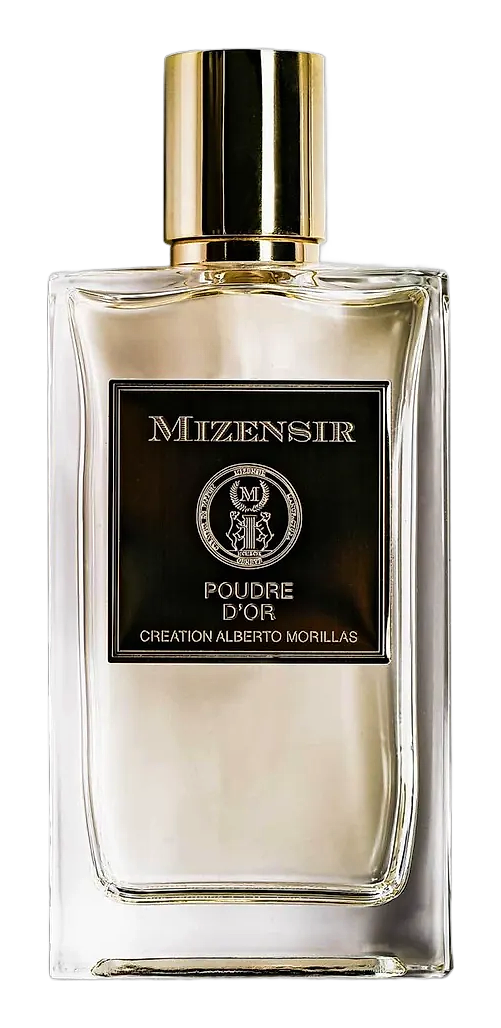
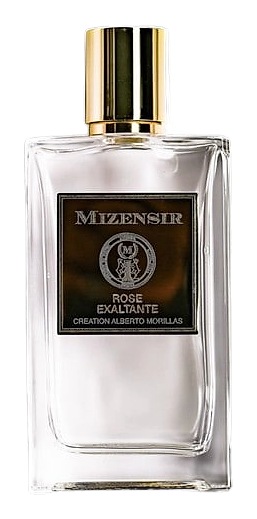
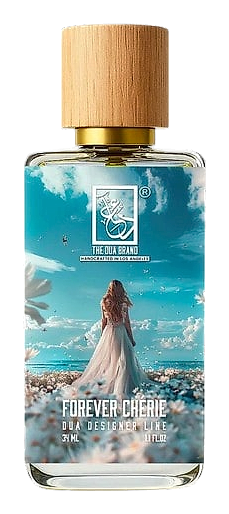
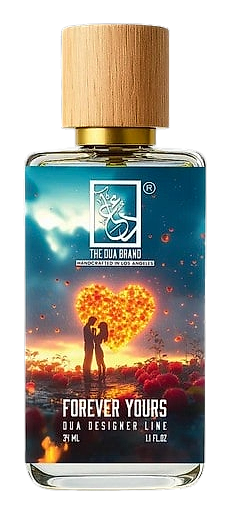
Brands
Brands known for Exaltone
Good to know
Questions, answered
The essentials on Exaltone in perfumery: how it smells, where it comes from, and how it behaves on skin.
What does Exaltone smell like in perfume?
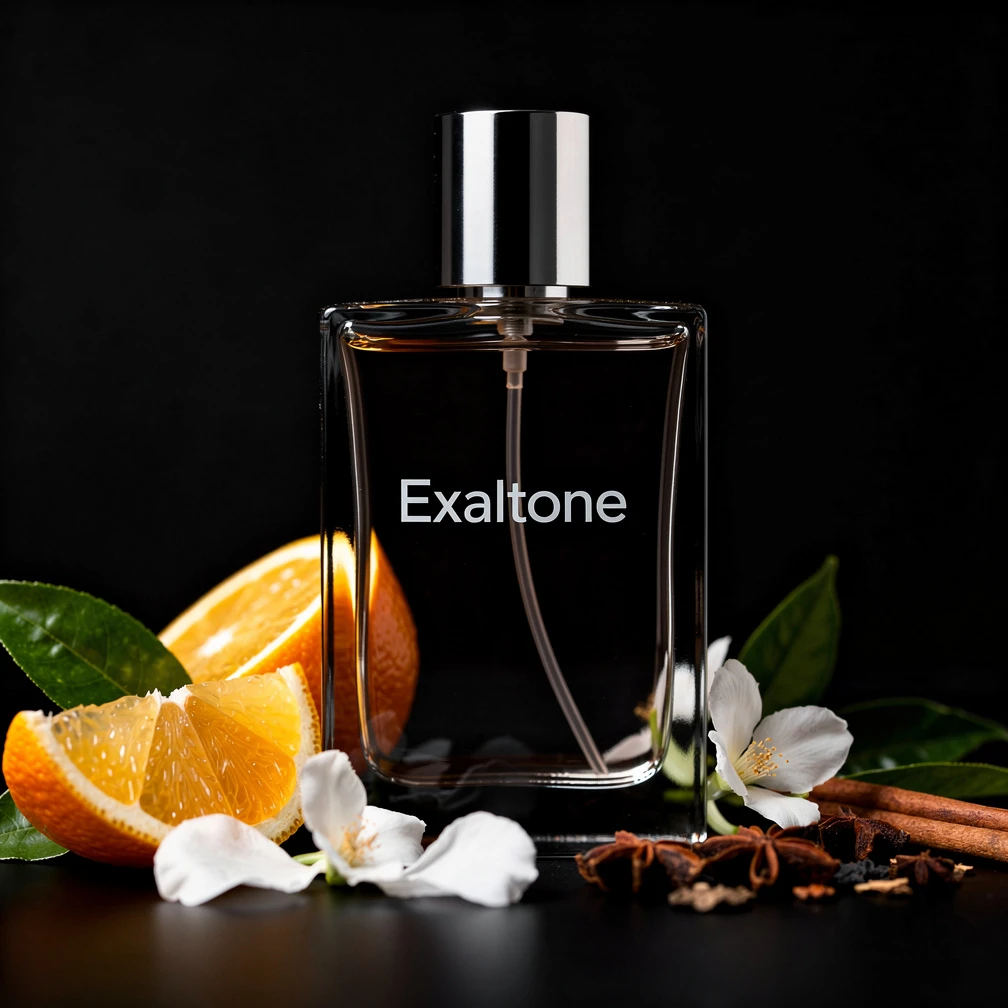
Exaltone contributes warm, clean, and slightly animalic musky notes that blend into a fragrance rather than stand out. It adds a subtle creamy, powdery character and enhances the overall perceived smoothness of a composition without imposing its own distinct odor.
Why is Exaltone used in perfumery?
Exaltone ranks among the finest and most efficient fixatives known in perfumery, comparable in effectiveness to Cyclopentadecanolide. At proper usage levels, it improves the wearability of a perfume by extending how long scent remains perceptible on skin throughout the day.
Is Exaltone in perfume natural or synthetic?
Exaltone is fully synthetic. Musk ketone was among the first synthetic musks developed in the late 19th century, predating modern biotech fragrance production by many decades. It is produced through controlled organic synthesis, not derived from botanical or animal sources.
What famous perfumes contain Exaltone?
Macrocyclic musks like Exaltone appear frequently in fine fragrances as base note fixatives. Specific formulas are proprietary, but perfumers regularly incorporate Exaltone into both designer and niche fragrances where a warm, lasting musk foundation is desired.
Is Exaltone a top note, heart note, or base note?
Exaltone functions as a base note fixative, providing the foundational musk character that gives a fragrance its warmth and longevity. It is used at low concentrations, typically below 10%, to extend the perception of heart and top notes throughout wear.
What notes pair well with Exaltone in perfume?
Exaltone pairs well with other macrocyclic musks such as Exaltolide, as well as with white musks like Habanolide and traditional nitro-musks. It complements floral and oriental fragrance structures by adding a warm, powdery musk backbone that integrates smoothly with most perfume compositions.
Where does Exaltone come from? How is it made?
Exaltone is manufactured through chemical synthesis. The typical production route involves an aldol condensation between pentanal and cyclopentadecanone, followed by catalytic hydrogenation and purification. This takes place in specialized chemical manufacturing facilities rather than from natural botanical or animal sources.
Is Exaltone used in men's or women's fragrances?
Exaltone appears in both masculine and feminine fragrances as a base note fixative. It is somewhat more common in feminine compositions where its warm, powdery, and slightly animalic character blends naturally with floral and oriental structures, though it functions equally well in masculine fragrances.