European Spruce Resin
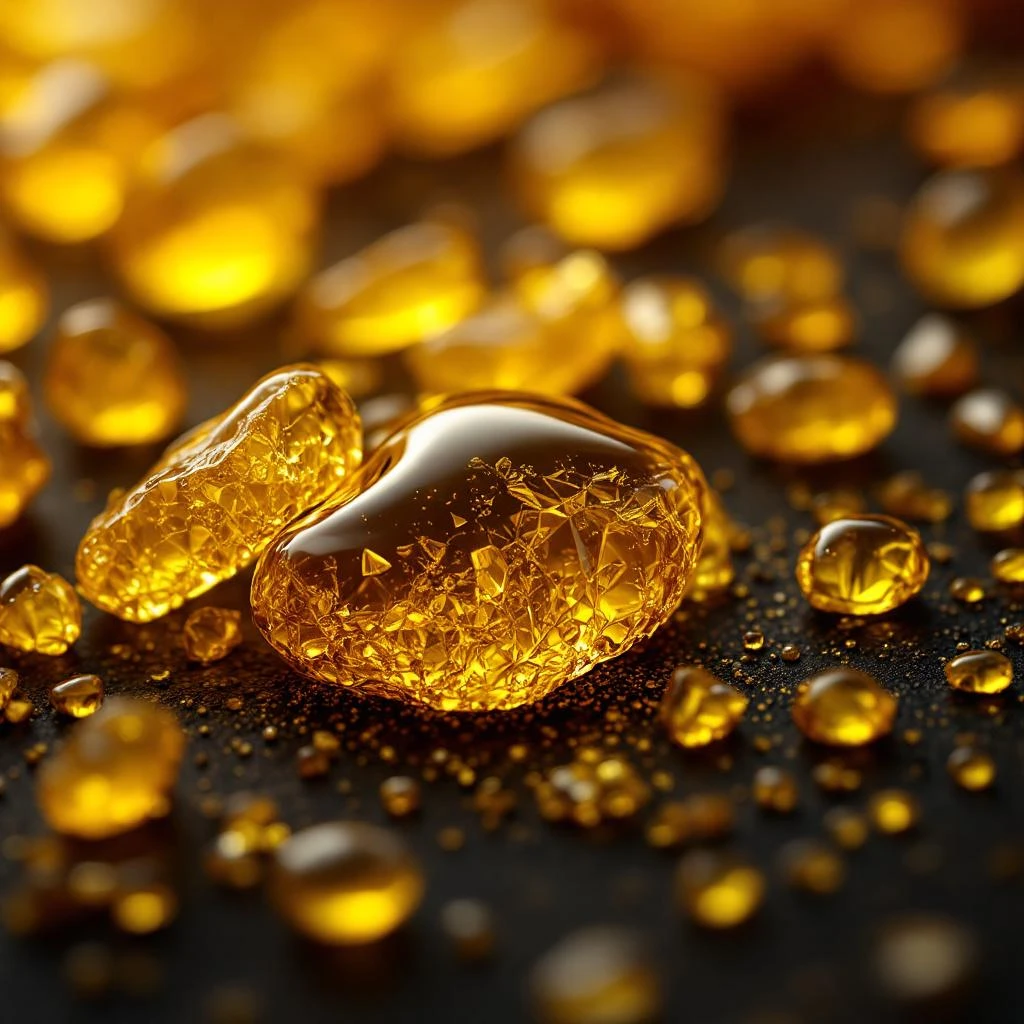
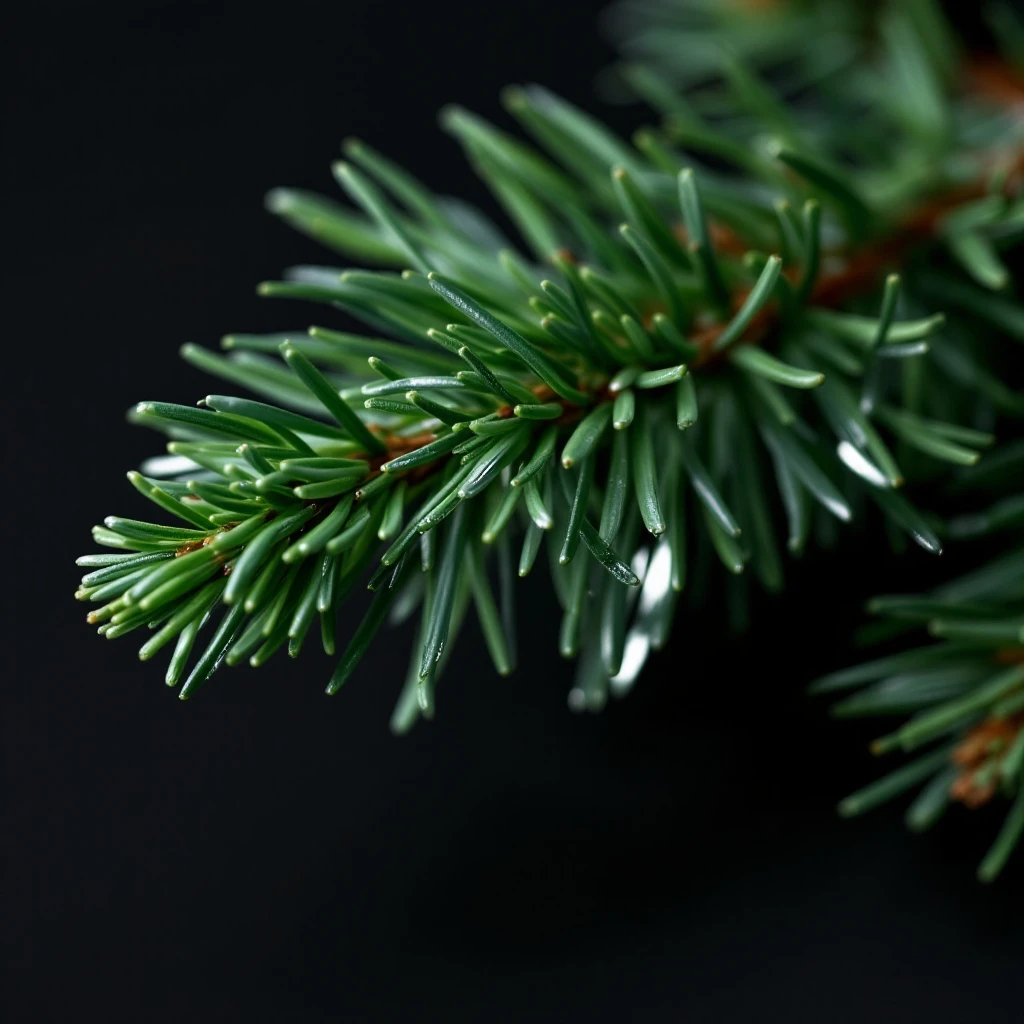
European Spruce Resin is a balsamic, coniferous exudate tapped from Picea abies across Alpine forests. It anchors chypre and fougère structures with crisp pine freshness, subtle sweetness, and a warm, resinous drydown that recalls sun-warmed forest floors.
Character
How it smells
Alpine pine, captured in amber.
Spruce resin was once chewed like gum in Scandinavian communities, who valued it for both its bright evergreen flavor and its preservative qualities.
Pairs beautifully with
Origin
Austria
Spruce resin has perfumed European lives for millennia. Bronze Age communities in the Alps applied it to leather, wood, and textiles as both a waterproofing agent and a fragrant finish. By the medieval period, it appeared in monastery pharmacies as "Pix Burgundica" or Burgundy pitch, valued for treating respiratory ailments and wounds.
Nordic and Central European households burned spruce resin as incense during winter solstice rituals, filling homes with a bright, purifying scent. In 18th-century France, the resin entered the laboratory of Pierre Joseph Pelletier and other early chemists, who studied its volatile fractions alongside turpentine from related Pinaceae species. By the 19th century, spruce turpentine had become a recognized ingredient in cologne-style formulations and early fougères, prized for its crisp green character that contrasted beautifully with lavender and oakmoss.
Today, sustainably tapped Alpine forests in Switzerland, Austria, and southern Germany supply small quantities to niche perfumers seeking an authentic European coniferous note. The tradition of hand-tapping persists, linking contemporary fragrance to one of the oldest practices in aromatic material culture.
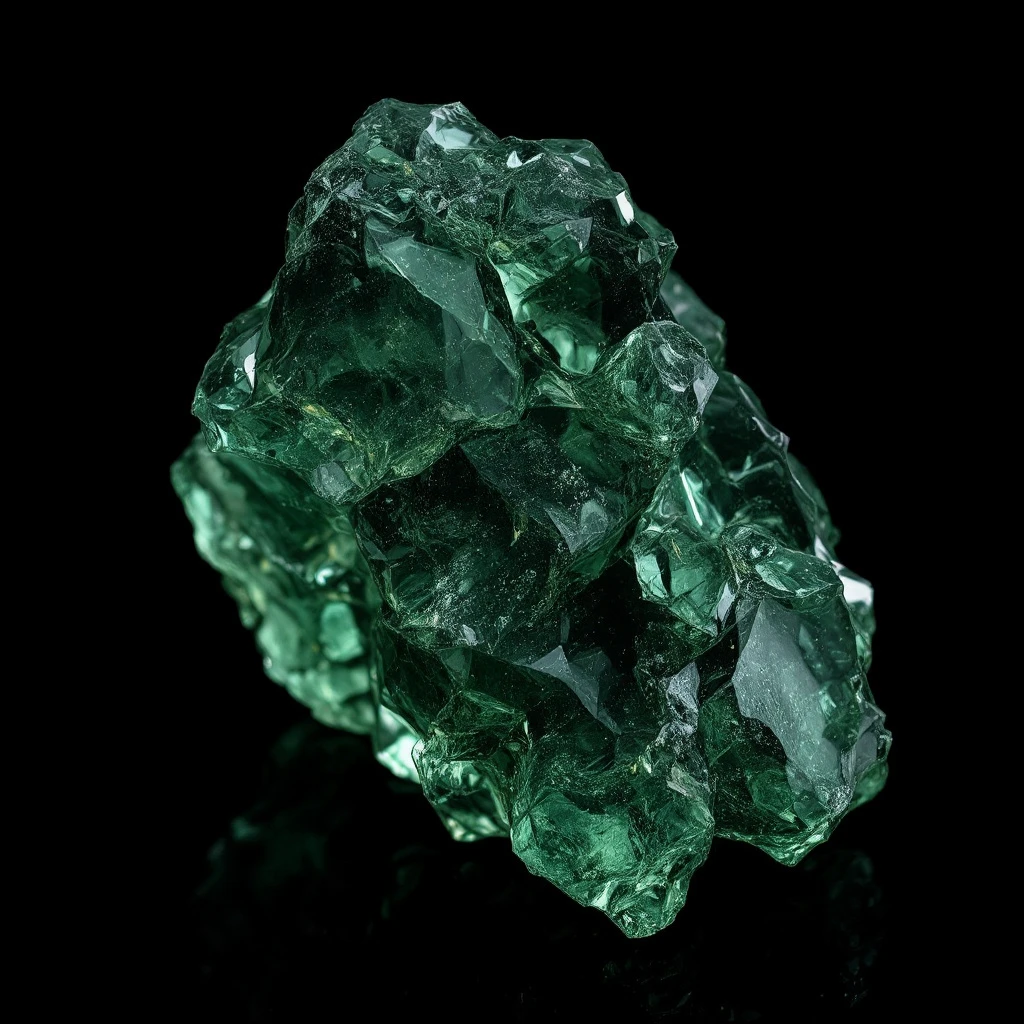
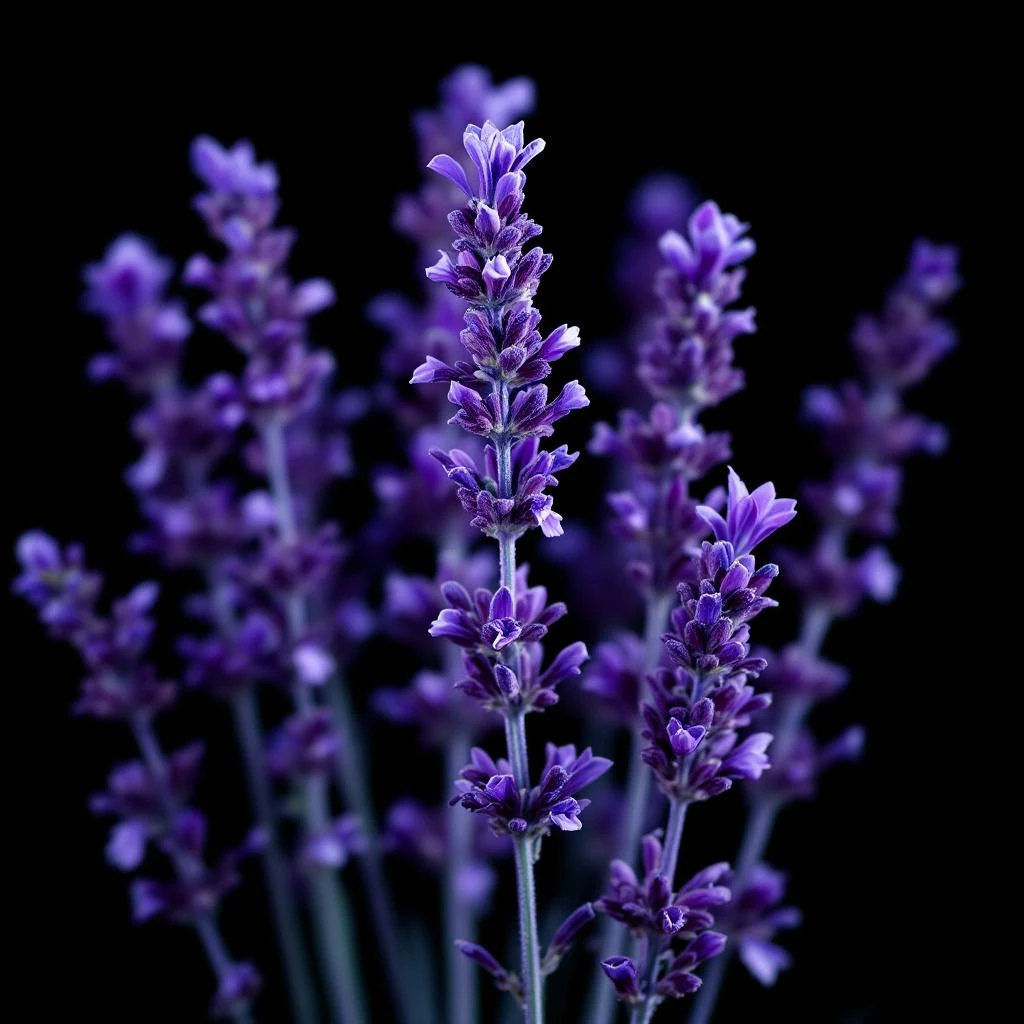
Wears it best
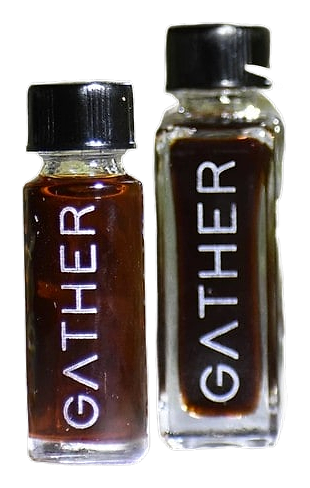
Fragrances featuring European Spruce Resin
Brands
Brands known for European Spruce Resin
Good to know
Questions, answered
The essentials on European Spruce Resin in perfumery: how it smells, where it comes from, and how it behaves on skin.
What does European Spruce Resin smell like?
European Spruce Resin has a crisp, coniferous aroma with green pine freshness over a warm, balsamic undertone. The scent evokes sun-warmed Alpine forests and carries subtle sweet, resinous depth that anchors the drydown of chypre and fougère compositions.
How is European Spruce Resin extracted for perfumery?
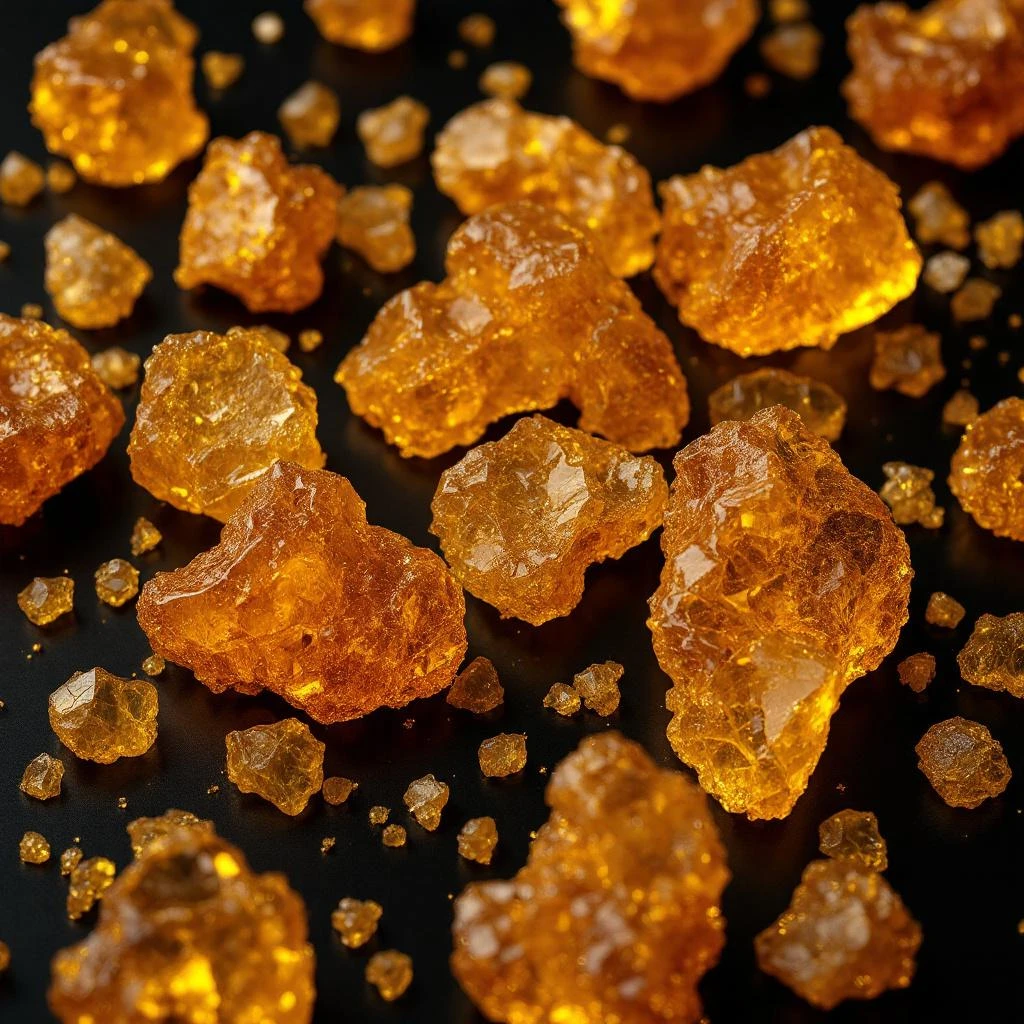
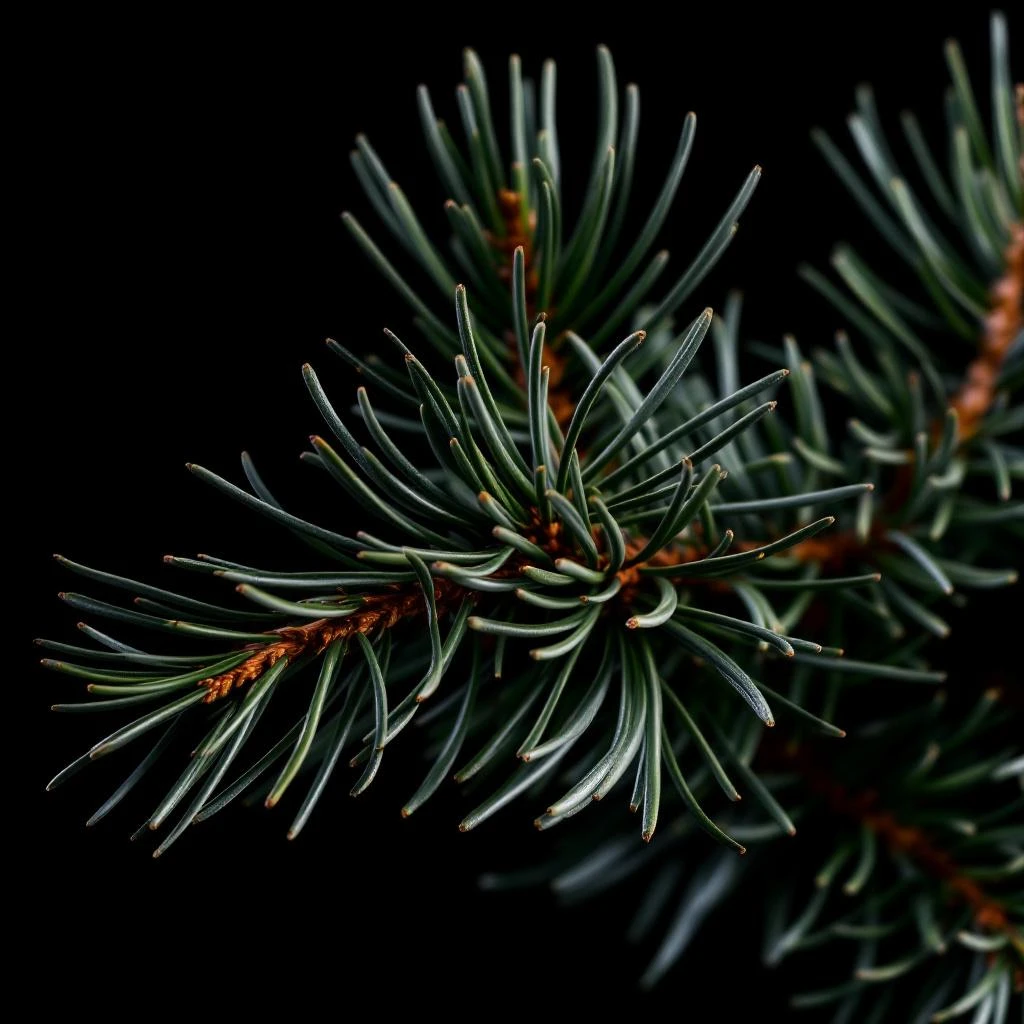
Harvesters tap Picea abies trees in late spring, collecting the hardened yellowish tears that form on bark. The crude resin is then steam distilled to yield spruce turpentine, the volatile oil most commonly used in fine fragrance formulations.
Is European Spruce Resin the same as turpentine?
They are closely related but not identical. Spruce turpentine is the volatile essential oil fraction obtained by distilling spruce oleoresin, while industrial turpentine typically derives from various pine species and undergoes different processing for solvent rather than perfumery applications.
Where does European Spruce Resin come from?
Most commercial spruce resin originates from sustainably managed Alpine forests in Austria, Switzerland, and southern Germany. The tradition of hand-tapping Picea abies in these regions has continued for centuries and supplies niche perfumers worldwide.
What fragrance families use European Spruce Resin?
European Spruce Resin appears most often in chypre, fougère, and aromatic woody compositions. Its bright coniferous character provides contrast against darker materials like patchouli, oakmoss, and labdanum, lending structure and freshness to classical formulations.
Is European Spruce Resin sustainable?
Traditional tapping is considered sustainable because harvesters make shallow cuts that allow trees to continue producing resin for decades. Small-scale Alpine operations minimize ecological impact, though supply remains limited, which restricts use to niche and artisanal perfumery.
How long does European Spruce Resin last in a perfume?
As a base-to-middle note, European Spruce Resin contributes 6 to 10 hours of perceptible longevity in typical eau de parfum concentrations. Its balsamic fixative properties also help extend the wear time of more volatile top notes like citrus and herbs.
What is the difference between spruce resin and pine resin?
Spruce resin (Picea abies) offers a cleaner, sweeter, more refined coniferous profile with less sharp turpentine bite. Pine resin tends to be more pungent and solvent-like, while spruce delivers a softer, slightly citrus-tinged freshness prized in fine fragrance.