Balsam fir resin
Balsam fir resin captures the living essence of boreal forests. This concentrated aromatic material carries sharp coniferous top notes layered with warm, honeyed undertones that evolve throughout the day on skin, bringing the deep green soul of pine stands into fragrance compositions.
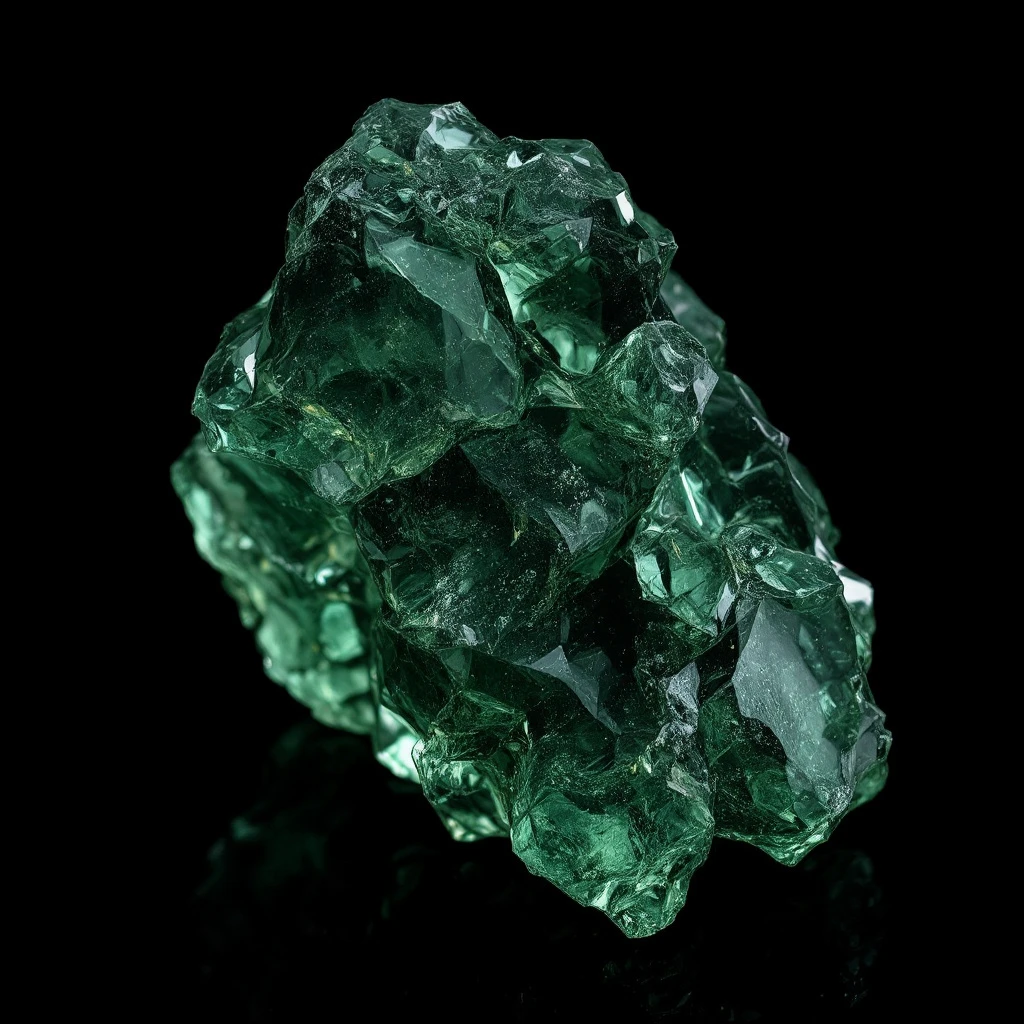
Character
How it smells
Coniferous depth from the boreal forest.
Traditional harvesters press woolen cloth against freshly cut bark, collecting the slowly weeping oleoresin over six weeks before extraction.





Origin
Canada
Indigenous communities across the boreal forest have harvested fir sap for centuries, using the sticky resin as a protective wound sealant and medicinal remedy. European settlers learned these applications from Native peoples and incorporated fir balsam into colonial medicine cabinets.
The material entered perfumery as traders and early chemists recognized its aromatic potential. In perfumery, balsam fir resin serves as a fixative, helping fragrance compounds remain detectable on skin longer while adding its distinctive coniferous depth.
The ingredient became particularly associated with masculine and unisex compositions, lending that characteristic forest-floor quality. Today it remains a relatively uncommon but treasured material, prized by perfumers seeking authentic coniferous character beyond synthetic alternatives.
Wears it best
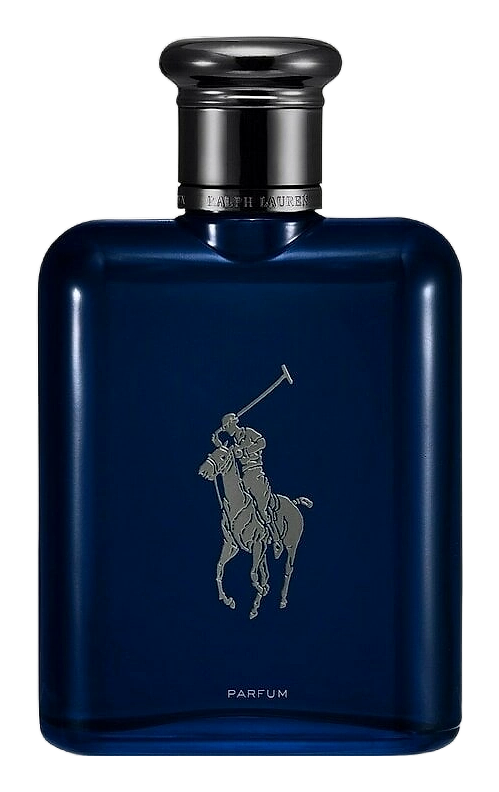
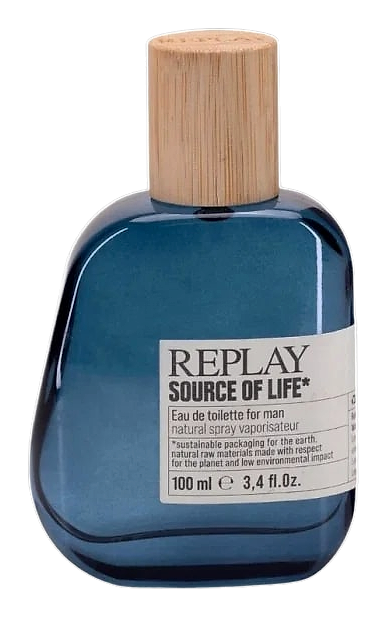
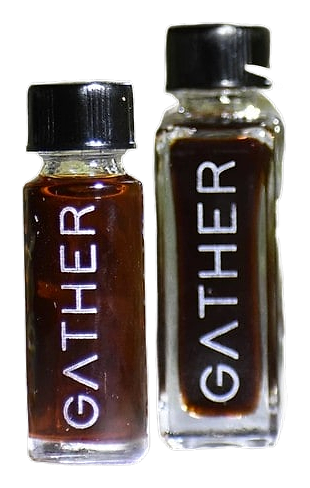
Fragrances featuring Balsam fir resin
Brands
Brands known for Balsam fir resin
Good to know
Questions, answered
The essentials on Balsam fir resin in perfumery: how it smells, where it comes from, and how it behaves on skin.
What does balsam fir resin smell like?
Balsam fir resin opens with sharp, bright pine and turpentine notes before revealing a deep, rich forest character. The drydown settles into warm, almost sweet undertones with a resinous, sticky quality reminiscent of fresh forest floor.
What role does balsam fir resin play in perfumery?
Balsam fir resin functions as a base note and fixative in fragrance compositions. It extends the longevity of other ingredients while adding coniferous depth and forest-like character, particularly common in masculine and unisex fragrances.
How does origin affect balsam fir resin scent?
Geographic origin significantly impacts the aromatic profile through soil composition, altitude, and regional climate. These factors influence the balance of terpenes and esters, creating distinct scent profiles between different harvest regions.
Is balsam fir resin sustainable to harvest?
Sustainable harvesting requires careful practices. Over-collection stresses trees and reduces sap yield in subsequent seasons. Reputable suppliers limit collection frequency and tree engagement to maintain healthy resin production.
How is balsam fir absolute extracted?
Balsam fir absolute typically uses solvent extraction with hexane or ethanol to dissolve aromatic compounds from the needles and resin. The solvent evaporates, leaving a highly concentrated, dark green absolute.
Does balsam fir resin last long on skin?
As a resinous material with fixative properties, balsam fir resin demonstrates above-average longevity in fragrance compositions. Resins generally outperform many natural perfume ingredients in staying power and fragrance persistence.
What pairs well with balsam fir resin?
Balsam fir resin complements other coniferous and wood materials effectively, including cedar, pine, and other resinous ingredients. Its forest character also harmonizes with oriental base notes like vanilla and benzoin.
What fragrance families use balsam fir resin?
Balsam fir resin appears primarily in masculine and unisex fragrances, especially chypre, fougere, and woody compositions. It provides an authentic evergreen quality that synthetic alternatives often struggle to replicate.