Laotian Cinnamon Orpur
Laotian cinnamon Orpur captures the fiery warmth of Southeast Asian forests. Givaudan's responsible sourcing program brings you this premium bark essential oil, harvested from ancient cinnamon trees cultivated in Laos. The result: a complex, multi-layered spice that transforms fragrance compositions with intoxicating depth and lingering heat.

Character
How it smells
Fiery bark warmth from ancient Laotian forests.
Cinnamon trees can live for over 100 years, and the bark regenerates after harvesting, making it a remarkably renewable resource.





Origin
Laos
Cinnamon has traded across continents for over 4,000 years. Ancient Egyptian texts mention it; Phoenician merchants carried it along Mediterranean routes.
The Roman Empire prized it so highly that Nero reportedly burned an entire year's supply at his mistress Poppaea's funeral. For centuries, European demand fueled dangerous spice routes, with Laotian cinnamon eventually becoming prized for its sweeter, more refined character compared to cassia varieties from China.
Southeast Asian cultures incorporated cinnamon into ceremonial rites, traditional medicine, and preserving foods long before perfumery adopted it. French colonial influence in Indochina brought new cultivation techniques to the region, establishing Laos as a source for premium-grade bark.
Wears it best
Fragrances featuring Laotian Cinnamon Orpur


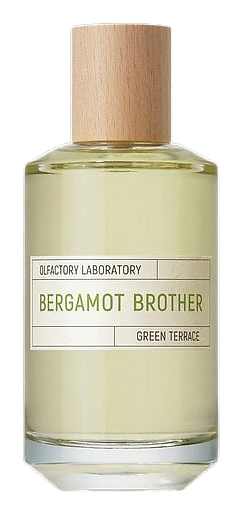


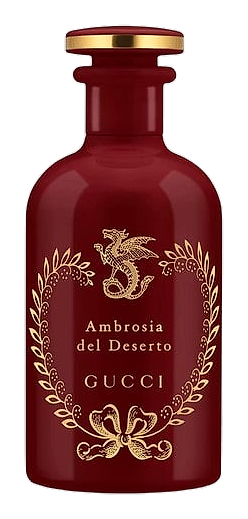
Brands
Brands known for Laotian Cinnamon Orpur
Good to know
Questions, answered
The essentials on Laotian Cinnamon Orpur in perfumery: how it smells, where it comes from, and how it behaves on skin.
What makes Laotian cinnamon Orpur different from regular cinnamon essential oil?
Laotian cinnamon Orpur comes from Cinnamomum cassia trees grown at high elevations in Laos, producing a distinctly sweeter, less bitter profile than lower-altitude varieties. Givaudan's Orpur certification also guarantees full supply chain transparency and sustainable harvesting practices.
What fragrance families work best with Laotian cinnamon?
Laotian cinnamon excels in oriental and spicy fragrance families. It pairs exceptionally well with vanilla, benzoin, sandalwood, and warm amber bases, adding compelling depth to woody and aromatic compositions.
Is cinnamon bark oil safe for skin application in fragrances?
Cinnamon bark oil contains high levels of cinnamaldehyde, which can cause skin sensitization. Perfumery use requires careful dilution, typically below 1% in finished fragrance applications, following IFRA guidelines.
How does steam distillation affect cinnamon bark's aromatic profile?
Steam distillation preserves cinnamaldehyde while gently extracting lighter top notes. This creates a warm, spicy character with less of the harsh, medicinal quality sometimes found in solvent-extracted alternatives.
Can cinnamon bark oil be blended with citrus notes?
Yes, cinnamon bark oil pairs surprisingly well with bergamot, lemon, and orange. The citrus brightens cinnamon's warmth, creating dynamic top notes that evolve beautifully on skin throughout the dry-down.
What sustainability practices does the Orpur program implement?
The Orpur program requires fair trade agreements with farming cooperatives, reforestation commitments, and regular third-party audits. Producers receive premium pricing in exchange for documented environmental and social compliance.
How should perfumers store Laotian cinnamon essential oil?
Store cinnamon bark oil in dark glass containers away from heat and light. The oil oxidizes over time, so refrigeration and nitrogen blanket storage extends shelf life to 2-3 years while preserving aromatic potency.