Ethiopian Honey
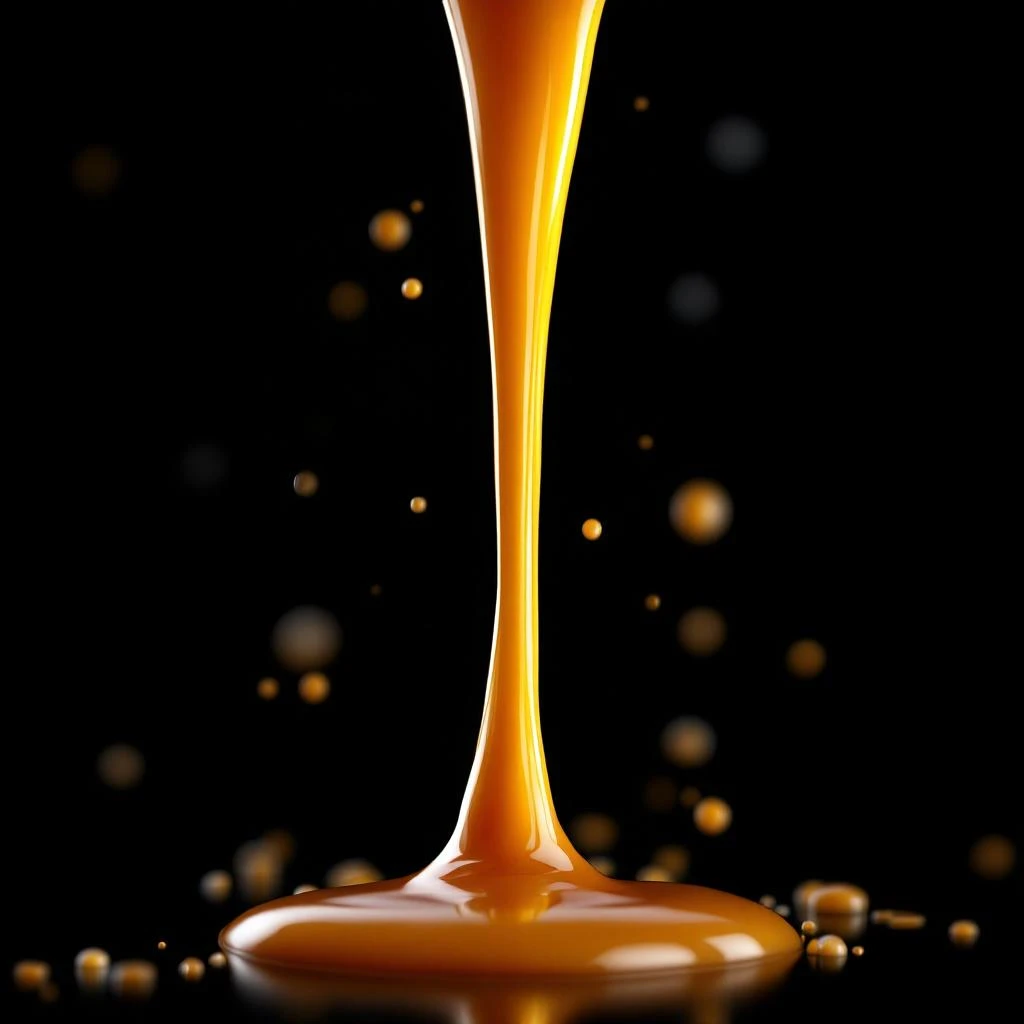
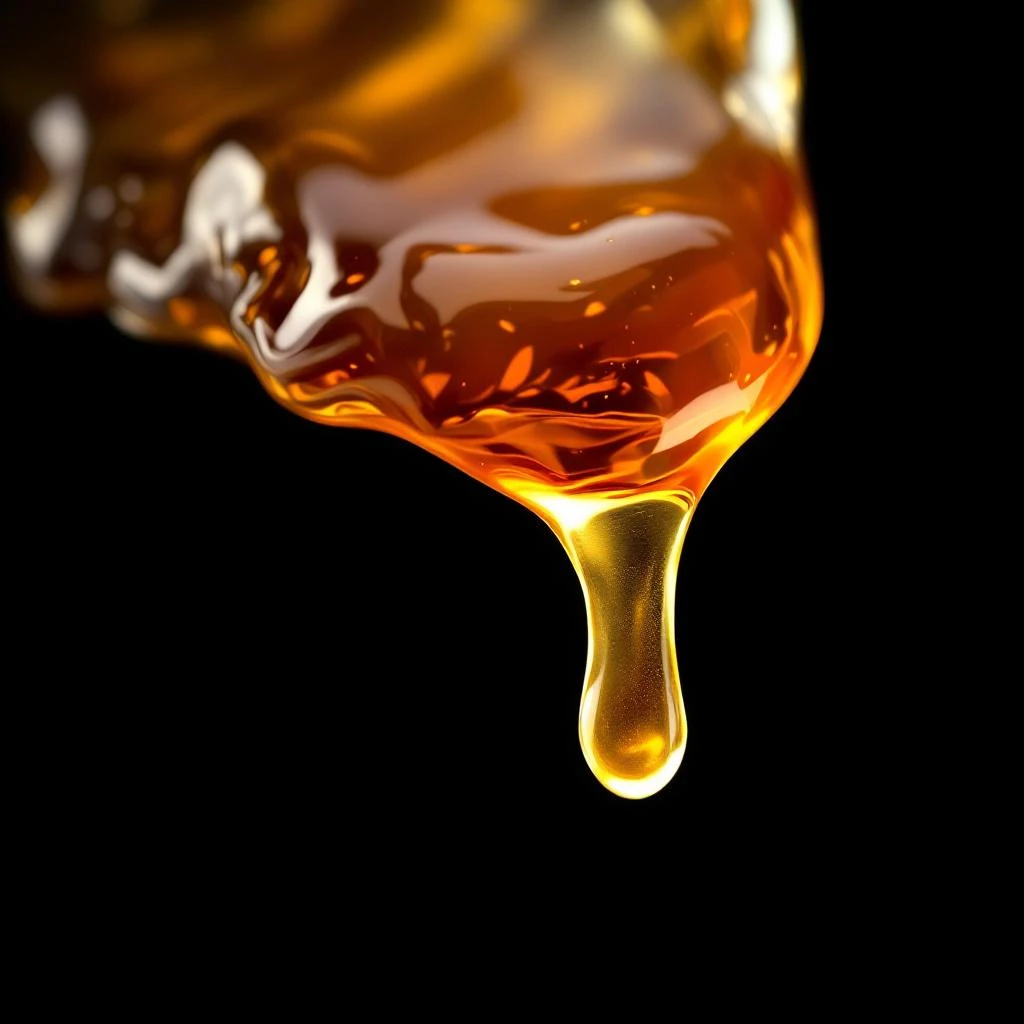
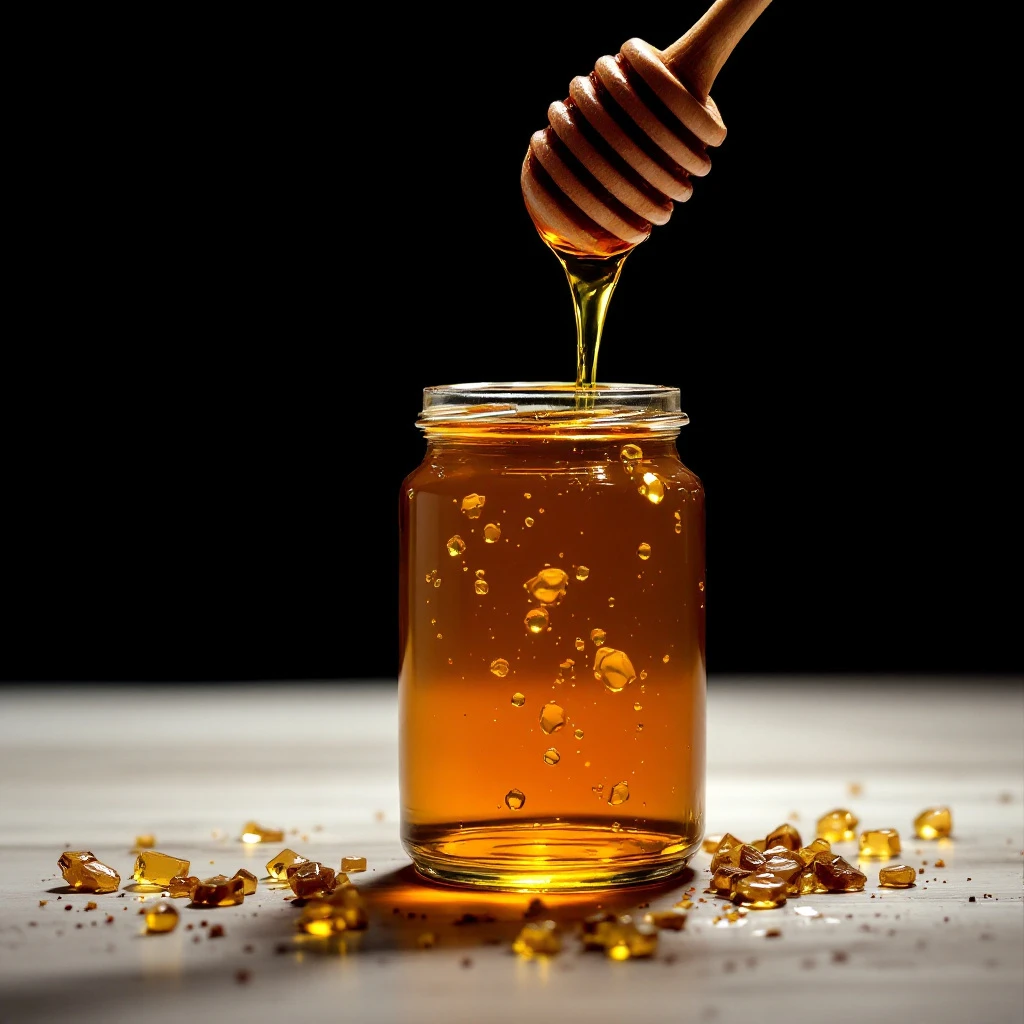
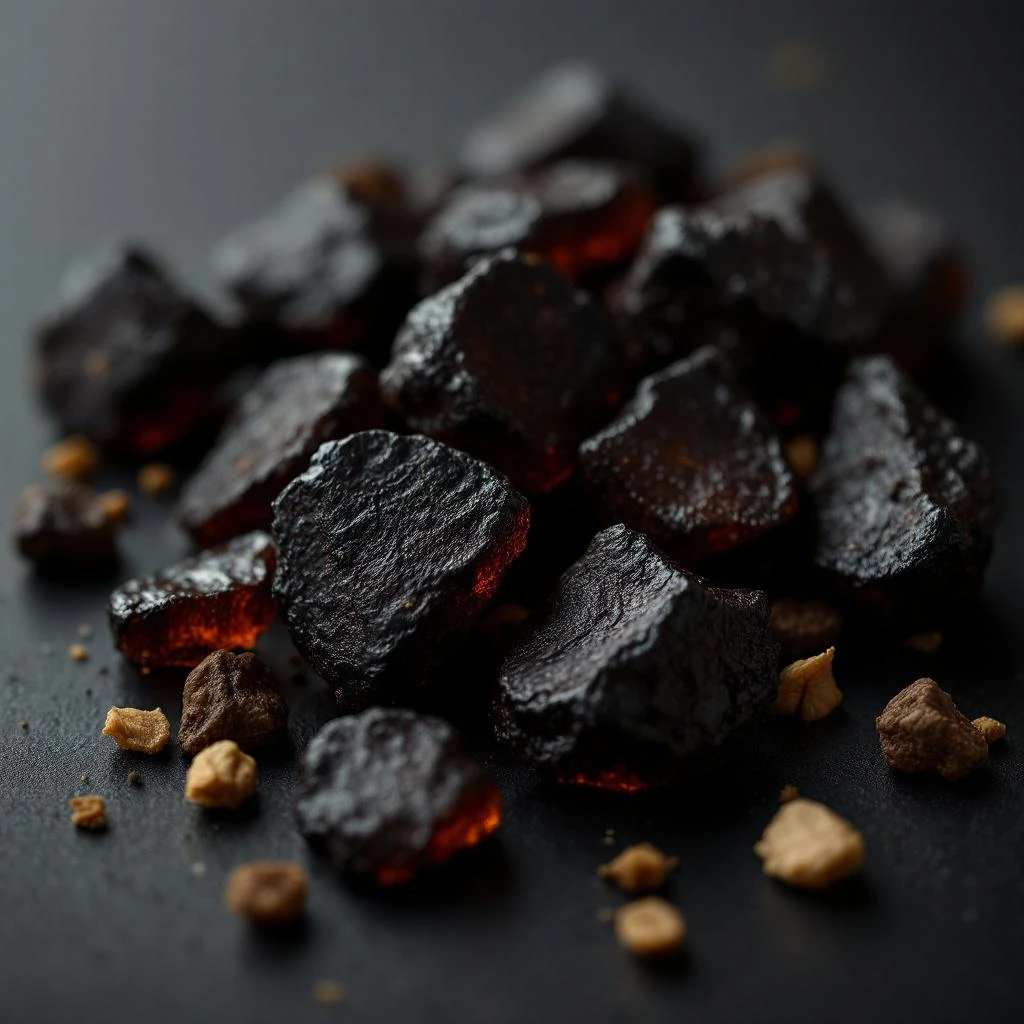
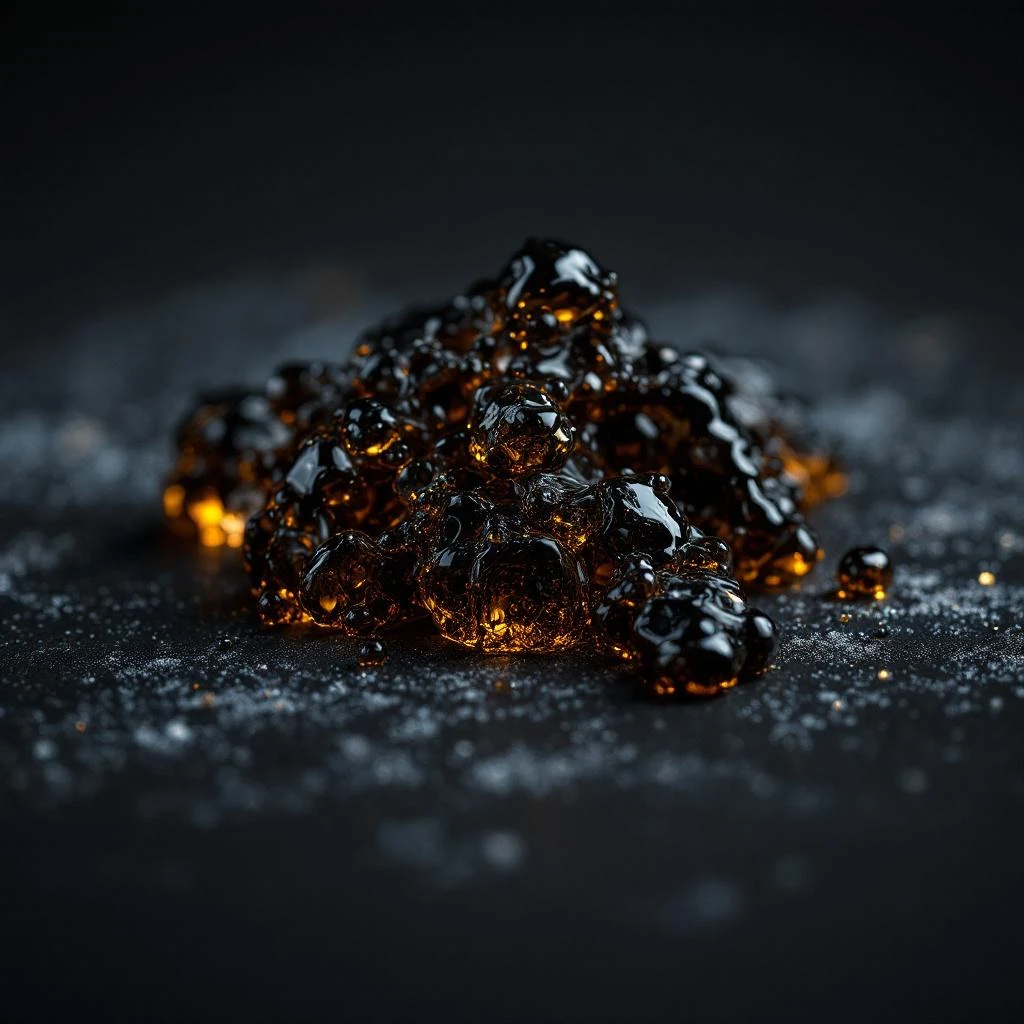
Ethiopian honey brings a warm, golden complexity to perfumery. Known for its rich, lingering sweetness with subtle floral and resinous undertones, this ingredient evokes sun-drenched apiaries and centuries of beekeeping tradition.
Character
How it smells
Liquid gold from ancient apiaries.
Ethiopian beekeepers traditionally use horizontal log hives that can be traced back over 1,000 years.


Origin
Ethiopia
Beekeeping has shaped Ethiopian culture for millennia. Wall paintings in ancient Ethiopian churches depict bees and honey as sacred symbols, while traditional apiculture using log hives remains largely unchanged across highland regions.
The country ranks among the world's largest honey producers, with rural communities depending on both honey and beeswax for trade and ceremonial purposes. Ethiopian honey appears in traditional medicinal preparations and food preservation, reflecting its cultural centrality.
Modern perfumery discovered Ethiopian honey's potential later than other regional varieties, with artisan producers beginning to isolate and stabilize its characteristic aroma compounds in the late 20th century. The ingredient now features in niche fragrances seeking authentic African aromatics.
Wears it best
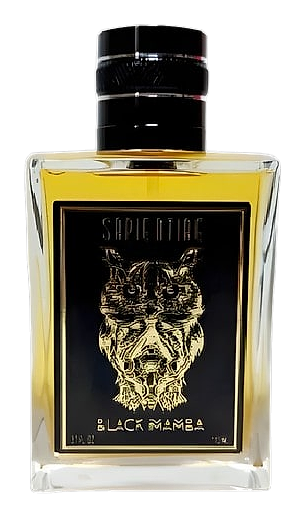
Fragrances featuring Ethiopian Honey
Brands
Brands known for Ethiopian Honey
Good to know
Questions, answered
The essentials on Ethiopian Honey in perfumery: how it smells, where it comes from, and how it behaves on skin.
What does Ethiopian honey smell like in fragrance?
Ethiopian honey typically presents warm, golden sweetness with floral and slightly resinous undertones. The aroma carries depth from diverse highland flora, offering complexity beyond simple sugar notes.
Is Ethiopian honey used as a natural or synthetic ingredient in perfumery?
Both forms exist. Natural Ethiopian honey absolute comes from solvent extraction, while honey accords blend natural and synthetic materials to capture the profile consistently.
What makes Ethiopian honey distinct from other honey used in perfumery?
Ethiopian honey benefits from diverse highland flora including wild sage, thyme, and sunflower, creating a complex profile with herbal undertones uncommon in monofloral honeys.
How is Ethiopian honey processed for fragrance use?
Primary extraction uses food-grade solvents to produce honey absolute. Alternative methods include beeswax absolute and CO2 extraction for different aromatic profiles.
What fragrances feature Ethiopian honey?
Ethiopian honey appears mainly in artisan and niche fragrances focusing on African ingredients or warm, honeyed compositions for both fine fragrance and functional perfumery.
Does Ethiopian honey have cultural significance in perfumery?
Beekeeping holds deep cultural roots in Ethiopia, with honey appearing in religious ceremonies and traditional medicine for centuries before entering modern perfumery.
What part of the bee product is used in fragrance?
Fragrance production primarily uses raw honey and beeswax, with secondary materials including propolis absolute for specific aromatic applications.
Why is Ethiopian honey considered rare in perfumery?
Limited commercial extraction infrastructure and focus on food production mean fragrance-grade Ethiopian honey remains scarce, appearing mainly in small-batch artisan products.