English Clove
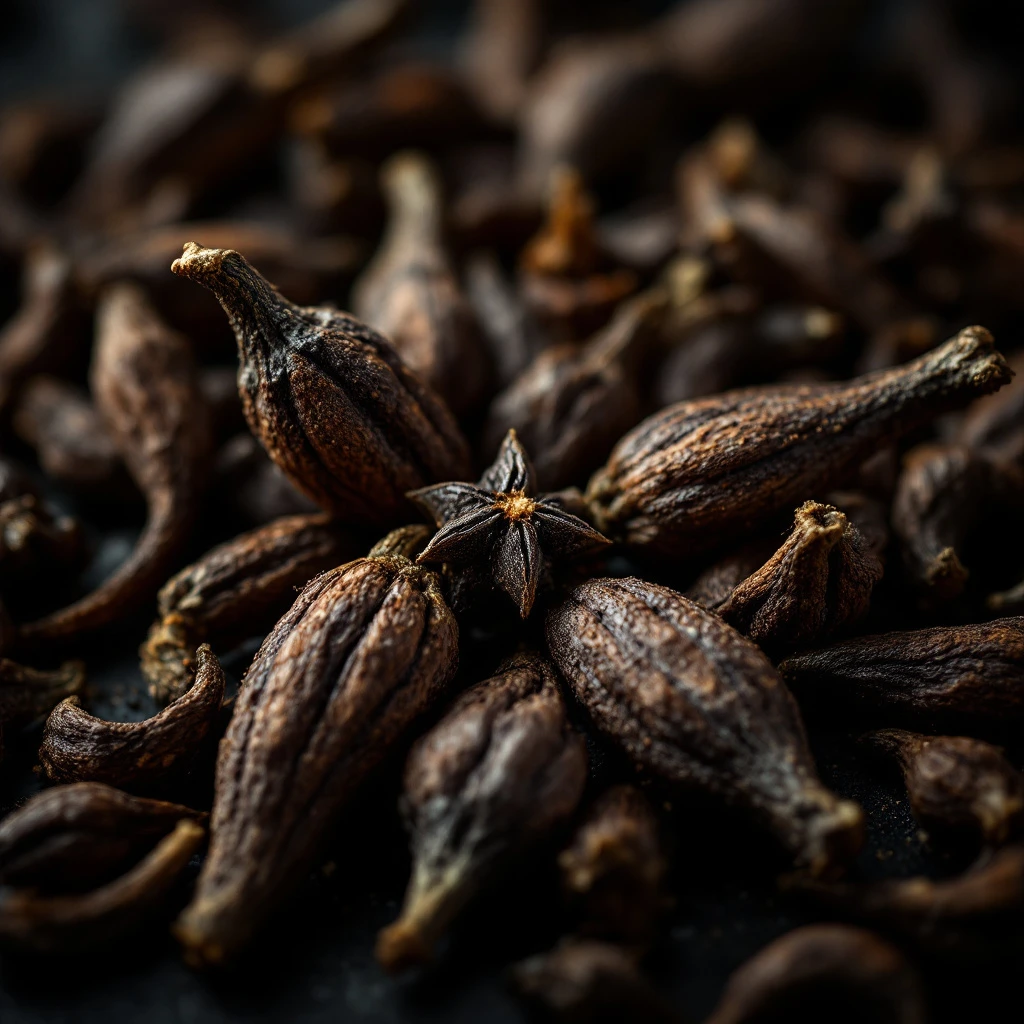
English Clove delivers a warm, spicy intensity that anchors oriental and woody compositions. The dried unopened flower buds release a sharp, almost medicinal heat, lending depth and longevity to fragrance builds.
Character
How it smells
Warm spice with serious structural power
One dried clove bud contains up to 20% essential oil by weight, making it one of the most concentrated aromatic materials in the spice cabinet.





Origin
Indonesia
Clove has a recorded spice history stretching back over two millennia, with origins in the Maluku Islands of Indonesia, once known as the Spice Islands. Chinese courtiers used cloves as breath fresheners during audiences with the Han dynasty emperor as early as the third century BCE. By the first century CE, cloves reached the Mediterranean through Arab traders, who guarded their sources carefully to protect the price.
The Dutch East India Company controlled global clove trade through the 17th and 18th centuries, even restricting cultivation to a single island at one point. In European perfumery and pharmacy, clove oil became a staple ingredient, valued both for its fragrance and its antiseptic properties. Early perfumers incorporated it into pomanders, incense blends, and therapeutic preparations.
When modern perfumery emerged in the late 19th century, clove transitioned naturally into structured fragrance compositions, particularly oriental and spice-forward formats. Its high eugenol content made it a reliable fixative, anchoring fleeting top notes while contributing a recognizable warmth. Today, clove remains a cornerstone of traditional fragrance families, bridging ancient apothecary traditions with contemporary composition techniques.
Wears it best
Fragrances featuring English Clove
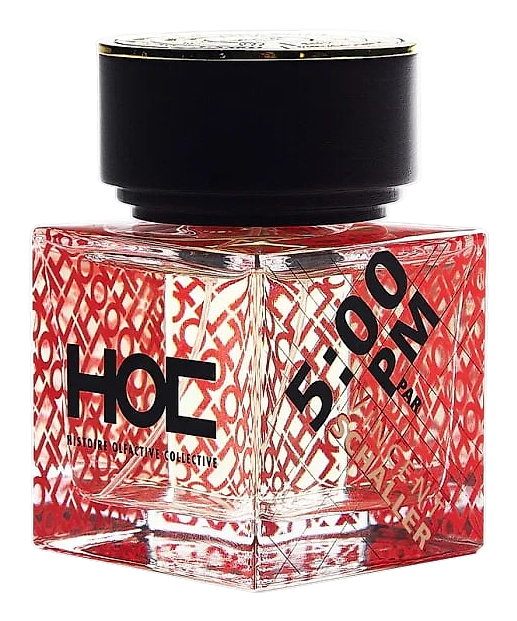
Brands
Brands known for English Clove
Good to know
Questions, answered
The essentials on English Clove in perfumery: how it smells, where it comes from, and how it behaves on skin.
What does English Clove smell like in perfume?
English Clove smells intensely warm, spicy, and slightly sweet with a faintly medicinal edge. Its dominant eugenol content, typically 70 to 90 percent of the oil, creates that characteristic sharp heat most people recognize from the kitchen spice jar.
Is clove used in modern perfumery?
Yes, clove is a common ingredient in modern perfumery, particularly in oriental, spicy, and woody fragrance families. Its high eugenol concentration makes it both a recognizable scent component and an effective fixative that extends the life of lighter top notes.
Where does clove originally come from?
Clove originates from the Maluku Islands in Indonesia, historically called the Spice Islands. The buds grow on Syzygium aromaticum trees and have been traded internationally for over 2,000 years through Chinese, Arab, and later European merchant networks.
How is clove oil extracted for fragrance?
Clove oil is extracted through steam distillation of dried, unopened flower buds. Pressurized steam ruptures the oil glands in the crushed buds, carrying the volatile compounds into a condenser where the essential oil separates from the water for collection.
What fragrance families does clove belong to?
Clove belongs primarily to the spicy and oriental fragrance families. It also appears in certain fougère and woody compositions, where its warmth adds complexity and its fixative properties help stabilize more volatile ingredients in the formula.
Is clove oil safe to apply to skin?
Pure clove oil contains high eugenol concentrations that can irritate skin and cause sensitization in some individuals. Perfumers always dilute it within formula limits, and finished fragrances contain clove oil at concentrations considered non-irritating for typical use.
What is eugenol and why does it matter?
Eugenol is the primary aromatic compound in clove oil, making up 70 to 90 percent of its composition. It produces clove's signature warm, spicy scent and possesses natural antiseptic qualities that made clove valuable in traditional medicine long before perfumery.
Can clove be replaced with synthetic alternatives?
Yes, synthetic eugenol and iso-eugenol are common substitutes used to replicate clove's characteristic warmth. These synthetic versions offer cost stability and batch consistency, though some perfumers argue natural clove oil provides a rounder, more complex aromatic profile.