Chocolate Fudge
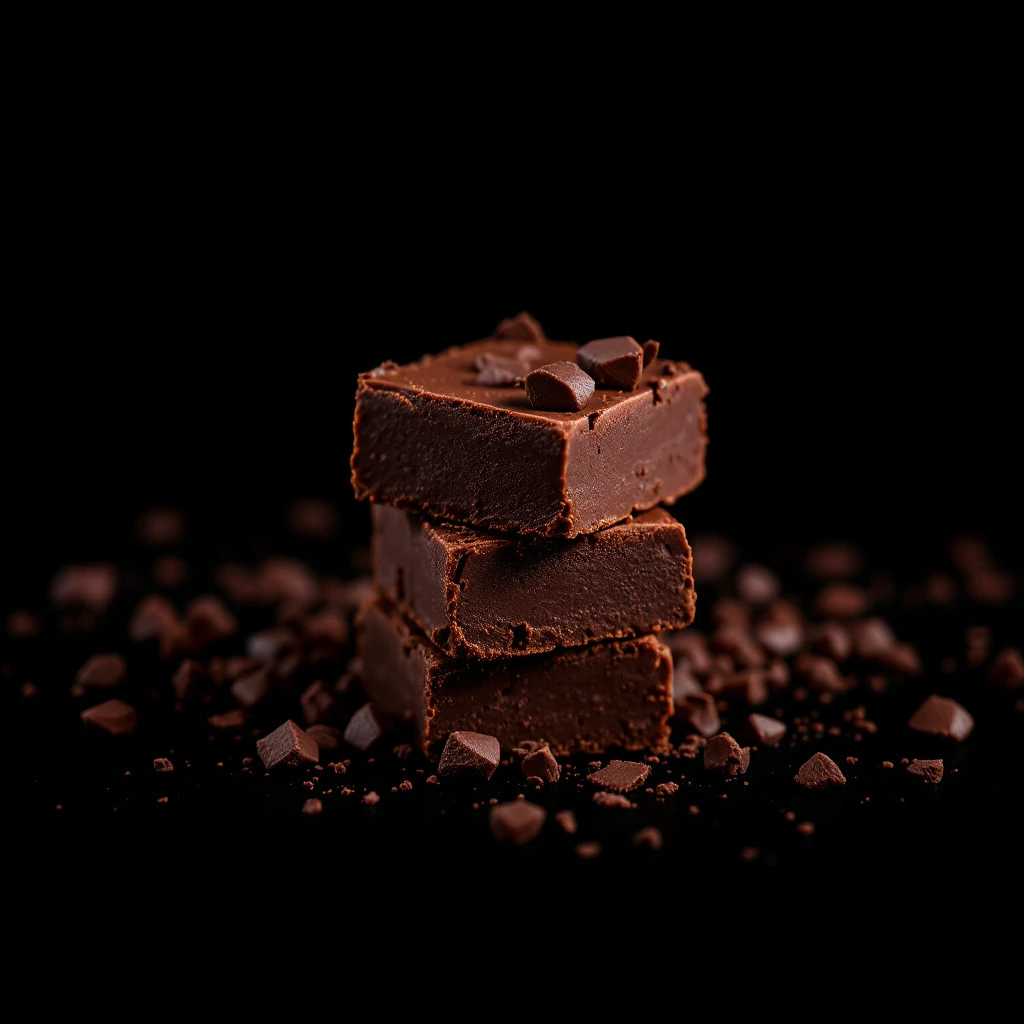
Chocolate Fudge is a rich, indulgent gourmand note that captures the essence of warm chocolate fudge. In perfumery, it functions as a base note, lending depth, sweetness, and a comforting quality to fragrances. This synthetic aromatic recreates the buttery, caramelized character of fudge with remarkable fidelity, making it a staple in warm, edible-inspired compositions.
Character
How it smells
Rich cocoa warmth wrapped in buttery sweetness, grounding fragrances with indulgent depth.
The chocolate note in perfumery gained mainstream popularity only in 1992, when Thierry Mugler launched Angel, revolutionizing the gourmand fragrance category with its edible chocolate character.






Origin
France
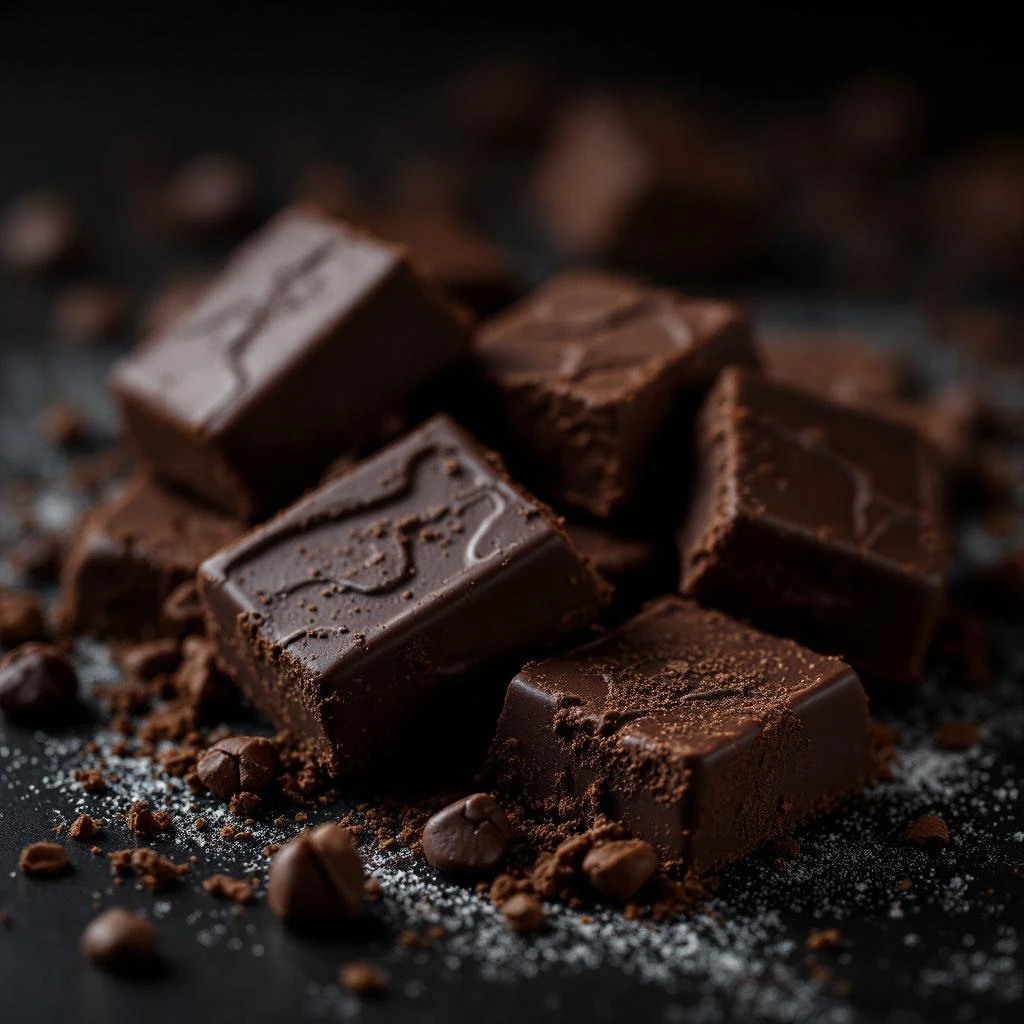
Chocolate's journey into perfumery begins with its sacred origins among the Maya and Aztecs, who valued cacao above gold. The beans were ground into paste and combined with spices to create ceremonial beverages believed to grant wisdom and vitality. European explorers later sweetened these preparations, eventually inspiring chocolate houses across 17th-century Europe.
For centuries, perfumers could only reference chocolate metaphorically through existing ingredients like vanilla, tonka bean, and benzoin. True chocolate notes remained elusive until modern aromatic chemistry made them possible. The 1992 launch of Thierry Mugler Angel marked a turning point, proving that chocolate could anchor a major fragrance and revolutionizing how perfumers approached edible-inspired compositions. Today, Chocolate Fudge notes appear across countless fragrances, from oriental blockbusters to intimate indie blends, carrying forward an ingredient whose cultural significance spans three millennia.
Wears it best
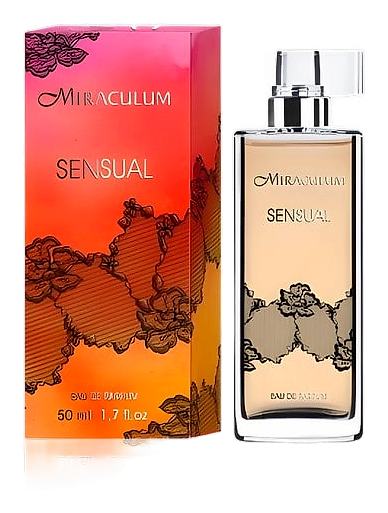
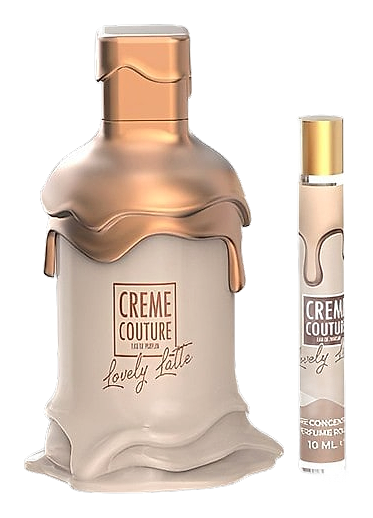
Fragrances featuring Chocolate Fudge


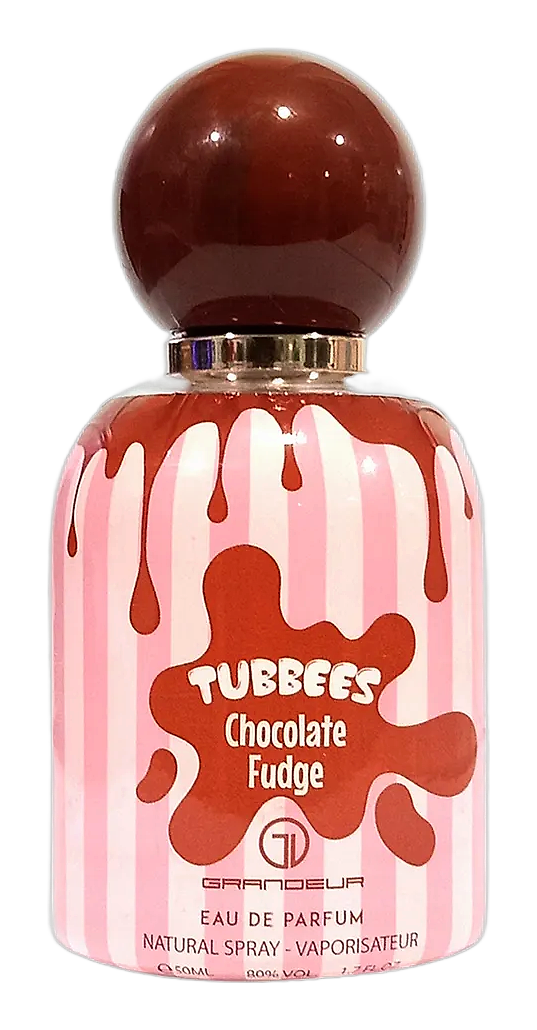
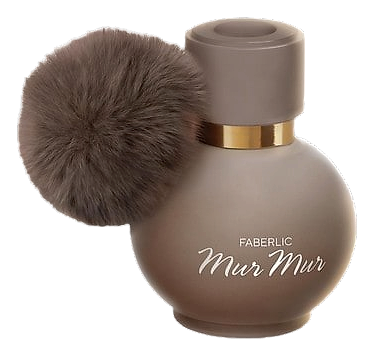
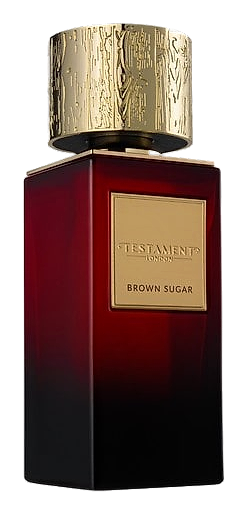
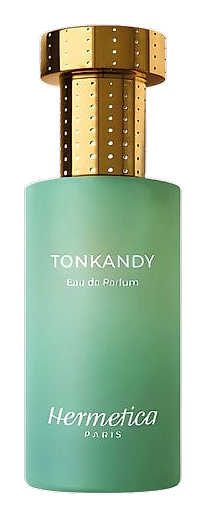
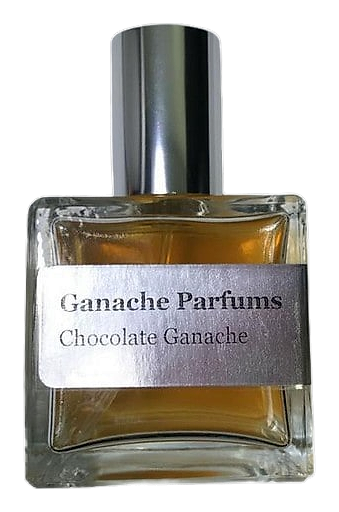
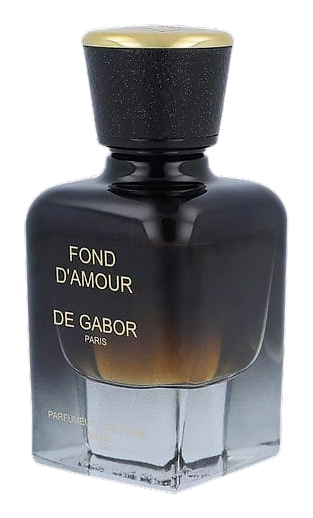
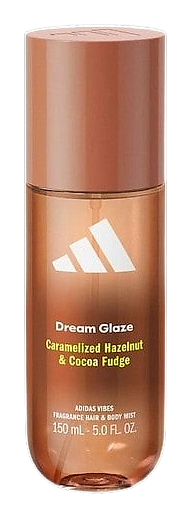
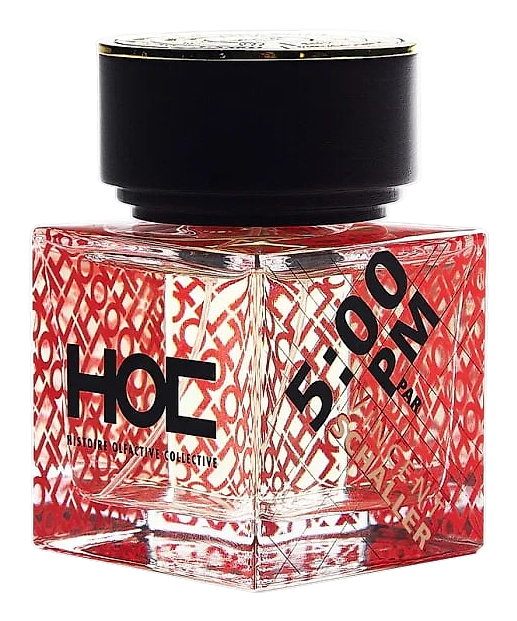
Brands
Brands known for Chocolate Fudge
Good to know
Questions, answered
The essentials on Chocolate Fudge in perfumery: how it smells, where it comes from, and how it behaves on skin.
What does Chocolate Fudge smell like in perfume?
Chocolate Fudge delivers a rich, edible aroma combining sweet vanilla, warm cocoa, and buttery caramel notes. It smells like melted chocolate fudge cooling on a counter, with a smooth, slightly creamy character. The note evokes comfort food without actual food content, lasting several hours on skin.
Why is Chocolate Fudge used in perfumery?
Chocolate Fudge adds warmth, depth, and emotional resonance to fragrances. It functions as a fixative, slowing evaporation of lighter notes and extending fragrance longevity. The note satisfies the human attraction to edible scents, a phenomenon perfumers call the "gourmand effect," driving significant commercial success in the category.
Is Chocolate Fudge in perfume natural or synthetic?
Chocolate Fudge is synthetic, composed of lab-created aromatic molecules like vanillin, coumarin derivatives, and lactones. Natural cacao extraction would be prohibitively expensive and yield inconsistent results. Modern synthetic chemistry allows perfumers to engineer the exact sweet, buttery chocolate fudge character with precision and sustainability.
What famous perfumes contain Chocolate Fudge?
Angel by Thierry Mugler (1992) pioneered chocolate notes in mainstream perfumery, inspiring hundreds of chocolate fragrances since. Other notable mentions include La Vie est Belle by Lancome, Black Opium by Yves Saint Laurent, and numerous niche fragrances from houses like Kilian, Byredo, and Atelier Cologne that feature chocolate fudge as a signature base note.
Is Chocolate Fudge a top note, heart note, or base note?
Chocolate Fudge is primarily a base note, emerging 30 to 60 minutes after application and persisting for 6 or more hours. Perfumers position it late in the fragrance pyramid because its molecular weight is heavier, allowing it to linger closest to the skin and create the lasting impression of warmth and comfort.
What notes pair well with Chocolate Fudge in perfume?
Chocolate Fudge harmonizes naturally with vanilla, caramel, tonka bean, and benzoin for enhanced sweetness. It pairs strikingly with amber, sandalwood, and patchouli for oriental depth. Adventurous combinations include rose, incense, and even tobacco, where chocolate fudge adds unexpected edible richness to traditionally masculine compositions.
How is Chocolate Fudge extracted?
Chocolate Fudge is not extracted but synthesized in laboratories through organic chemistry processes. Perfumers combine specific aromatic molecules, including vanillin (the primary component of vanilla, representing about 95% of natural vanilla's aroma) and cocoa ketone derivatives, to create a consistent, concentrated ingredient. This method ensures reproducibility across batches without seasonal or geographical variation.
Is Chocolate Fudge used in men's or women's fragrances?
Chocolate Fudge crosses gender boundaries, appearing in both women's and men's fragrances. While prevalent in sweet, oriental, and gourmand compositions marketed to women, it equally enhances masculine fragrances when paired with leather, tobacco, oud, or vetiver. The note's versatility makes it one of the few chocolate ingredients equally at home in any fragrance gender category.