Dried Cherry
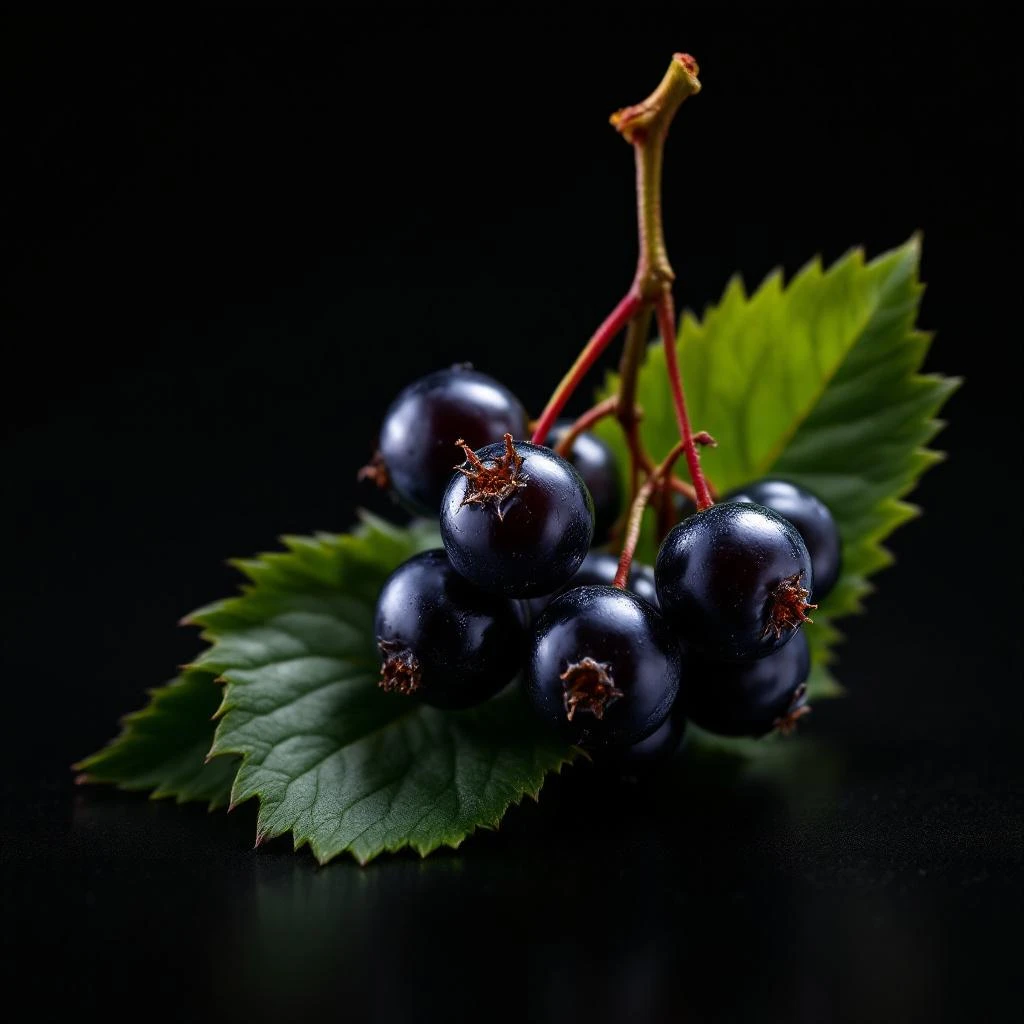
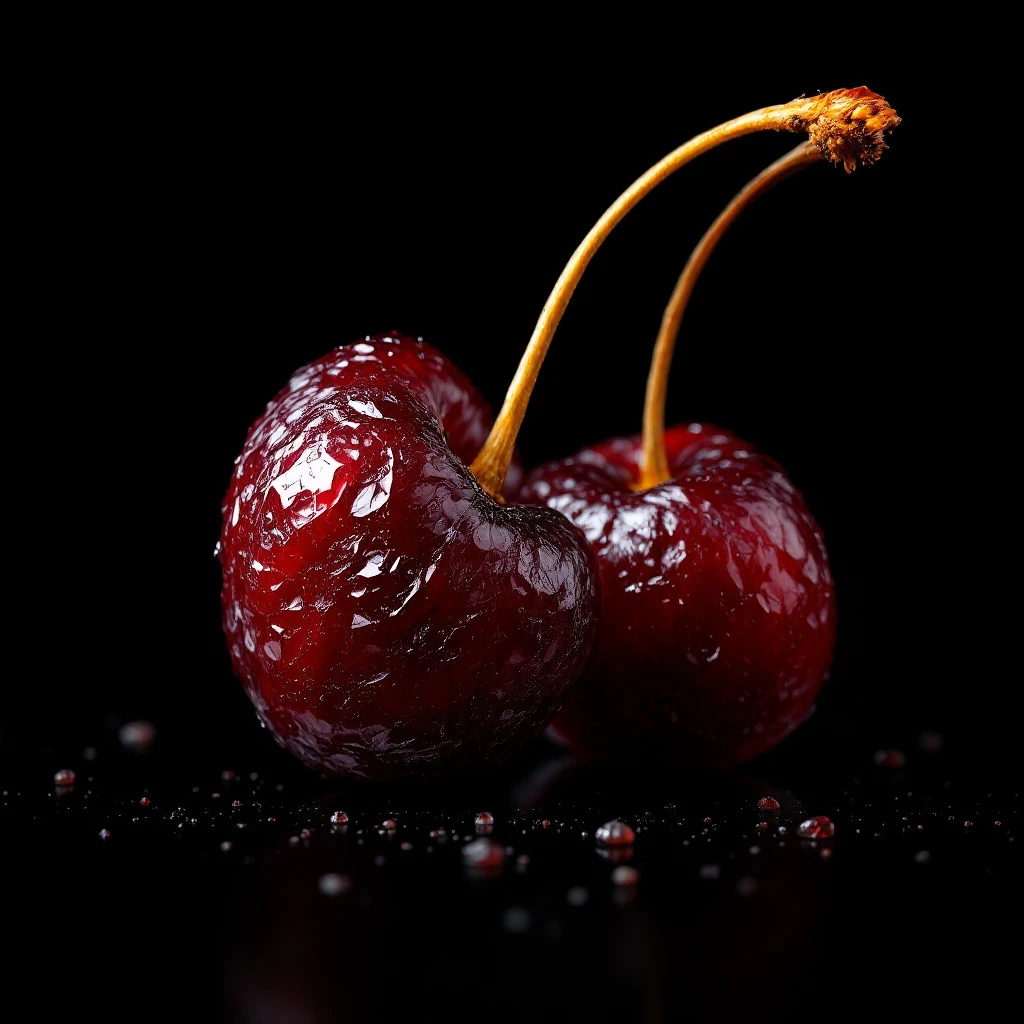
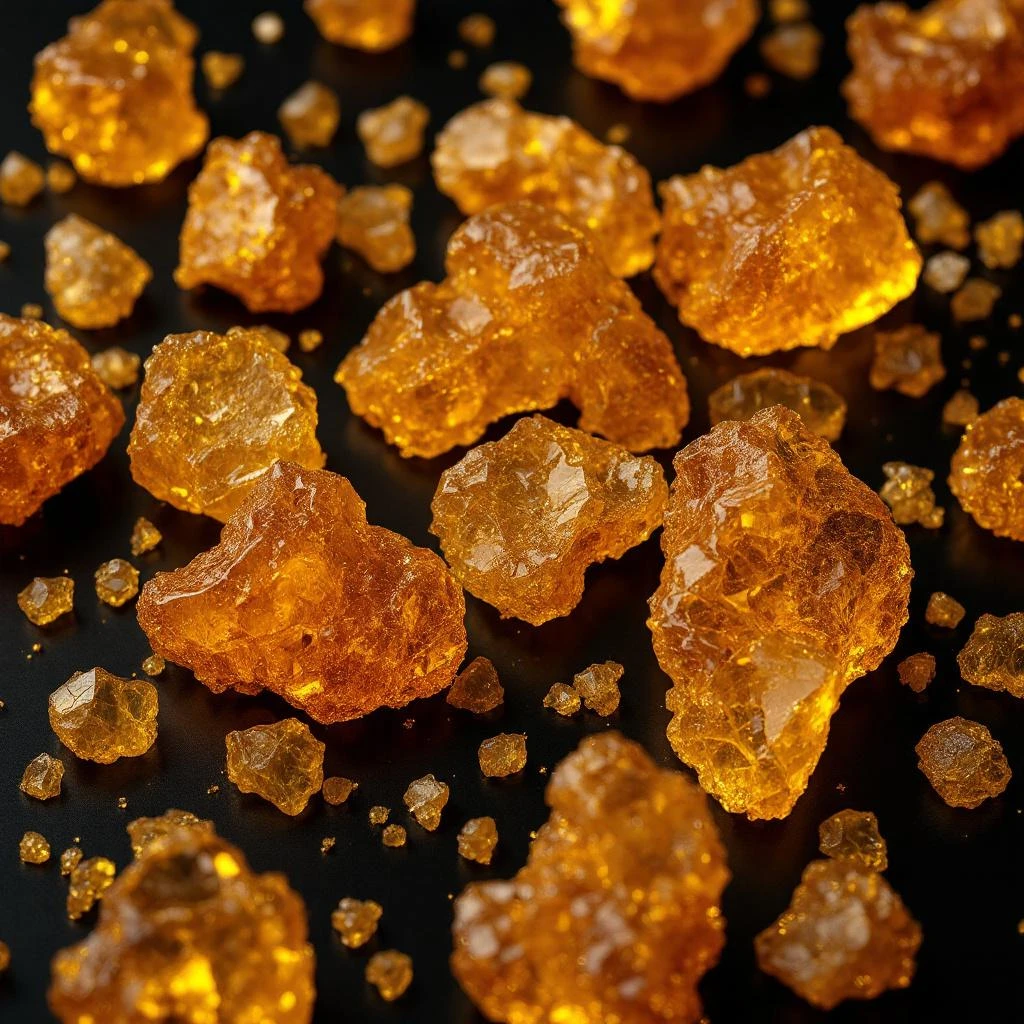
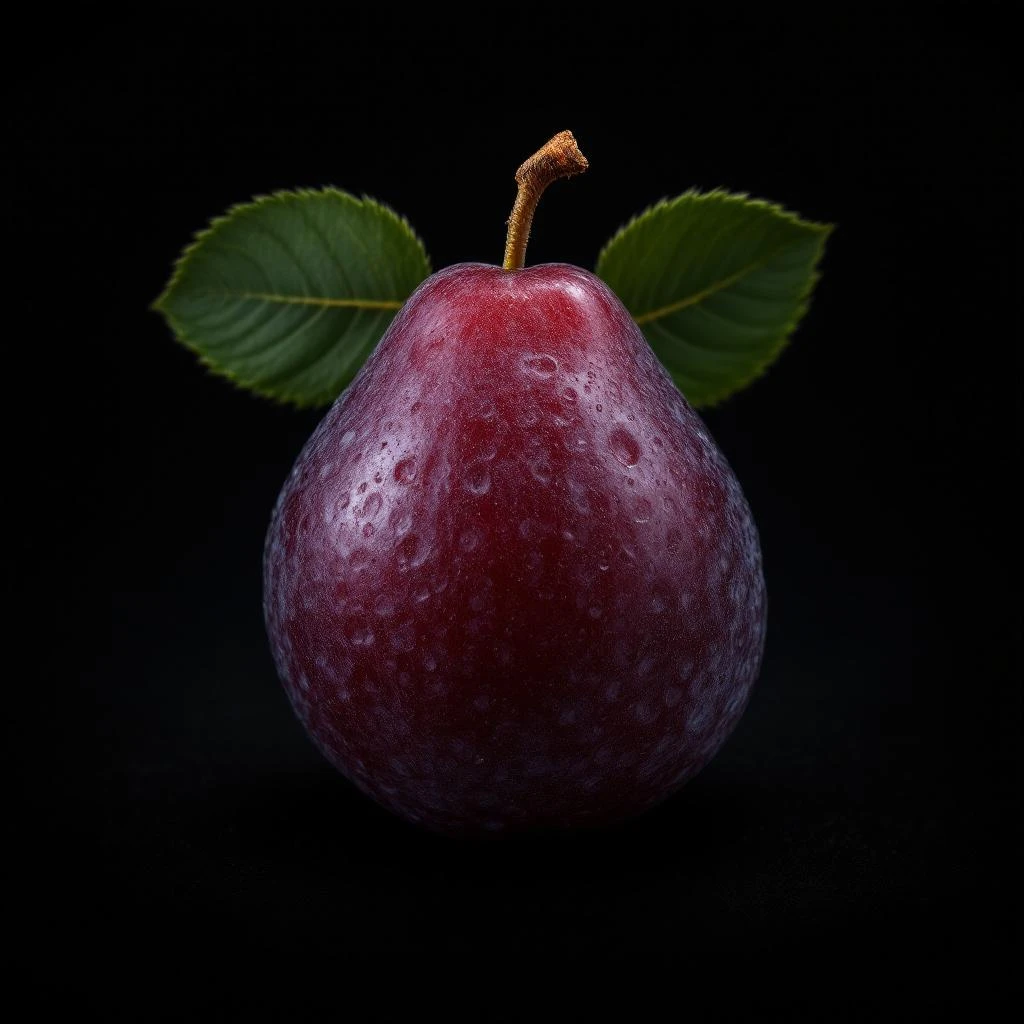
Dried cherry brings a rich, jammy sweetness to fragrances with undertones of bitter almond from its pit. This warmth creates an addictive, edible quality that makes it a favorite in modern orientals and Gourmand perfumes.
Character
How it smells
The sweet, jammy heart of modern gourmand perfumery.
The signature cherry scent comes from benzaldehyde, the same compound that gives bitter almonds their distinctive aroma.




Origin
Turkey
Cherries have ancient roots in human cultivation, with the fruit appearing in archaeological sites across Europe and Asia dating back thousands of years. Prunus cerasus, the sour cherry, likely originated from wild species in the Caucasus and Caspian Sea regions before spreading through ancient trade routes.
While cherry wood occasionally appeared in perfumery for its subtle woody undertones, the fruit itself held little traditional role as a fragrance material. The chemistry of cherry transformed with modern perfumery.
Benzaldehyde was first isolated in 1863, and by the late nineteenth century, synthetic compounds began reshaping fragrance creation. This breakthrough allowed perfumers to capture cherry's characteristic sweet-to-bitter almond character without depending on agricultural limitations, opening the door for consistent, year-round use of cherry notes in fragrance compositions.
Wears it best
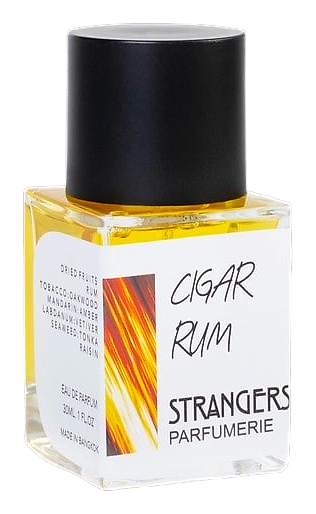
Fragrances featuring Dried Cherry
Brands
Brands known for Dried Cherry
Good to know
Questions, answered
The essentials on Dried Cherry in perfumery: how it smells, where it comes from, and how it behaves on skin.
What does dried cherry smell like in perfumery?
Dried cherry presents as sweet and jammy with warm, edible qualities. The kernels contribute a subtle bitter almond nuance that balances the sweetness. Together, these elements create that characteristic sweet-to-tart cherry effect found in modern fragrances.
Is dried cherry a natural or synthetic ingredient?
Cherry fragrance in perfumery is predominantly synthetic. Natural cherry absolute exists but remains rare and expensive. Most perfumers use synthetic benzaldehyde as a practical alternative for recreating the characteristic cherry scent in commercial fragrances.
What fragrance families pair well with dried cherry?
Dried cherry harmonizes naturally with vanillic, amaretto, and floral notes like rose or jasmine. Gourmand pairings include tonka bean, praline, chocolate, and warm spices. Cherry sits naturally within fruity, oriental, and gourmand fragrance families.
Why do cherries and bitter almonds smell similar?
Cherry kernels contain prunasin, which breaks down enzymatically into glucose, hydrogen cyanide, and benzaldehyde. Bitter almonds contain amygdalin, which breaks down into the same three compounds. Despite being unrelated plants, both produce identical aromatic molecules.
When did dried cherry become prominent in perfumery?
Gourmand fragrances brought dried cherry into modern perfumery during the 1990s and early 2000s. Once considered a casual fruity note, cherry ascended to a sophisticated gourmand ingredient. Today it serves as a cornerstone of contemporary oriental and dessert-inspired compositions.
How much dried cherry appears in typical fragrances?
Dried cherry and synthetic cherry compounds typically comprise between 2-15% of a fragrance formula depending on the desired effect. Top-of-heart placement delivers immediate fruity sweetness, while heart or base positioning creates a more persistent, lingering presence throughout wear.
What creates the bitter almond note in dried cherry?
Benzaldehyde creates the characteristic bitter almond nuance found in cherry kernels. Fruity esters like isoamyl acetate contribute the jammy sweetness, while compounds like maltol add warm, caramel-like depth. These molecules together produce the complete dried cherry profile.
How does synthetic production compare to natural cherry extraction?
Synthetic benzaldehyde offers consistency, year-round availability, and cost-effectiveness that natural extraction cannot match. Natural benzaldehyde from cherry pits yields minimal quantities, making synthetic alternatives both practical and sustainable for commercial perfumery.