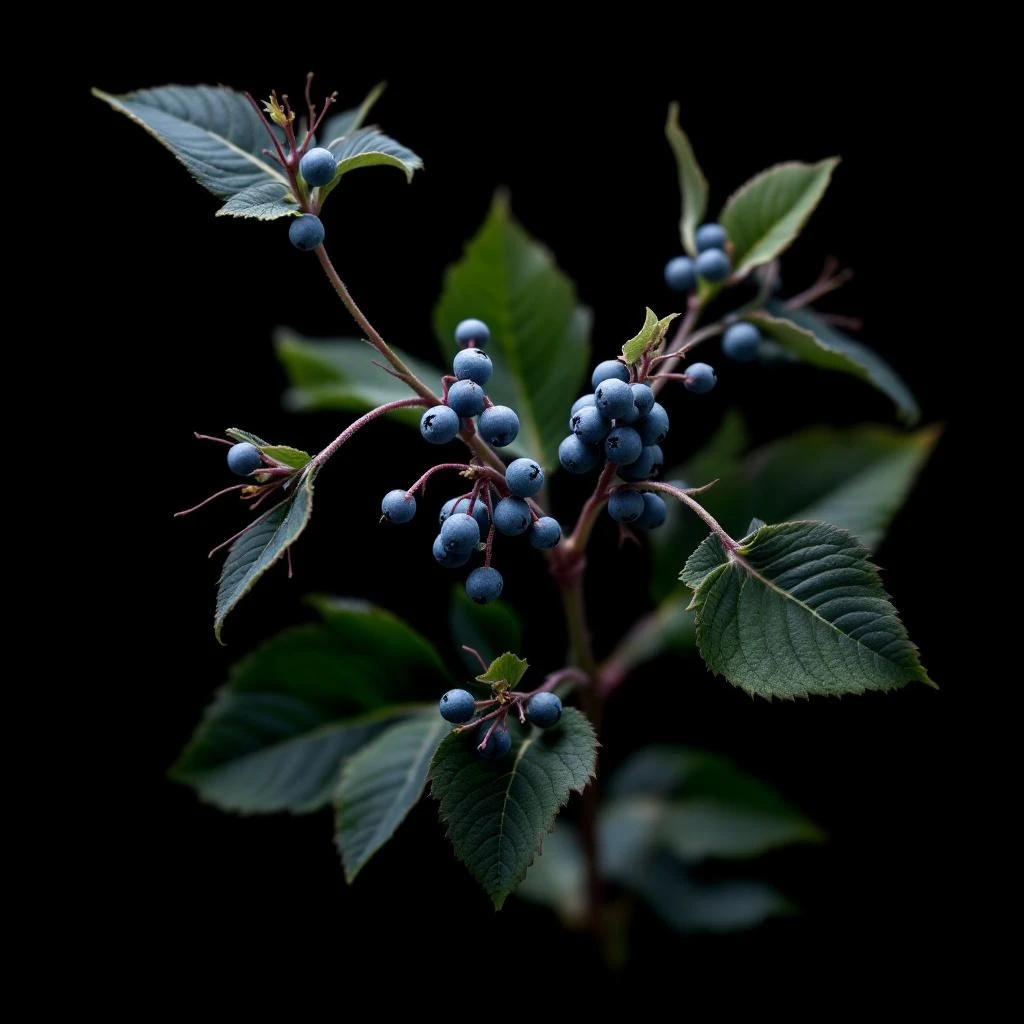
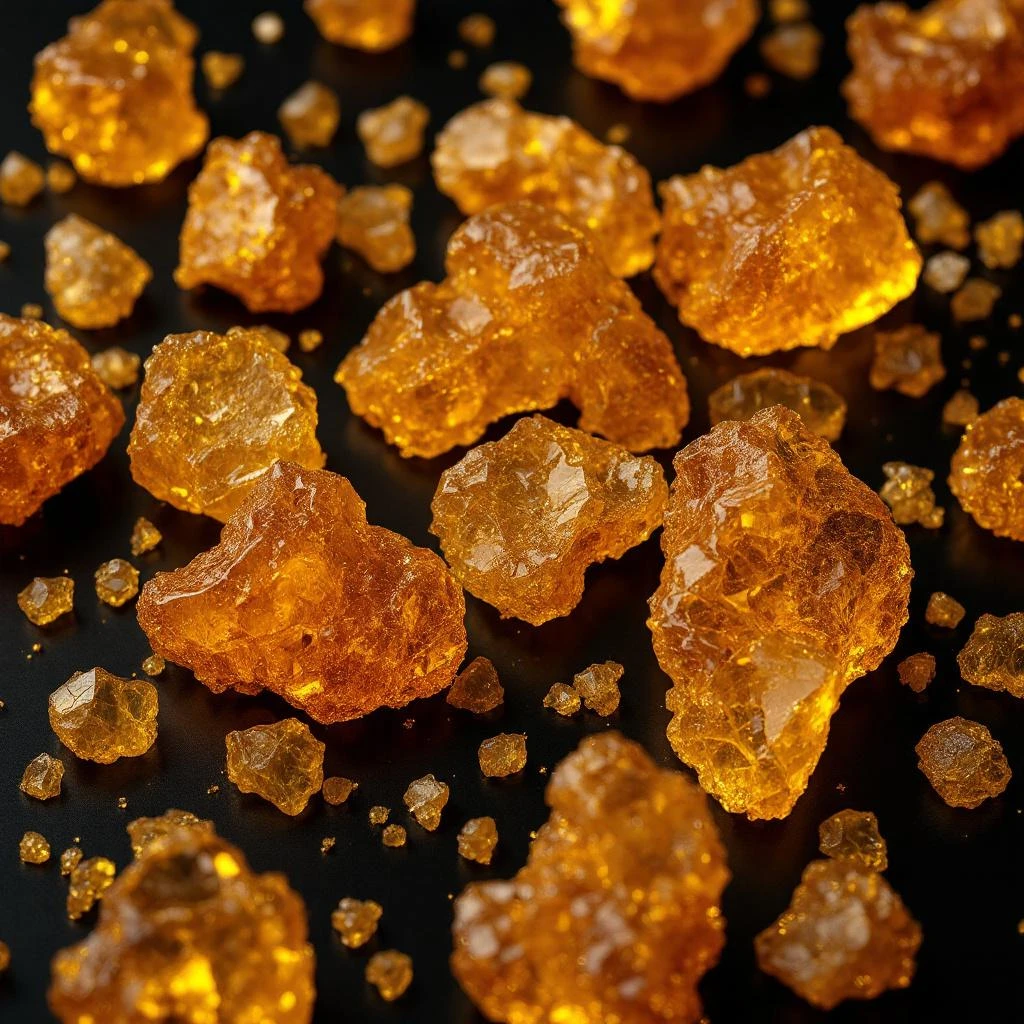
Dragon's Blood Resin
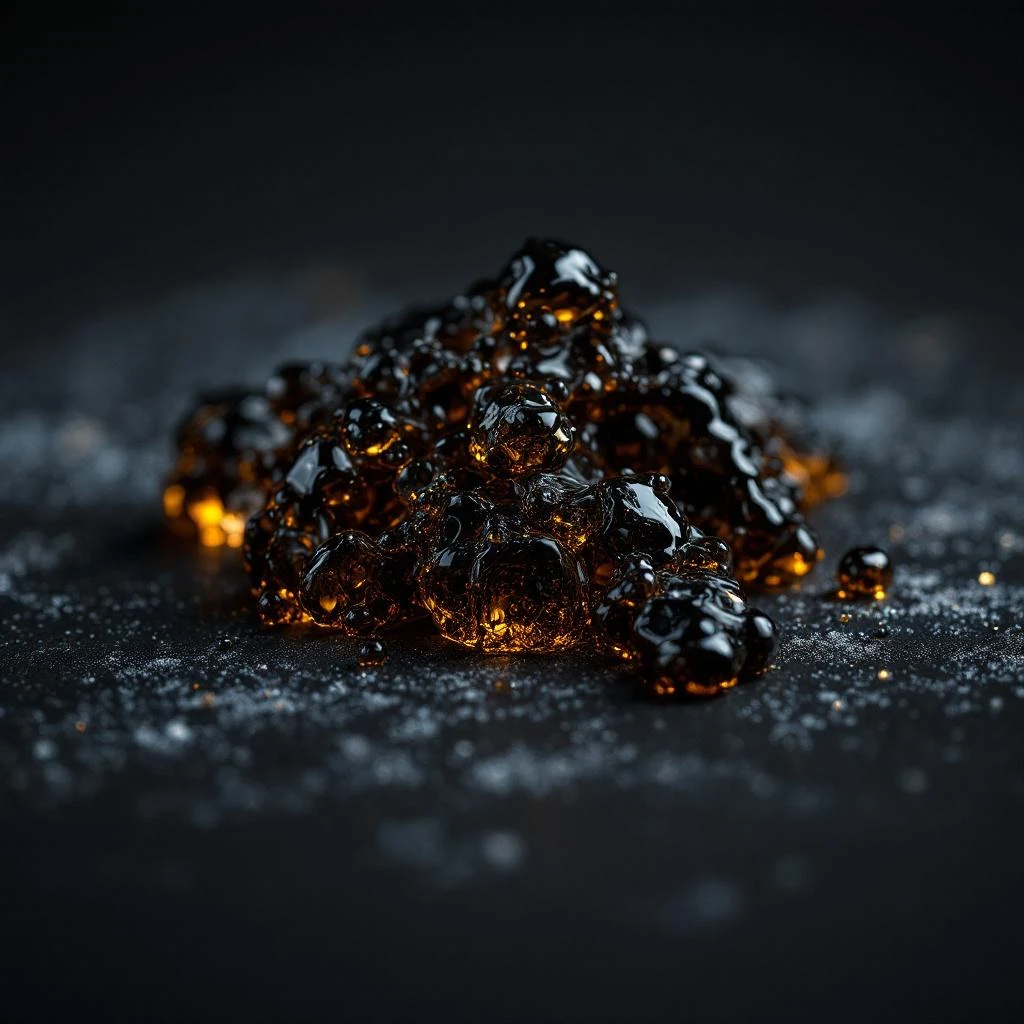
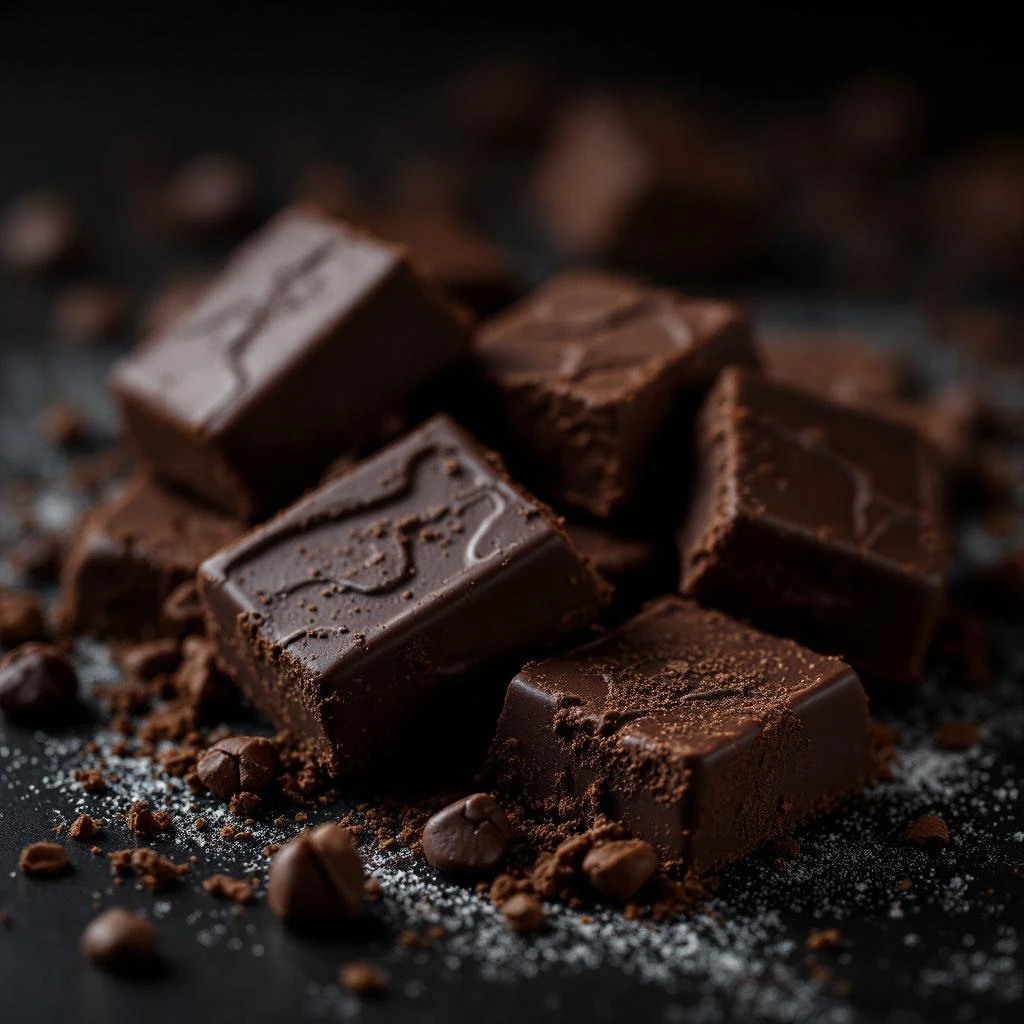
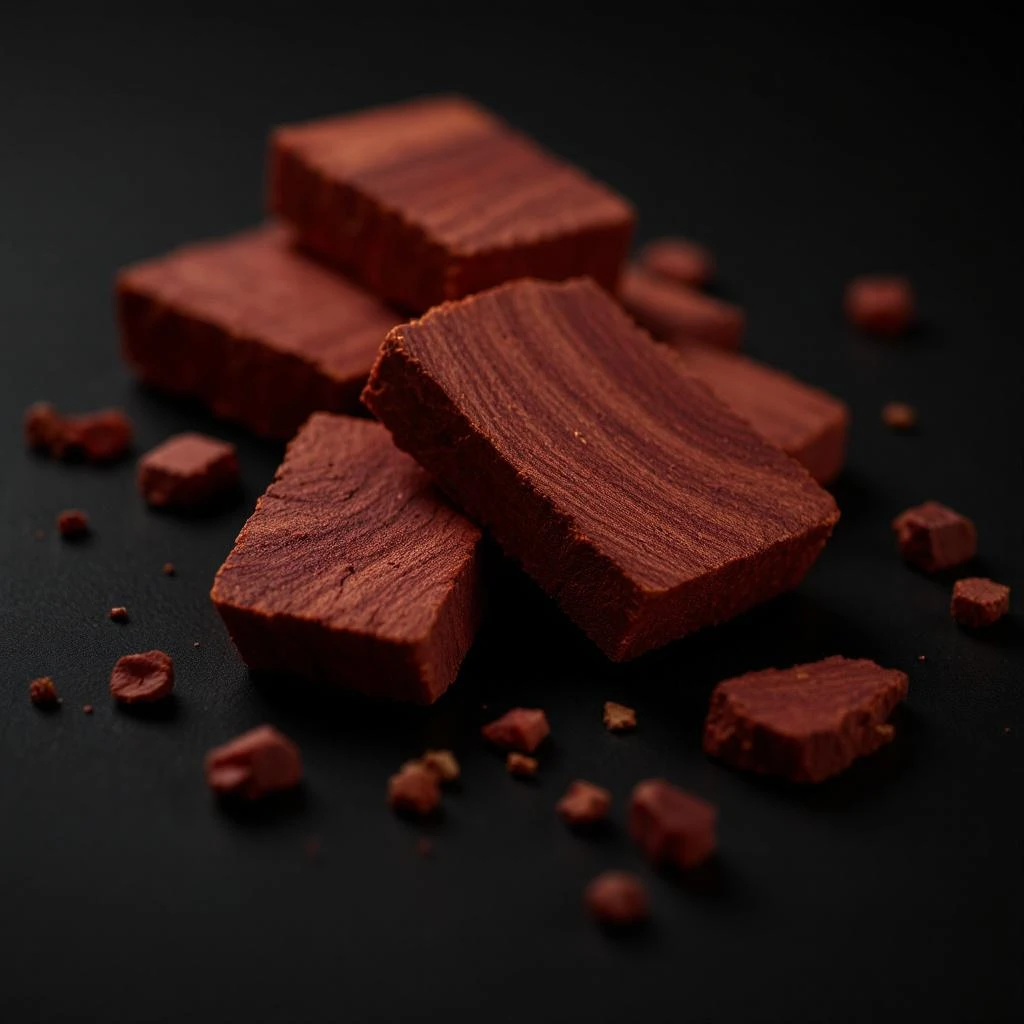
A crimson resin that bleeds from ancient trees, Dragon's Blood has scented graves, stained manuscripts, and perfumed the world's finest fragrances for millennia. Its smoky, honeyed warmth creates an unforgettable base that anchors any composition.
Character
How it smells
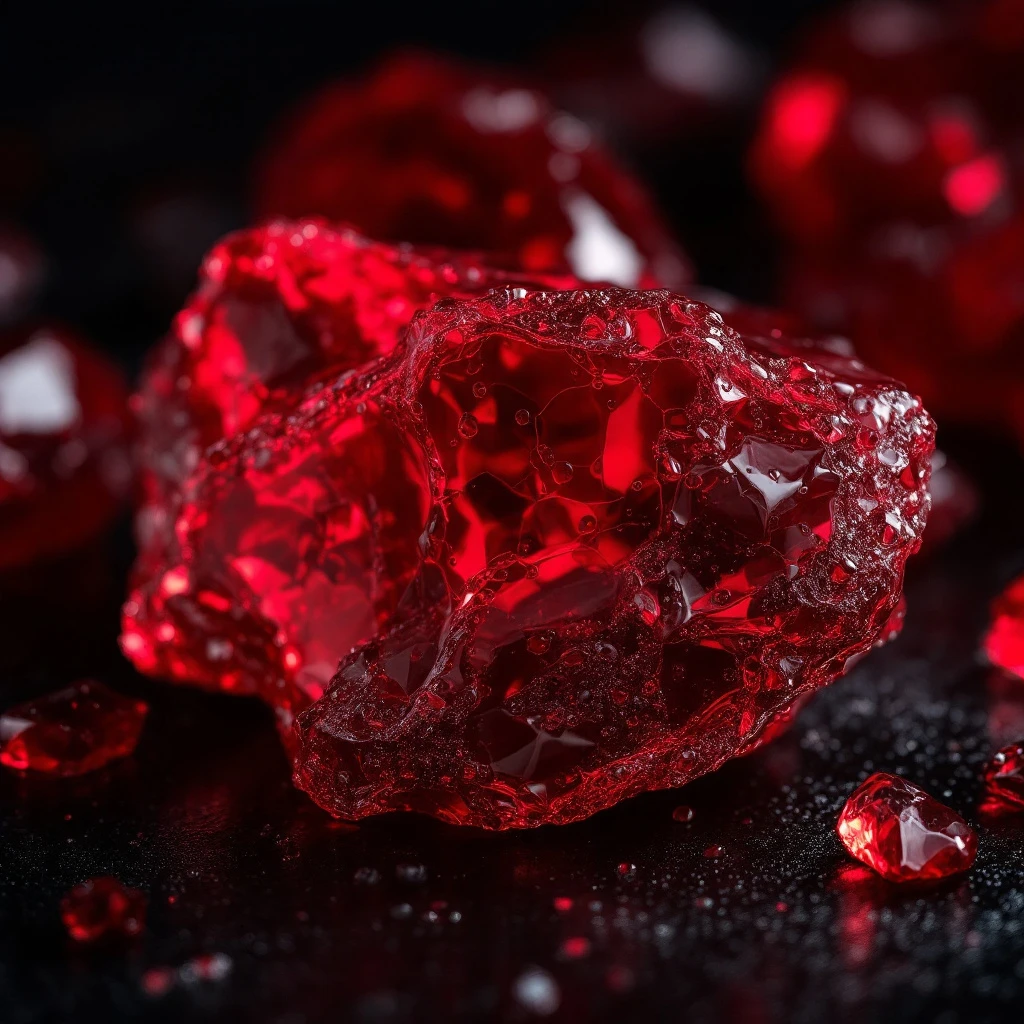
Crimson resin. Ancient strength. Smoky warmth.
The striking name comes from both the vivid red color and ancient folklore that credited mythical dragons as the source of this extraordinary substance.


Origin
Yemen
Dragon's Blood resin has a history stretching back over two millennia. Traditional Chinese Medicine employed it as early as the Han Dynasty (206 BCE to 220 CE) for its purported circulatory and wound-healing properties. The ancient Romans and Greeks encountered it through Arabian trade routes, using it as a pigment for manuscripts and medicines.
Arab physicians documented its astringent and anti-inflammatory applications, while the resin made its way westward along the Incense Road to become a valued commodity in European apothecaries. In South America, Croton species provided a separate Dragon's Blood tradition used by indigenous peoples in ritual and medicine. The dramatic name itself reflects both the vivid crimson color and the mystique that surrounded such exotic materials in ancient trade.
Socotra's Dracaena cinnabari, whose umbrella-shaped silhouette has become iconic, produces perhaps the most prized variety. Today, perfumers continue to value this ancient material for the depth and staying power it brings to the base of a fragrance composition.
Wears it best
Fragrances featuring Dragon's Blood Resin

Brands
Brands known for Dragon's Blood Resin
Good to know
Questions, answered
The essentials on Dragon's Blood Resin in perfumery: how it smells, where it comes from, and how it behaves on skin.
What is Dragon's Blood resin?
Dragon's Blood is a crimson resin produced by several plant genera, including Dracaena, Daemonorops, Croton, and Pterocarpus. Perfumery typically uses resin from Dracaena cinnabari trees native to Yemen's Socotra archipelago. It functions as a fixative and base note in fragrance compositions.
How is Dragon's Blood harvested?
Harvesters make incisions into the bark of living trees, allowing the red sap to bleed out and harden naturally upon exposure to air. For Dracaena trees, the process involves wounding the trunk and collecting the thick exudate that pools. The hardened resin is then dissolved in alcohol or other solvents for perfumery use.
Why is it called Dragon's Blood?
The name reflects the vivid blood-red color of the resin and dates back to ancient folklore. Ancient peoples believed mythical dragons were the source of this extraordinary red substance, lending the material an air of mystery that persists in perfumery today.
What does Dragon's Blood smell like?
Dragon's Blood resin has a complex aromatic profile described as earthy, balsamic, and sweet, with distinct honey and burnt sugar notes. Subtle floral and fruity undertones emerge when the resin is burned. As a perfumery material, it adds warmth, depth, and a smoky richness to the base of a fragrance.
Does Dragon's Blood come from a single plant species?
No. Dragon's Blood is produced by multiple botanical genera across different regions. Dracaena cinnabari grows on Socotra and the Canary Islands, Daemonorops rattan palms are native to Southeast Asia, Croton species are found in the Americas, and Pterocarpus grows in Africa and India. Each source yields a slightly different resin.
Is Dragon's Blood a sustainable ingredient?
Yes, when sourced responsibly. The resin is harvested through controlled bark incisions that allow trees to regenerate over time. Dracaena cinnabari trees on Socotra can continue producing resin for years after careful harvesting. Reputable suppliers work directly with harvesters to ensure long-term sustainability of both the trees and the communities that depend on them.
What role does Dragon's Blood play in perfumery?
Dragon's Blood functions primarily as a base note and fixative. It anchors lighter top and heart notes, extending their longevity on the skin. The resin also adds depth, warmth, and a distinctive smoky richness that makes it particularly valuable in oriental, chypre, and woody fragrance families.
Has Dragon's Blood been used historically beyond perfumery?
Yes. Dragon's Blood resin was used in Traditional Chinese Medicine as early as the Han Dynasty (206 BCE to 220 CE). Ancient Romans and Greeks used it as a pigment for manuscripts and medicines. Arab physicians documented its astringent properties, and South American cultures employed Croton-derived resin in shamanic rituals and traditional medicine.