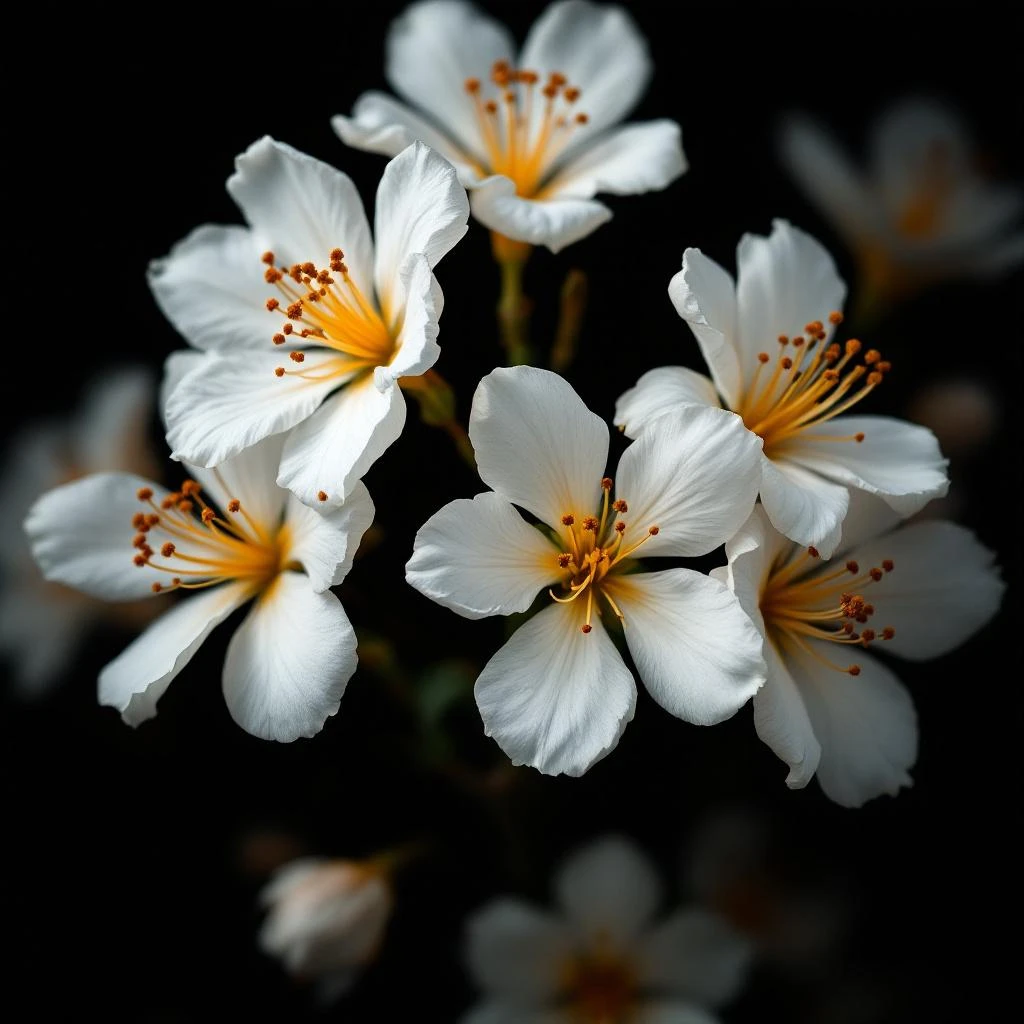
Dominican Tangerine
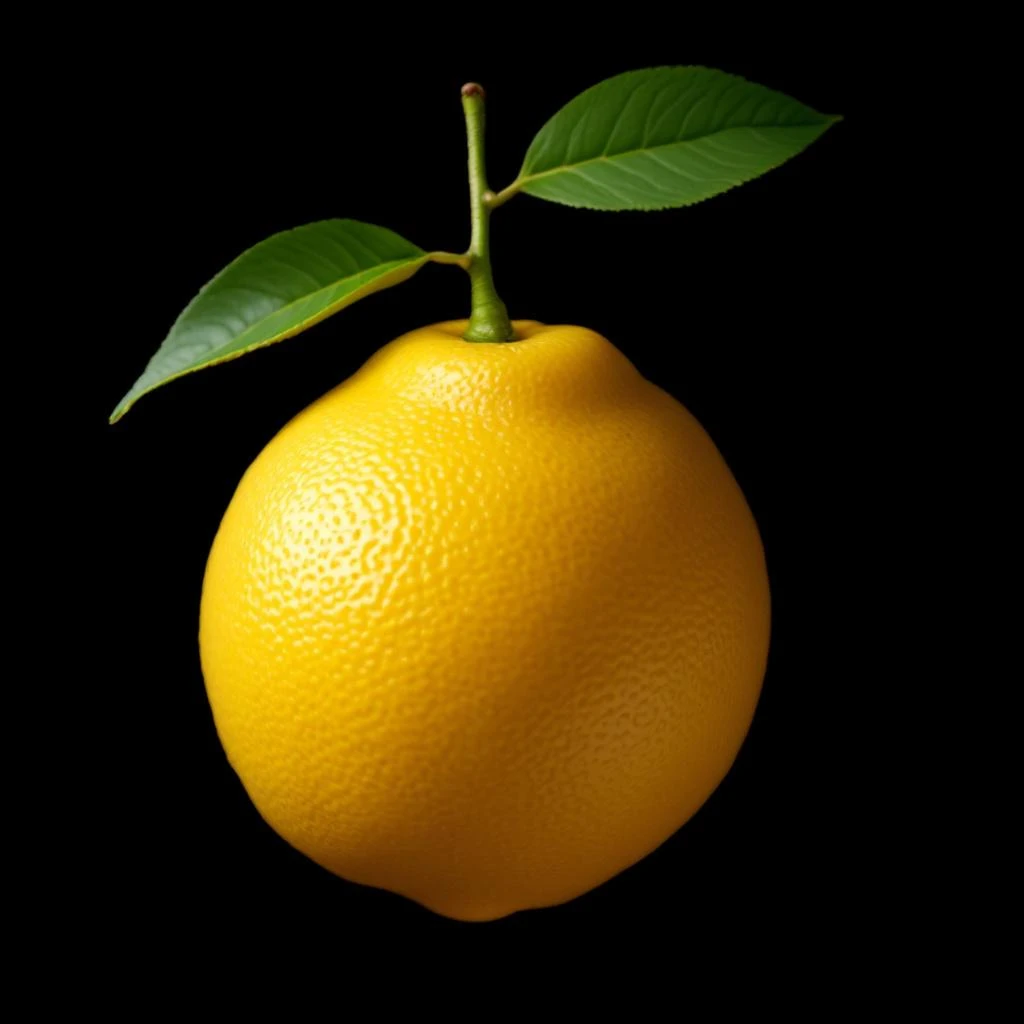
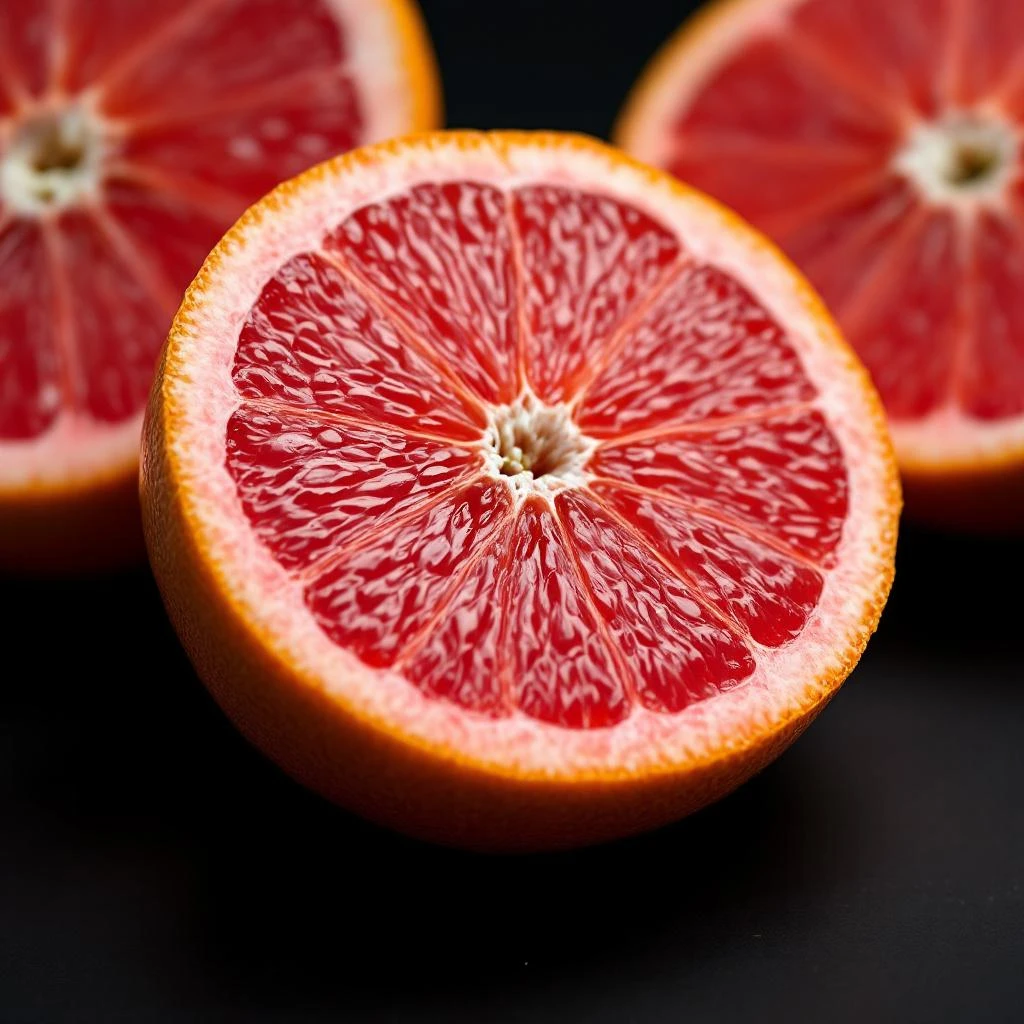
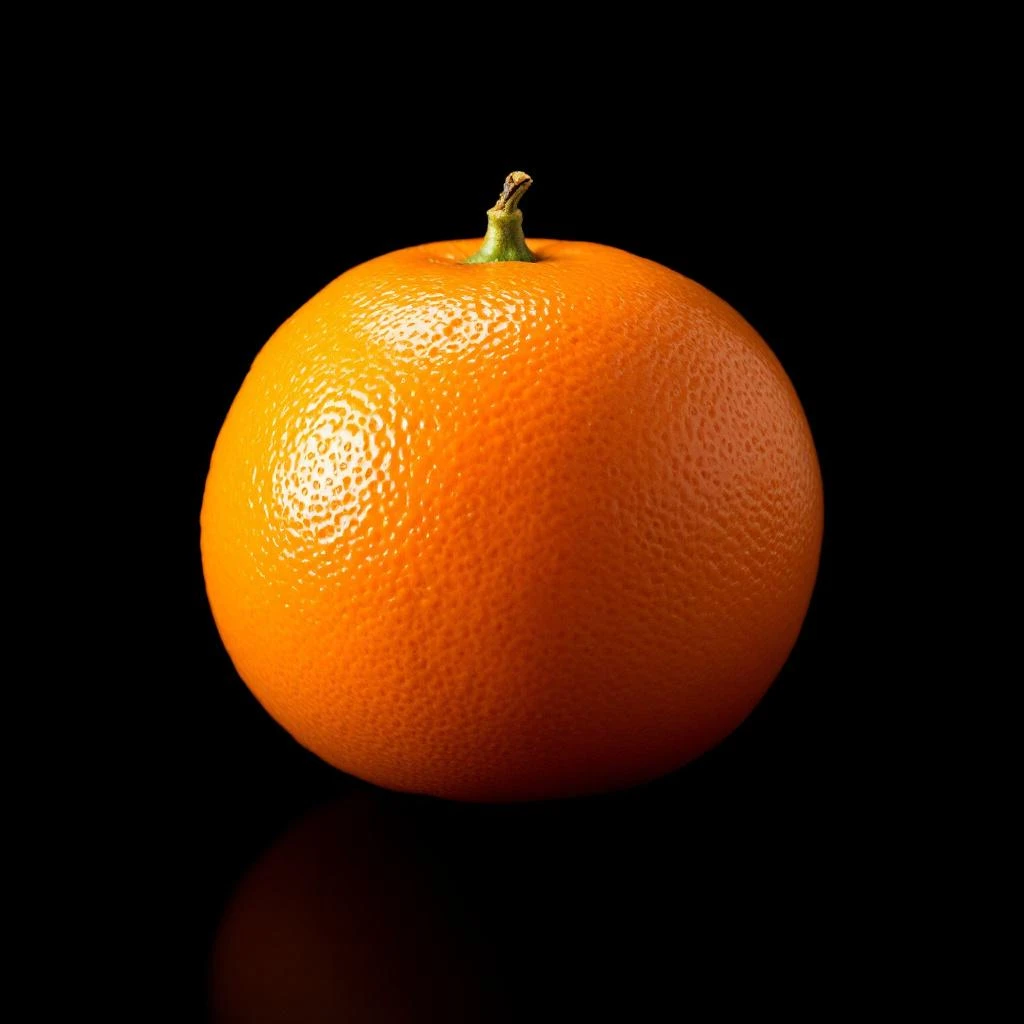
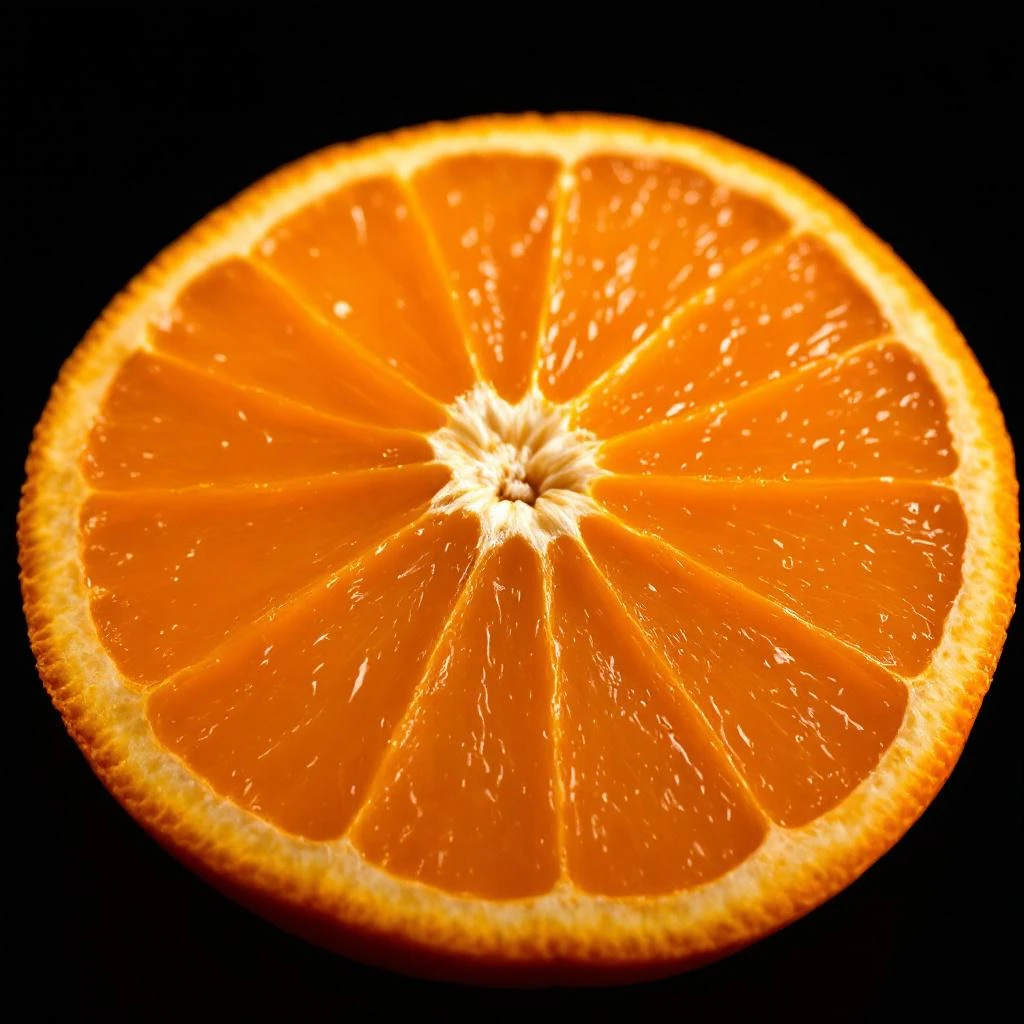
Dominican Tangerine brings Caribbean sunshine to perfumery with its vivid, sun-ripened citrus character. Grown in the Dominican Republic's tropical climate, this note captures the fruit at its most radiant—bright, sweet, and unmistakably alive.
Character
How it smells
Caribbean sunshine captured in citrus form.
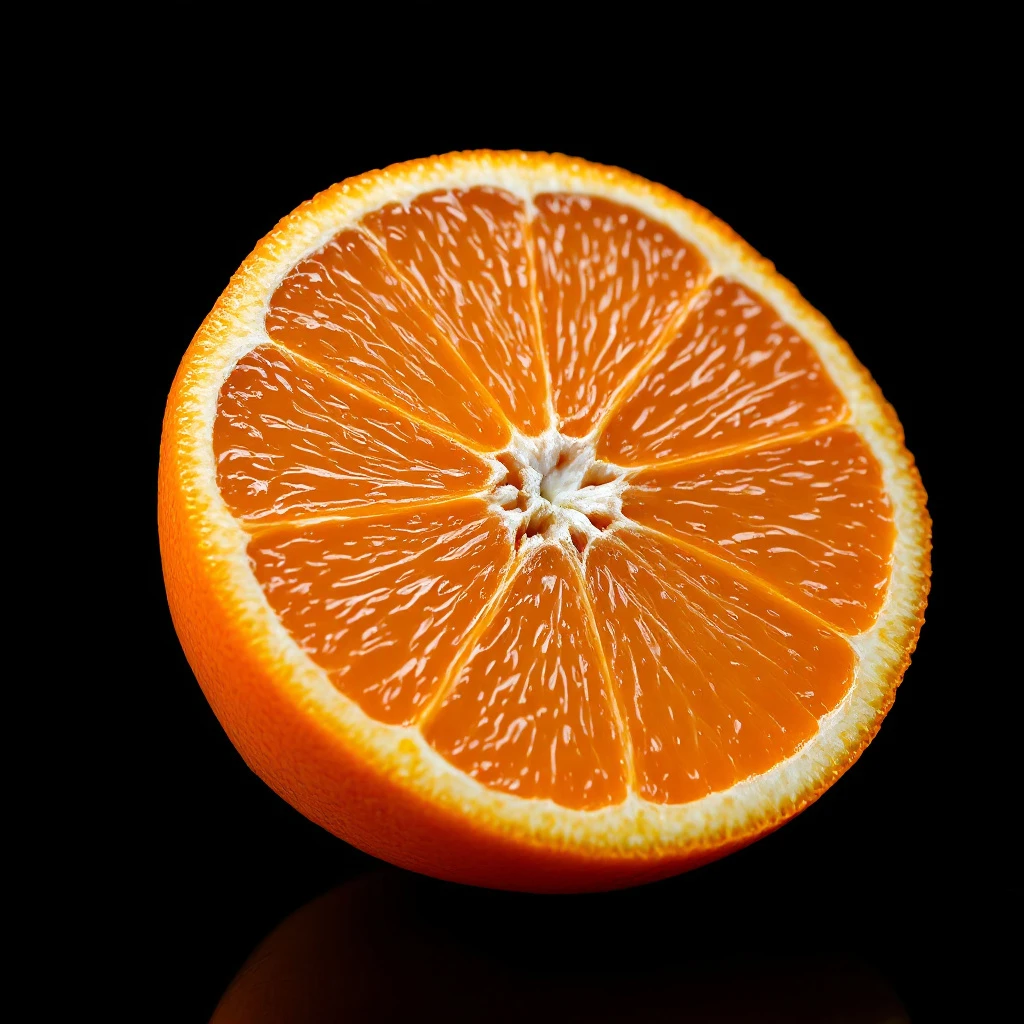
The tangerine earns its name from Tangier, Morocco—the historic port where European traders first encountered and exported the fruit.





Origin
Dominican Republic
The tangerine carries its history in its name, derived from Tangier, Morocco—the North African port on the Strait of Gibraltar where the fruit first entered European trade routes during the 19th century. While citrus cultivation originated in China thousands of years ago, the specific variety we call tangerine took its modern identity from Mediterranean commerce.
Spanish colonizers brought citrus cultivation to the Caribbean, and the Dominican Republic's climate proved ideally suited for producing tangerines prized across global markets. The fruit's journey from ancient Chinese gardens to Caribbean plantations to perfumers' organ reflects centuries of trade and cultivation refinement, with modern perfumery embracing Dominican tangerine for its ability to inject immediate luminosity into fragrance compositions.
Wears it best
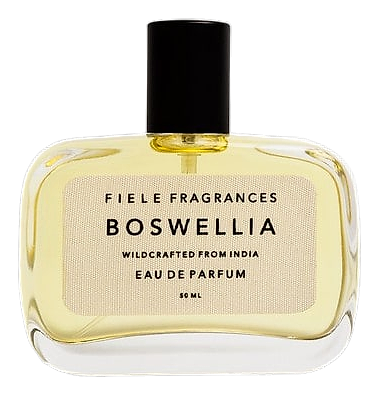
Fragrances featuring Dominican Tangerine
Brands
Brands known for Dominican Tangerine
Good to know
Questions, answered
The essentials on Dominican Tangerine in perfumery: how it smells, where it comes from, and how it behaves on skin.
What makes Dominican Tangerine distinct from tangerines grown elsewhere?
Dominican Tangerine develops exceptional sweetness and aromatic complexity due to the island's tropical climate, volcanic soil, and consistent year-round warmth. These conditions produce fruit with elevated oil content and a richer profile compared to Mediterranean varieties.
How is tangerine essential oil produced for perfumery?
Tangerine oil is extracted via cold pressing the fruit's peel. This mechanical method releases oils without heat or chemical solvents, preserving the fresh, fruity character and bright volatile compounds responsible for the characteristic scent.
What does Dominican Tangerine smell like in a fragrance?
Dominican Tangerine delivers an immediate burst of bright citrus with pronounced sweetness and a subtle tangy undertone. The tropical origin adds depth and roundness that distinguishes it from cooler-climate citrus notes.
What fragrance families feature tangerine?
Tangerine appears prominently in citrus and fresh fragrance families as a top note. Perfumers also use it to brighten chypres, florals, and green fragrances, and it pairs exceptionally well with neroli, bergamot, and marine accords.
What chemical compounds give tangerine its characteristic aroma?
Limonene dominates tangerine oil composition at approximately 90 percent, with smaller quantities of myrcene, linalool, and gamma-terpinene contributing nuanced notes that complete the aromatic profile.
How long has tangerine been used in perfumery?
While ancient civilizations used citrus, tangerine specifically became a perfumery ingredient during the 19th century when trade routes expanded and cold-pressing techniques improved accessibility to citrus peel oils.
Can synthetic tangerine replicate natural Dominican tangerine?
Synthetic alternatives capture basic citrus characteristics but lack the subtle aromatic variations, natural sweetness, and complexity present in cold-pressed Dominican tangerine oil.
Is tangerine oil production sustainable?
Tangerine cultivation supports Caribbean agricultural communities, and peel processing utilizes what might otherwise become waste from juice production, making it a relatively sustainable fragrance ingredient.