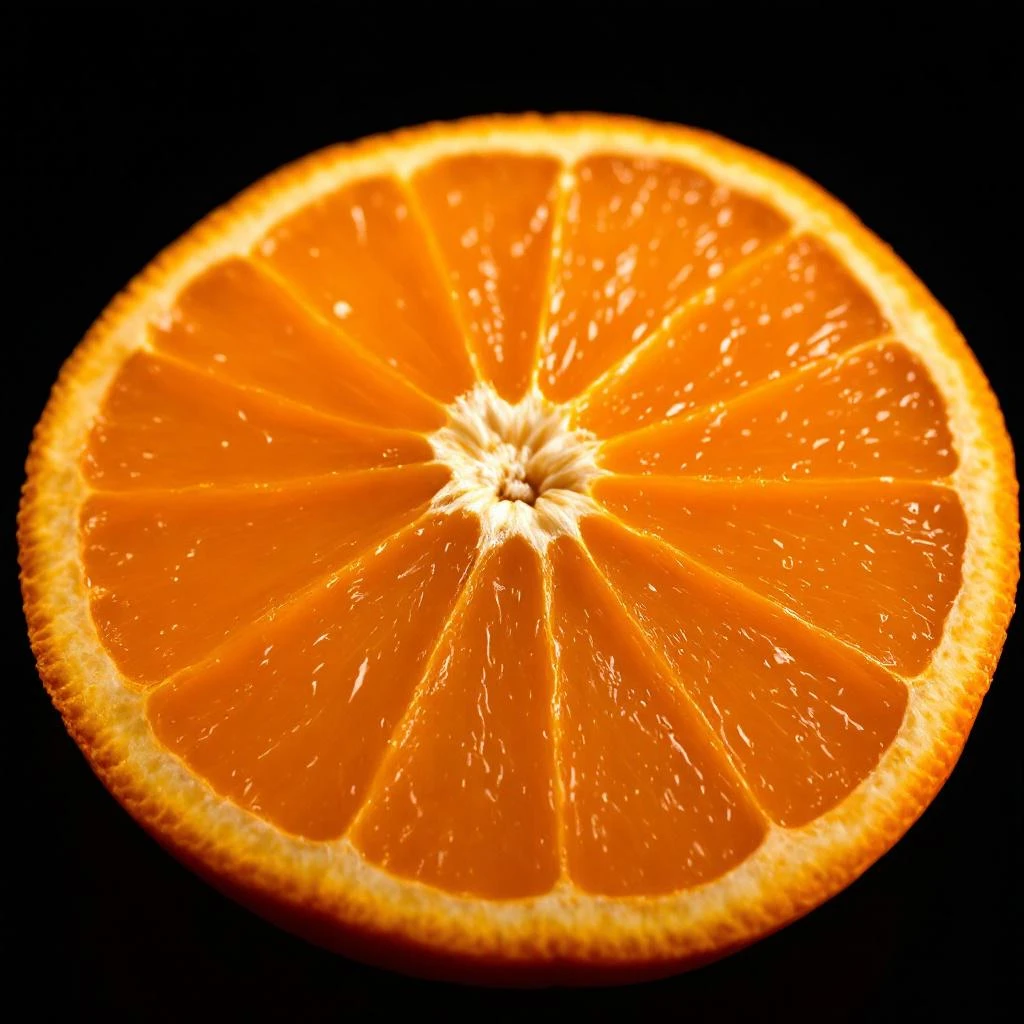
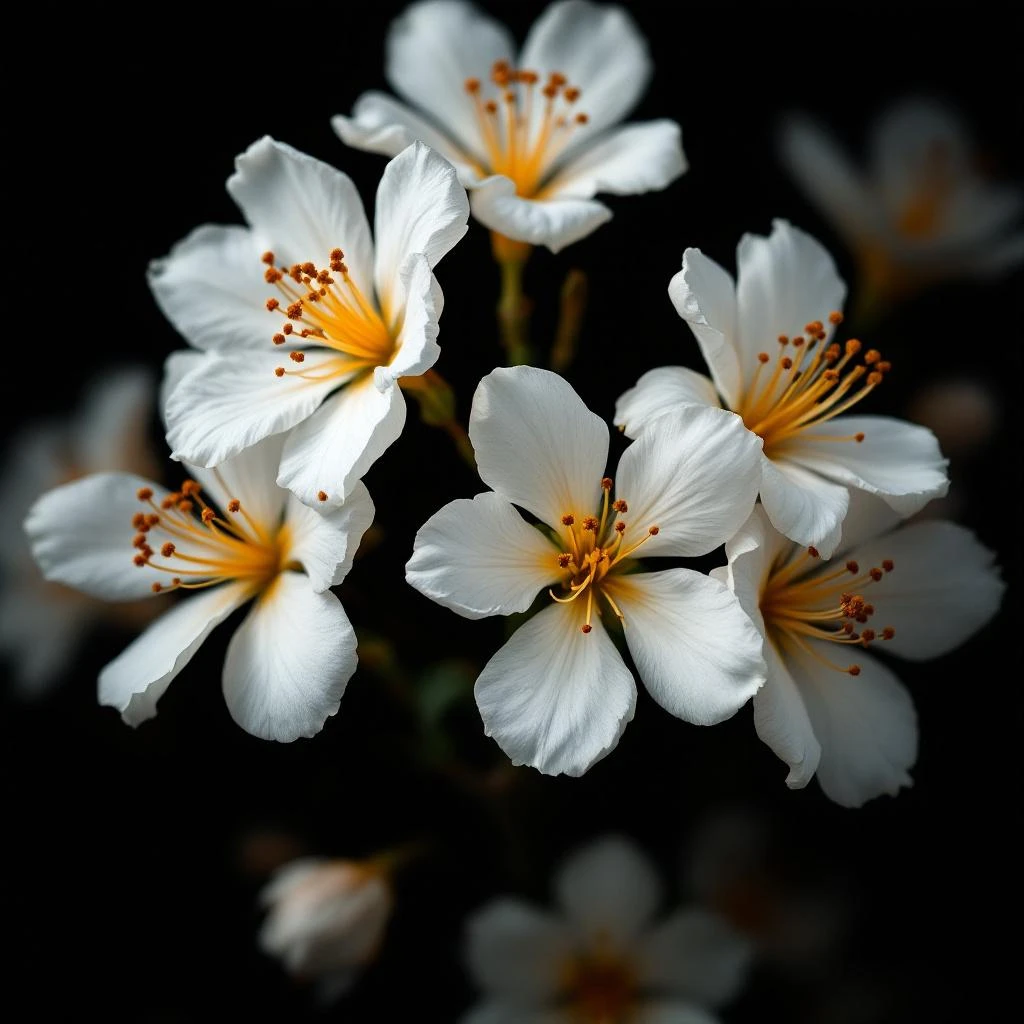
Dominican Orange
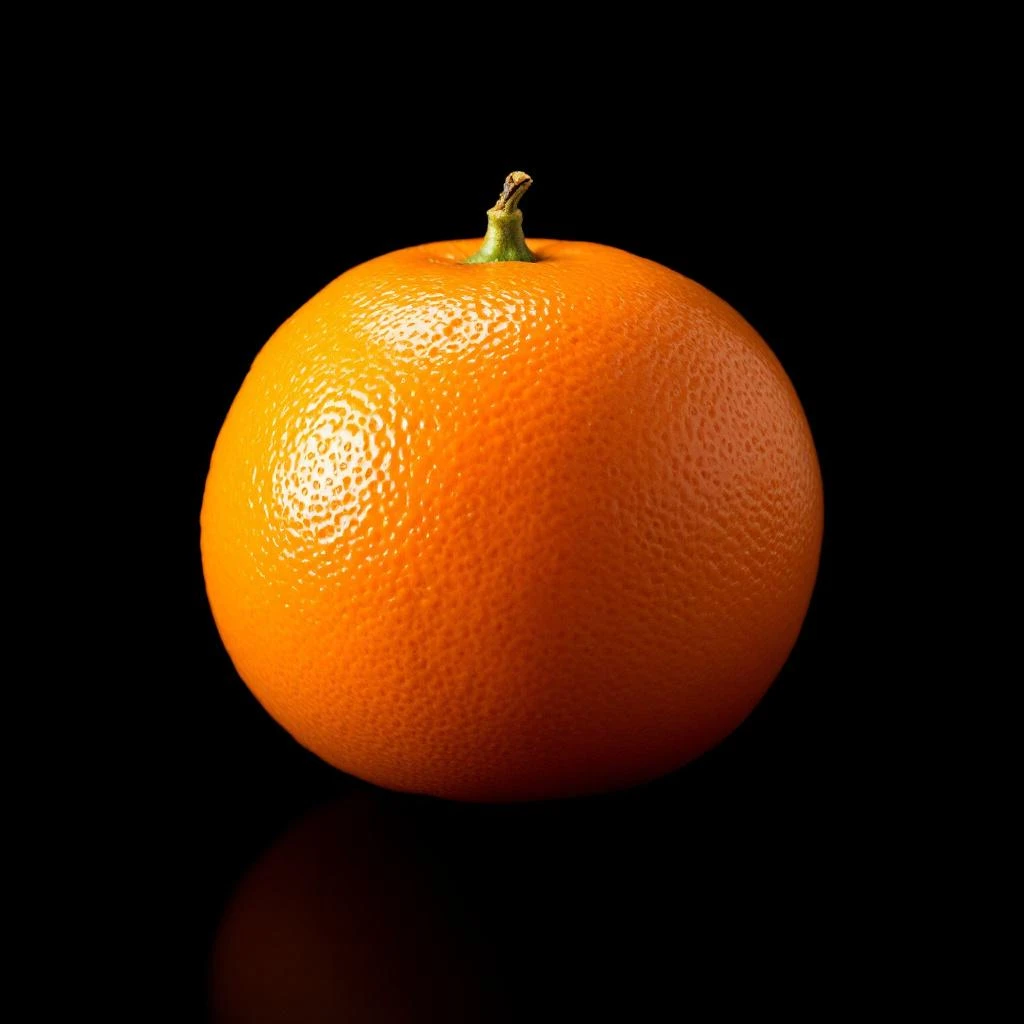
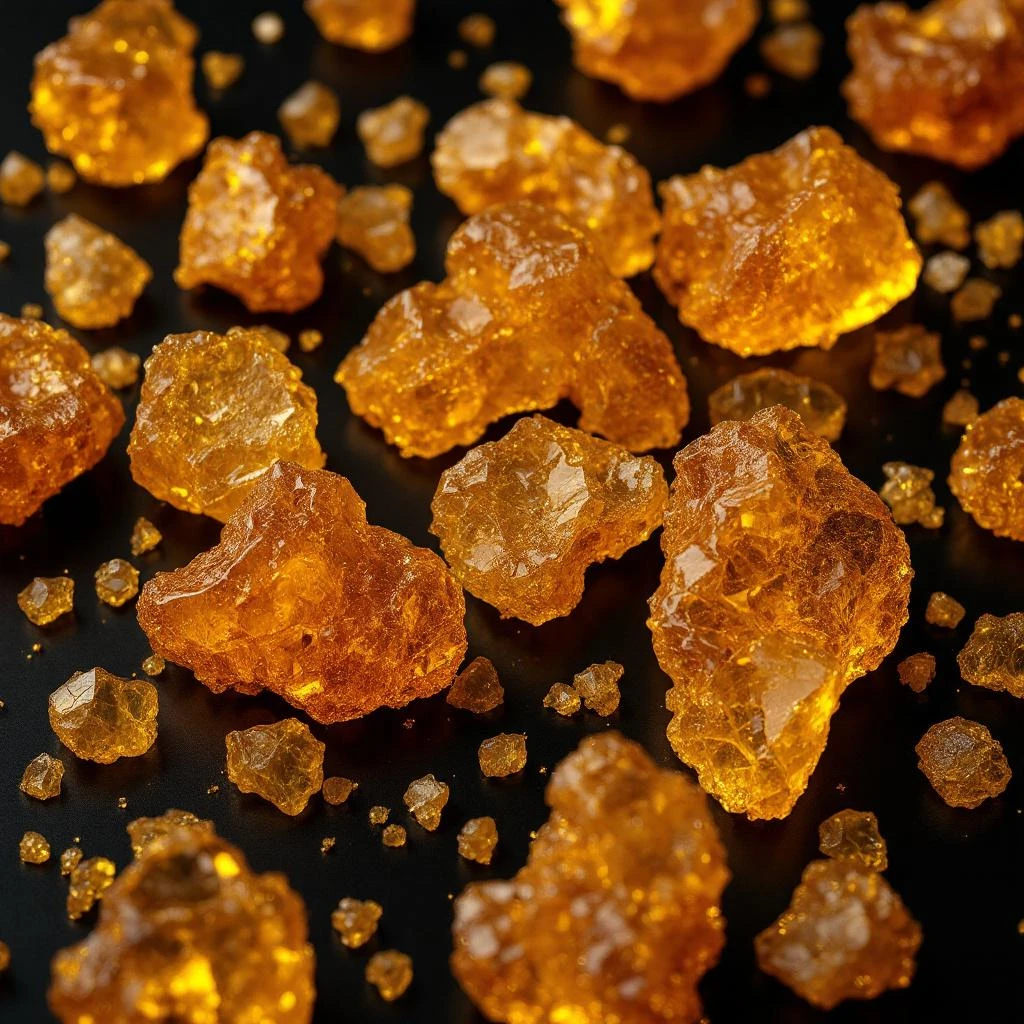
Dominican orange brings bright citrus warmth to fragrance, drawn from sun-rich peel and the bitter orange trees that flourish across the island's varied growing regions.
Character
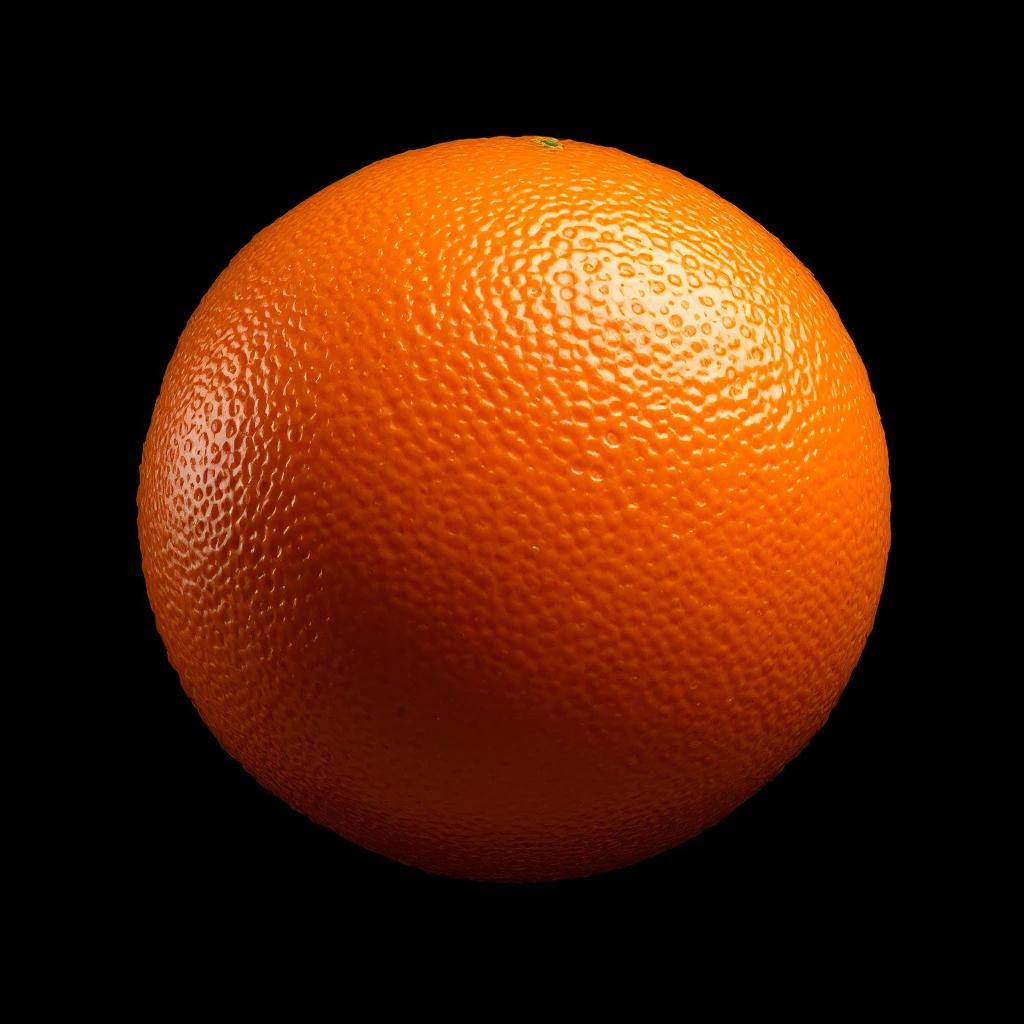
How it smells
Sunlit citrus from the Dominican Republic
Charles Pisano established one of the Dominican Republic's earliest essential oil operations, processing local bitter orange alongside lime.
Origin
Dominican Republic
The Dominican Republic holds an early place in citrus oil production. Charles Pisano began producing essential oils there, establishing a lime oil distillery and processing bitter orange using sponges. That work helped position the island among recognized sources of citrus materials.
Across the Caribbean, citrus cultivation carries deep economic weight, with local oil production building on the wider history of orange distillation that took shape during the 18th century. In Europe, neroli entered the original Eau de Cologne formula, establishing orange blossom as a cornerstone of citrus-floral perfumery. French orange blossom cultivation expanded from the early 19th century, even as production later declined.
Dominican orange differs from its European counterpart in origin and extraction. It captures the character of fruit grown in tropical conditions, where warm days, abundant light, and varied elevations shape the peel's aromatic makeup. Today, it continues that tradition as a source of expressive citrus oils.
Wears it best
Fragrances featuring Dominican Orange
Brands
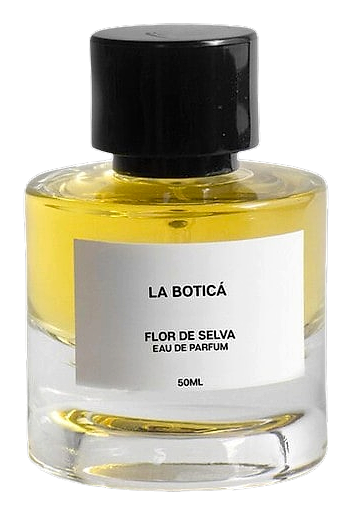
Brands known for Dominican Orange
Good to know
Questions, answered
The essentials on Dominican Orange in perfumery: how it smells, where it comes from, and how it behaves on skin.
What is Dominican orange in perfumery?
Dominican orange is a citrus essential oil expressed from the peel of oranges grown in the Dominican Republic. It contributes a bright, juicy top note with a warm fruitiness. The island's tropical climate shapes the oil's character, often giving it a rounder profile than European orange oil.
How is Dominican orange oil extracted?
Producers cold press the outer peel of Citrus sinensis to release its essential oil. This expression method avoids heat and keeps the fruit's fresh aroma intact. The oil is then filtered and used as a top or middle note in citrus, floral, and woody fragrance compositions.
What part of the orange is used in perfumery?
Perfumers use the fruit peel, known as the flavedo. It holds the glands that release aromatic oil when pressed. The juicy pulp inside the fruit is not used, and it is also distinct from orange blossom, which produces neroli through steam distillation.
Is Dominican orange the same as neroli?
No. Dominican orange oil comes from pressed sweet orange peel, while neroli is distilled from bitter orange blossoms. The two materials share a citrus family but differ in scent. Neroli carries floral and green notes, whereas orange oil reads as juicy and peel-like.
What does Dominican orange smell like?
It smells bright and juicy, with the familiar tart aroma of orange peel and a warm, fruity finish. The tropical origin often lends it a rounder, more generous quality. That balance makes it work as both a sparkling top note and a supportive middle note.
What is the history of citrus oil production in the Dominican Republic?
Charles Pisano began producing essential oils in the Dominican Republic, establishing a lime oil distillery and processing bitter orange using sponges. His early operations placed the island among notable centers of citrus oil production. The tradition continues today through both domestic and export supply chains.
Which orange is grown in the Dominican Republic for perfumery?
Two species matter most. Sweet orange, Citrus sinensis, supplies the pressed peel oil familiar in perfumery. Bitter orange, Citrus aurantium, provides the blossoms used for neroli and orange blossom absolutes. Local growers cultivate both, with harvest timing shaped by the island's tropical seasons.
How does Dominican orange oil differ from European orange oil?
The main differences come from growing conditions and extraction choices. Dominican oil often shows a rounder, fruitier character because of the tropical climate and varied soils. European producers, particularly in France from the early 19th century, are more associated with bitter orange blossom and neroli than pressed sweet orange peel.