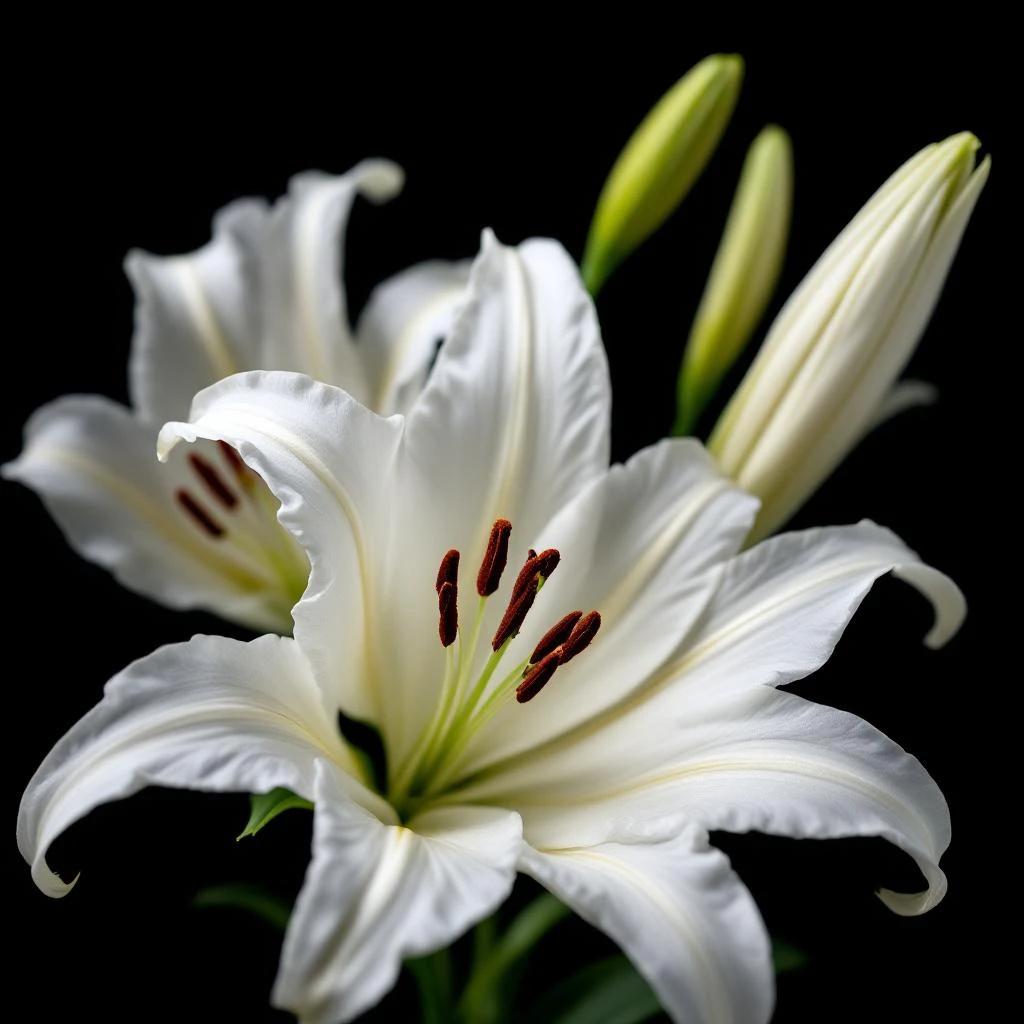
Desert Willow
Desert Willow brings dry, floral warmth to fragrances with its delicate blossoms and subtle sweetness. Native to the American Southwest, this drought-tolerant beauty captures the essence of sun-baked landscapes in a single, elegant note.
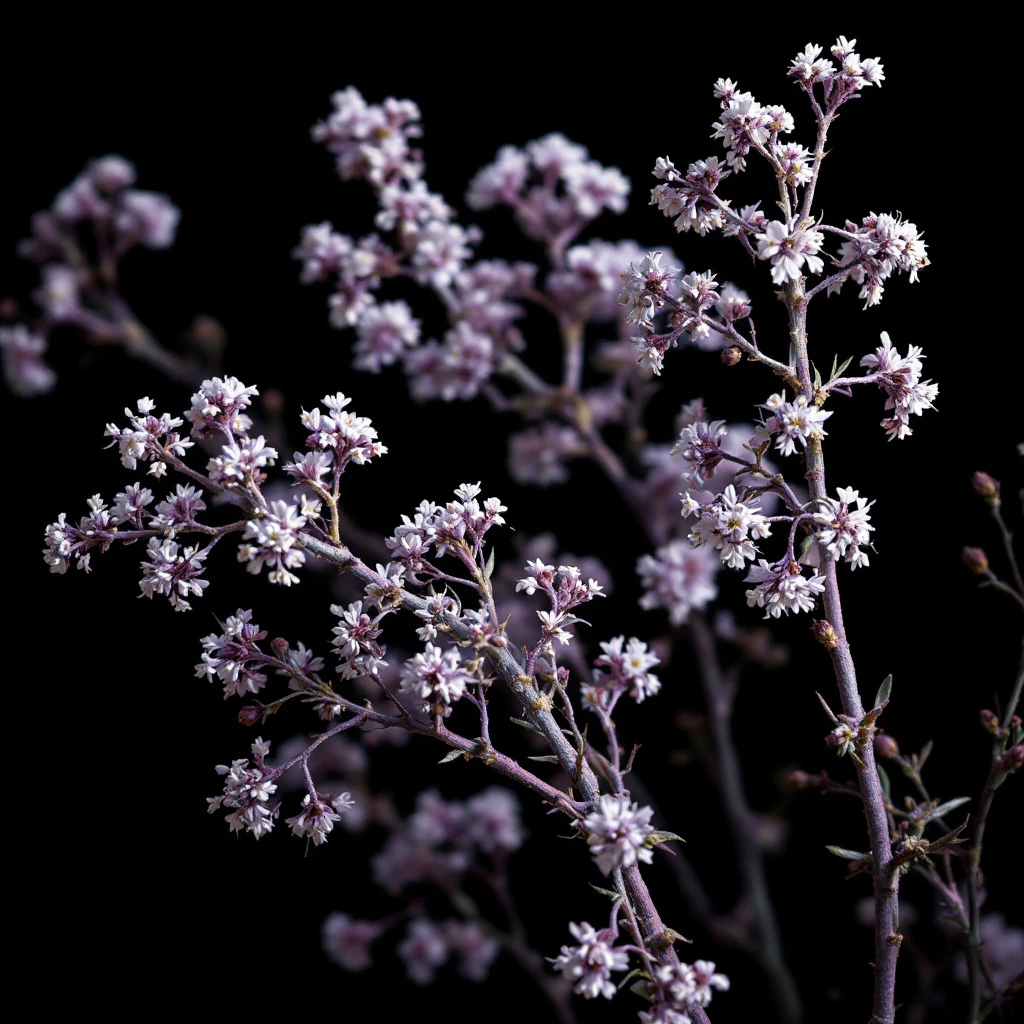
Character
How it smells
Southwestern grace in every bloom
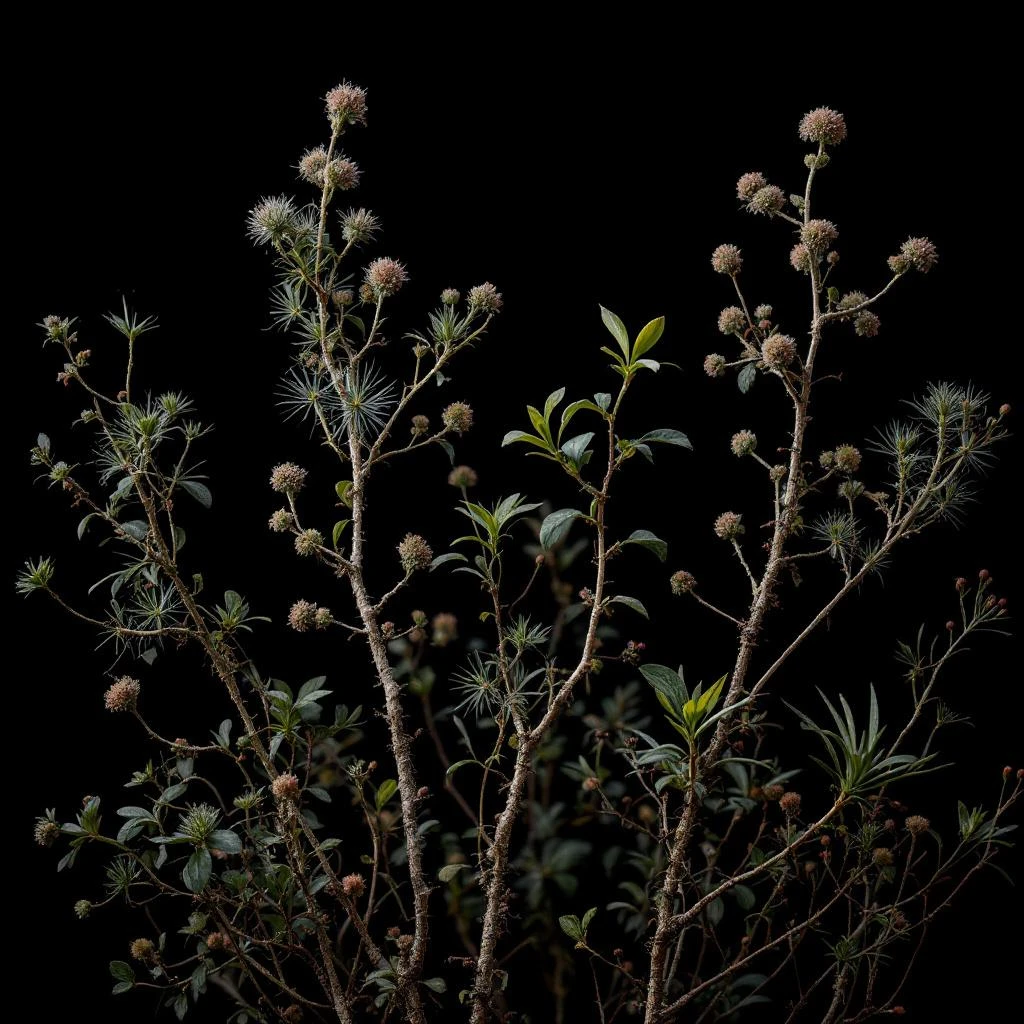
Desert Willow flowers open at dusk to attract nocturnal moths, its primary pollinators, giving the plant's fragrance a unique evening-blooming character.



Origin
United States
Indigenous peoples of the American Southwest have long valued Desert Willow for practical and ceremonial purposes, weaving its flexible branches into baskets and using flower preparations in traditional medicine. The plant earned its common name from settlers who recognized the willow-like foliage, though it belongs to the Catalpa family.
Fragrance chemists began examining its volatile compounds in the late twentieth century as interest grew in regionally-sourced aromatic materials. Today, Desert Willow occupies a niche but meaningful position among North American perfume ingredients, valued by perfumers seeking to incorporate native botanicals and create distinctly regional olfactory signatures.
Wears it best
Fragrances featuring Desert Willow
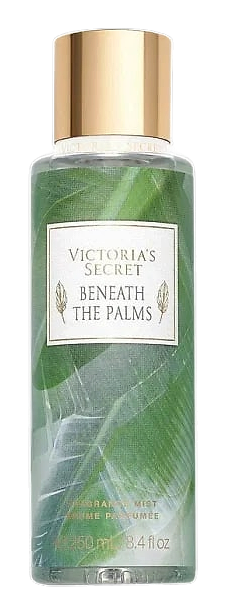
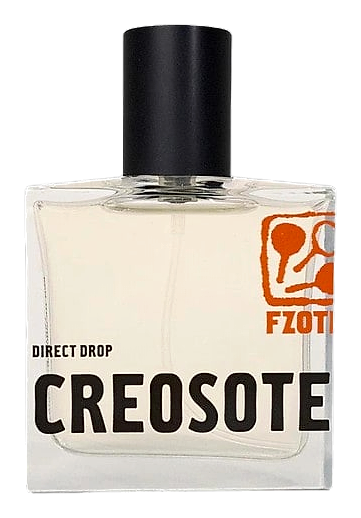
Brands
Brands known for Desert Willow
Good to know
Questions, answered
The essentials on Desert Willow in perfumery: how it smells, where it comes from, and how it behaves on skin.
What does Desert Willow smell like?
Desert Willow delivers dry, honeyed florality with subtle green undertones and a warm, almost dusty base reminiscent of sun-baked earth. Its scent profile bridges floral and woody categories.
Is Desert Willow a traditional perfumery ingredient?
No. Desert Willow represents an emerging niche ingredient used primarily by natural and indie perfumers. Major fragrance houses rarely use it, making it a distinctive choice in artisanal compositions.
How is Desert Willow fragrance material produced?
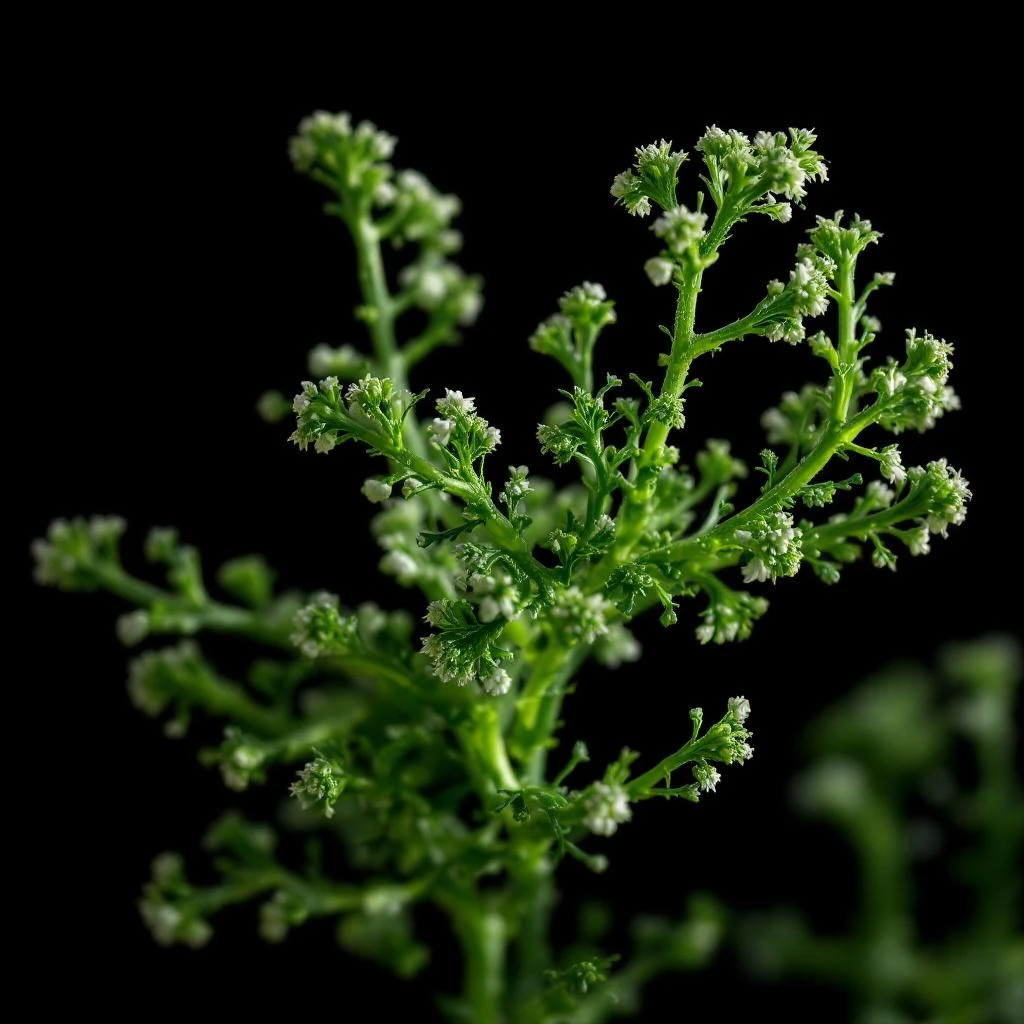
Producers use solvent extraction to pull aromatic compounds from freshly harvested flowers. This method preserves delicate molecules that heat-based distillation would destroy.
Where does Desert Willow grow?
Chilopsis linearis thrives across the American Southwest—Arizona, New Mexico, Texas, and into northern Mexico—growing along desert washes and riverbanks where groundwater remains accessible.
Does Silloria offer perfumes containing Desert Willow?
Our platform curates fragrances featuring rare botanicals including Desert Willow. Browse our ingredient-indexed collection to discover current offerings.
Is Desert Willow related to true willows?
Despite the common name and similar drooping foliage, Desert Willow belongs to the Bignoniaceae family, making it a relative of catalpa and trumpet vine rather than Salix species.
What complementary notes pair well with Desert Willow?
Warm woods like mesquite, resinous elements such as frankincense, and desert-adapted botanicals including creosote work naturally with Desert Willow's dry, floral character.