Desert Flowers
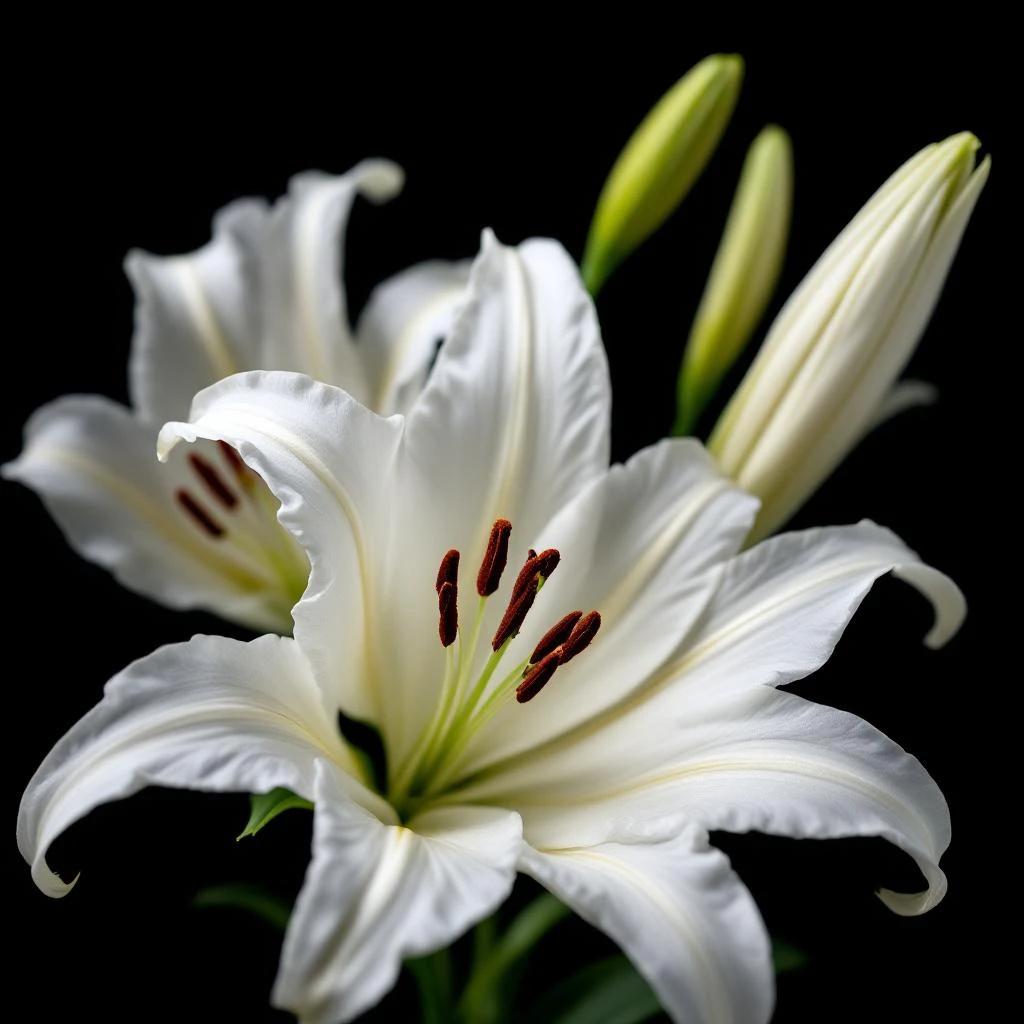
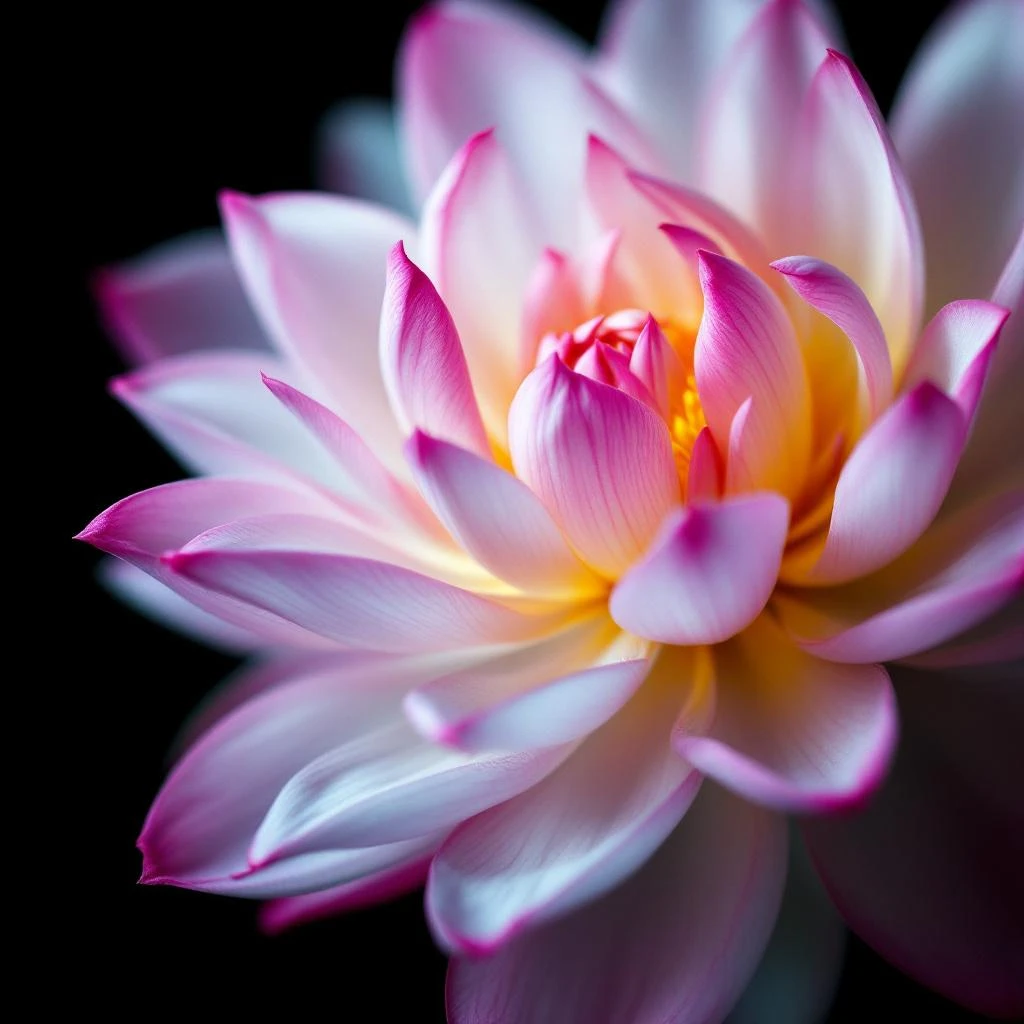
Desert flowers capture the resilient beauty of blooms that thrive in arid landscapes, from Arabian jasmine to fragrant blossoms of the Saharan fringe. These heat-loving flora produce intensely concentrated essential oils, prized in fine perfumery for their warm, exotic signatures.
Character
How it smells
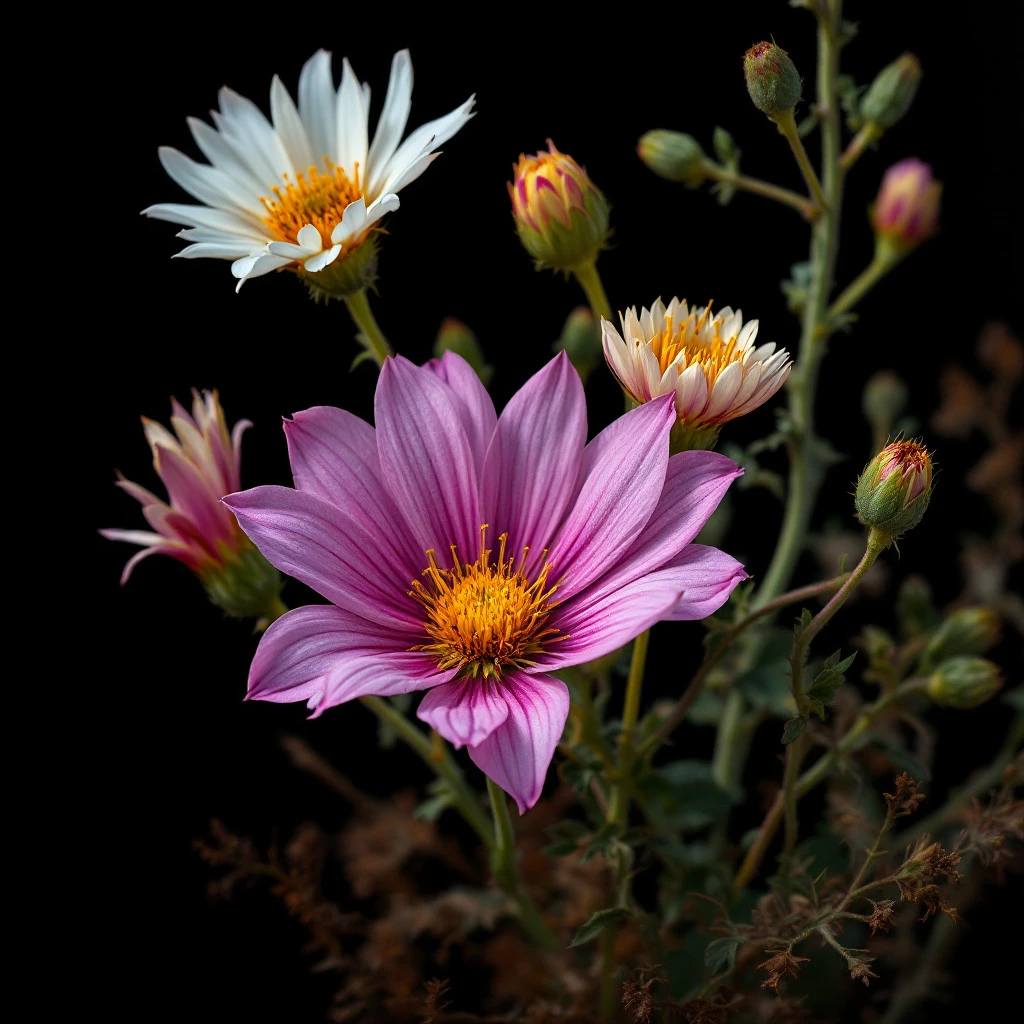
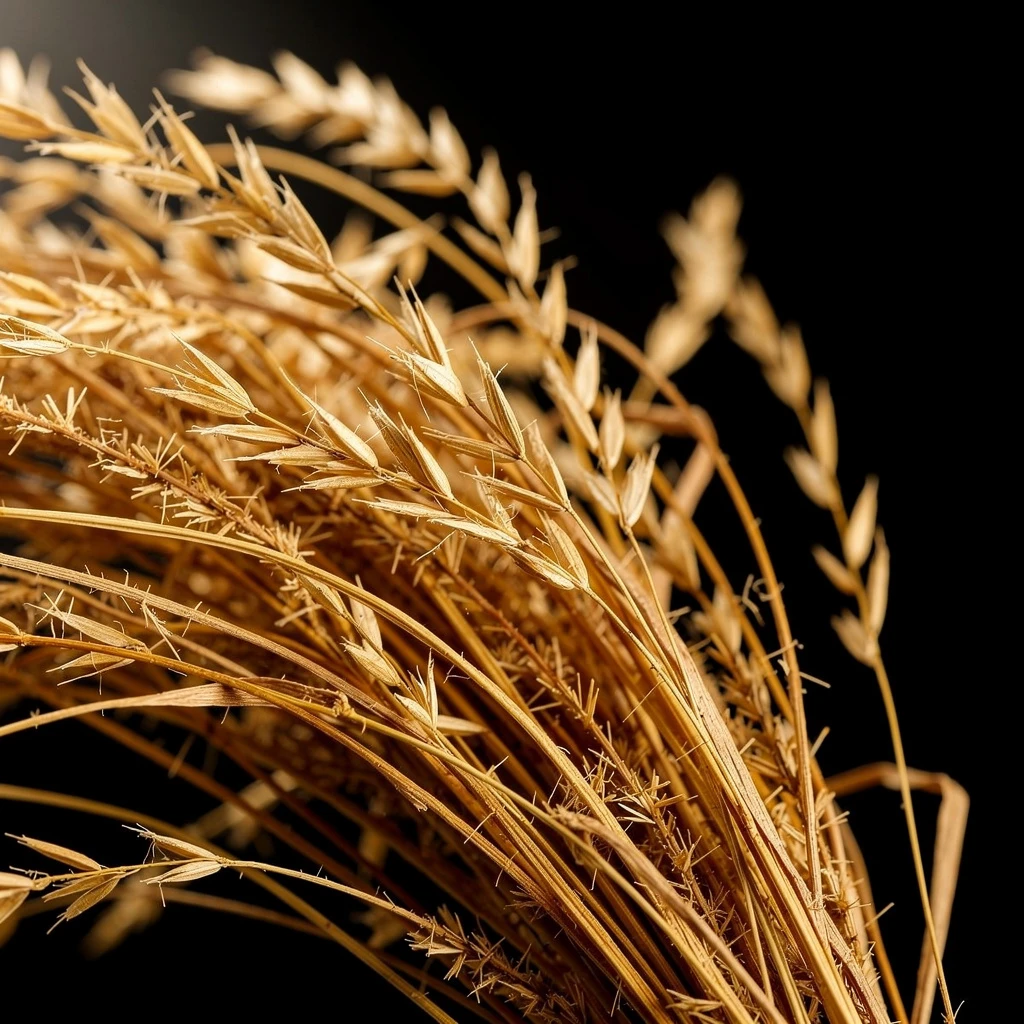
Nature's most resilient blooms, distilling desert heat into liquid gold.
Arabian jasmine yields its heaviest oil concentration at dawn, when morning dew still clings to petals, a harvest window measured in minutes.


Origin
India
Desert florals have perfumed human civilization for millennia. Arabian jasmine traveled ancient trade routes from India to Arabia, reaching Egypt by 1000 BCE where it scented temple rituals and royal cosmetics.
Moorish traders introduced jasmine cultivation to Morocco's arid valleys, where it still flourishes in terraced gardens beside date palms. The Sahara's southern fringe produces precious attar of roses from damask roses adapted to semi-desert conditions, a practice rooted in Persian perfumery of the 16th century.
Each desert bloom carries centuries of accumulated tradition, from Moroccan rose water ceremonies to Indian jasmine garlands offered at dawn. These flowers represented luxury when transported across desert caravans, their weight negligible yet value immense, earning jasmine the nickname 'king of flowers' in ancient Ayurvedic texts.
Wears it best
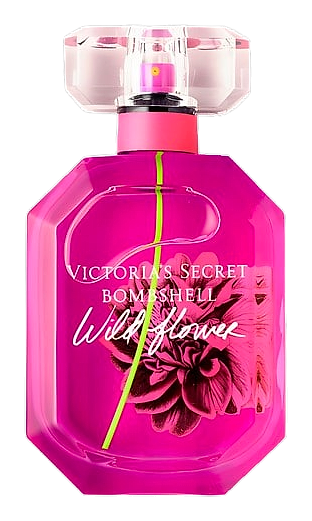
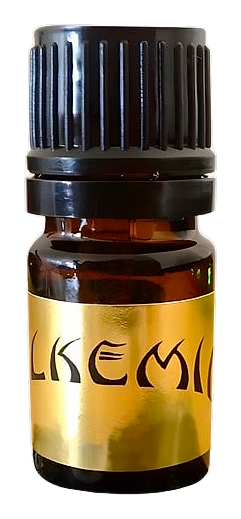
Fragrances featuring Desert Flowers
Brands
Brands known for Desert Flowers
Good to know
Questions, answered
The essentials on Desert Flowers in perfumery: how it smells, where it comes from, and how it behaves on skin.
What defines a desert flower in perfumery?
Desert flowers are blooms adapted to arid or semi-arid growing conditions that produce highly concentrated aromatic compounds. Arabian jasmine, damask rose, and frangipani represent the most significant species, each developing intense scent as a natural defense mechanism against heat stress.
Why do desert flowers smell so intensely?
Plants in arid environments produce more concentrated essential oils as a survival mechanism. Heat stress triggers increased aromatic compound production, creating flowers with up to 40% higher oil concentration compared to temperate-climate varieties of the same species.
Which countries produce the finest desert floral extracts?
India leads for Arabian jasmine absolute, particularly Tamil Nadu's jasmine-growing regions. Morocco produces premier rose attar from Atlas Mountain foothills. Egypt and Saudi Arabia contribute smaller quantities of niche desert floral extracts.
Is desert flower extract always natural?
Many fragrances marketed as 'desert rose' or 'jasmine' use synthetic aroma chemicals that mimic natural profiles. Natural extracts command significantly higher prices due to labor-intensive harvesting, with jasmine absolute costing roughly $2,000-5,000 per kilogram.
How is jasmine harvested for perfume extraction?
Harvesters collect jasmine petals by hand at dawn, typically between 5-8 AM, when oil concentration peaks. Each picker gathers 1-2 kilograms hourly, requiring approximately 500 kilograms of petals to produce one kilogram of concrete.
What extraction method preserves desert flower aromatics best?
Solvent extraction produces the most faithful representation of desert floral scent, capturing the full spectrum of aromatic molecules without heat degradation. Supercritical CO2 extraction offers comparable quality with faster processing times.
What fragrance families pair well with desert flowers?
Desert florals blend naturally with warm woods like sandalwood and cedar, oriental resin ingredients including frankincense and myrrh, and spicy notes such as cardamom and saffron. These combinations reinforce the warm, exotic character that defines desert floral fragrances.
What is the historical significance of desert flowers in perfumery?
Arabian jasmine arrived in Egypt via ancient trade routes by 1000 BCE, immediately becoming central to temple rituals and royal cosmetics. Moroccan rose cultivation spread through Moorish influence, while Indian jasmine traditions influenced Arabian perfumery, creating interconnected regional practices spanning millennia.