Indian Blue Water Lily
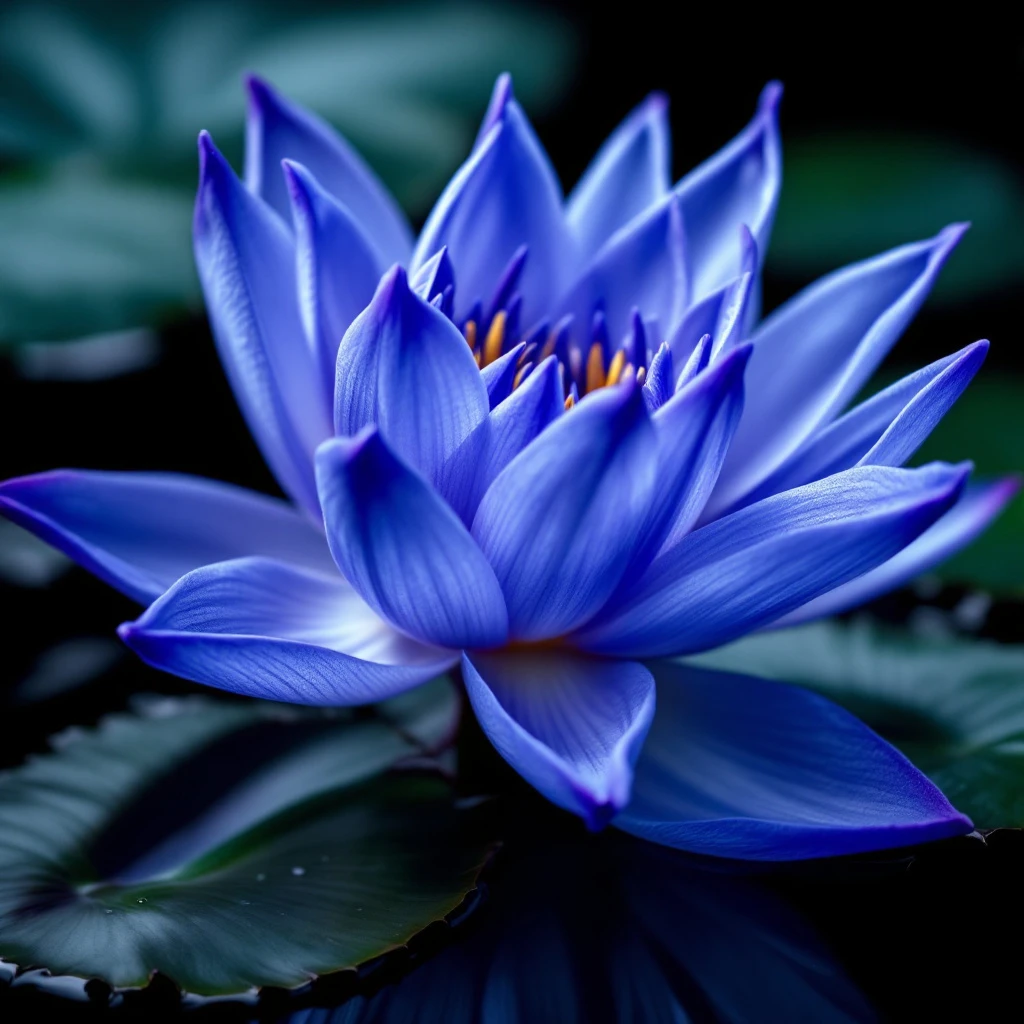
Indian Blue Water Lily carries an airy, slightly hypnotic floral scent with aquatic undertones that evoke still temple ponds at dawn. This sacred bloom bridges ancient Egyptian and Hindu traditions, prized across millennia for its ethereal fragrance and spiritual resonance.
Character
How it smells
Sacred aquatic bloom with hypnotic, ethereal floralcy.
The Blue Water Lily is Sri Lanka's national flower, growing wild in ancient tanks from Anuradhapura to Putlam.



Origin
India
The Blue Water Lily (Nymphaea caerulea) originated along the Nile River and East Africa before spreading across the Indian subcontinent, where it became embedded in Hindu spiritual practice. Ancient Egyptians revered this bloom as a symbol of rebirth and the divine, depicting it in temple carvings and using it in ceremonial offerings. In India, the lotus holds parallel sacred significance across Buddhism and Hinduism, representing purity and enlightenment rising from muddy waters.
The 4th century BC already saw ancient perfumers extracting lily essence through maceration and distillation, making this one of humanity's oldest aromatic materials. Today, Sri Lanka's ancient irrigation tanks still nurture wild populations of this storied flower.
Wears it best
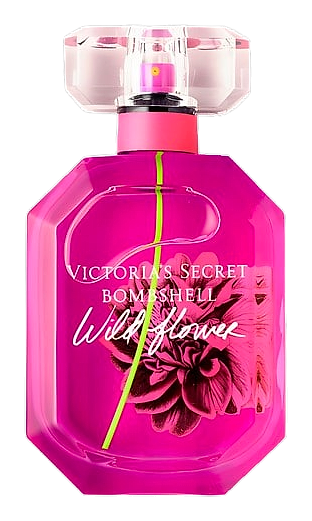
Fragrances featuring Indian Blue Water Lily
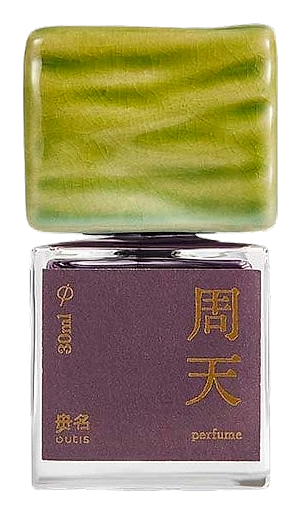
Brands
Brands known for Indian Blue Water Lily
Good to know
Questions, answered
The essentials on Indian Blue Water Lily in perfumery: how it smells, where it comes from, and how it behaves on skin.
What does Indian Blue Water Lily smell like?
It smells like a cool, ethereal floral with aquatic and slightly narcotic undertones. The scent recalls morning mist over sacred temple ponds, combining watery freshness with a subtle honeyed sweetness.
Is Indian Blue Water Lily natural or synthetic?
Natural extracts exist and are produced via solvent and CO2 methods. However, synthetic reproductions are common in mainstream perfumery due to cost and sustainability concerns.
What extraction method preserves Blue Water Lily best?
Supercritical CO2 extraction preserves the most delicate volatile compounds. Solvent extraction is also effective, producing an absolute with complex aromatic composition.
Which cultures used Blue Water Lily in rituals?
Ancient Egyptians used it in rebirth ceremonies and as offerings to deities. Indian traditions across Buddhism and Hinduism revere the lotus as a symbol of purity and divine enlightenment.
What is the botanical name for Blue Water Lily?
Nymphaea caerulea. The species naturally ranges across India, Africa, and Sri Lanka, growing in shallow freshwater lakes and ancient irrigation tanks.
Is Blue Water Lily safe for cosmetic use?
When used at recommended concentrations (below 5%), it is considered safe for skin application. Industrial safety assessments confirm its suitability in fragrance and cosmetic formulations.
How does Blue Water Lily perform in fragrance blends?
It acts as a bridging note, connecting aquatic and floral elements while adding spiritual depth. It blends particularly well with white musks, transparent woods, and green tea accords.
Why is this ingredient used at such low concentrations?
The extract is highly concentrated and aromatic. Using it above 5% can overwhelm a fragrance composition and mask the carefully balanced supporting notes.




