Desert Cedar
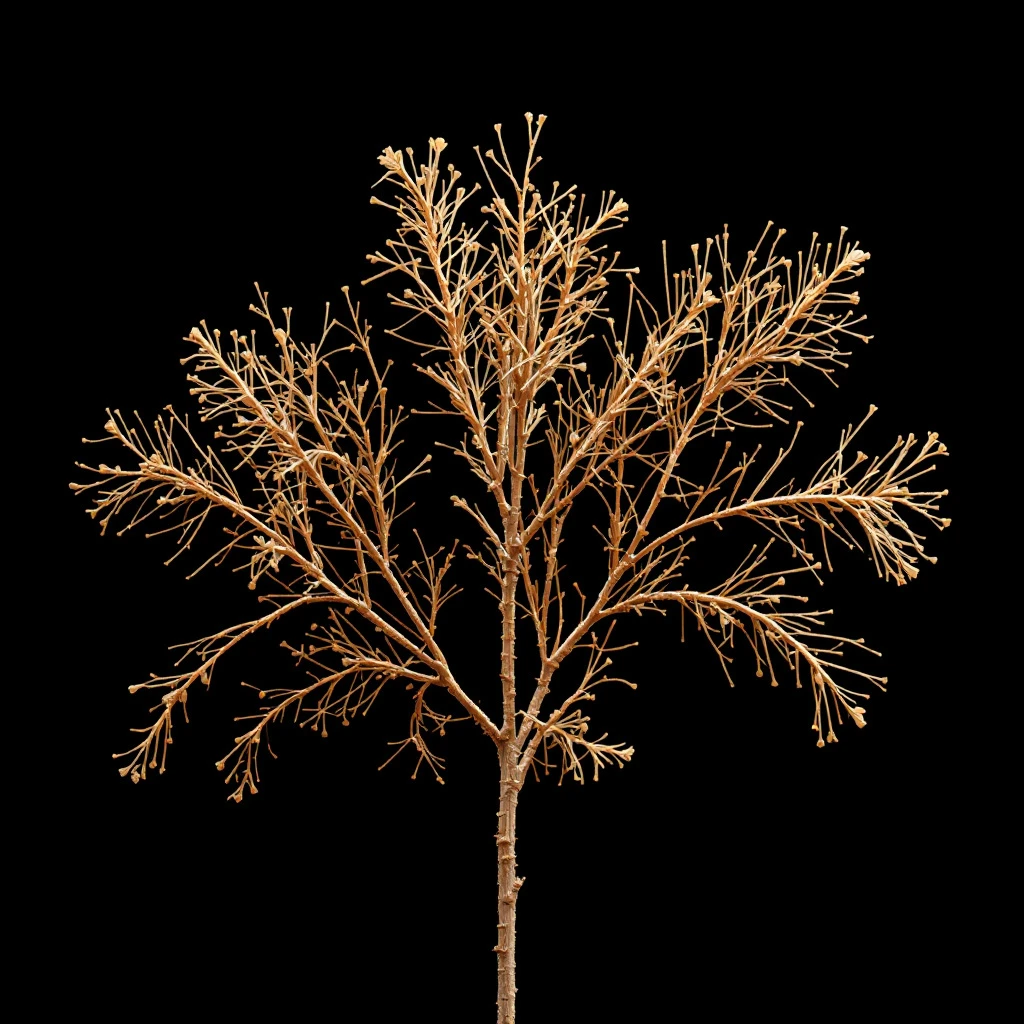
Desert cedar carries the dry, sun-baked quiet of arid mountain slopes. Its aroma is woody, faintly resinous, and mineral-edged, with a dusty warmth that recalls cracked bark after long drought.
Character
How it smells
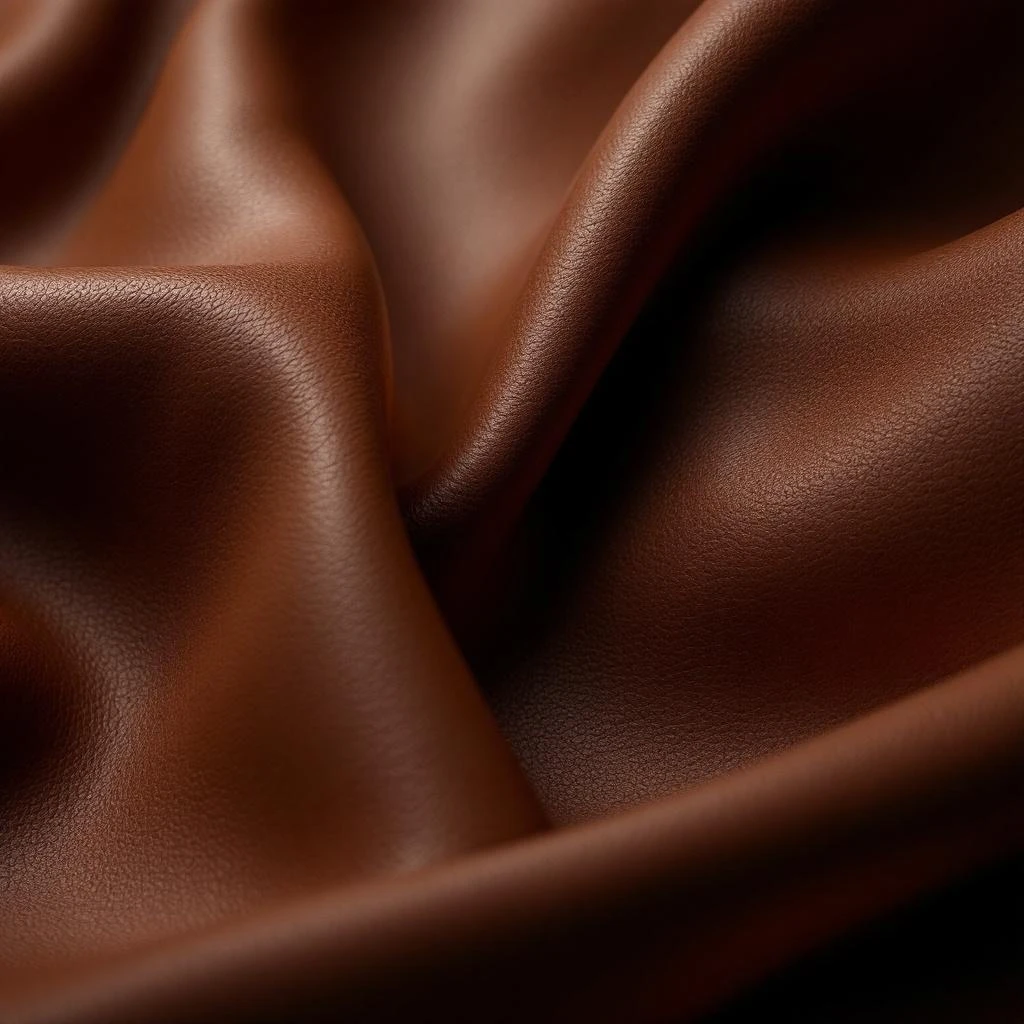
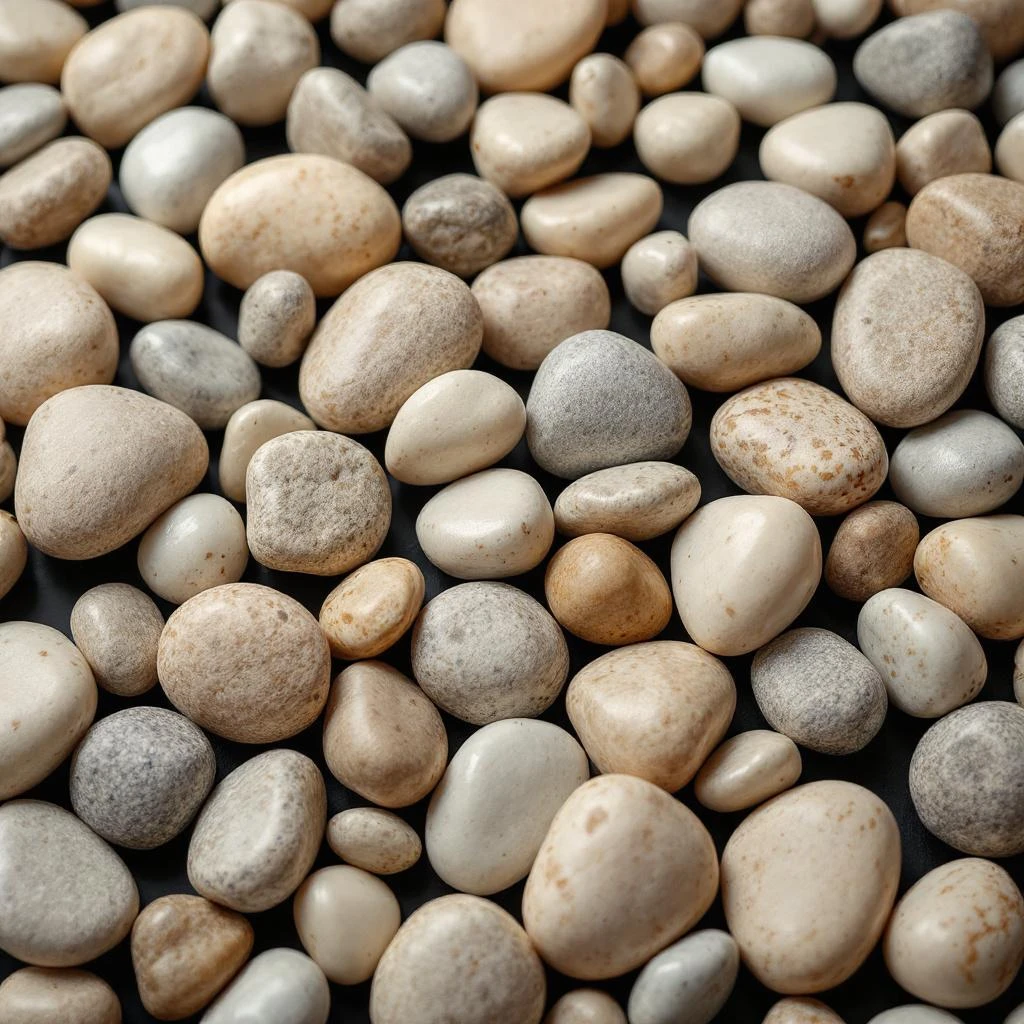
Sun-scorched bark with a quiet, mineral heart.
Virginia cedarwood essential oil is a literal byproduct of pencil manufacturing, sharing factory space with No. 2 graphite since the 19th century.

Origin
United States (Virginia) and Lebanon
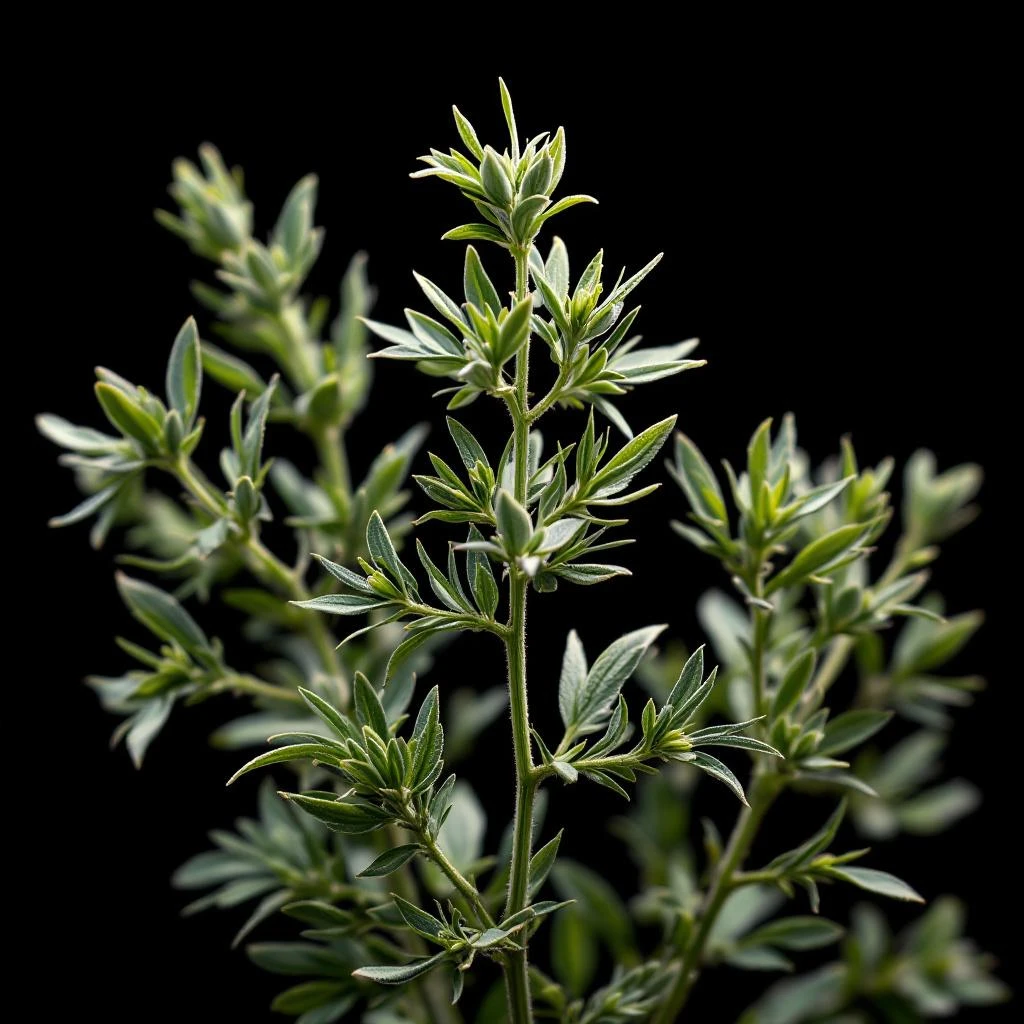
Cedarwood entered perfumery thousands of years ago through the temples and burial chambers of ancient Egypt. Vessels recovered from tombs near Luxor retain traces of cedar-based unguents, and the Egyptians prized the wood itself for sarcophagi, drawn to its reputed durability and aromatic resistance to decay. Phoenician traders carried cedar across the Mediterranean, where it became central to early incense formulations blended with myrrh and frankincense.
The Lebanese cedar, Cedrus libani, features repeatedly in biblical texts and early trade records as a commodity worthy of royal exchange. By the medieval period, Arabian perfumers had refined distillation techniques that made cedarwood oil accessible for concentrated use. The American contribution arrived in the early 19th century: the Dixon Ticonderoga mill in Virginia began producing cedar essential oil as a side product of pencil slat manufacturing.
That same industrial leftover now anchors hundreds of contemporary fragrances, a quiet thread linking schoolrooms to perfumer's benches.
Wears it best
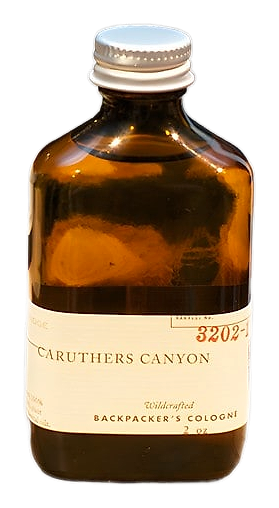
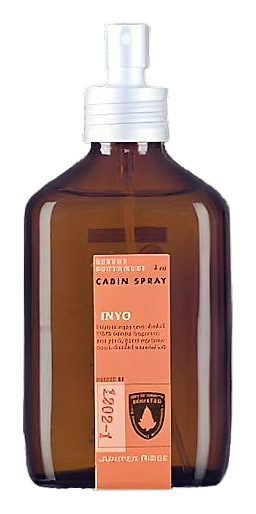
Fragrances featuring Desert Cedar
Brands
Brands known for Desert Cedar
Good to know
Questions, answered
The essentials on Desert Cedar in perfumery: how it smells, where it comes from, and how it behaves on skin.
What does desert cedar smell like in a fragrance?
Desert cedar reads as dry, woody, and faintly resinous, with a mineral coolness beneath warm bark notes. It typically anchors the base of a composition, lending long-lasting structure without sharp camphor brightness. Its cedrol content gives the scent a creamy, almost pencil-shaving texture.
Is desert cedar the same as cedarwood?
Cedarwood essential oils derive from several botanical sources, including Juniperus virginiana (Virginia), Cedrus atlantica (Atlas), and Cedrus deodara (Himalayan). Desert cedar generally references Cedrus atlantica or Cedrus libani, which grow in arid, high-elevation conditions and produce oil with drier, smokier character than Virginia types.
Why is cedarwood oil a byproduct of pencil manufacturing?
Juniperus virginiana, the tree species used for pencil slats, yields aromatic heartwood waste during milling. Since the late 1800s, pencil factories have steam-distilled this scrap into essential oil, creating a supply chain that turns lumber offcuts into perfumery raw material rather than landfill.
How is desert cedar essential oil produced?
Producers load shredded heartwood into steam stills and pass vapor through the biomass at 100 to 120 degrees Celsius for 8 to 24 hours. The condensate separates into hydrosol and oil, and the oil, ranging from 2 to 5 percent of starting mass, is filtered and aged.
What role does cedar play in perfume structure?
Cedar functions predominantly as a base note, providing dry, woody foundation that extends the lifespan of more volatile top and heart materials. Its low vapor pressure and high cedrol concentration mean the scent persists on skin for many hours, often the final note to fade.
Did ancient civilizations use cedar in perfume?
Yes. Egyptian perfumers incorporated cedar into funerary balms over three millennia ago, and ancient Mesopotamian texts reference its oil in incense blends. The Lebanese cedar trade route supplied Mediterranean civilizations well before Greek and Roman perfumery matured.
What chemical compounds define cedar's aroma?
Cedrol, alpha-cedrene, and beta-cedrene dominate the profile, with cedrol often comprising 30 to 40 percent of the oil. These sesquiterpenes produce cedar's creamy, woody, slightly sweet signature, while trace thujopsene adds a metallic dry edge to certain species.
Is desert cedar sustainable as a fragrance ingredient?
Virginian sources remain sustainable because harvest depends on existing timber operations rather than wild collection. Cedrus atlantica from North Africa has faced historical overharvest, though managed plantations in Morocco now supply most commercial Atlas cedarwood oil under forestry certifications.




