The Story
Why it exists.
The beginning
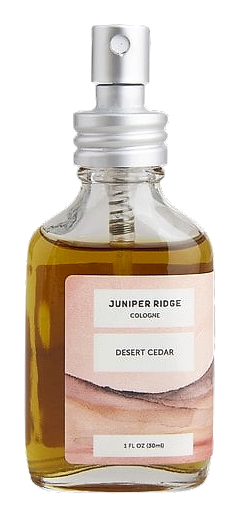
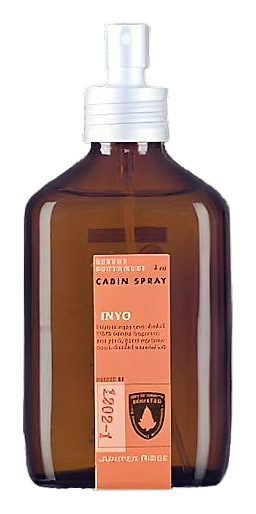
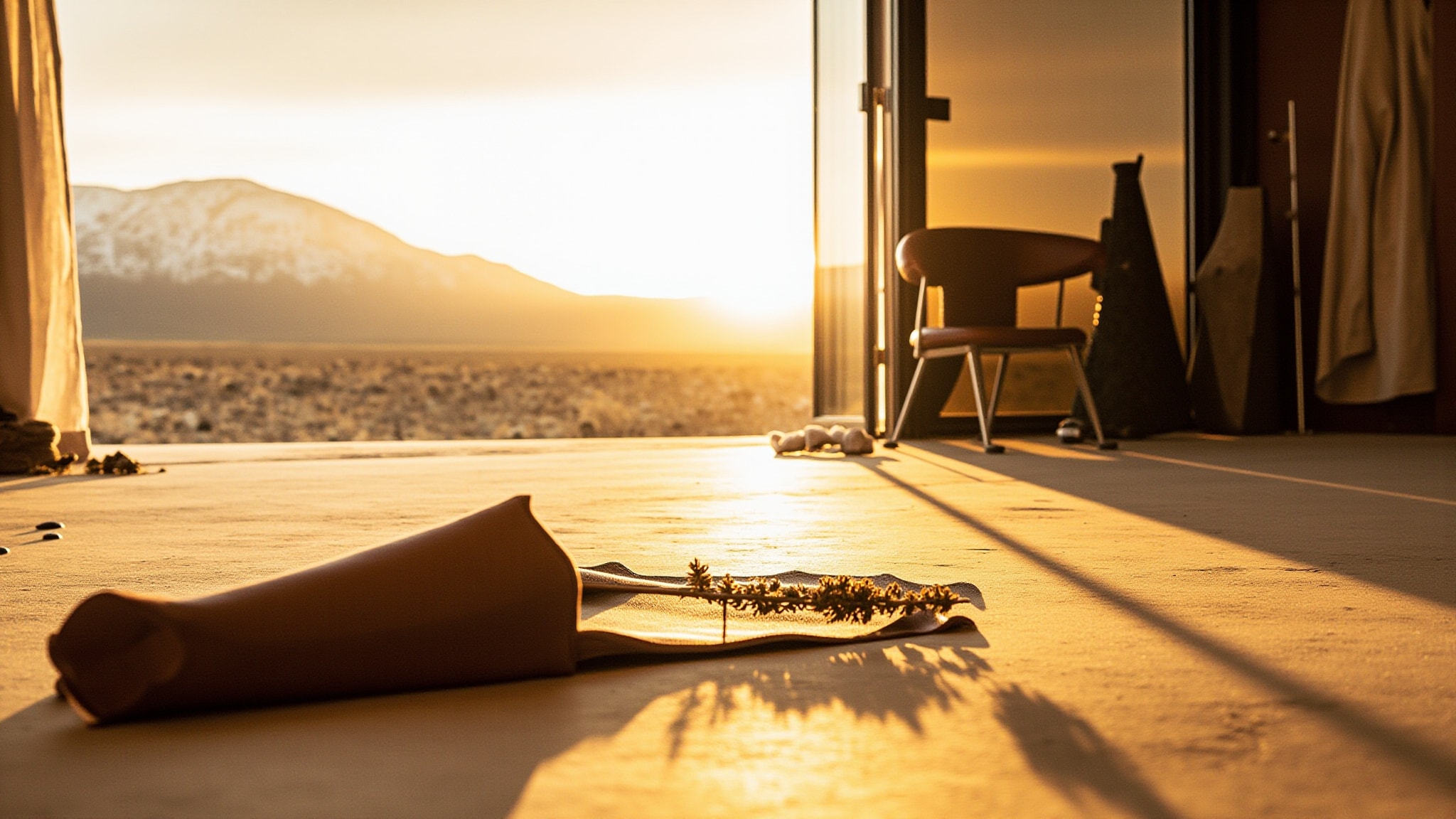
Inyo takes its name from the Inyo Mountains and Inyo National Forest, a rugged range in eastern California the Native Americans called the Dwelling of the Great Spirit. The terrain is barren, the cell service nonexistent, and the temperature swings sharp enough to drop snow on the peaks while the valley bakes below. Ghost towns dot the range, old mining settlements rusted into the landscape. Juniper Ridge built this scent as a record of that specific place. Not an impression, not a mood board. The composition draws on desert cedar, sagebrush, and chaparral, the plant material that defines the high desert's aromatic signature, distilled into something wearable.
What separates this from a conventional woody fragrance is the sourcing ethos behind it. Juniper Ridge builds compositions around botanical material pulled from specific places in the American West rather than a synthetic aroma palette, and the resulting scent carries a particular kind of dryness you don't get from a lab-built woody. The tonic water accord pushes the composition away from the usual wood-and-resin template into something drier, more austere. Leather runs through the structure but reads as sun-baked hide, not the dressed-up leather of a luxury house.
The evolution
The first hour is where this fragrance makes its argument. Desert cedar and sagebrush arrive sharp, almost camphorous, with the chaparral pulling resinous underneath. There's a tonic-water quality, slightly bitter and carbonated, that keeps the opening from settling into typical herbal territory. The leather note shows up early and stays grounded, never polished, more like saddle leather left out in the sun. As the composition moves past its opening, the pebble accord starts surfacing somewhere in the middle stretch, giving the whole thing a textural shift. The drydown develops a dusty warmth that settles into the skin, the cedar and a faint trace of chaparral still hanging on while the sagebrush fades first.
Cultural impact
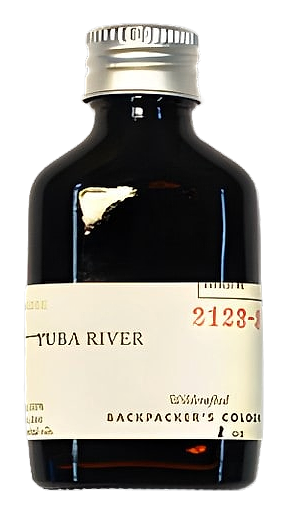
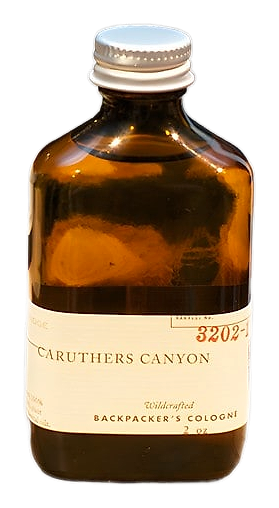
Inyo sits in Juniper Ridge's catalog alongside other place-specific releases like Caruthers Canyon, Big Sur, and Cascade Glacier, each tied to a geographic location in the American West. The brand's audience skews toward hikers, naturalists, and people who find conventional perfumery too abstract. There's a practical, almost utilitarian quality to how these scents are presented, closer to something you'd pack for a trip than something you'd find behind a glass counter. The appeal is in the specificity, the fact that each bottle is meant to recall a real place you could actually visit, with real plants growing in real soil.