The Story
Why it exists.
The beginning
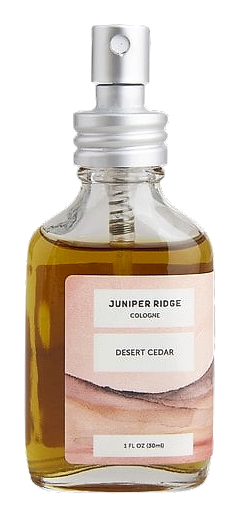
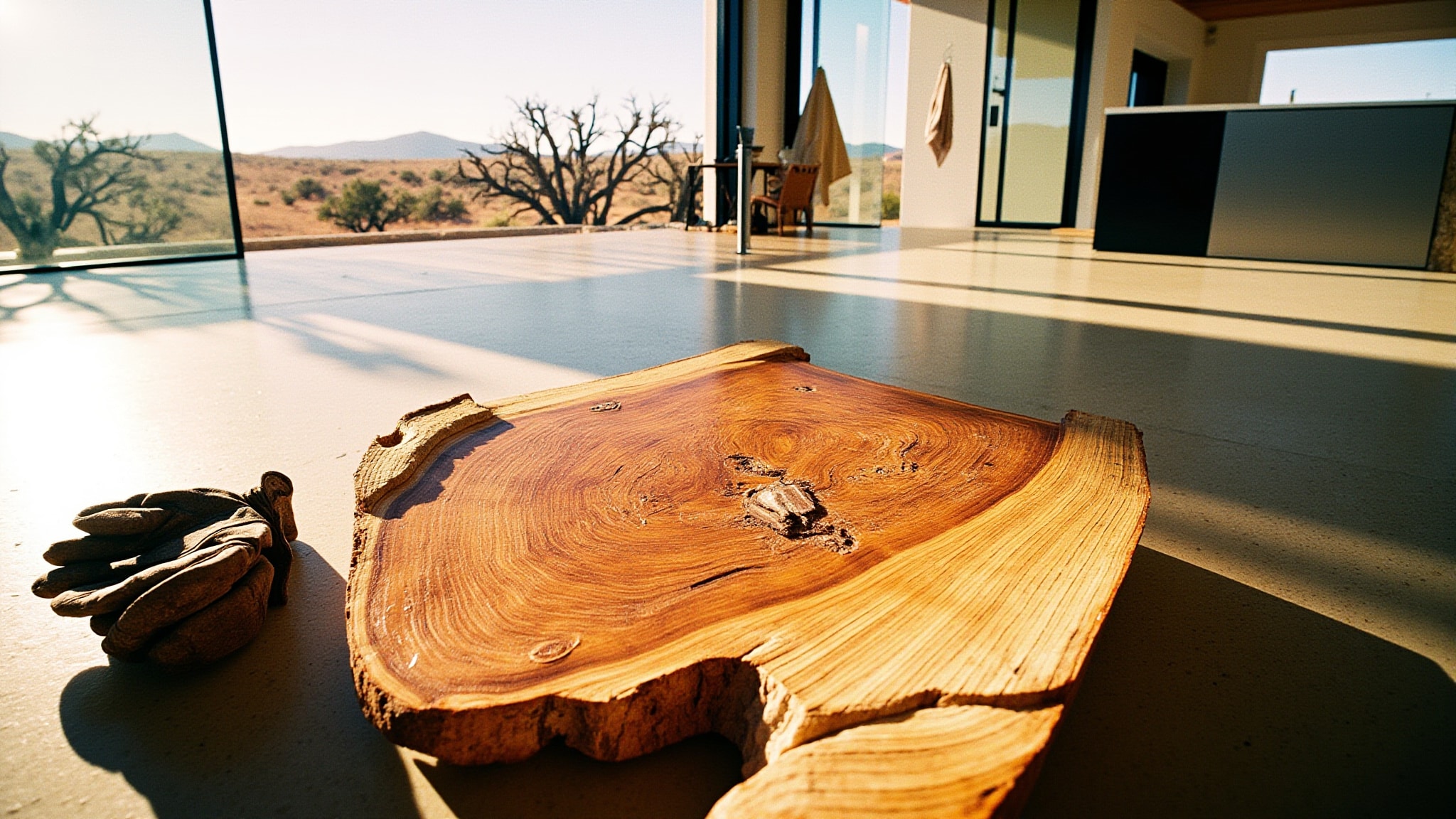
Desert Cedar comes out of the high desert, the kind of country where the air thins out and the junipers twist sideways just to survive. Juniper Ridge built the scent as part of a collection tied to specific Western landscapes, harvested and distilled from the same terrain that inspired it. The brand doesn't separate the place from the perfume. The place is the perfume. The whole idea behind the company was simple: that a fragrance could be an honest record of a specific stretch of ground, not a lab-built approximation. Desert Cedar carries that premise into arid country, where the resin leaks thick from the bark and the sun bakes everything it touches.
What separates this composition from a standard cedarwood cologne is the source material. Juniper Ridge sources its botanicals directly from the Western landscapes it documents, pulling raw material from the same terrain the fragrance aims to represent. That gives the resin a slightly sweeter, almost syrupy warmth at the base, a character you don't usually find in generic cedar reconstructions. Pair it with leather and solar notes and the composition reads less like a wood cologne and more like the memory of a specific afternoon, hot ground, dry brush, and the faint sense of distance.
The evolution
The opening is bright and a little deceptive. A flash of citrus and resin hits first, like sun glinting off exposed rock, almost cheerful, almost light. Then the wood steps forward, and the brightness starts to fall away. The heart is cedar through and through, but it's not the polished, furniture-shop cedar so many fragrances default to. This one carries grit. The leather arrives as the composition settles, and it doesn't behave like the suede-soft leather notes in most designer colognes. It feels cracked, sun-bleached, the kind of leather that's been left on a fence post for a season. The solar notes do something unusual: they don't read as a separate accord so much as a quality of light that sits across the entire composition. As the hours pass, the citrus fades entirely, the resin thickens, and the cedar goes dry and almost incense-like.
Cultural impact
Desert Cedar sits in a quiet corner of the fragrance world. The cologne is sold less as a polished object and more as a piece of ground, a traceable bottle of terrain. The buyers who reach for it usually care about the source as much as the smell, and they wear the cologne the way others might carry a trail map or a worn guidebook. It doesn't try to compete with designer cedar releases or the polished oud-amber crowd. It sits somewhere closer to a well-worn field notebook, a specific place, a specific afternoon, bottled.