Desert Pine Sap
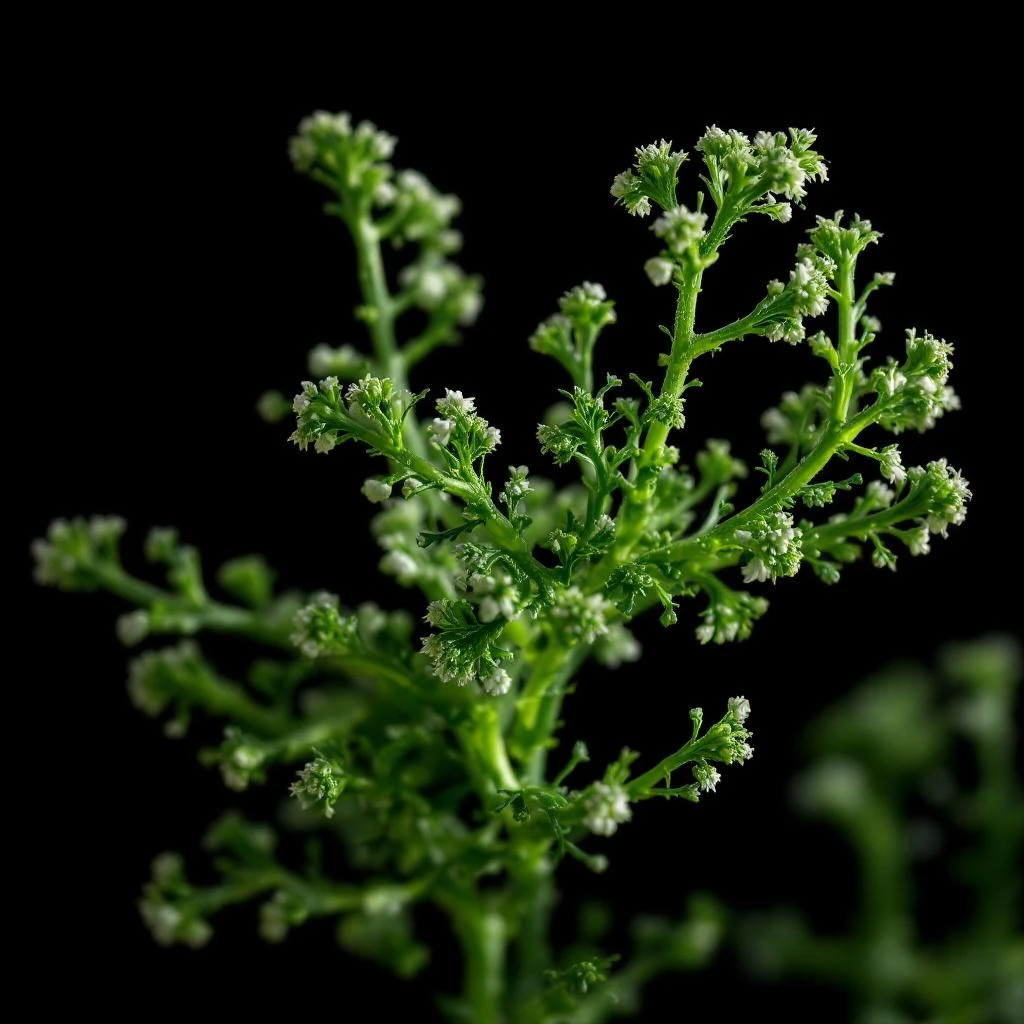
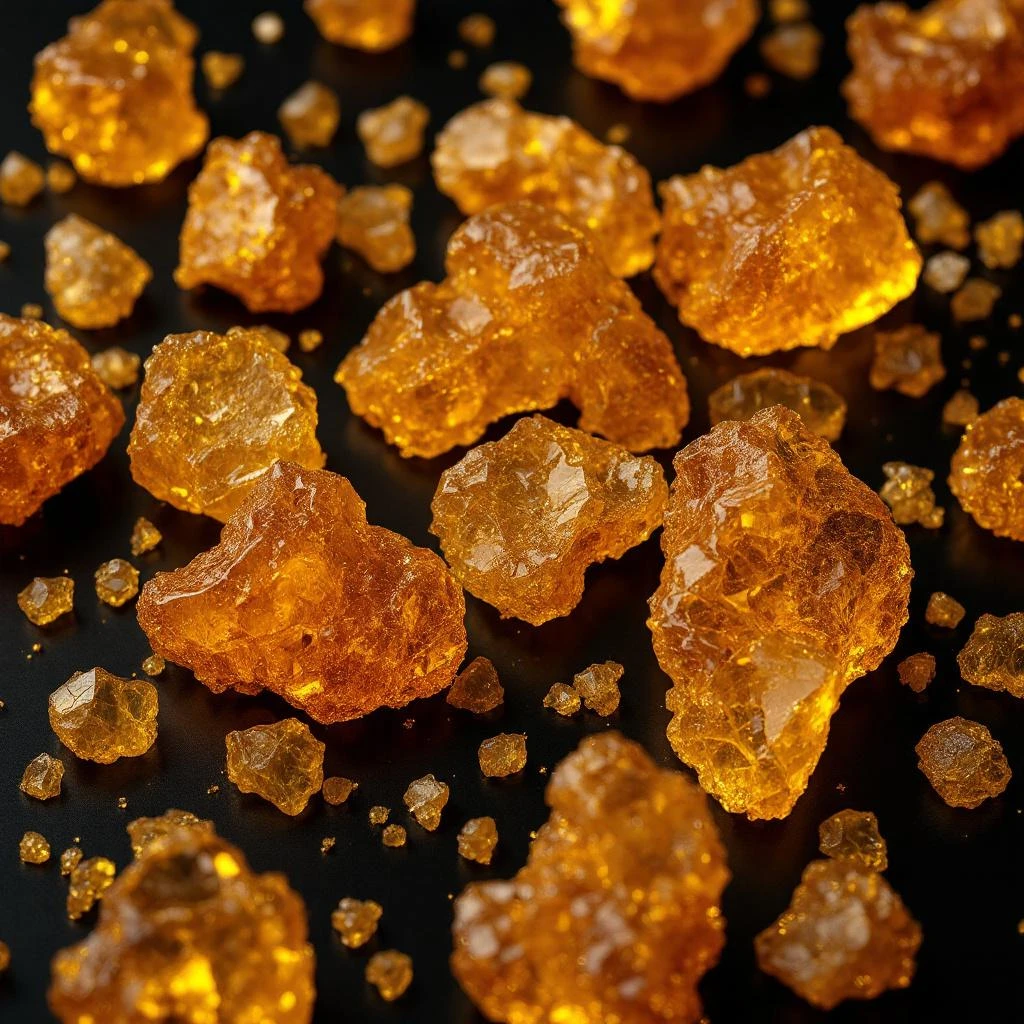
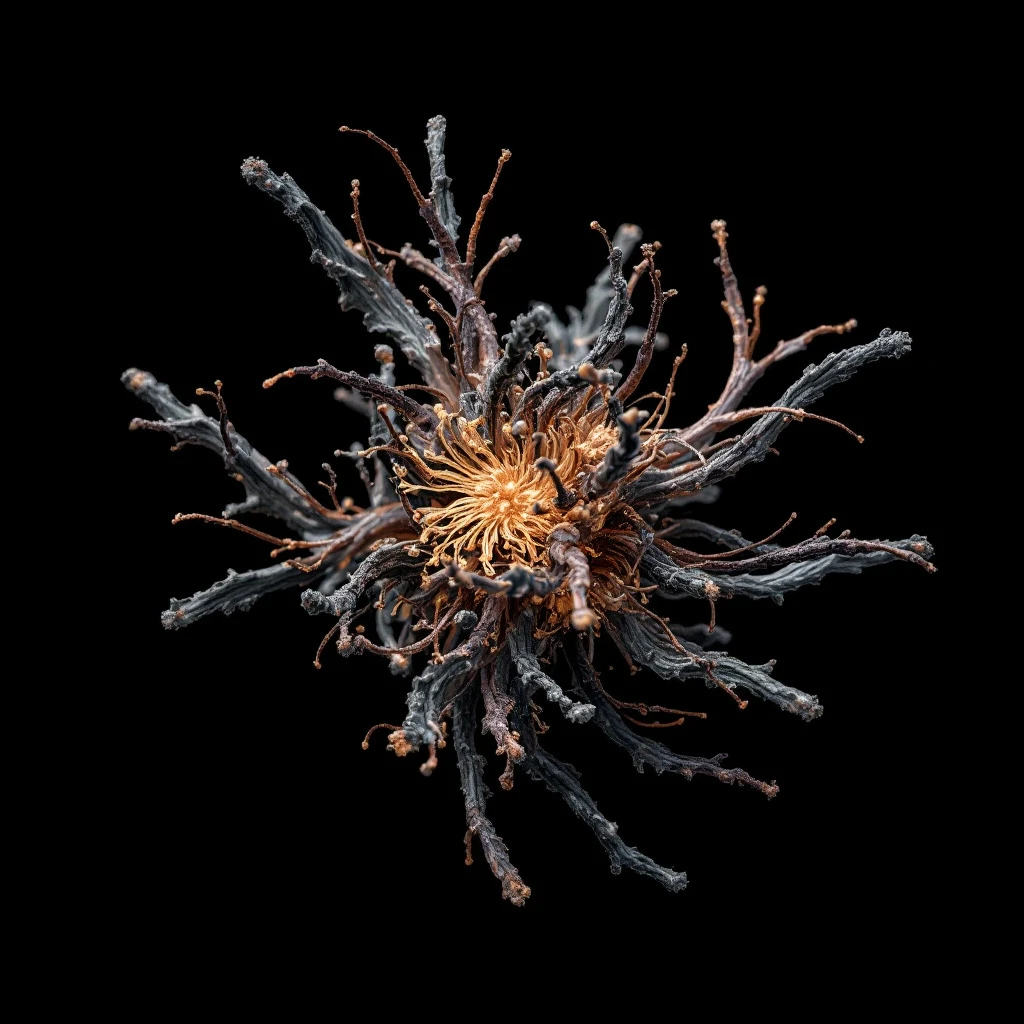
Desert pine sap captures the raw, resinous heart of arid pine forests a sharp, balsamic sweetness sharpened by sun-baked coniferous wood. It lends compositions an arid, mineral edge and a quiet, smoky depth.
Character
How it smells
Balsamic warmth from sun-baked pine.
Pine resin was once distilled into turpentine, the very solvent that helped birth modern industrial perfumery extraction.
Pairs beautifully with
Origin
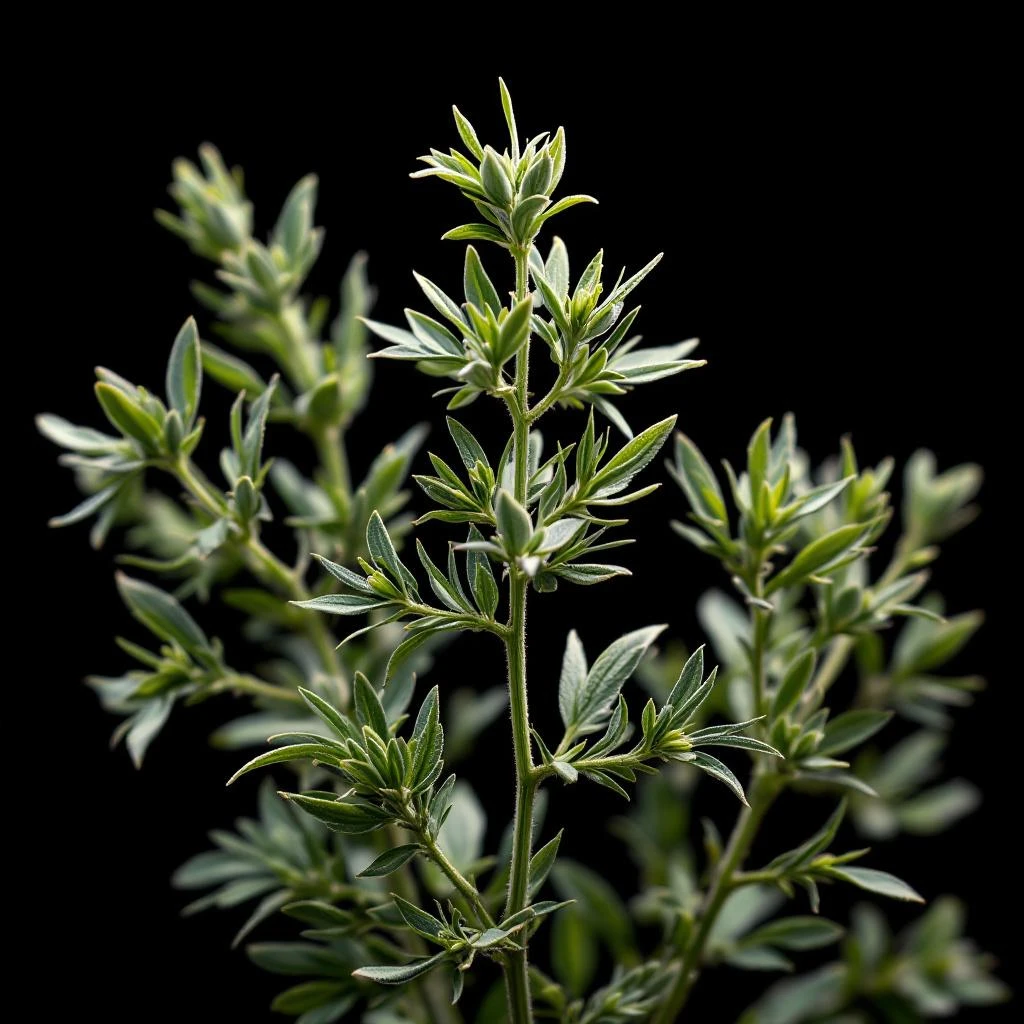
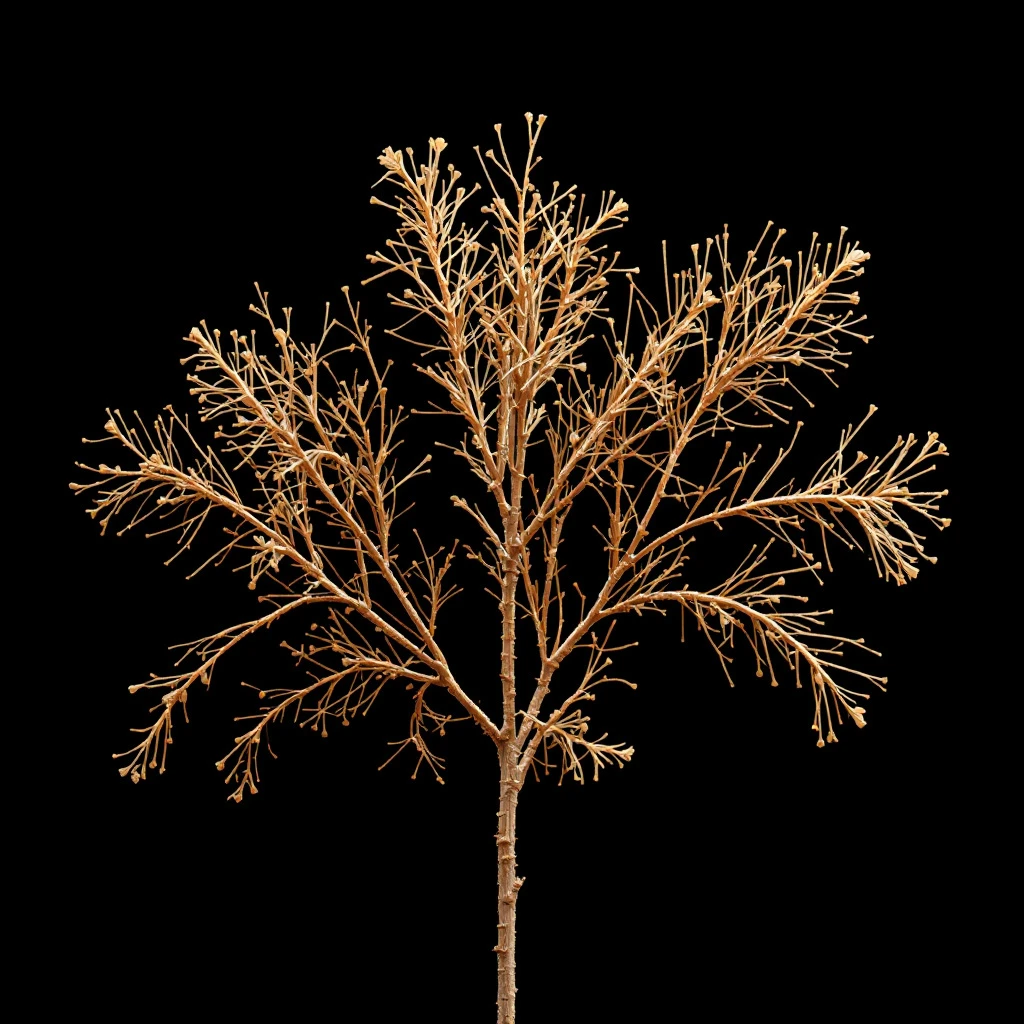
United States (Southwest)
Pine resin ranks among the oldest fragrance materials known. Egyptian tomb records from roughly 3,000 BCE document its use in embalming resins and temple incense, where it burned cleanly and anchored volatile aromatics like myrrh and cassia. Phoenician traders carried coniferous resins across the Mediterranean, and Greek physicians prescribed them for chest ailments, noting their expectorant qualities.
By the medieval period, European monasteries distilled pine oleoresin into turpentine, a commodity so valuable it became a cornerstone of early apothecary trade. The same resinous material, however, also entered fine perfumery. Pine resin anchored ambery compositions throughout the Renaissance, pairing with labdanum and benzoin to form what perfumers still call amber accords.
The arrival of synthetic aroma chemicals in the late nineteenth century shifted perfumery toward abstraction, yet natural pine sap retained its place as a fixative and a character note. Contemporary niche perfumers revisit desert-origin saps precisely because their harsher climate produces a sharper, more austere resin profile than their northern counterparts.
Wears it best
Fragrances featuring Desert Pine Sap
Brands
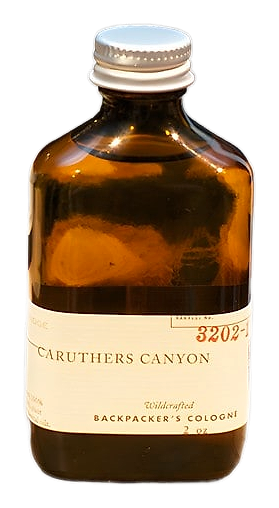
Brands known for Desert Pine Sap
Good to know
Questions, answered
The essentials on Desert Pine Sap in perfumery: how it smells, where it comes from, and how it behaves on skin.
What does desert pine sap smell like in a fragrance?
Desert pine sap contributes a dry, balsamic resin with bright turpentine highs and a faintly smoky undertone. It sharpens citrus and herbal notes while anchoring base accords with an arid, mineral character that softer northern pines lack.
Is desert pine sap natural or synthetic?
Natural desert pine sap exists, harvested by tapping mature pines and distilling the oleoresin. Synthesized pine notes (such as isobornyl acetate or terpene blends) approximate the aroma, but collectors and niche perfumers prize the genuine exudate for depth and fixative quality.
How is desert pine sap extracted?
Harvesters cut shallow bark wounds, allowing the tree to secrete its protective oleoresin. The collected resin is then steam-distilled to separate the volatile essential oil from the heavier rosin residue, concentrating the bright, balsamic top notes perfumers value.
What is the difference between pine sap and pine essential oil?
Pine sap refers to the raw oleoresin exuding from the bark, a blend of volatile oils and non-volatile resin acids. Pine essential oil is the volatile fraction isolated after steam distillation of that oleoresin, yielding a cleaner, more concentrated aromatic profile.
Where does desert pine sap come from?
Desert pine sap originates primarily from drought-stressed pines in the American Southwest, including parts of New Mexico and Arizona. Similar arid-climate pines in the Atlas Mountains of North Africa and the Levant yield comparable resinous material prized in fine perfumery.
Is desert pine sap sustainable?
When properly managed, tapping is sustainable: a single mature pine can be tapped repeatedly across decades without dying. Certification programs, such as those promoted by the Forest Stewardship Council, track resin harvests to ensure bark-wound rotations protect long-term tree health.
When was pine sap first used in perfumery?
Pine sap features in recorded Egyptian incense formulas from around 3,000 BCE. Mediterranean civilizations later refined its use, and by the Renaissance it anchored ambery compositions, a role it still occupies in modern niche fragrance formulations.
Does desert pine sap have fixative properties?
Yes. The non-volatile rosin fraction (primarily diterpene resin acids) slows the evaporation of more volatile top and heart notes, extending a composition's overall longevity. This fixative quality influenced its historical role in ambery and Oriental fragrance structures.