Deep Woods
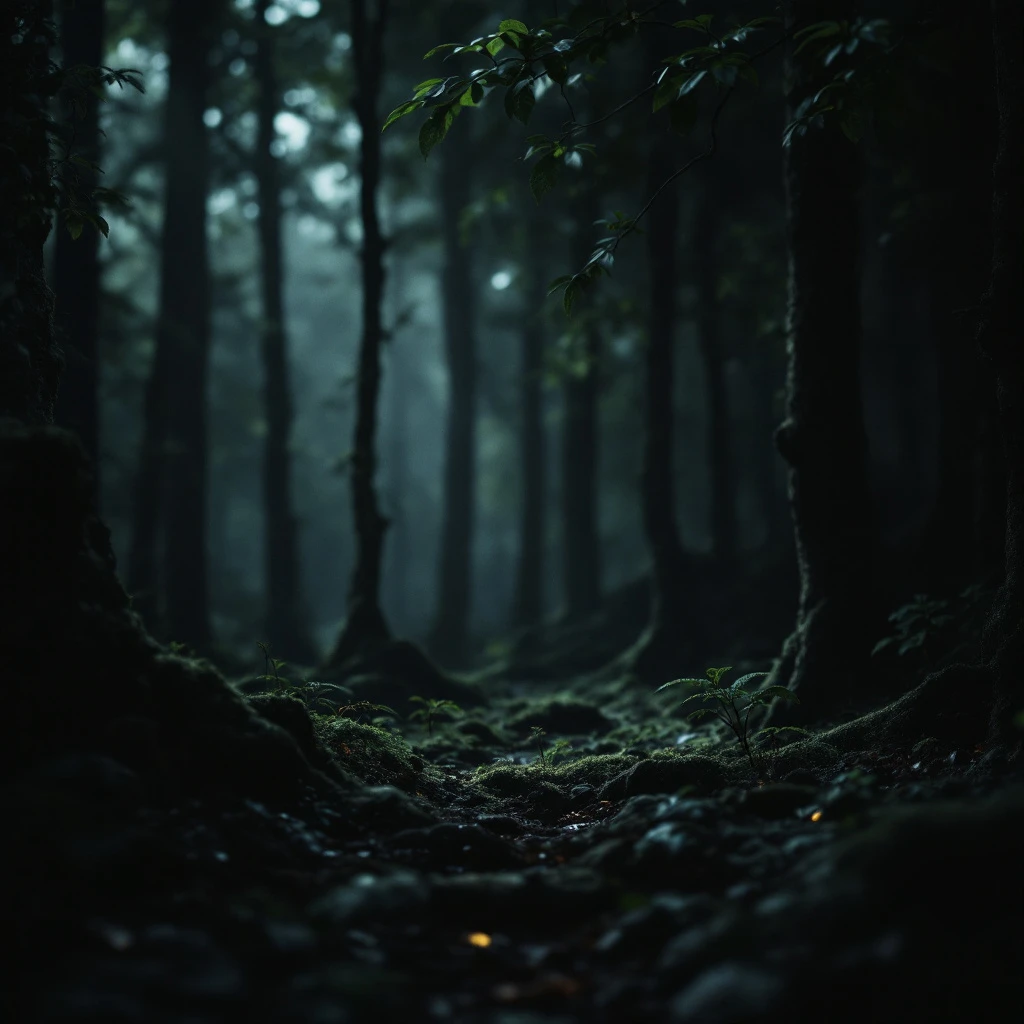
Deep Woods captures the resinous, shadowy character of old-growth forests: damp earth, decaying leaves, and dense heartwood. It anchors fragrances with a grounded, almost primeval presence.
Character
How it smells
The quiet, resinous depth of ancient forests
Some Deep Woods accords replicate oud, a substance that only forms when Aquilaria trees are infected by the mold Phialophora parasitica.
Pairs beautifully with

Origin
India
Woody notes have scented human rituals for at least 4,000 years. Cedarwood oil appears among the earliest documented perfumery ingredients, used in ancient Egyptian embalming and temple incense. Indian sandalwood trade flourished by 500 BCE, with shipments reaching Egypt, Greece, and eventually China along early incense routes.
Vetiver roots arrived in Europe from India in the 12th century, initially valued for their ability to scent fabrics and protect them from insects. The modern Deep Woods accord, however, took shape in the late 19th and early 20th centuries. Advances in organic synthesis made woody molecules accessible beyond rare naturals, allowing perfumers like those at Guerlain and later Serge Lutens to build compositions around the idea of forest rather than a single tree.
The chypre family, anchored by oakmoss and woods, set the template. By the 1970s, Deep Woods had become a staple masculine base, evolving today into a broader category that includes the smoky, ambery woods of niche perfumery.
Wears it best
Fragrances featuring Deep Woods
Brands
Brands known for Deep Woods
Good to know
Questions, answered
The essentials on Deep Woods in perfumery: how it smells, where it comes from, and how it behaves on skin.
What does Deep Woods smell like?
Deep Woods smells resinous, earthy, and dry, with notes of damp bark, moss, and sometimes smoke. It evokes the atmosphere of an old-growth forest floor rather than a specific tree.
Is Deep Woods a natural ingredient?
Deep Woods is typically an accord combining several natural essential oils (cedarwood, vetiver, sandalwood) with synthetic woody molecules. This blending ensures consistency and reduces pressure on scarce woods like Indian sandalwood.
What is the difference between Deep Woods and oud?
Oud is a single natural material that forms only when Aquilaria trees are infected by the mold Phialophora parasitica. Deep Woods is a broader olfactory concept that may include oud, cedar, vetiver, or synthetics, depending on the perfumer.
Which woods are most common in Deep Woods accords?
Cedarwood, sandalwood, vetiver root, and patchouli leaf are the most common. Synthetic ingredients like Iso E Super and Cashmeran are also widely used to add smooth, woody transparency.
Why is sandalwood so expensive in perfumery?
Sandalwood trees require 15 to 20 years to mature before heartwood develops sufficient aromatic oil. Overharvesting has made Indian sandalwood (Santalum album) scarce, driving prices far above most other perfumery woods.
Is Deep Woods used in feminine fragrances?
Yes. While historically associated with masculine compositions, Deep Woods bases appear widely in unisex and feminine perfumes, particularly in modern chypre, gourmand, and oriental families where depth and longevity are desired.
How is vetiver oil extracted for perfumery?
Vetiver oil is produced by steam distillation of the washed and dried roots of Chrysopogon zizanioides. The roots are typically harvested after 18 to 24 months, when their aromatic oil content peaks.
Are sustainable alternatives to traditional Deep Woods ingredients available?
Yes. Australian sandalwood (Santalum spicatum) plantations and responsibly managed cedar and vetiver farms now supply much of the market, reducing pressure on wild Indian sandalwood populations.




