Date Syrup
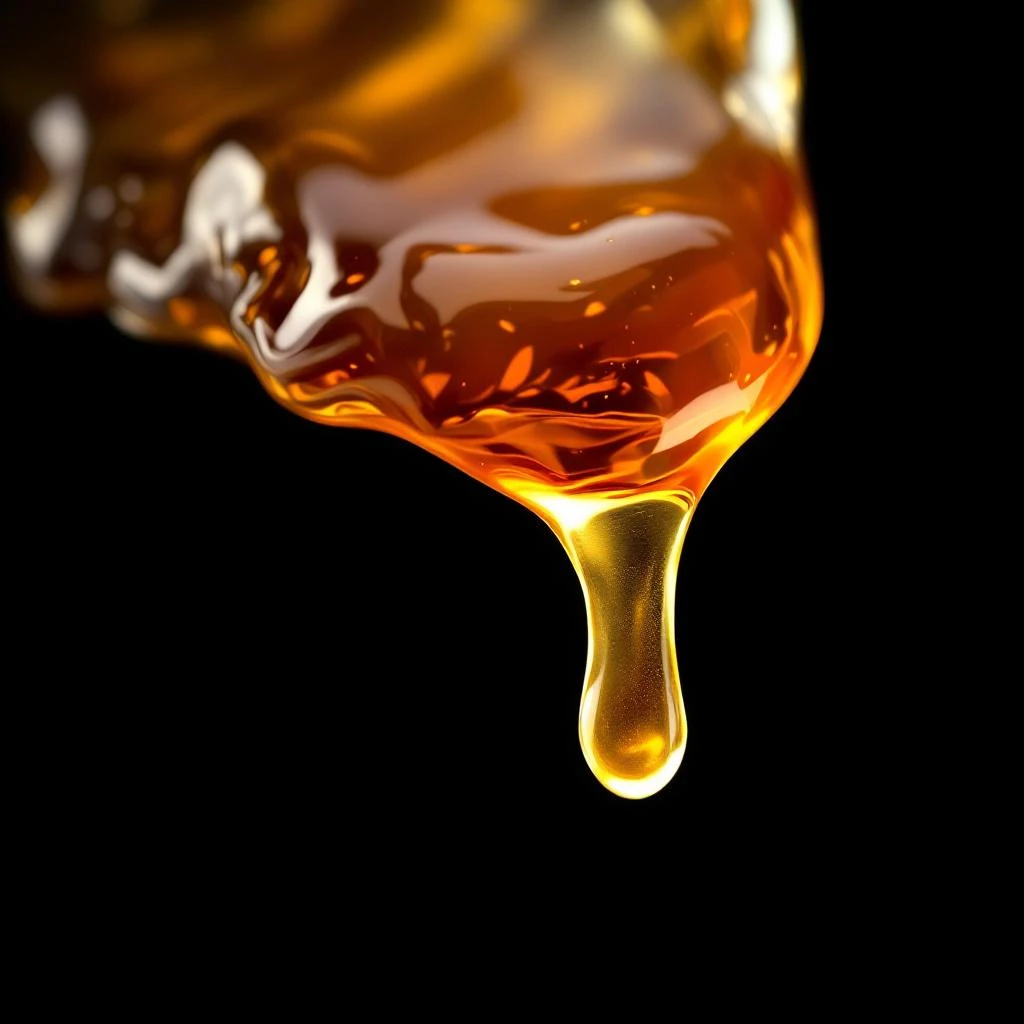
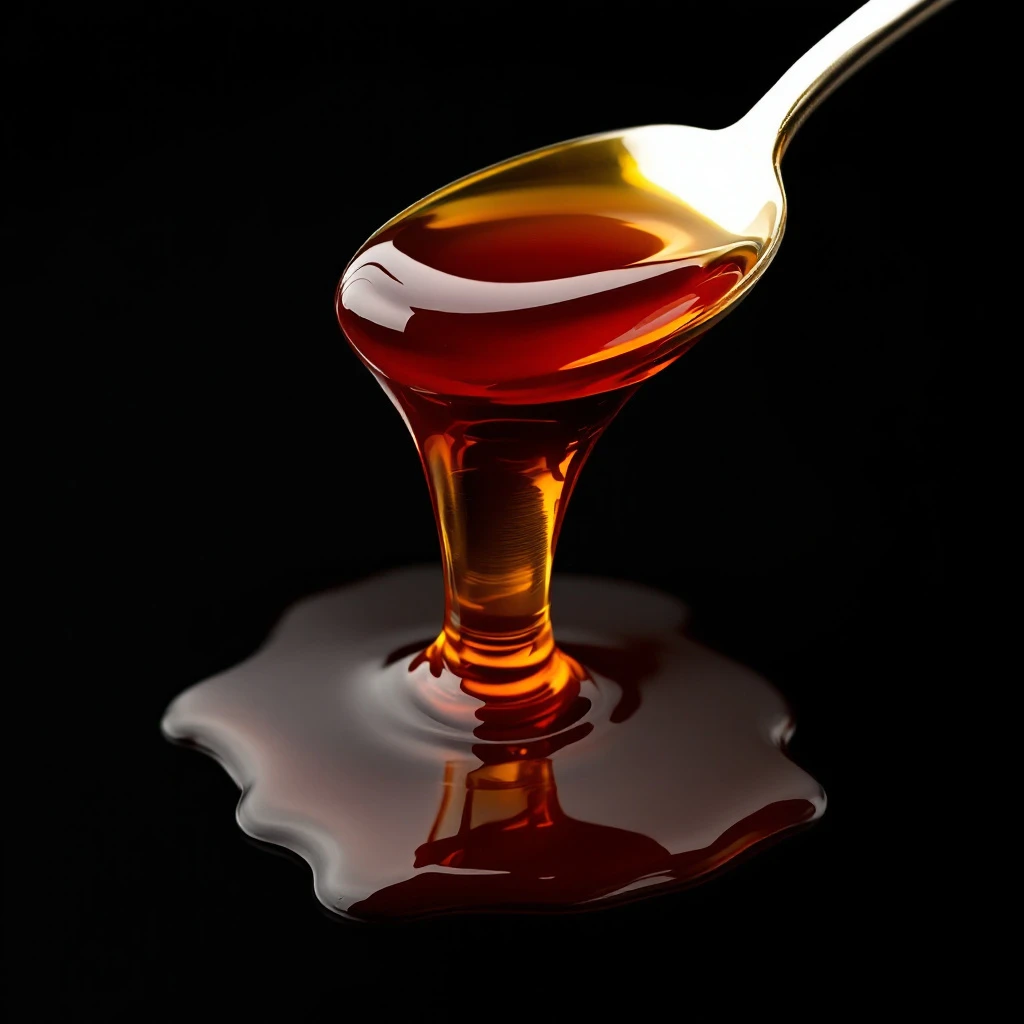
Date syrup brings a deep, caramelized sweetness to perfumery, carrying the warmth of sun-ripened fruit and dried desert landscapes. Its rich, jammy depth anchors gourmand compositions and oriental bases.
Character
How it smells
Liquid caramel from ancient orchards
The date palm, Phoenix dactylifera, has been cultivated for over 6,000 years, making date-derived ingredients among humanity's oldest food and aromatic resources.




Origin
Iraq
Dates rank among the earliest cultivated crops on Earth, with archaeological evidence from Mesopotamia showing date palm cultivation dating back to at least 4,000 BC. The Sumerians, Assyrians, and Babylonians all prized dates as a staple food and a symbol of abundance, often featuring the fruit in religious offerings and royal inscriptions.
Ancient Mesopotamian civilizations, including those in the region of modern Iraq where the city of Ashur stood, used date-derived materials in ritual preparations that may have included early aromatic unguents. While direct documentation of date syrup as a perfumery ingredient from antiquity is scarce, the fruit's deep ties to early civilization meant its aroma profile existed in the sensory world of ancient perfumers.
Trade routes across the Arabian Peninsula carried dates from oasis to oasis for millennia, embedding their sensory identity in Middle Eastern culture. Modern gourmand perfumery revived interest in date's warm, caramelized character in the early 21st century, building accords inspired by this ancient fruit's distinctive sweetness.
Wears it best
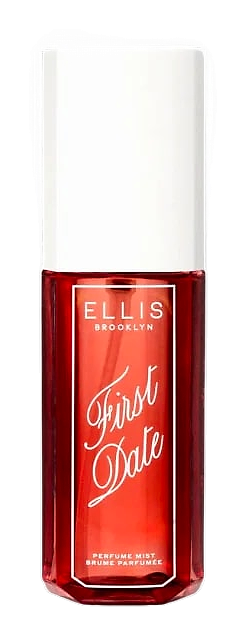
Fragrances featuring Date Syrup
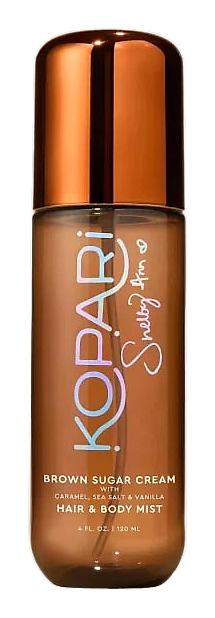
Brands
Brands known for Date Syrup
Good to know
Questions, answered
The essentials on Date Syrup in perfumery: how it smells, where it comes from, and how it behaves on skin.
What does date syrup smell like in perfume?
Date syrup contributes a deep, caramelized sweetness with hints of dried fruit, honey, and soft smoke. It reads as warm and jammy, often anchoring gourmand and oriental fragrance compositions with a rich, edible depth.
Is date syrup a natural perfume ingredient?
Direct extracts exist, but most date syrup notes in commercial perfumery are reconstructed accords built from aroma molecules like maltol and furaneol. True date syrup contains primarily sugars that lack volatility for diffusion.
Where does date syrup originate?
The date palm (Phoenix dactylifera) was first cultivated in Mesopotamia, with archaeological evidence from modern Iraq dating back over 6,000 years. Iraq remains one of the world's largest date producers today.
What fragrance families use date syrup?
Date syrup notes appear most often in gourmand compositions, oriental bases, and amber fragrances. It pairs especially well with vanilla, tonka bean, resins, and warm spice accords.
How is date aroma captured for perfumery?
Producers extract dried dates using CO2 or solvent methods to isolate volatile aromatic compounds. Alternatively, perfumers construct date accords from individual molecules that replicate the fruit's cooked, sweet profile.
Are dates used in ancient perfumery?
Dates held deep cultural significance in ancient Mesopotamia and were used in ritual offerings, though direct evidence of dates in early perfume recipes remains limited compared to resins and woods.
What chemicals create the date syrup scent?
Furaneol, maltol, gamma-decalactone, and various esters produce date's characteristic caramelized, jammy aroma. Trace pyrazines add the slightly roasted, dried-fruit complexity perfumers seek.
Is date syrup safe in fragrance?
Date-derived extracts and date accord materials are generally considered safe for cosmetic use at standard perfumery concentrations. They carry no significant sensitization concerns at typical inclusion levels.