Darjeeling Black Tea
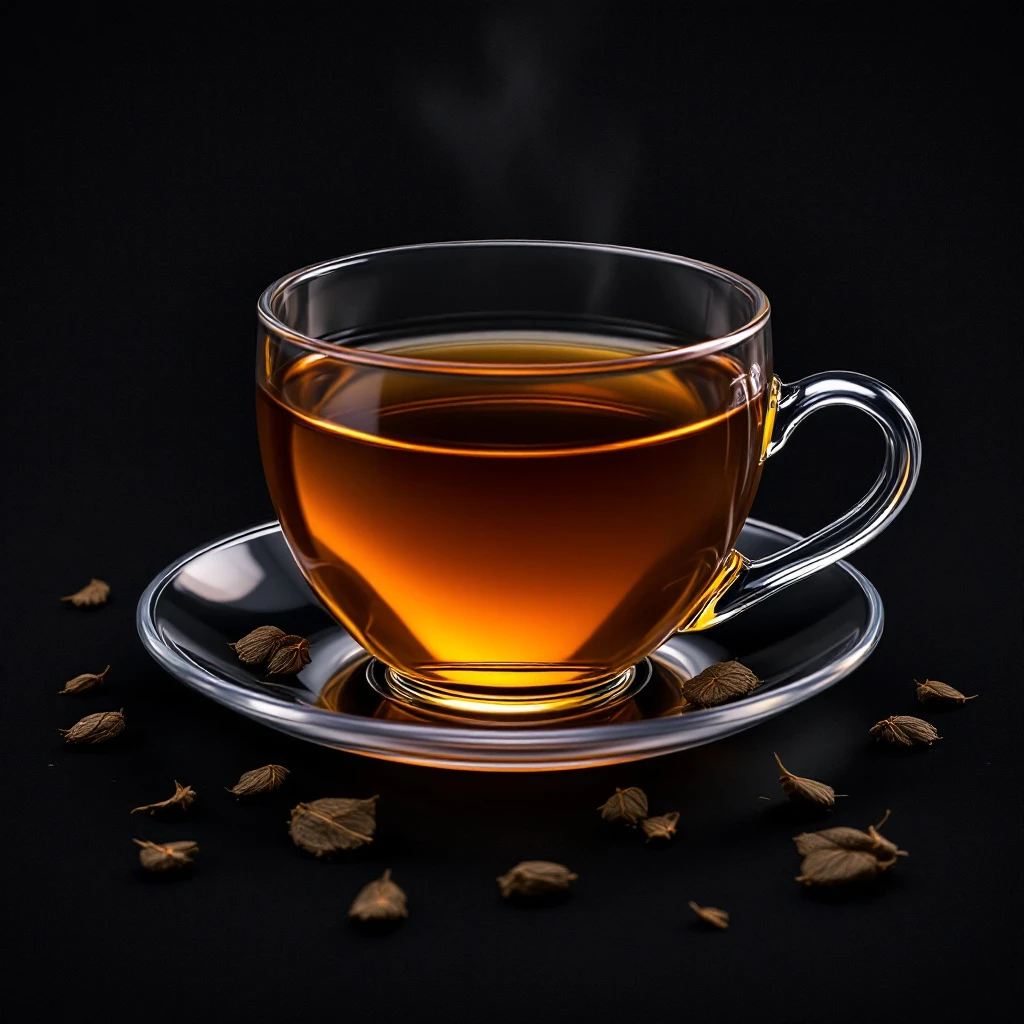
Darjeeling black tea delivers a smoky, slightly floral character with subtle spice — a mountain-grown classic that brings contemplative warmth to fragrance compositions.
Character
How it smells
The Himalayan tea that defined modern perfumery.
Tea gardens first appeared in Darjeeling in 1841 under the British East India Company. The first commercial harvest arrived just four years later.





Origin
India
The story of Darjeeling tea begins with colonial ambition. In the mid-1800s, the British East India Company sought to break China's monopoly on tea production. They identified the misty Himalayan foothills of what is now West Bengal as an ideal location for experimental tea cultivation.
Plantings began in 1841, and by the late 1800s, Darjeeling had developed its signature muscatel character — a distinctive fruity, floral quality found in no other tea. French perfumer Jean-Claude Ellena recognized this complexity when he created Bvlgari's Au Thé Vert in 1992, considered the first major tea fragrance. The success proved that tea could anchor a perfume, not merely garnish it.
Today, Darjeeling remains a reference point in perfumery — its black tea absolute a reminder that some of the most compelling fragrance materials carry centuries of history in their leaves.
Wears it best
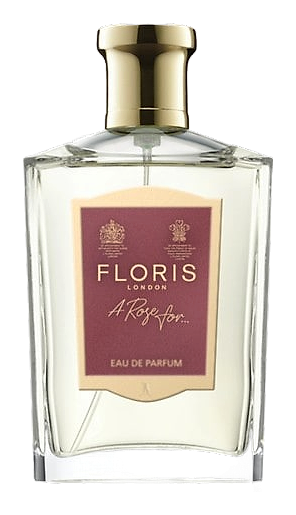
Fragrances featuring Darjeeling Black Tea
Brands
Brands known for Darjeeling Black Tea
Good to know
Questions, answered
The essentials on Darjeeling Black Tea in perfumery: how it smells, where it comes from, and how it behaves on skin.
What does Darjeeling black tea smell like in perfumery?
Darjeeling black tea absolute presents as smoky and floral with gentle spice. The muscatel character — fruity and slightly wine-like — sets it apart from other tea varieties. It adds contemplative warmth rather than sharpness to fragrance compositions.
How do perfumers extract the scent from Darjeeling tea?
Solvent extraction pulls aromatic compounds from dried Camellia sinensis leaves. This method captures more volatile molecules than steam distillation, preserving the smoky phenols and floral linalool that define the extract's character.
Which fragrance families use Darjeeling black tea?
Aromatic, green, and chypre fragrances most commonly feature this note. Darjeeling tea works particularly well in daytime and unisex compositions where a sophisticated, understated tea character enhances fresher or more herbal elements.
Where does Darjeeling tea grow?
Darjeeling tea originates from the Darjeeling district in West Bengal, India, at elevations between 600 and 2,000 meters. The cool temperatures, frequent fog, and well-drained slopes of the eastern Himalayas create the conditions that produce the tea's distinctive character.
Why did Darjeeling tea become significant in perfumery?
Jean-Claude Ellena's 1992 creation of Bvlgari Au Thé Vert proved that tea could serve as a perfume's main ingredient rather than a background note. Darjeeling's complex, smoky-floral profile made it an ideal candidate for demonstrating tea's potential in fragrance.
Can synthetic tea notes replace natural Darjeeling extract?
Synthetic tea accords exist, but they typically lack the complexity of natural extract. The natural material contains hundreds of volatile compounds that interact in ways chemists still cannot fully replicate, particularly the muscatel nuances unique to high-altitude Darjeeling.
What ingredients pair well with Darjeeling black tea in perfume?
Bergamot, iris, cedarwood, and light musks complement Darjeeling tea without overwhelming it. These pairings preserve the tea's clarity while adding warmth or subtle sweetness to the overall composition.
Is Darjeeling tea sustainable for fragrance production?
Sourcing practices vary among fragrance houses. Some work directly with Darjeeling estates to ensure quality and fair compensation. The region's tea industry faces challenges from climate change, making sustainable sourcing practices increasingly important for long-term availability.