Currant Sorbet
Currant Sorbet captures the frosty sweetness of ripe berries with a cool, confectionery twist. This gourmand note evokes frozen fruit pulp, bright acidity, and crystalline sugar melding into a refreshing accord.

Character
How it smells
Frozen berries, crystallized.
Currant Sorbet has no natural extraction; perfumers build this note entirely in the laboratory by blending synthetic esters that mimic red and black currant chemistry.




Origin
France
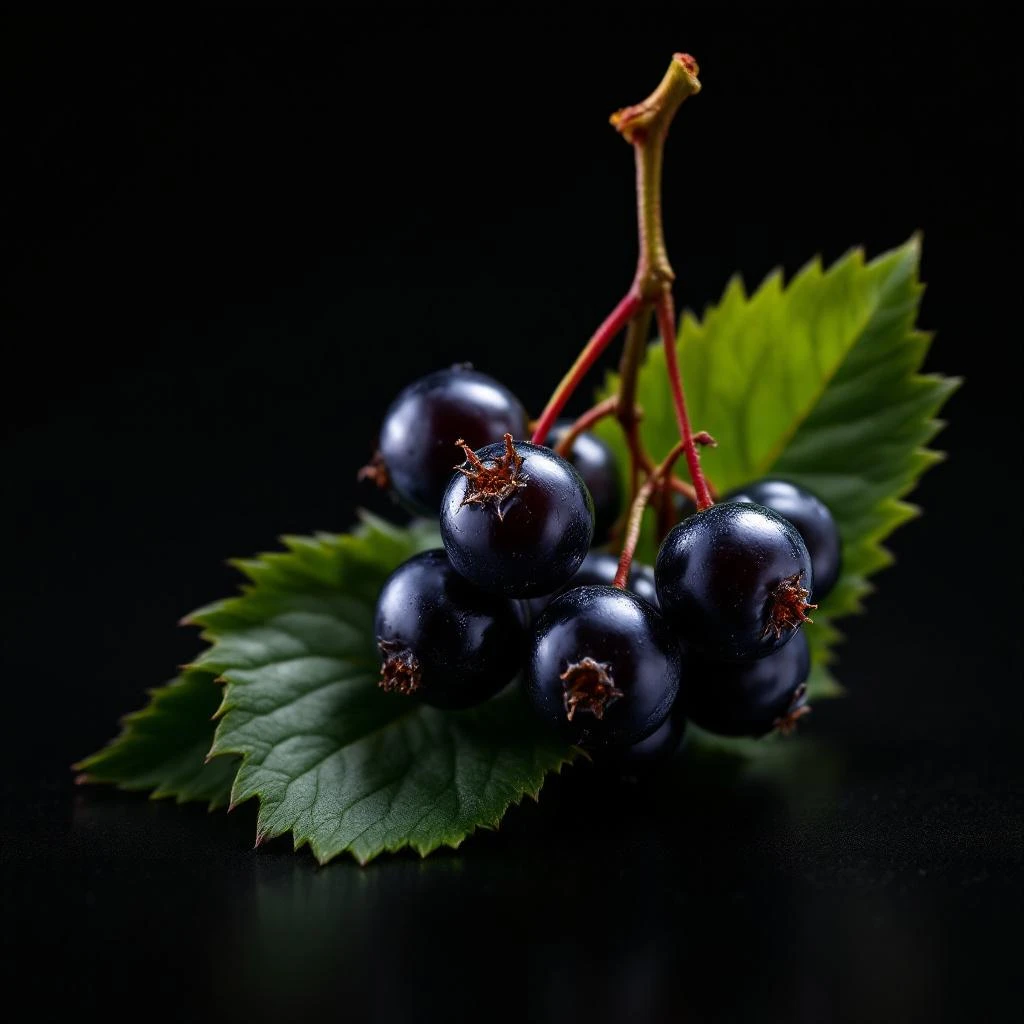
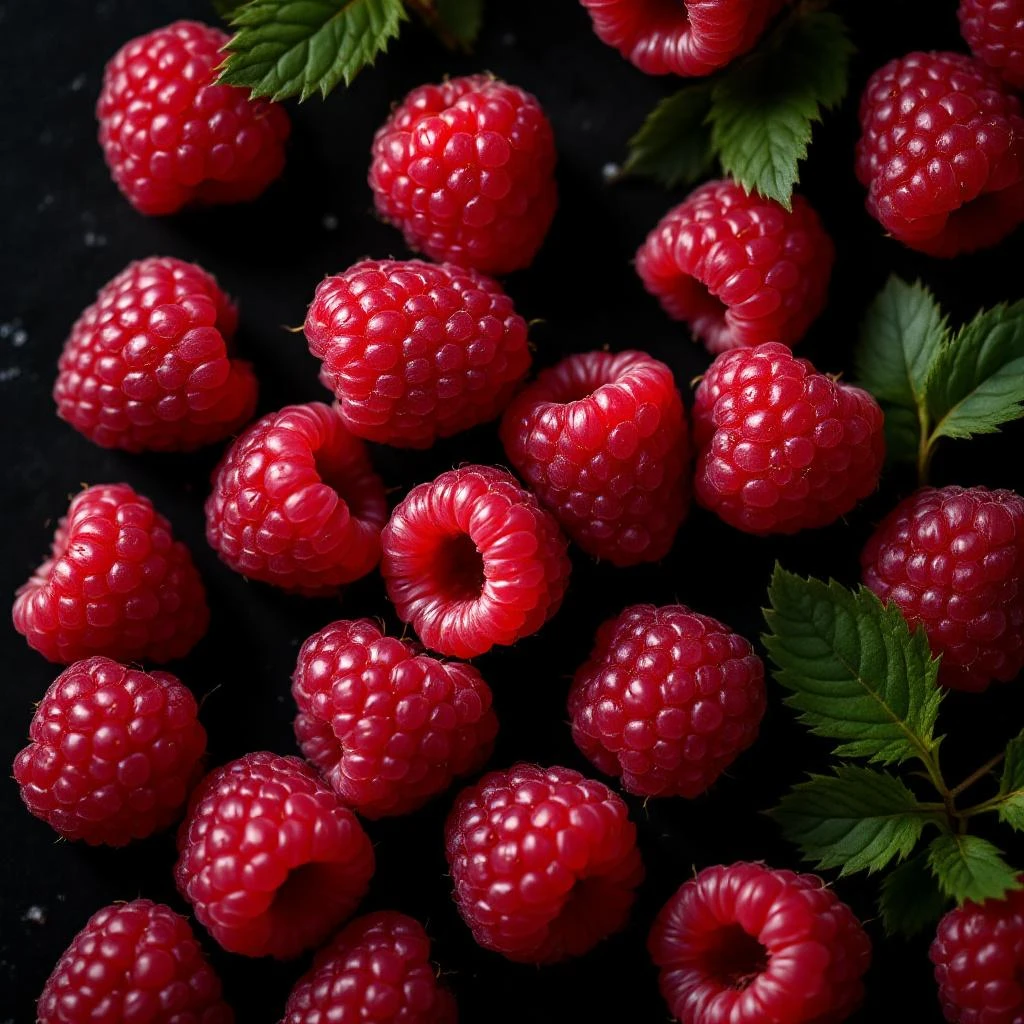
The currant family spans ancient cultivation. Red currants (Ribes rubrum) and black currants (Ribes nigrum) grew wild across Northern Europe and Russia for millennia. Greek physicians referenced them medicinally, and by the Middle Ages, monastic gardens cultivated both species for syrups and preserves.
Black currant entered formal perfumery when Guerlain incorporated cassis bud absolute into Chamade (1969), establishing the green-fruity signature still popular today. Red currant, however, never produced a commercial perfumery extract; its delicate aroma proved too fragile for traditional steam distillation or solvent capture. This limitation persisted until the late 20th century, when synthetic ester chemistry advanced enough to reconstruct red currant impressions in the lab.
The 'sorbet' concept emerged in the 1990s and 2000s alongside cooling-agent technology originally developed for cosmetics and confectionery. Houses like Thierry Mugler and Jean Paul Gaultier popularized frozen-fruit accords in mainstream launches. Today, currant sorbet represents pure modern perfumery: a sensory illusion born from chemistry, not horticulture, yet referencing flavors humans have cherished for over a thousand years.
Wears it best
Fragrances featuring Currant Sorbet
Brands
Brands known for Currant Sorbet
Good to know
Questions, answered
The essentials on Currant Sorbet in perfumery: how it smells, where it comes from, and how it behaves on skin.
What does Currant Sorbet smell like in perfume?
Currant Sorbet smells like frozen crushed berries dusted with sugar, combining sharp fruit acidity with a cool, almost mentholated freshness. The accord evokes sorbet texture rather than ripe fruit, making it brighter and icier than natural cassis notes.
Is Currant Sorbet a natural or synthetic fragrance ingredient?
Currant Sorbet is entirely synthetic. No botanical extraction exists for this accord; perfumers reconstruct the scent using esters like ethyl 2-methylbutyrate paired with cooling agents such as menthyl lactate.
Which perfumes feature Currant Sorbet accords?
Modern gourmand and fruity-floral fragrances frequently use currant sorbet-style accords, particularly in compositions launched after 2010 emphasizing frozen-fruit themes. Specific houses guard their formulations, but the style appears across niche and mainstream ranges.
How is Currant Sorbet different from blackcurrant or cassis?
Blackcurrant (cassis) absolute is extracted from Ribes nigrum buds and smells earthy, green, and intensely fruity. Currant Sorbet adds a synthetic cooling dimension and crystalline sweetness absent from natural cassis, creating an icy rather than jammy impression.
When did perfumers start using Currant Sorbet style notes?
The frozen-fruit sorbet concept gained traction in the late 1990s and 2000s, coinciding with advances in cooling-agent chemistry. Mainstream fruity-gourmand launches cemented the style through the 2010s.
Can Currant Sorbet be made from real currants?
No. Red and black currants yield no commercial perfumery extract suitable for capturing the sorbet impression. The cool, sweet, icy character requires laboratory reconstruction rather than botanical distillation.
What fragrance families does Currant Sorbet belong to?
Currant Sorbet sits within the fruity and gourmand families, often bridging fruity-floral compositions. Its cooling edge occasionally places it in fresh-aquatic contexts where icy fruit effects are desired.
Is Currant Sorbet suitable for sensitive skin?
Skin sensitivity depends on the specific synthetic molecules used in each formulation. Cooling agents and fruit esters vary in irritation potential, so patch testing individual fragrances containing this accord remains advisable for sensitive individuals.