Currant Cake
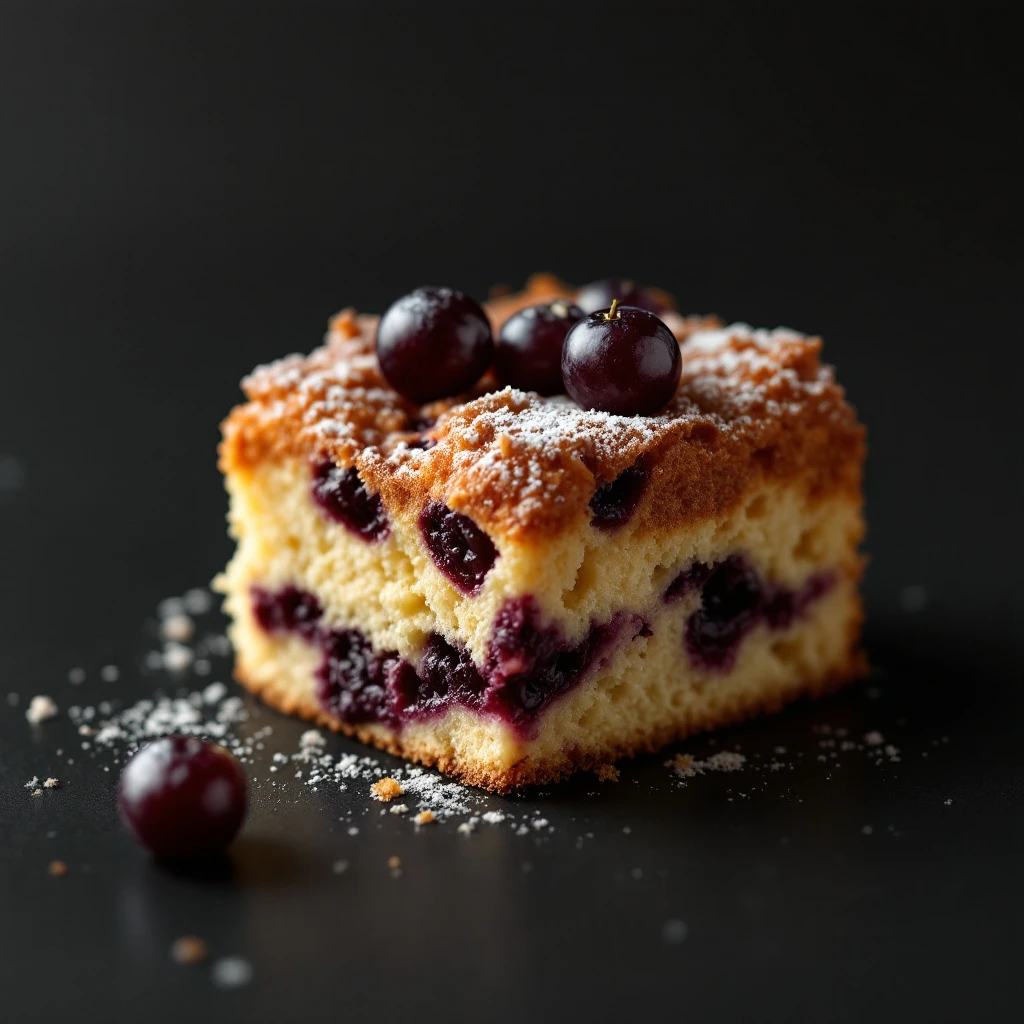
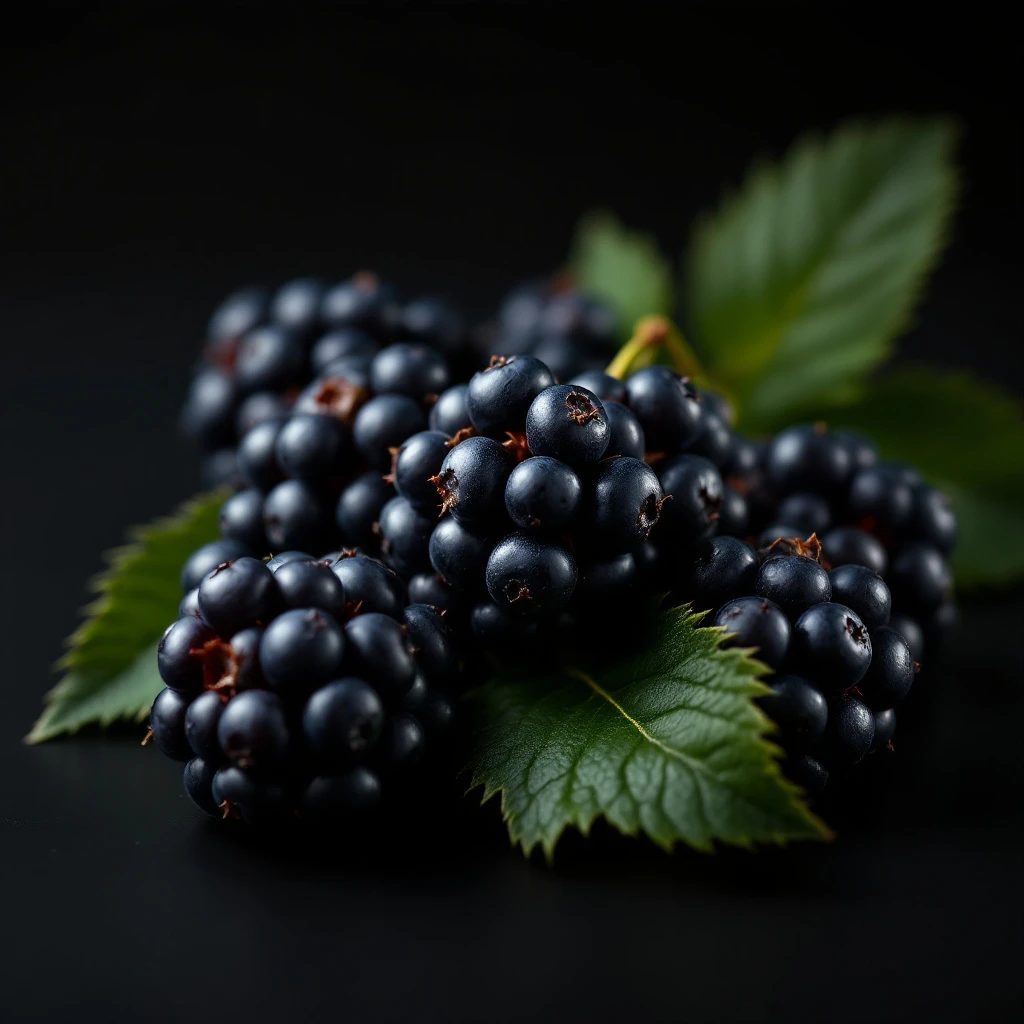
Currant cake is a gourmand accord evoking baked blackcurrants, warm butter, and caramelized sugar. Perfumers construct this note synthetically since no single natural extract captures the complete bakery impression.
Character
How it smells
Warm berries baked into a gourmand fantasy
Currant cake as a fragrance note did not exist before synthetic aroma chemicals allowed perfumers to imitate the smell of baked goods, which natural extraction alone cannot replicate.




Origin
France
The concept of a currant cake fragrance note belongs firmly to the modern era of perfumery, when gourmand compositions entered mainstream fragrance. Natural perfumery dates back over 3,200 years to Mesopotamia, but the idea of smelling like a baked dessert required the development of synthetic aroma chemicals during the 19th and 20th centuries.
Blackcurrant itself entered the perfumer's palette in 1969, when Guerlain introduced it in Chamade, opening the door for berry-driven compositions. Shortly after, confectionery and bakery accords began appearing in fragrances, capitalizing on synthetic molecules capable of imitating caramel, vanilla, and warm dough.
Currant cake as a distinct note emerged from this convergence: a fruity blackcurrant base married to baked and buttery synthetics. Today it sits comfortably within the gourmand family, reflecting how contemporary perfumery blurs the line between kitchen and bottle through creative blending rather than traditional distillation.
Wears it best
Fragrances featuring Currant Cake
Brands
Brands known for Currant Cake
Good to know
Questions, answered
The essentials on Currant Cake in perfumery: how it smells, where it comes from, and how it behaves on skin.
What does currant cake smell like in perfume?
Currant cake is a gourmand accord combining tart blackcurrant fruit with warm butter, caramelized sugar, and soft pastry facets. It reads sweet and fruity, with a baked, almost jammy depth.
Is currant cake a natural fragrance ingredient?
No single natural material produces the smell of currant cake. The note is compounded by perfumers using blackcurrant bud absolute alongside synthetic molecules like ethyl maltol and vanillin.
What fragrance chemicals create the currant cake note?
Common building blocks include ethyl maltol for caramelized sweetness, furaneol for baked cotton-candy warmth, vanillin for creamy depth, and lactones such as gamma-decalactone for buttery softness.
When did gourmand notes like currant cake enter perfumery?
Gourmand notes became prominent in the 1990s and 2000s, building on earlier synthetic molecules. Blackcurrant itself entered fine perfumery in 1969 with Guerlain's Chamade.
Which perfumes feature a currant cake note?
Many niche and designer gourmand fragrances use berry-and-bakery accords. Specific examples vary widely across houses, since currant cake is a constructed note rather than a single raw material.
Is currant cake safe to wear on skin?
Yes, when formulated within IFRA safety limits. The synthetic molecules used are well-studied and commonly appear in fine fragrances and even food flavorings.
How does currant cake differ from plain blackcurrant?
Plain blackcurrant emphasizes tart, green, and slightly catty facets from the bud absolute. Currant cake adds buttery, caramelized, and pastry-like layers for a fuller gourmand impression.
Can currant cake be made with natural extracts only?
A fully natural version is difficult because baked and caramel notes require synthetic molecules like furaneol. Perfumers typically combine blackcurrant absolute with nature-identical synthetics.