Cuban Cigar
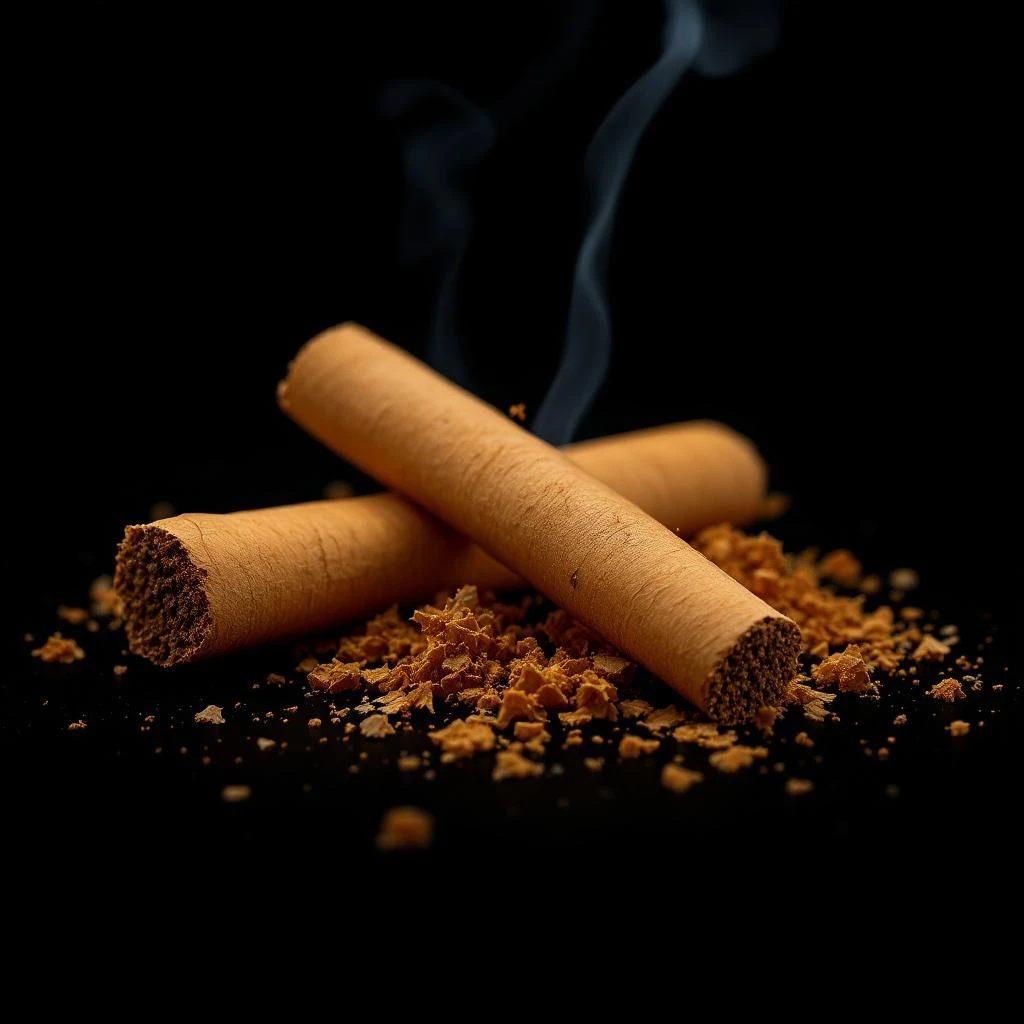
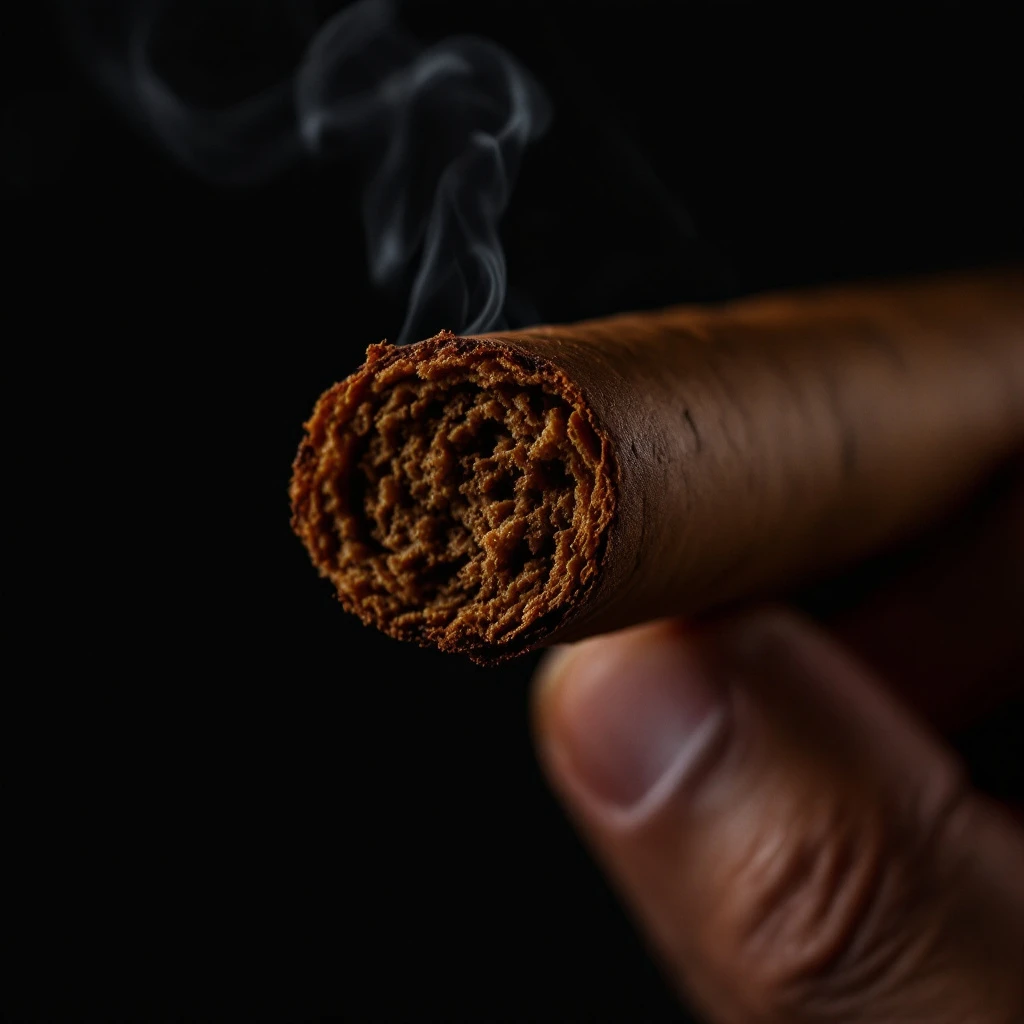
Cuban Cigar brings the legendary richness of Vuelta Abajo tobacco into the bottle: dark, resinous, and unmistakably luxurious, this note carries centuries of Caribbean craft and the smoke-dusted memory of Montecristo and Cohiba.
Character
How it smells
The bold soul of Caribbean tobacco in liquid form.
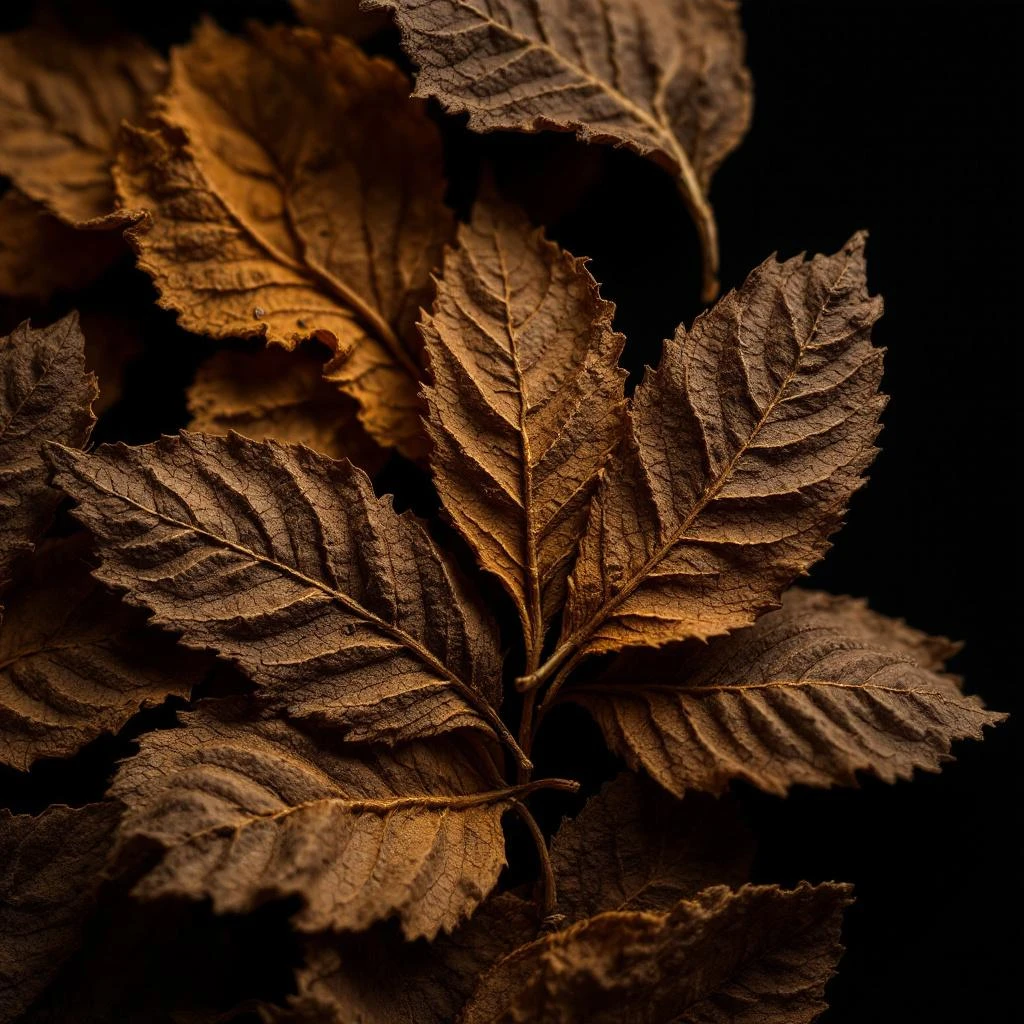
The finest Cuban tobacco grows in the Vuelta Abajo region of Pinar del Río, where volcanic soil and Caribbean microclimate create leaves with unmatched aromatic complexity.





Origin
Cuba
When Christopher Columbus landed in Cuba in 1492, indigenous Taíno people were already cultivating and smoking tobacco in ritual and leisure. By 1542, the Spanish recognized this practice's economic potential and established the island's first cigar factory on Cuban soil.
From that moment, Cuban cigars became synonymous with prestige, their reputation built on the island's unique terroir: mineral-rich Vuelta Abajo soil, consistent humidity, and generations of agricultural knowledge passed from torcedor to apprentice. Cuban cigars were so coveted that they became currency in their own right, featured in diplomatic gifts and literary salons.
Napoleon himself famously refused to cede Cuban cigars in treaty negotiations. Today, Cuban tobacco remains a benchmark for quality worldwide, and its aromatic essence continues to influence perfumery's most distinguished masculine fragrances.
Wears it best
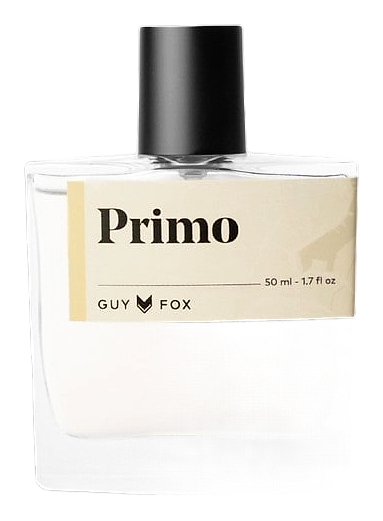
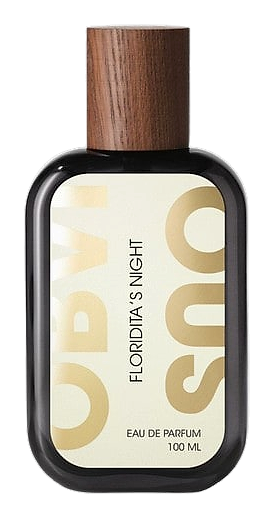
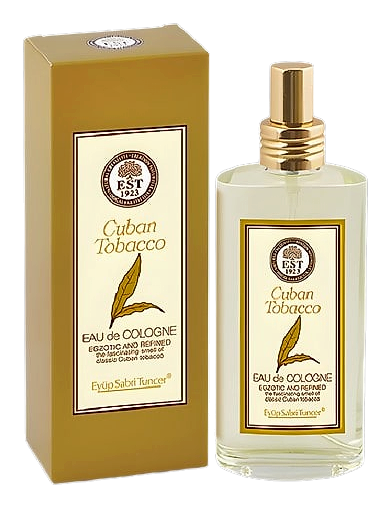
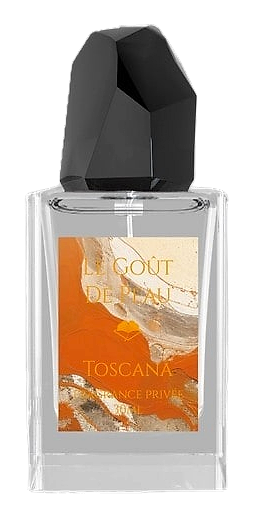
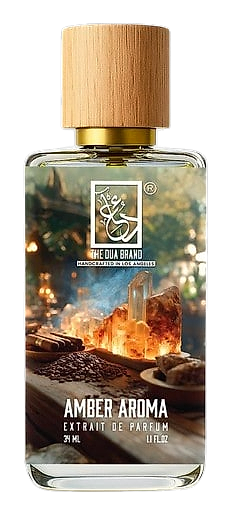
Fragrances featuring Cuban Cigar

Brands
Brands known for Cuban Cigar
Good to know
Questions, answered
The essentials on Cuban Cigar in perfumery: how it smells, where it comes from, and how it behaves on skin.
What does Cuban Cigar smell like in perfume?
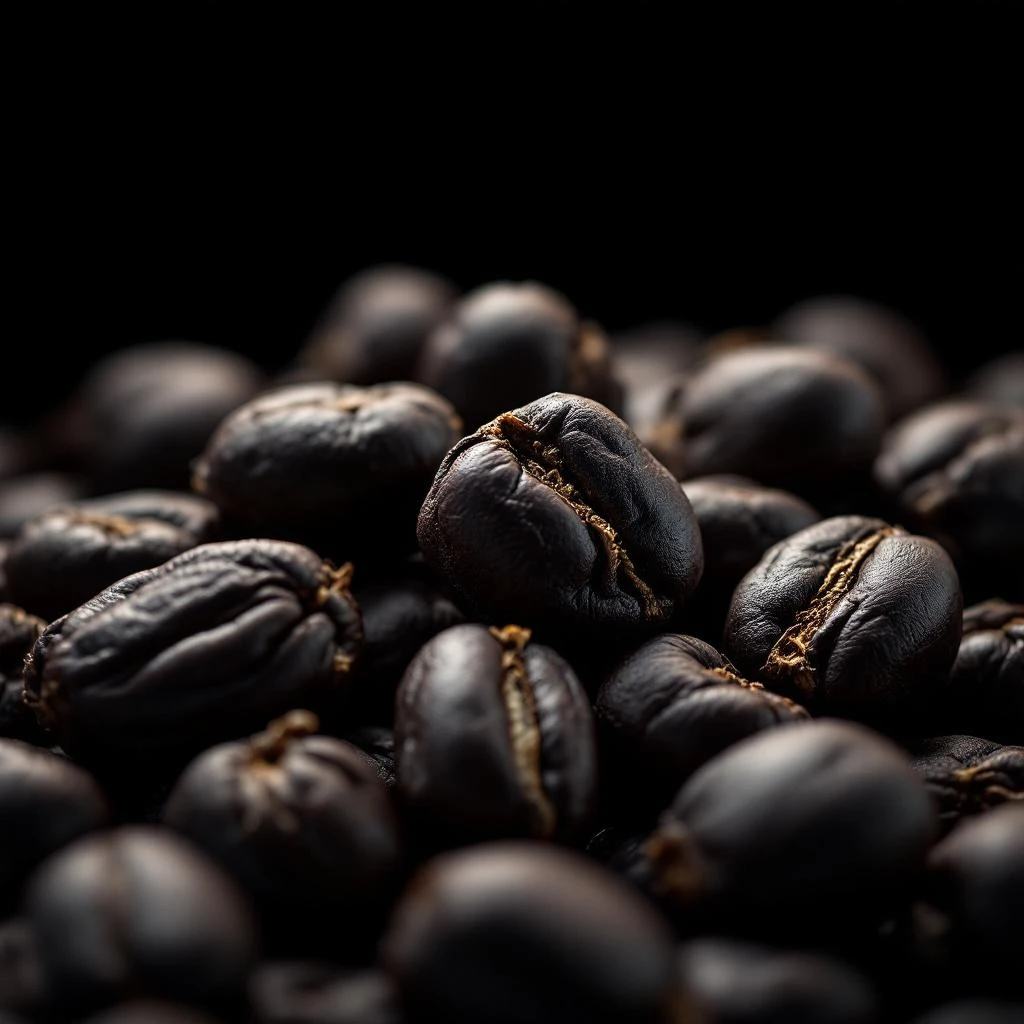
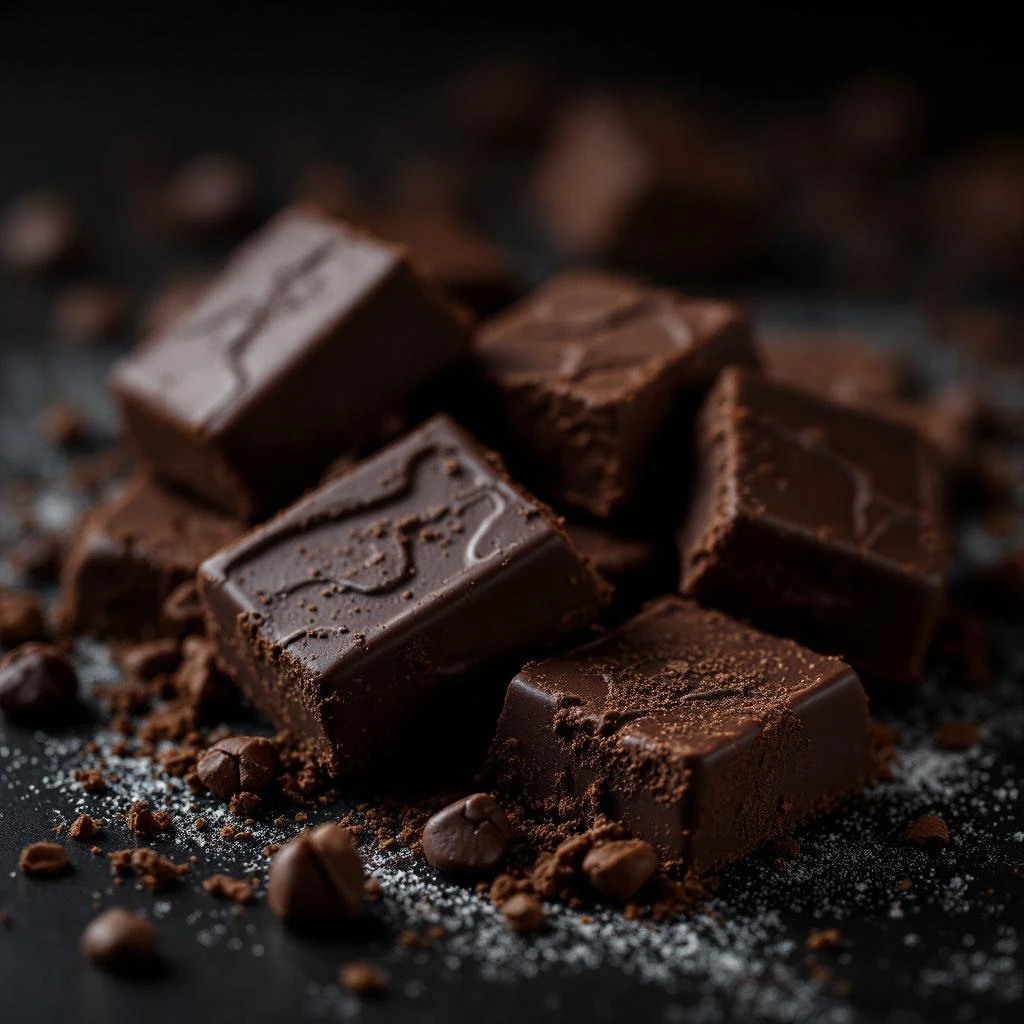
Cuban Cigar absolute delivers a rich, layered tobacco accord. At its core, it offers cured tobacco leaf sweetness with notes of dried plum, pipe tobacco, and dark honey. The smoke component arrives on the drydown, lending warmth reminiscent of a banked cigar. It reads as masculine, sophisticated, and resinous rather than harsh or ashy.
Is Cuban Cigar a natural or synthetic fragrance ingredient?
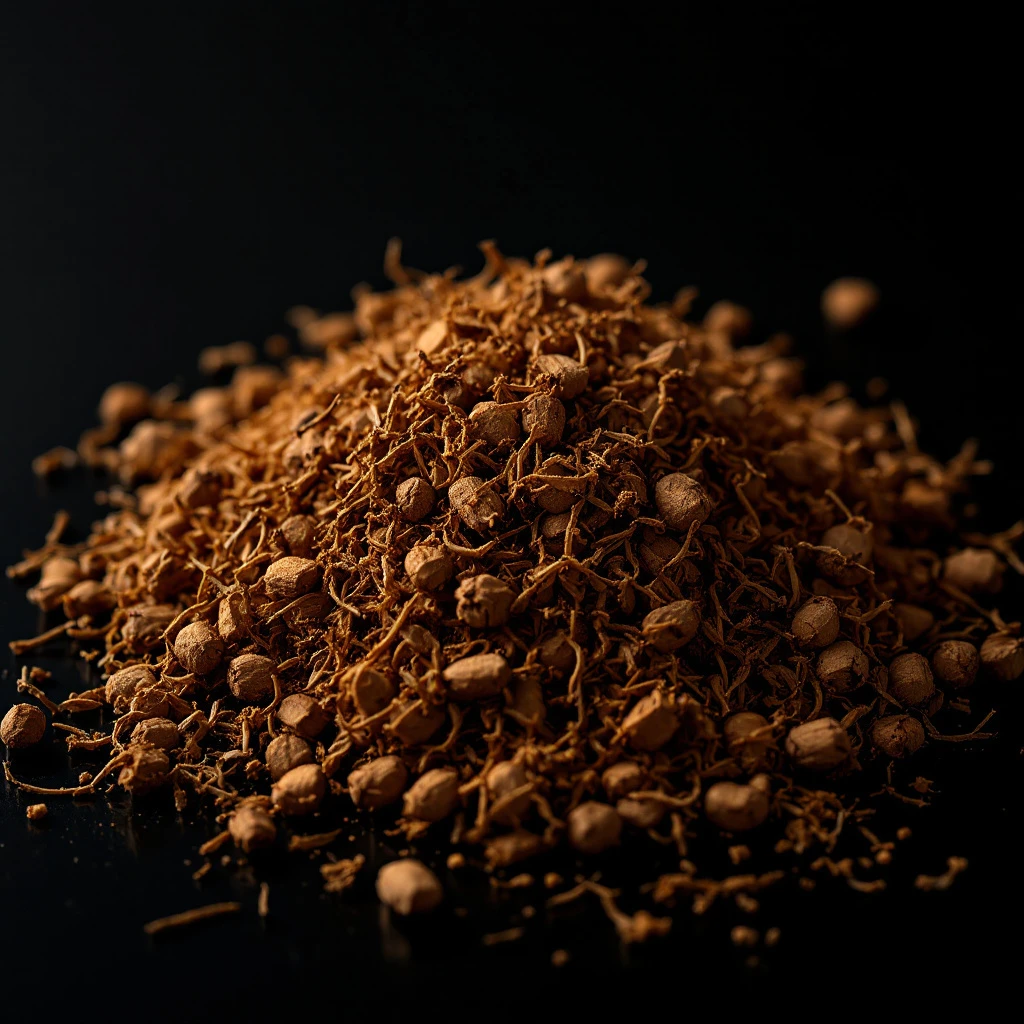
Cuban Cigar exists in both forms. Natural tobacco absolute comes from cured leaves via solvent extraction, producing a complex profile that can include over 100 aromatic compounds. Synthetic versions reconstruct key molecules like cotinine or tobacco lactone. High-end fragrances typically prefer natural absolute for its depth, though modern aromachemistry achieves convincing tobacco character.
Which fragrance families use Cuban Cigar as an ingredient?
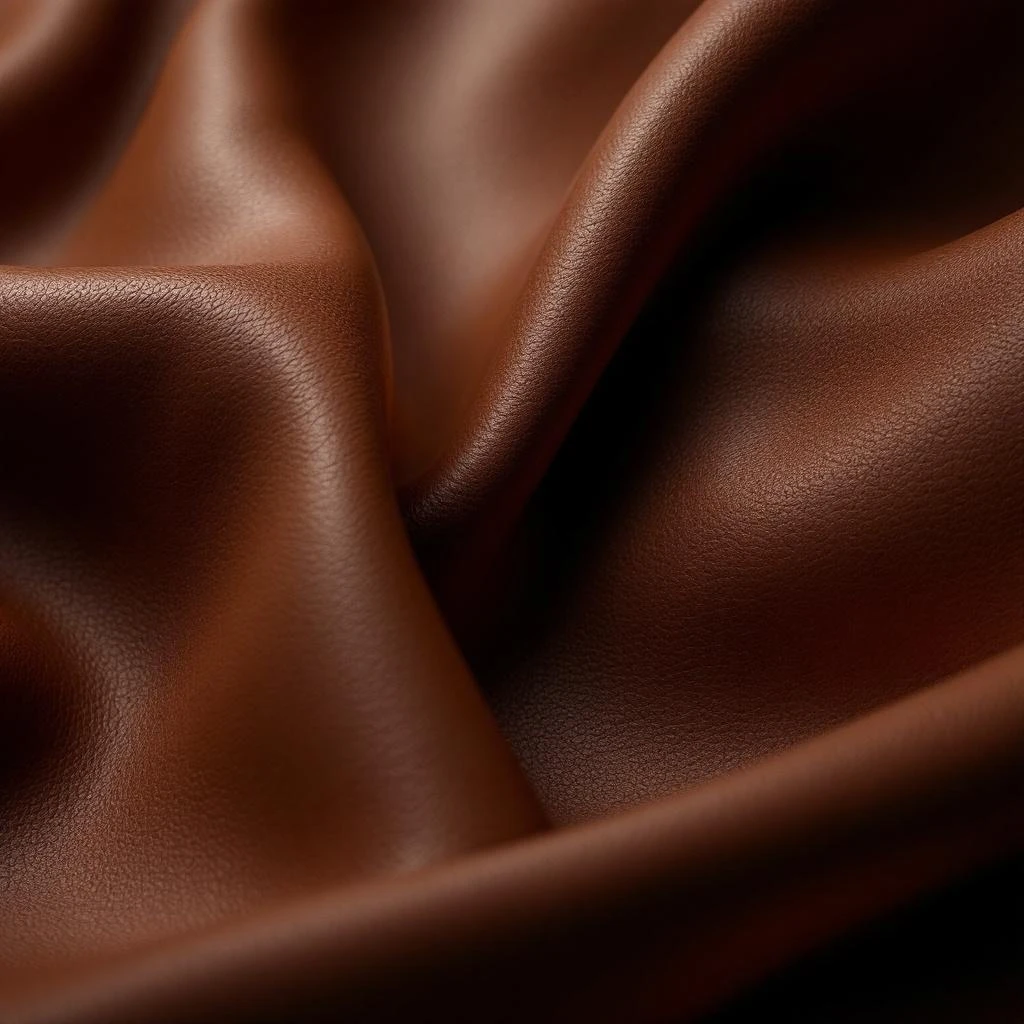
Cuban Cigar absolute anchors orientals, leathers, and tobacco chypres. It pairs naturally with oud, benzoin, and tonka bean. In men's fragrances, you'll find it alongside vetiver, whiskey accord, and birch tar. The ingredient works at percentages between 0.5 and 5% depending on desired intensity.
Why is Cuban tobacco considered superior?
Cuba's Vuelta Abajo region benefits from volcanic soil, consistent 75-80% humidity, and mineral-rich irrigation from the Sierra del Este mountains. These conditions stress tobacco plants just enough to concentrate aromatic compounds in their leaves. Combine this terroir with the Habañero curing method developed over four centuries, and Cuban tobacco achieves complexity unmatched elsewhere.
How does Cuban Cigar perform as a perfume base note?
Cuban Cigar absolute is an excellent fixative. Its molecular weight helps retain lighter top notes while providing a warm, persistent drydown lasting 6-8 hours on skin. The ingredient also lends sillage: fragrances with this material tend to project softly but continuously, creating an intimate scent bubble rather than an immediate burst.
Can I recreate a Cuban cigar fragrance profile without tobacco ingredients?
Partial substitutions exist. Coumarin captures tobacco sweetness. Guaiacol plus sotolon approximates cured leaf and dried fruit. Cistus labdanum adds resinous tobacco character. Mix these with vanillin and ethyl maltol for the sweet smoke dimension. No single synthetic replicates the full complexity, but a skilled blender can achieve 60-70% fidelity.
What is tobacco absolute's shelf life in perfume?
Natural tobacco absolute remains stable for 3-5 years when stored properly: amber glass, refrigerated at 4-8°C, sealed tight. Oxidation darkens the material and shifts its aroma toward harsh, medicinal qualities. If the scent turns bitter or loses its characteristic warmth, the material has degraded.
What distinguishes Cuban cigar absolute from Turkish or Virginia tobacco absolutes?
Cuban absolute emphasizes fermented, dark leaf character: raisiny sweetness, earthy smoke, and leather. Turkish absolute contributes floral, aromatic qualities and a lighter body. Virginia absolute, from American flue-cured tobacco, offers sweeter, more neutral profiles. Each originates from differentNicotiniana species and curing methods, producing distinct perfumery materials.