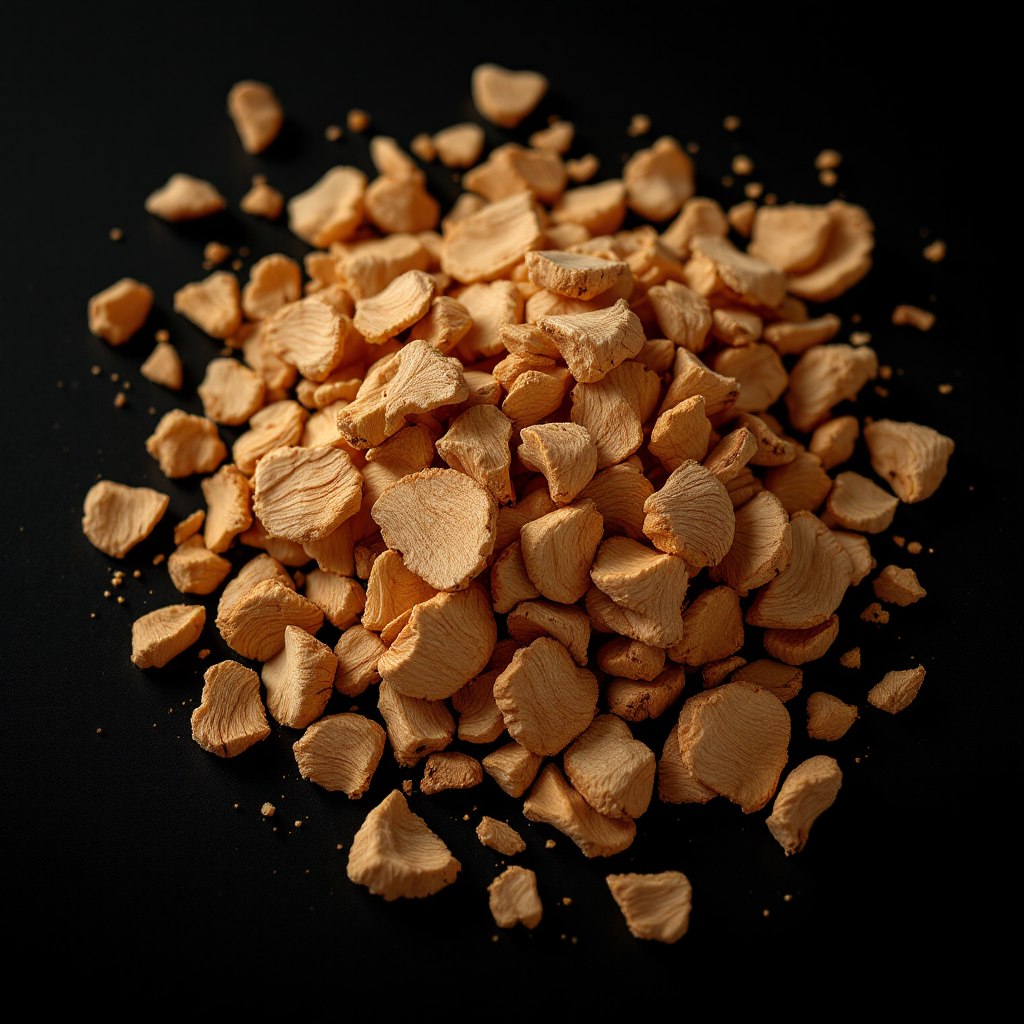
Conifer Needles
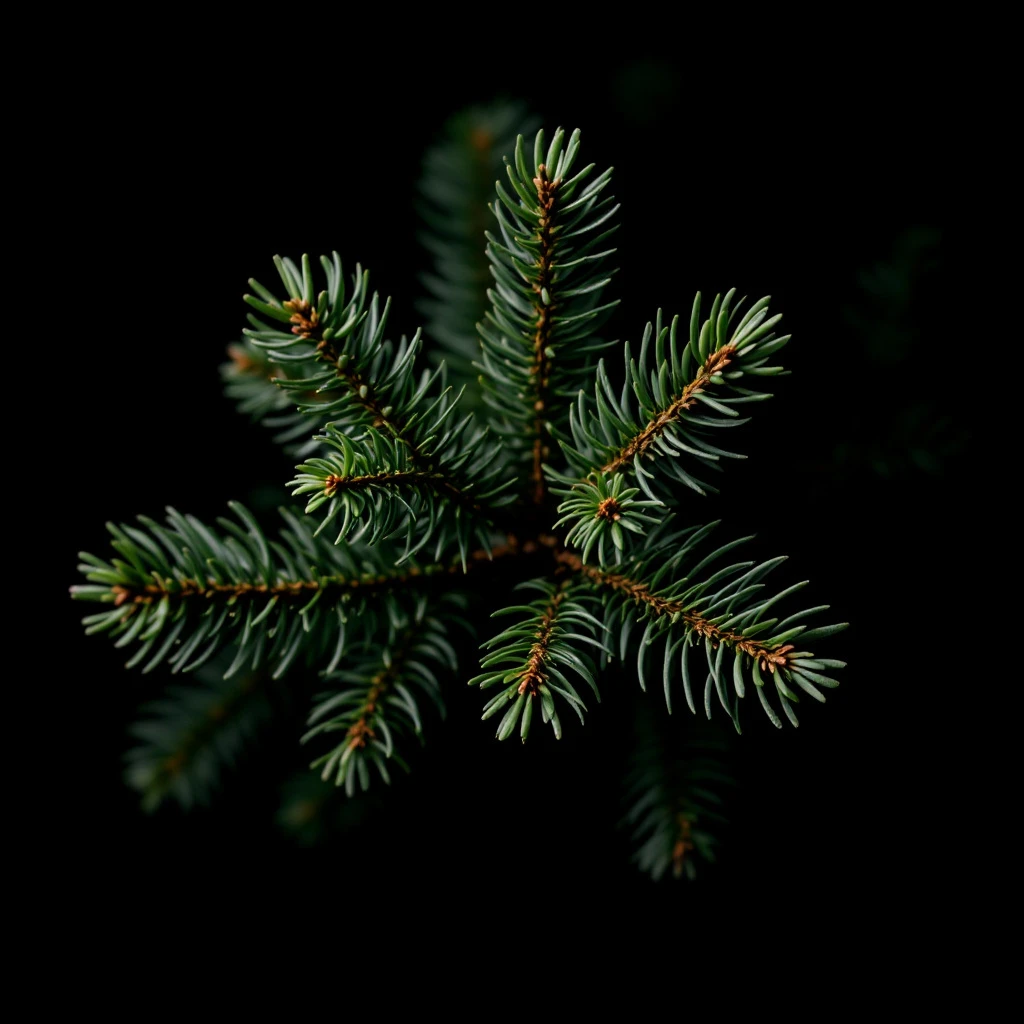
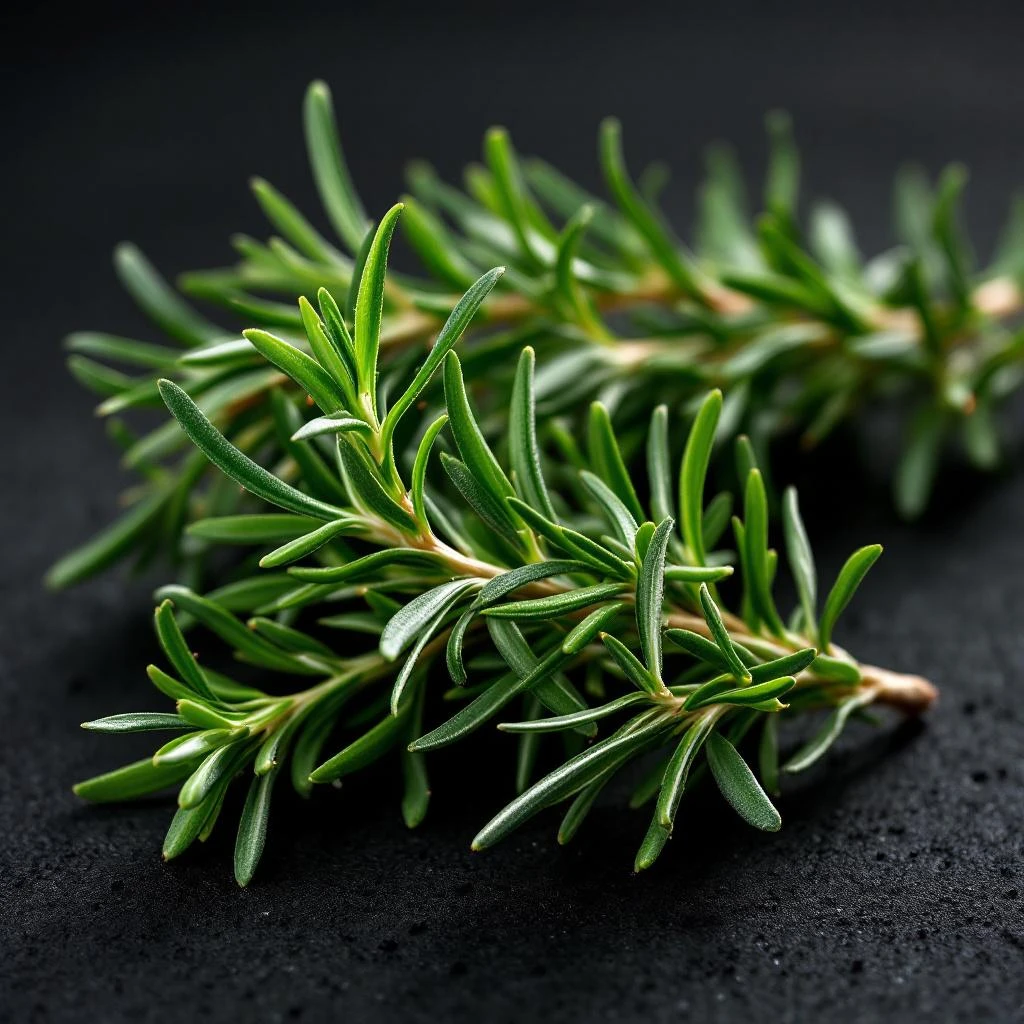
Conifer needles capture the crisp, resinous soul of evergreen forests. Steam-distilled from pine, fir, and spruce, these aromatic needles deliver a sharp, woody freshness that anchors winter and forest-inspired fragrances. Their penetrating green scent bridges the gap between citrus brightness and deep earthiness.
Character
How it smells
Forest air in a bottle: sharp, green, and unmistakably alive.
One metric ton of conifer needles yields only 3-5 kilograms of essential oil through steam distillation.



Origin
Russia
Ancient cultures across the Northern Hemisphere revered conifers as sacred. Norse mythology positioned the evergreen Yggdrasil at the center of existence. Indigenous peoples of North America burned pine needles during ceremonies for purification.
Medieval Europeans collected pine resin as a medicinal remedy. The industrial production of conifer needle oil emerged in 19th-century Europe when steam distillation technology became widely accessible. French and Scandinavian perfumers first adopted it systematically, recognizing its ability to inject freshness into heavy floral compositions.
By the early 20th century, conifer needle oil had become a staple in fougère and chypre families, lending structure and outdoor crispness that synthetic alternatives still struggle to replicate authentically.
Wears it best
Fragrances featuring Conifer Needles
Brands
Brands known for Conifer Needles
Good to know
Questions, answered
The essentials on Conifer Needles in perfumery: how it smells, where it comes from, and how it behaves on skin.
What does conifer needle oil smell like?
Conifer needle oil smells fresh, sharp, and resinous with strong woody and turpentine-like facets. It evokes the scent of a forest immediately after rainfall, combining green, balsamic, and slightly medicinal qualities that feel bracing and outdoorsy.
Is pine needle oil the same as fir needle oil?
They differ despite coming from the same botanical family. Pine needle oil (from Pinus species) tends toward turpentine and citrus notes, while fir needle oil (from Abies species) offers a softer, more ambrette-like quality. Both appear in forest-fragrance compositions, sometimes together.
How is conifer needle oil extracted?
Steam distillation extracts the oil from fresh or dried needles and twigs. Pressurized steam ruptures the aromatic glands in the needles, releasing volatile compounds that condense into essential oil. One ton of needles typically yields just 3-5 kilograms of oil.
Which fragrance families use conifer needle oil?
Fougère, chypre, and woody fragrances most commonly feature conifer needle oil. It also appears in men's aromatic and oceanic compositions. The note works particularly well alongside lavender, oakmoss, and citrus materials.
Are there seasonal considerations for using this ingredient?
Conifer needle oil peaks in popularity during autumn and winter launches because its fresh, evergreen character aligns with seasonal mood. However, perfumers use it year-round to add crispness and structure to lighter spring-summer formulations.
What safety considerations apply to conifer needle oil?
Conifer needle oils contain monoterpenes that can cause skin sensitization in susceptible individuals. IFRA guidelines restrict usage concentrations in leave-on products. Dilution in a carrier base is essential, and professionals should consult current IFRA guidelines before formulation.
How long does conifer needle oil stay fresh?
Stored properly in dark glass bottles away from heat and light, conifer needle oil remains stable for 2-3 years. Exposure to air accelerates oxidation, degrading the aromatic quality and potentially increasing skin sensitization risk.
What is the historical role of conifers in perfumery?
Ancient cultures burned pine resins for ceremonial purposes long before recorded perfumery. Steam-distilled conifer needle oil became commercially available in 19th-century Europe and quickly became foundational in chypre and fougère families, where it remains a benchmark for authentic forest character.