Alpine Salt
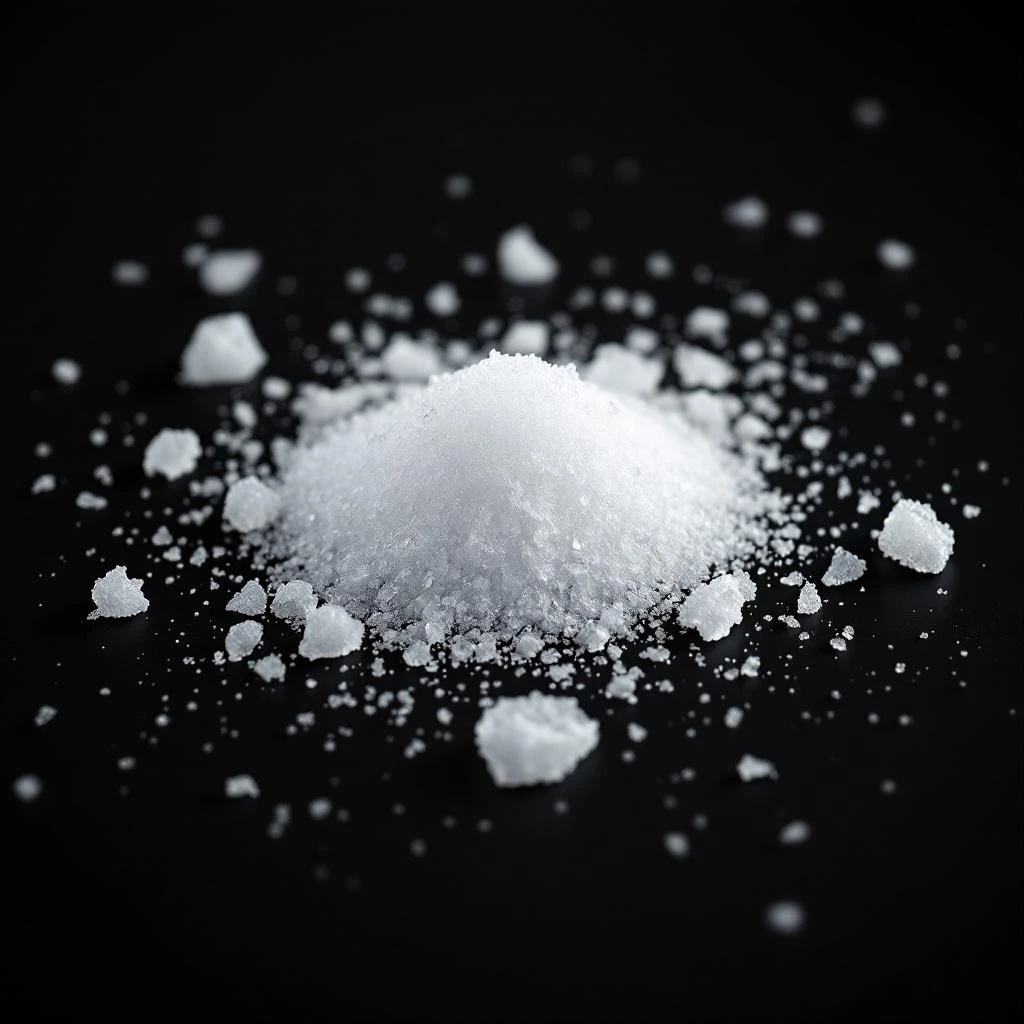
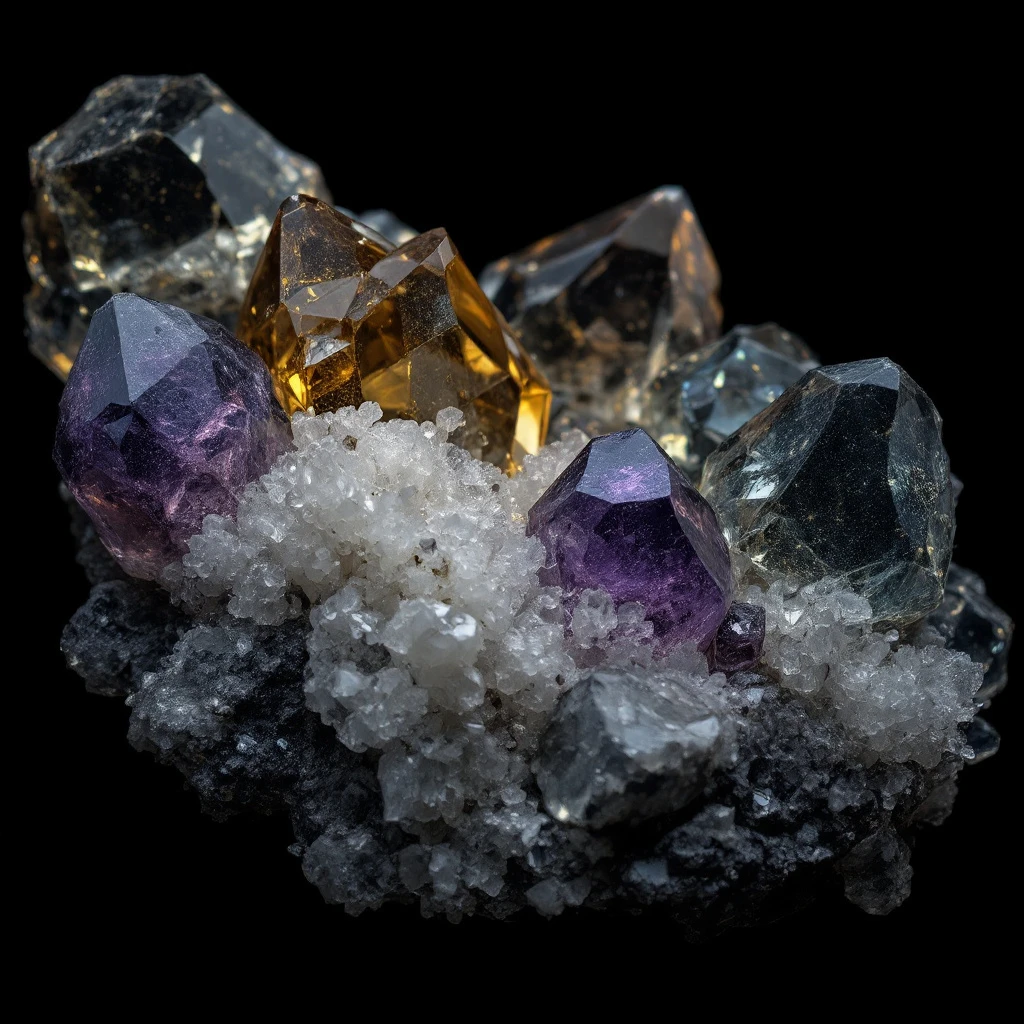
Mineral-rich crystals from ancient alpine deposits, Alpine Salt captures the crisp, clean essence of high-altitude air. It brings a sharp, ozonic quality to compositions that evokes snow-capped peaks and pristine mountain springs.
Character
How it smells
Crisp minerality from the mountains.
Unlike table salt, Alpine Salt in perfumery is not sodium chloride. Perfumers construct the scent through mineral aroma chemicals and natural extracts that mimic crisp alpine air.




Origin
Switzerland
While mineral fragrances have ancient roots in sea salt and ocean mists, the specific Alpine Salt note emerged from perfumery's 20th-century exploration of atmospheric and elemental scents. Before synthetic chemistry advanced, perfumers used actual sea salt and coastal botanicals to evoke oceanic freshness.
The alpine interpretation developed as chemists learned to deconstruct and reconstruct mineral experiences. Alpine regions became associated with purity and cleansing in European cultural tradition, influencing perfumers to seek ways to bottle mountain freshness.
The note gained prominence in modern fine fragrance during the clean, aquatic fragrance boom of the 1980s and 1990s, when demand for crisp, fresh scents drove innovation in mineral aroma development. Today Alpine Salt appears in modern compositions as a bridge between natural mineral deposits and synthetic precision, offering perfumers a tool to evoke high-altitude clarity and pristine mountain landscapes.
Wears it best
Fragrances featuring Alpine Salt
Brands
Brands known for Alpine Salt
Good to know
Questions, answered
The essentials on Alpine Salt in perfumery: how it smells, where it comes from, and how it behaves on skin.
What does Alpine Salt smell like in perfume?
Alpine Salt smells crisp, clean, and mineral-forward with subtle ozonic qualities. It evokes the sharp clarity of mountain air rather than literal salty味. The note adds freshness and a slightly metallic edge to fragrance compositions.
Is Alpine Salt a natural ingredient?
Alpine Salt is typically a constructed note combining synthetic aroma chemicals with natural mineral extracts. It does not come from alpine salt deposits alone. This approach ensures consistency and captures the precise sensory profile perfumers seek.
What fragrances feature Alpine Salt?
Alpine Salt appears in modern fresh and aquatic fragrances. It works particularly well in colognes, clean perfumes, and gender-neutral compositions where crisp minerality enhances the overall freshness without overpowering floral or woody elements.
How does Alpine Salt differ from sea salt in perfumery?
Sea salt carries oceanic, brine-like qualities with marine biological undertones. Alpine Salt delivers higher, sharper mineral clarity with ozonic and metallic characteristics. The alpine variant suggests elevation and pristine mountain air rather than ocean depths.
When was Alpine Salt first used in fine fragrance?
The constructed Alpine Salt note emerged during the clean fragrance movement of the late 20th century. Perfumers developed the specific mineral-fresh profile to meet demand for crisp, contemporary scents during the 1980s and 1990s.
Does Alpine Salt add actual saltiness to fragrance?
No, Alpine Salt does not contribute literal sodium chloride saltiness. It creates a perceptual mineral effect through aroma chemistry. The note enhances freshness and cleanliness without adding detectable salt flavor or odor.
What fragrance families pair well with Alpine Salt?
Alpine Salt complements aquatic, fougère, and citrus fragrance families. It also enhances green and aromatic compositions by adding crispness. Pairing it with cedar, vetiver, or white flowers creates balanced modern scents.
Where does the mineral component of Alpine Salt originate?
The natural mineral component often derives from alpine salt deposits in mountainous regions. Swiss and Austrian salt mines provide authentic mineral extracts. These natural materials combine with synthetic aroma chemicals to create the complete Alpine Salt note.