Congolese Vanilla
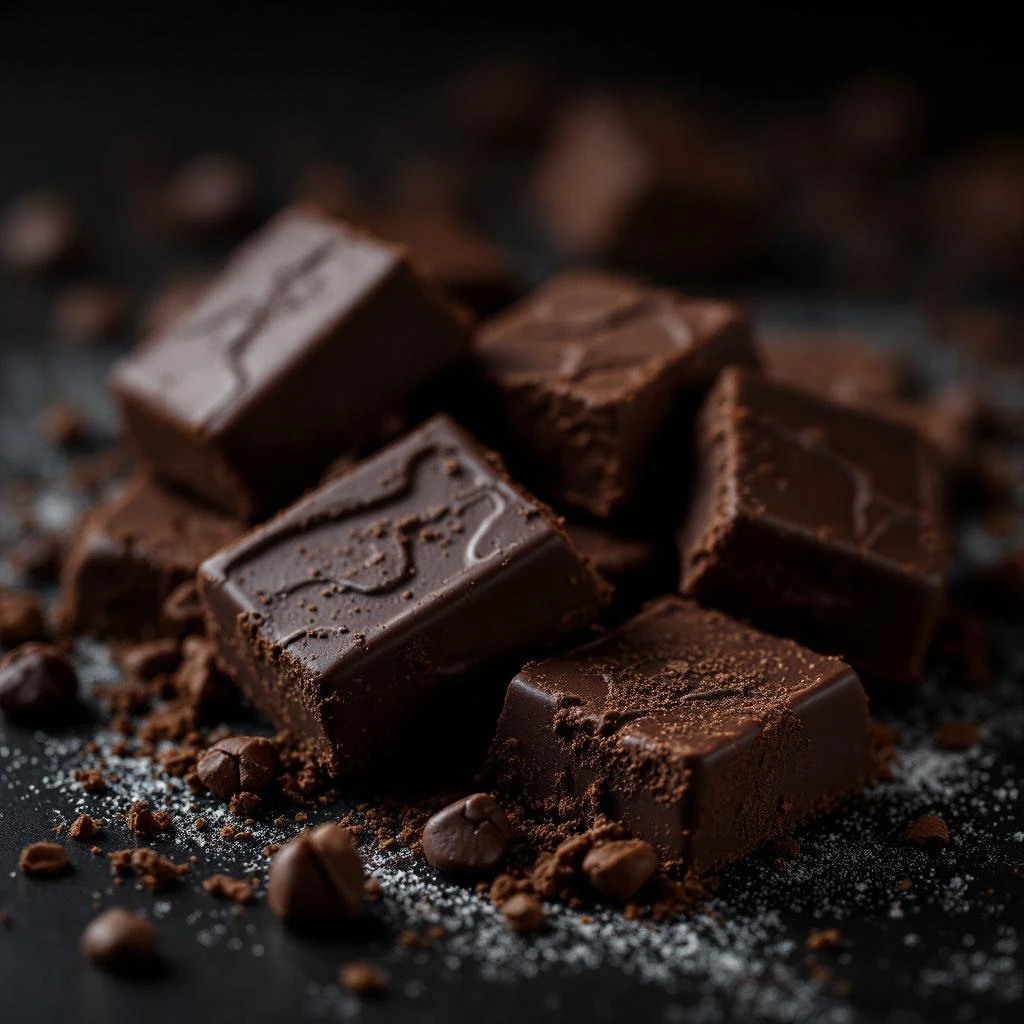
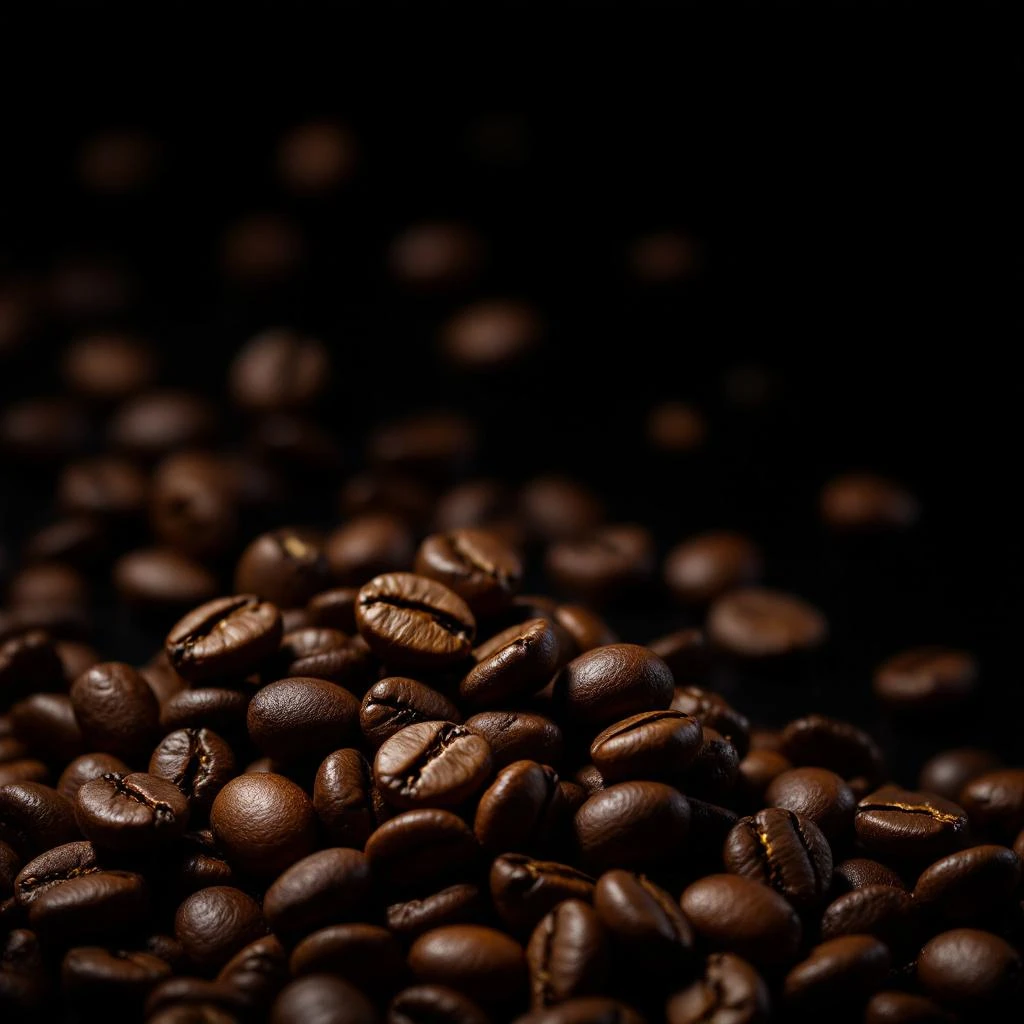
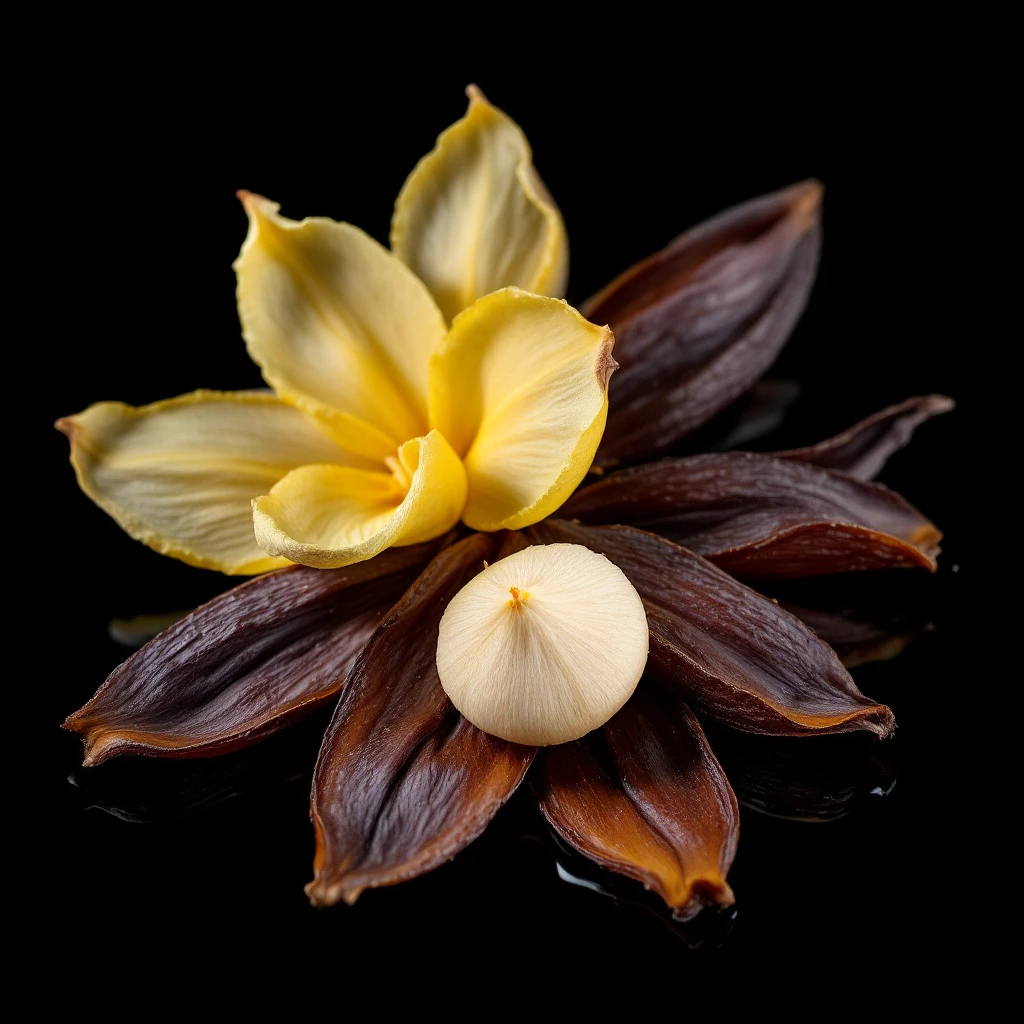
Congolese vanilla produces some of Africa's most distinctive beans, yielding a rich, dark character with earthy depth and warm, resinous undertones that set it apart from lighter Bourbon varieties.
Character
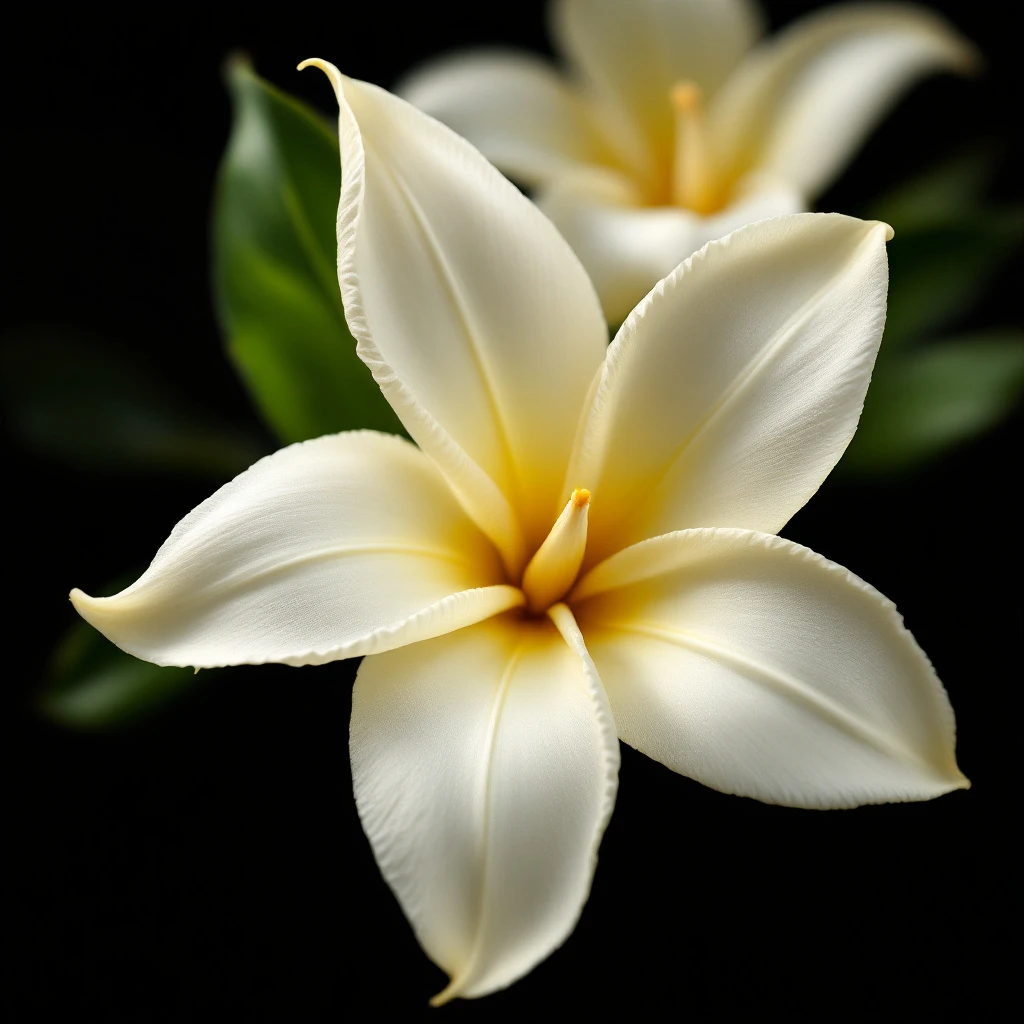
How it smells
Africa's bold answer to the world's favorite note.
Vanilla ranks as the second most expensive spice after saffron, requiring up to nine months of curing before the beans develop their signature aroma.



Origin
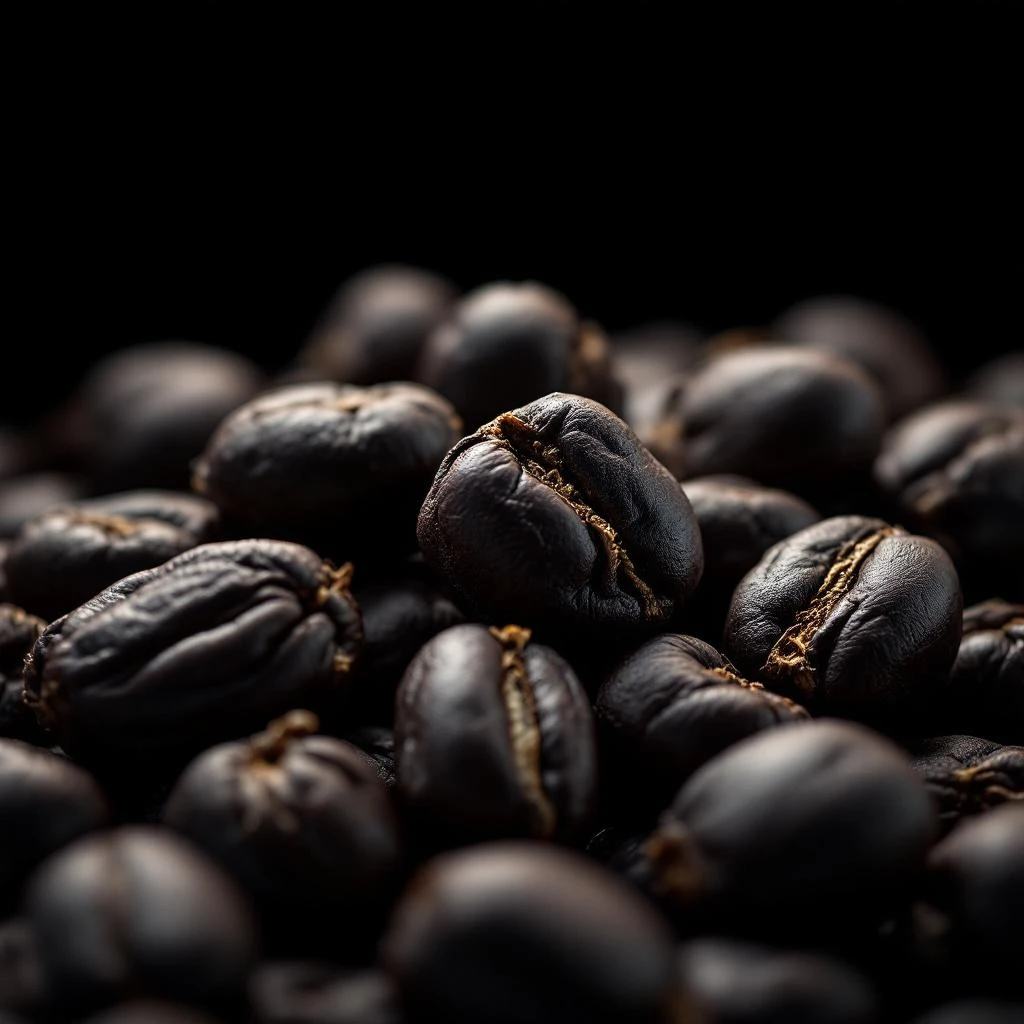
Democratic Republic of Congo
While vanilla originated as a Mexican orchid known only to indigenous peoples, European colonial expansion spread cultivation across tropical regions. The Congo Basin emerged as a significant producing region during the 20th century, its humid climate proving hospitable to the temperamental vanilla orchid.
Today, smallholder farmers across the region cultivate vanilla alongside other crops, contributing to a market dominated by Madagascar but offering beans with distinctive regional character. The ingredient represents both the labor-intensive reality of natural vanilla production and the globalization of an ingredient once reserved for Mesoamerican nobility.
Wears it best
Fragrances featuring Congolese Vanilla
Brands
Brands known for Congolese Vanilla
Good to know
Questions, answered
The essentials on Congolese Vanilla in perfumery: how it smells, where it comes from, and how it behaves on skin.
What makes Congolese vanilla different from other varieties?
Congolese vanilla develops a darker, more resinous character with earthy undertones. The specific terroir of the Congo Basin influences the bean's molecular profile differently than Madagascar's Bourbon vanilla, creating subtle variations in sweetness and depth.
Why does natural vanilla cost more than synthetic alternatives?
Producing natural vanilla requires hand-pollination of delicate orchid flowers, nine months of curing, and extensive labor. Synthetic vanillin replicates the primary aroma compound but lacks the complex botanical matrix of real vanilla.
How is vanilla extracted for perfumery?
Cured vanilla pods are macerated in alcohol solvent, drawing out the aromatic compounds including vanillin, coumarin, and hundreds of trace molecules that give natural vanilla its characteristic warmth and depth.
When did vanilla enter modern perfumery?
The 1889 launch of Guerlain's Jicky marked vanilla's debut in modern perfumery. This fragrance combined natural vanilla with newly synthesized vanillin, creating a new aromatic category.
Is Congolese vanilla sustainable?
Vanilla production in Congo supports rural livelihoods, though inconsistent agricultural infrastructure poses challenges. Sustainable practices vary by producer and cooperative.
What fragrance families pair well with Congolese vanilla?
Vanilla functions as a base note across oriental, gourmand, and ambery compositions. It blends naturally with amber, sandalwood, tonka bean, and warm spices like cardamom and saffron.
How does the vanilla market affect Congolese farmers?
Global vanilla price volatility directly impacts farming communities. When prices collapse, as they did in the early 2020s, producers face severe economic hardship despite the crop's labor-intensive nature.
What compounds give vanilla its scent?
Vanillin provides the primary sweet aroma, but natural vanilla contains over 250 identified compounds. These trace molecules create the dimensional quality that synthetic vanillin cannot fully replicate.