Sesame CO2
Sesame CO2 captures the warm, deeply toasted character of one of humanity's oldest cultivated seeds. This aromatic concentrate bridges the gap between the kitchen and the perfumer's palette, delivering an authentic nutty warmth that feels both familiar and surprisingly complex.

Character
How it smells
The ancient seed that smells like warmth itself.
Sesame ranks among the oldest oilseeds cultivated by humans, with archaeological evidence suggesting it was grown in the Indus Valley more than 5,000 years ago.


Origin
India
Sesame accompanied civilization along ancient trade routes, moving from its probable origin in the Indus Valley region into Mesopotamia, Egypt, and eventually across the Mediterranean. Mesopotamian texts from 4,000 years ago mention sesame oil, while Egyptian medical papyri reference its use in cosmetics and remedies. Ancient Persians applied sesame oil as a base for enfleurage, one of the earliest recorded perfume-making techniques, using it to capture fragrant compounds from flowers.
In classical Greece and Rome, sesame featured in food, medicine, and religious offerings. The Romans used sesame seeds in cakes during celebrations, a practice echoed in some cultures today. Throughout Asia, sesame became integral to cuisines from tahini to sesame oil, each preparation revealing different aromatic facets of the same seed.
The shift from culinary to perfumery applications developed gradually as extraction techniques improved. Supercritical CO2 extraction, developed primarily in the 1980s for food and pharmaceutical applications, eventually reached fine fragrance production. This method allowed perfumers to access the authentic toasted, nutty character of sesame without the interference of carrier oils or heat-induced changes that earlier techniques produced.
Wears it best
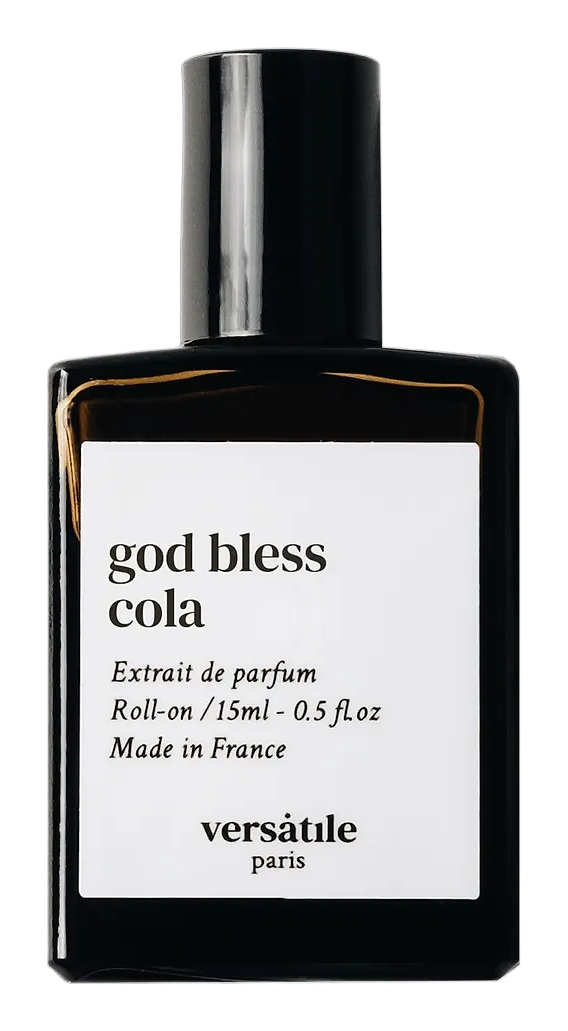
Fragrances featuring Sesame CO2
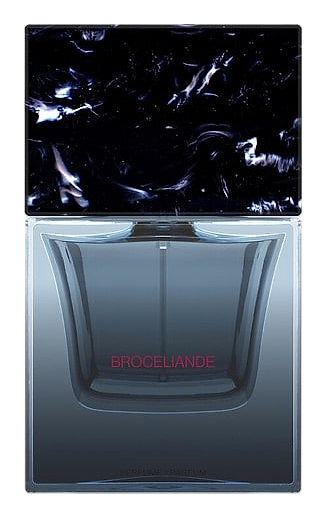
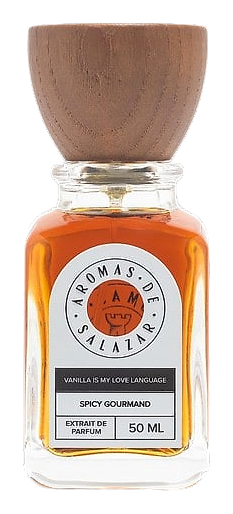
Brands
Brands known for Sesame CO2
Good to know
Questions, answered
The essentials on Sesame CO2 in perfumery: how it smells, where it comes from, and how it behaves on skin.
What does sesame CO2 smell like?
Sesame CO2 carries a warm, toasted, nutty aroma with buttery and slightly sweet undertones. It closely resembles the scent of tahini or roasted sesame seeds, offering an authentic warmth that blends seamlessly with gourmand fragrance compositions.
How does CO2 extraction differ from steam distillation?
CO2 extraction operates at lower temperatures than steam distillation, preserving delicate aroma compounds that heat would degrade. Supercritical CO2 acts as a tunable solvent, capturing a broader range of aromatic molecules including heavier constituents that steam may fail to extract.
Is sesame CO2 safe for skin use?
Sesame CO2 is considered safe in fragrance applications and complies with IFRA standards. However, it contains natural allergens such as sesamin and sesamolin, so formulators should check allergen declarations and usage guidelines before formulation.
Which fragrance families pair well with sesame CO2?
Sesame CO2 works exceptionally well in oriental, gourmand, and woody fragrance families. It pairs naturally with amber, vanilla, sandalwood, and tonka bean. It also adds depth to warm masculine compositions and earthy chypre structures.
What is supercritical carbon dioxide?
Supercritical CO2 is CO2 held above its critical pressure and temperature thresholds, where it exhibits properties of both a liquid and a gas. This state allows it to dissolve aromatic compounds from plant material efficiently, then return to a gas state with no residue when pressure is released.
How should sesame CO2 be stored?
Store sesame CO2 in a cool, dark environment in airtight containers. The concentrated paste can oxidize over time, so refrigeration extends shelf life. Properly stored extracts typically remain stable for 12 to 24 months.
Is CO2 extraction more sustainable than other methods?
CO2 extraction is considered environmentally preferable because it uses no toxic solvents and captures CO2 as a byproduct of other industrial processes. The closed-loop systems recycle carbon dioxide, reducing waste and eliminating solvent disposal concerns.
What concentration should I use in fragrance formulations?
Sesame CO2 is highly concentrated and typically used at low percentages, usually between 0.1% and 2% of the total fragrance concentrate. Start with lower dilutions when developing formulas, adjusting upward based on desired intensity and the other ingredients in your composition.