Common Rush
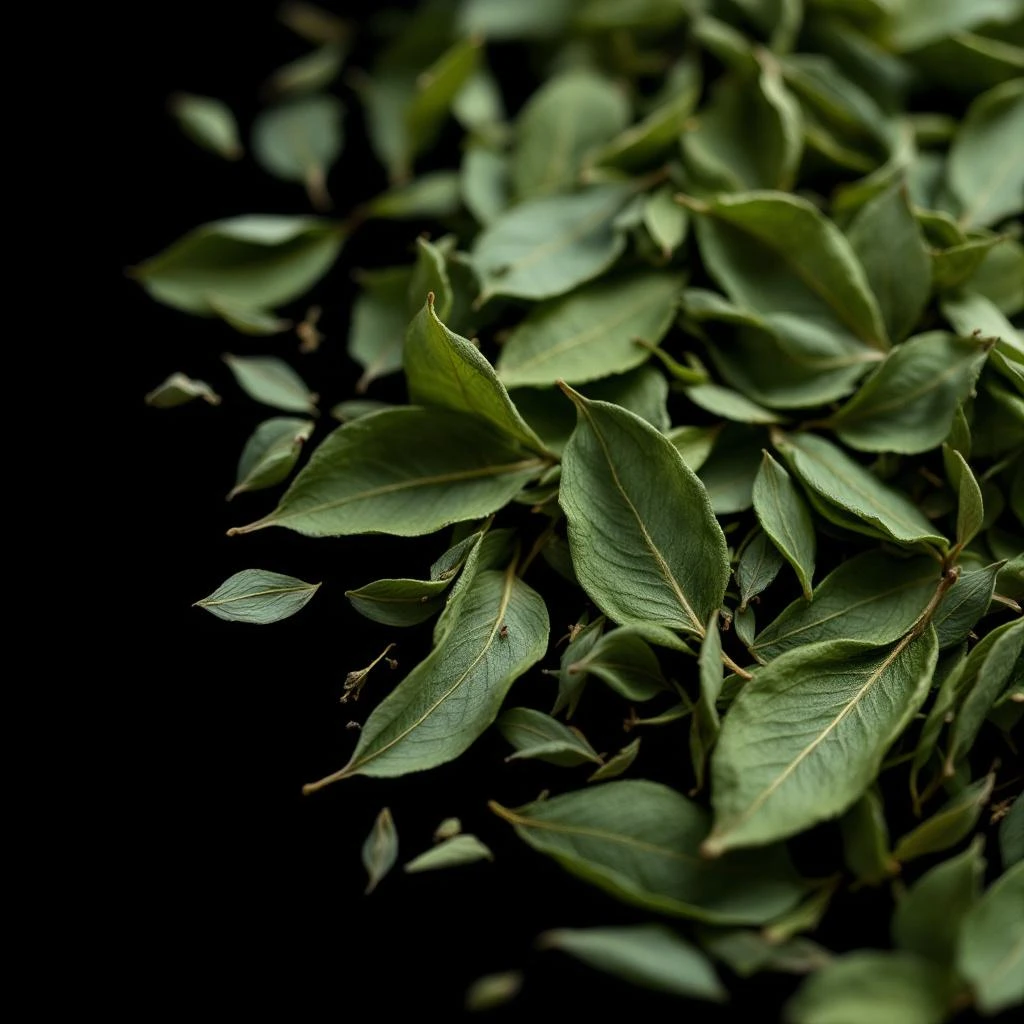
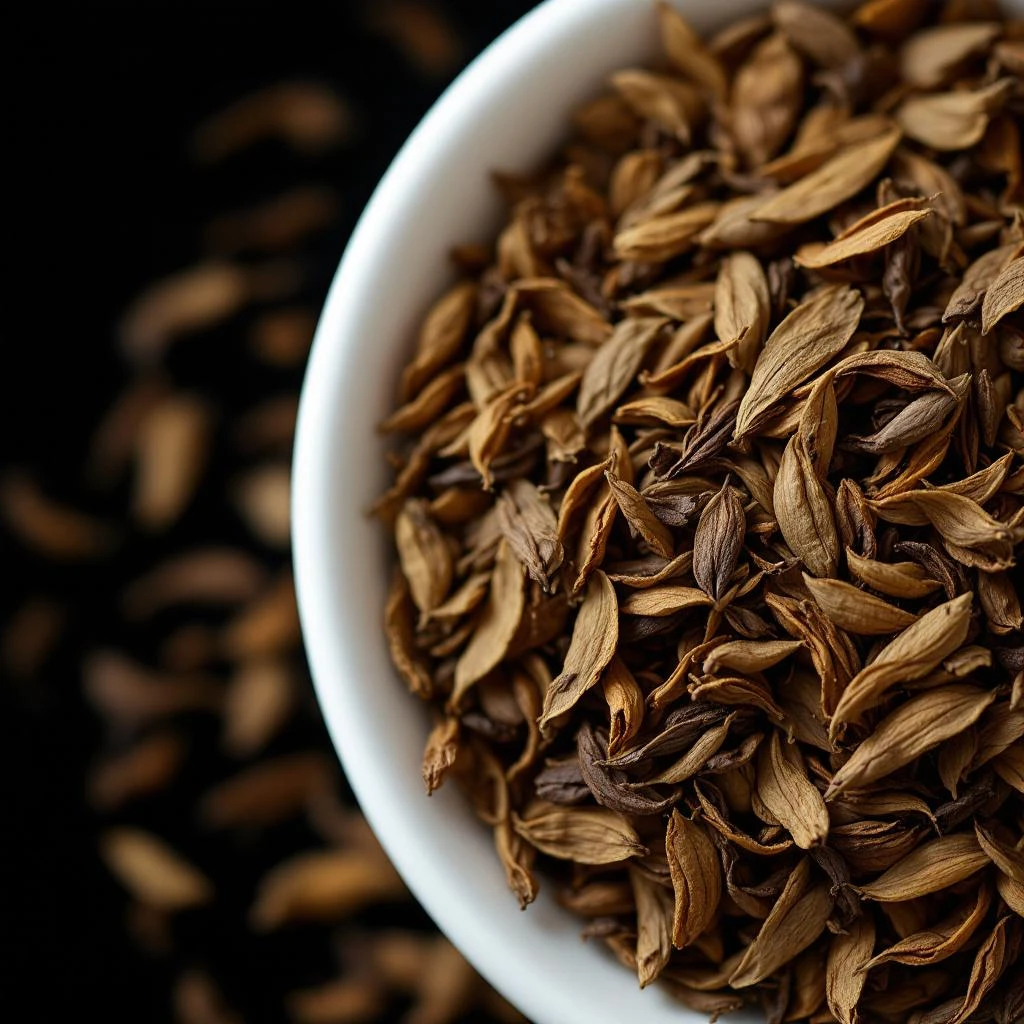
Common Rush (Juncus effusus) delivers fresh, green, and subtly woody facets to fragrance compositions. This wetland grass has quietly anchored perfumes for centuries as both a fixative and an aromatic element.
Character
How it smells
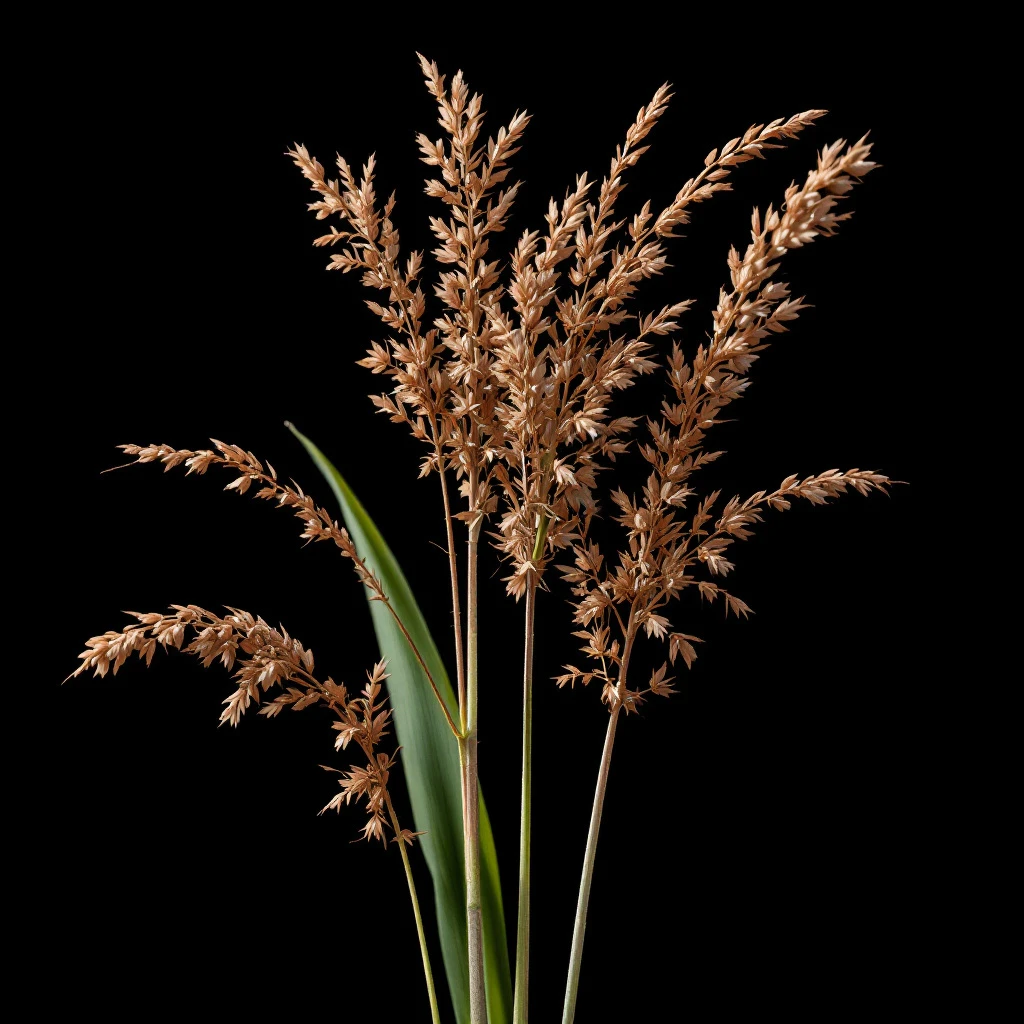
Wetland grass with a fresh, green whisper.
Ancient Romans woven rush into sandals, releasing a faint scent with each step.







Origin
Widespread across temperate regions
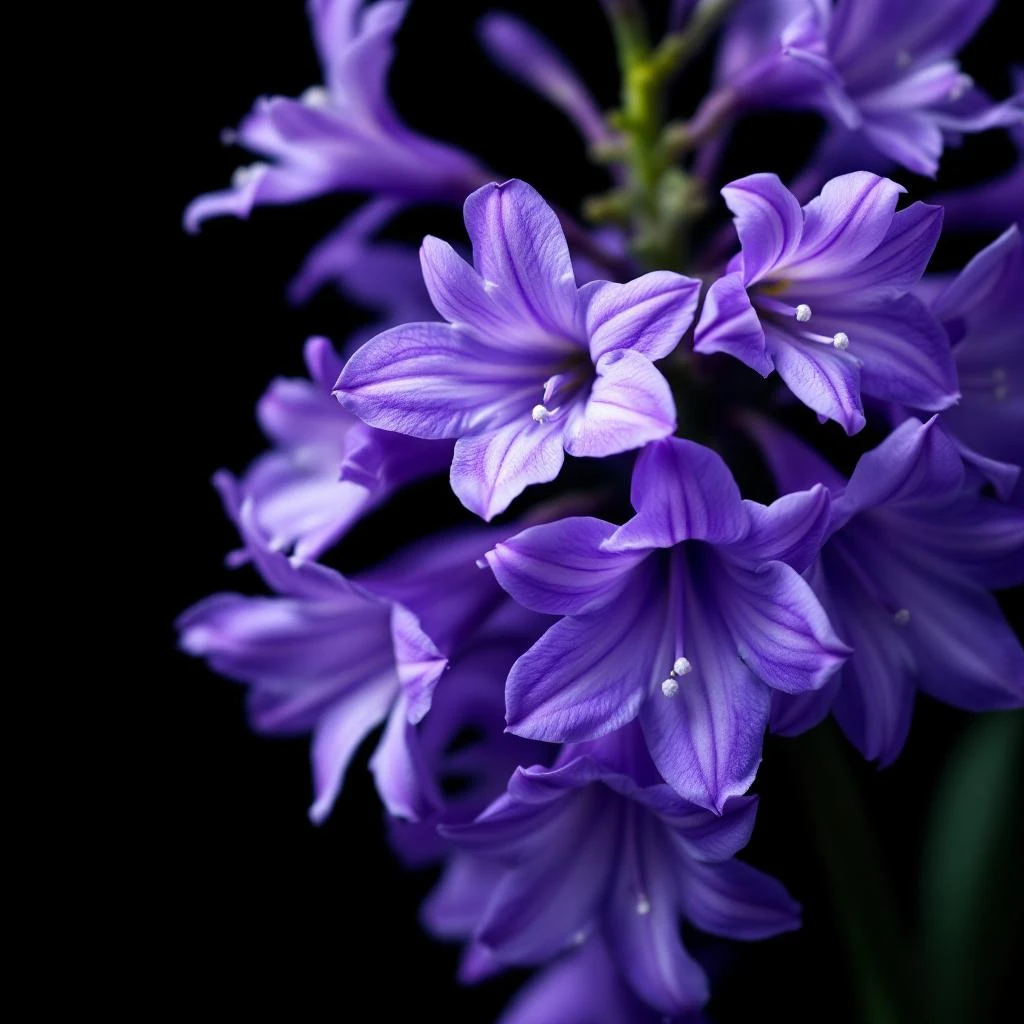
Common rush has grown along wetlands and riverbanks across temperate regions for millennia, but perfumers began recognizing its aromatic value during the medieval period. European herbalists documented rush's use in strewing herbs, scattering fresh cuttings across floors to freshen interior spaces with a subtle, clean scent. The plant held practical significance in rural communities throughout Britain, Ireland, and Scandinavia, where weavers transformed the flexible stems into baskets, mats, and seating cushions.
This widespread availability made rush an accessible material for early fragrance experiments. Modern fragrance houses began systematically studying and incorporating rush oil during the late twentieth century, drawn to its ability to introduce fresh, natural green notes without the typical sharpness associated with other botanical sources.
Wears it best
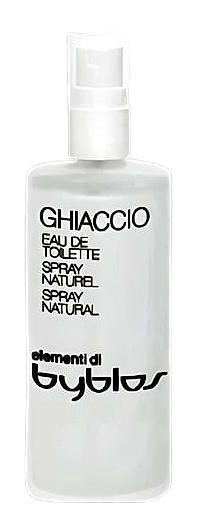
Fragrances featuring Common Rush
Brands
Brands known for Common Rush
Good to know
Questions, answered
The essentials on Common Rush in perfumery: how it smells, where it comes from, and how it behaves on skin.
What does common rush smell like?
Common rush has a fresh, green, and subtly woody aroma reminiscent of freshly cut grass mixed with damp earth. It brings clean, natural top notes to fragrances without the sharpness found in some green ingredients.
Is common rush a natural fragrance ingredient?
Yes, common rush is a natural ingredient. Perfumers extract the oil through steam distillation of the whole plant. The ingredient has been used in traditional contexts for centuries before entering modern perfumery.
Where does common rush grow?
Common rush grows wild across temperate regions worldwide, including Europe, North America, and parts of Asia. It thrives in wetlands, riverbanks, and marshy areas, making it widely available for sustainable harvesting.
How is common rush oil extracted?
Steam distillation extracts the oil from harvested rush plants. Distillers process the entire plant including stems, leaves, and roots, typically during late summer when aromatic compound concentration peaks.
What fragrance families use common rush?
Fresh and green fragrances most commonly incorporate rush. Chypres, fougeres, and aromatic compositions benefit from its clean, natural green quality. It works particularly well in masculine and unisex fragrances.
Is common rush used as a fixative in perfume?
Yes, rush oil acts as both a fixative and an aromatic material. Its chemical composition helps stabilize more volatile top notes while contributing its own subtle green character to the fragrance pyramid.
How much rush oil is used in fragrance formulas?
Rush oil typically appears in small quantities, ranging from 0.1 to 2 percent of a fragrance concentrate. Professional perfumers treat it as a supporting note rather than a dominant element due to its concentrated nature.
Can synthetic rush aroma compounds be created?
Synthetic rush substitutes exist but lack the full complexity of the natural oil. Biotech production methods can replicate certain aromatic compounds, though natural rush oil remains preferred for high-end fragrance compositions.