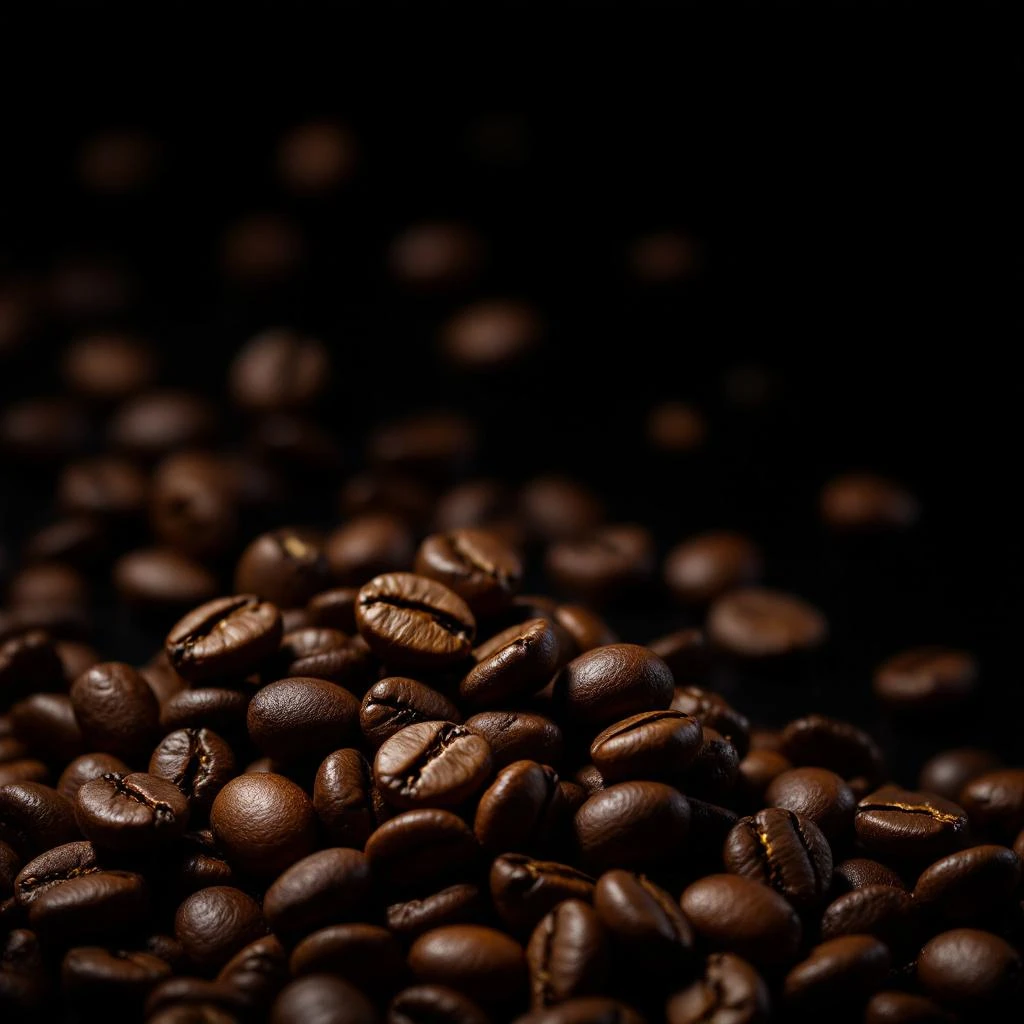
Coffee Tree
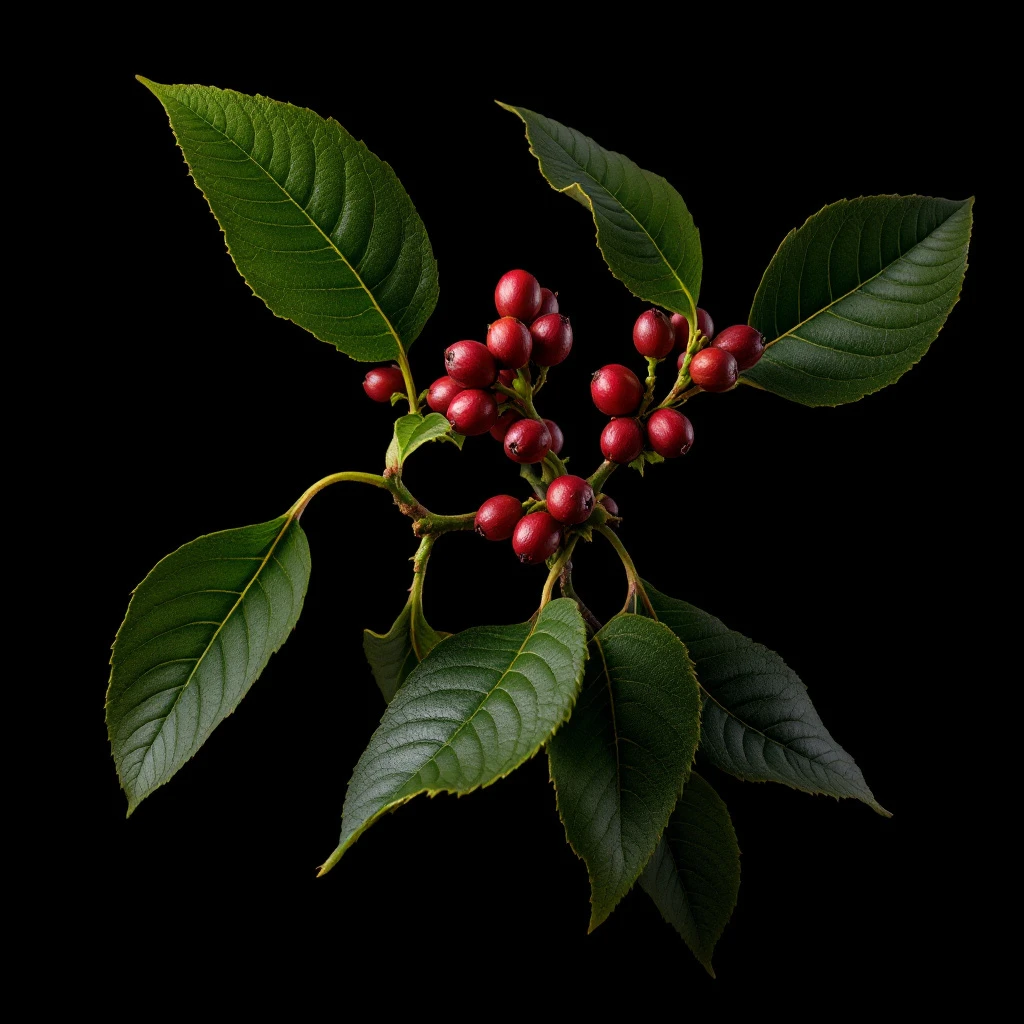
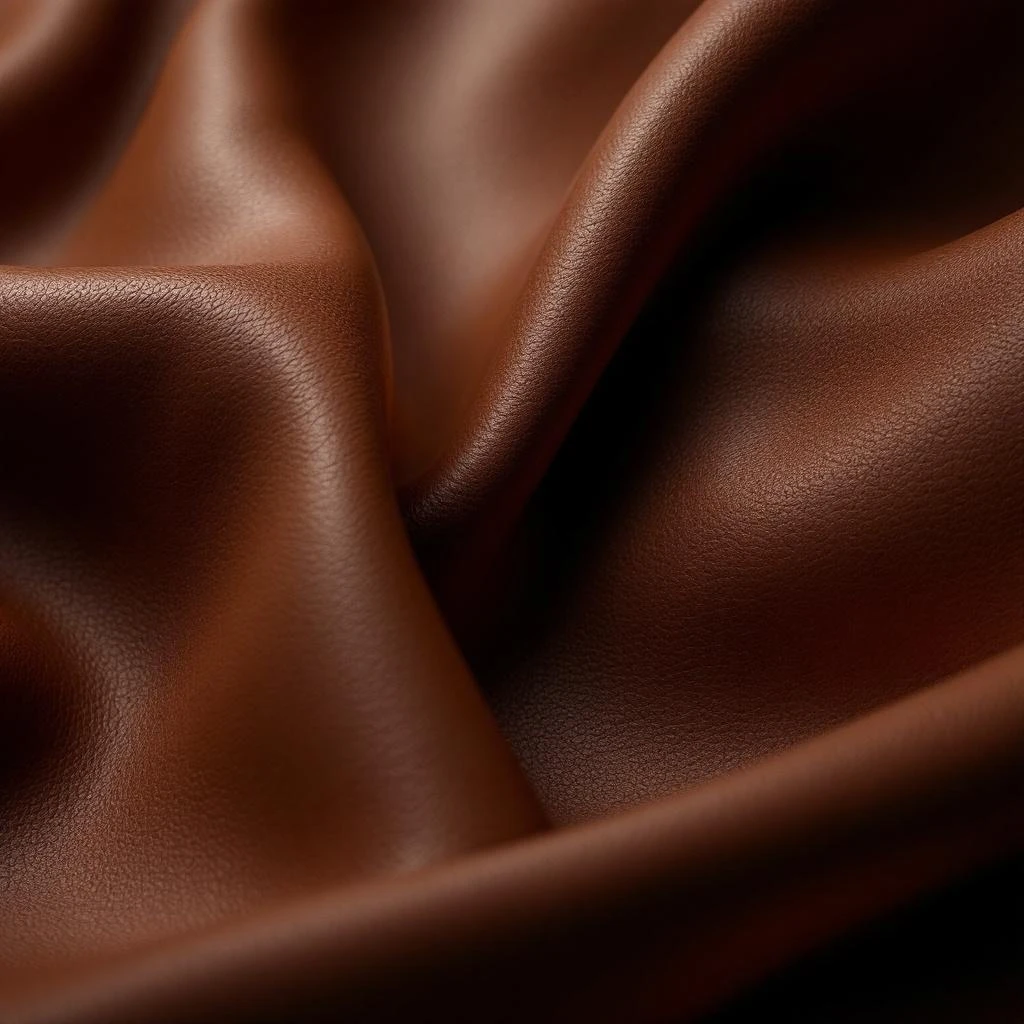
Coffee tree in perfumery is the plant itself—bark, leaves, green wood—offering a green, bitter, and woody character distinct from the familiar roasted coffee note found in fragrances.
Character
How it smells
The living plant, not the roasted bean.
In perfumery, coffee tree means bark, leaves, and green wood—never the roasted beans most people associate with coffee.


Origin
Ethiopia
Coffee cultivation began in Yemen during the time of Suleiman, where Sufi monks first recognized the plant's stimulating properties. The story goes that a goat shepherd noticed his flock became energetic after eating coffee berries, prompting him to sample them himself. By the 16th century, coffee had spread across the Middle East, transforming trade routes between East and West and establishing the foundation for the global coffee trade we recognize today.
Ethiopia remains the birthplace of Coffea arabica, where wild varieties still grow in highland forests. While roasted coffee became a culinary staple, perfumers discovered the aromatic potential of the living plant itself—its bark, leaves, and wood offering an entirely different olfactory experience rooted in the fresh, green essence of the coffee tree rather than the familiar roasted aroma.
Wears it best
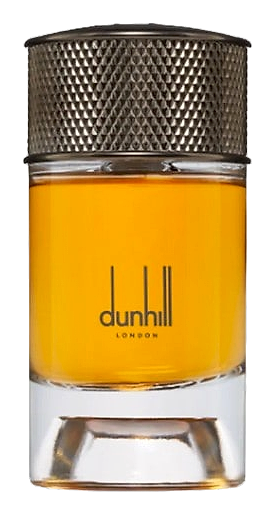
Fragrances featuring Coffee Tree
Brands
Brands known for Coffee Tree
Good to know
Questions, answered
The essentials on Coffee Tree in perfumery: how it smells, where it comes from, and how it behaves on skin.
What does coffee tree mean in perfumery?
Coffee tree refers to the botanical plant itself—its bark, leaves, and green wood—not roasted coffee beans. This distinction matters because coffee tree materials deliver a fresh, green, and woody character rather than the familiar dark, roasted aroma most people associate with coffee.
Why is coffee tree used in fragrance?
Coffee tree provides a green, bitter, and woody aromatic profile that adds depth to fragrance compositions. Its unique character complements warm base notes in oriental and chypre fragrances, offering an unexpected freshness that roasted coffee notes cannot achieve.
Where did coffee originate?
Coffee originated in Ethiopia, where Coffea arabica grew wild in highland forests. Yemen became the first region to cultivate coffee systematically around the 15th century, establishing trade networks that spread the plant across the Middle East and eventually worldwide.
How is coffee tree extracted for perfumery?
Solvent extraction is the standard method, producing a concrete that yields an absolute upon alcohol processing. CO2 extraction has also emerged as an alternative, delivering cleaner extracts with more accurate representation of the plant's aromatic profile.
Is coffee tree the same as coffee absolute?
No. Coffee absolute comes from roasted beans and carries a dark, gourmand character. Coffee tree materials derive from the plant's bark, leaves, and wood, offering a fresh, green, and woody character that differs fundamentally from roasted coffee.
What fragrances feature coffee tree?
Coffee tree appears in niche and artisan fragrances seeking botanical accuracy over the more common roasted coffee note. Look for it in compositions that emphasize green, woody, or aromatic complexity.
What part of the coffee plant does perfumery use?
Perfumery uses the coffee plant's bark, leaves, and green wood. This contrasts with culinary coffee, which relies entirely on the roasted seeds (beans) inside the coffee cherry.
Where does quality coffee tree material come from?
Quality material comes from tropical regions with altitudes between 1,000 and 2,000 meters. Ethiopia remains the origin point for Coffea arabica varieties, though robusta cultivation occurs across equatorial zones, each producing subtly different aromatic characteristics.