Coconut Pulp
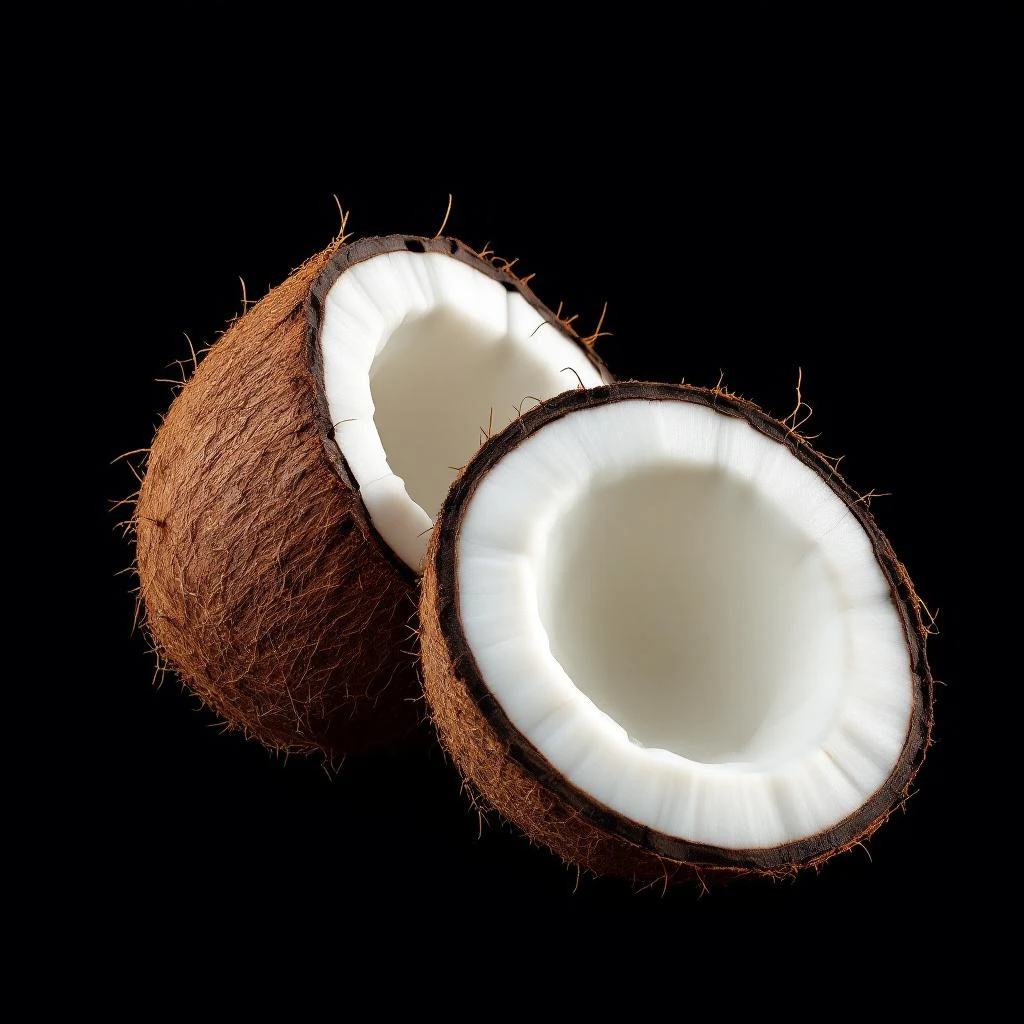
The dense, creamy white flesh pressed against the hard shell. Coconut pulp brings tropical warmth to fragrances, offering a rich, buttery sweetness that evokes sun-drenched coastlines and lazy afternoons.
Character
How it smells
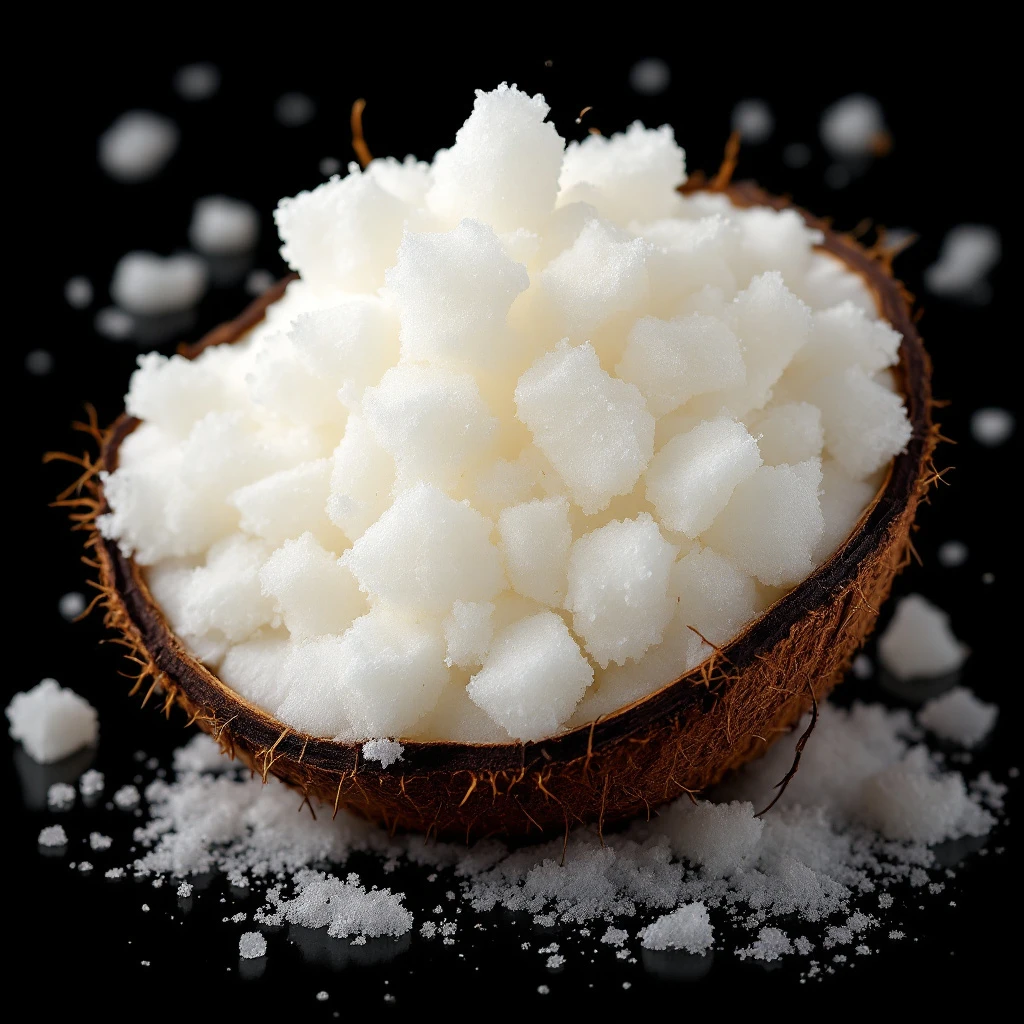
Tropical cream distilled into scent
Gamma-decalactone, the primary molecule giving coconut its sweet creaminess, was identified and isolated for perfumery in the early 20th century.


Origin
Indonesia
Coconut has graced human civilization for millennia, with origins traced to the tropical regions spanning South Africa, South America, and the Ganges delta. Ancient Polynesian and maritime traders carried coconuts across the Pacific and Indian Oceans, valuing the fruit for its versatility as food, water, and building material. The coconut palm sustained entire voyages and island settlements long before its aromatic potential reached European perfumers.
The transformation came with François Coty, who popularized volatile solvent extraction in late 19th-century French perfumery. This innovation made it possible to produce consistent, concentrated absolutes from materials previously difficult to capture in fragrance. Before solvent extraction, coconut and similar tropical ingredients remained outside the fine fragrance palette.
Once extraction methods improved, coconut molecules entered perfumery and began reshaping the industry, opening doors to warm, exotic scent compositions that departed from traditional European botanicals.
Wears it best
Fragrances featuring Coconut Pulp
Brands
Brands known for Coconut Pulp
Good to know
Questions, answered
The essentials on Coconut Pulp in perfumery: how it smells, where it comes from, and how it behaves on skin.
What molecule gives coconut its characteristic scent in perfumery?
Gamma-decalactone provides coconut's sweet, creamy aroma. Delta-decalactone adds buttery depth. Together these lactones create coconut's signature tropical warmth in fine fragrances.
How do perfumers extract coconut absolute?
Solvent extraction from dried coconut flesh (copra) produces coconut absolute. Hexane or ethanol dissolves aromatic compounds, creating a concrete that is then processed with alcohol to yield the final absolute.
Is coconut cultivated specifically for fragrance use?
Coconut serves primarily as a food crop. Farmers harvest coconuts for culinary oil, coconut water, and dried copra. Only surplus or byproduct copra enters fragrance production.
Where do the best coconut absolutes originate?
Indonesia leads global coconut production. The Philippines, India, and Sri Lanka also produce high-quality material. Tropical humidity and consistent rainfall produce coconuts with superior aromatic profiles.
What ingredients pair well with coconut in fragrance compositions?
Vanilla, jasmine, sandalwood, and marine notes complement coconut. Ylang-ylang adds floral tropical depth while white musks enhance the creamy, comforting character.
Does coconut work as a year-round fragrance ingredient?
Coconut appears most in summer and spring releases. Its warm, tropical character suits warm-weather compositions but perfumers deploy it strategically across seasons for tropical or beach-inspired themes.
Is coconut typically a top, heart, or base note?
Coconut functions primarily as a base note. It provides tropical warmth and creamy depth while helping retain lighter top notes. Coconut molecules have good longevity in fragrance compositions.
Why do perfumers prefer natural coconut absolute over synthetic alternatives?
Natural coconut absolute contains a complex mixture beyond primary lactones, including fatty acids and aldehydes that add depth. Many perfumers combine natural absolute with synthetic lactones for consistency and richness.