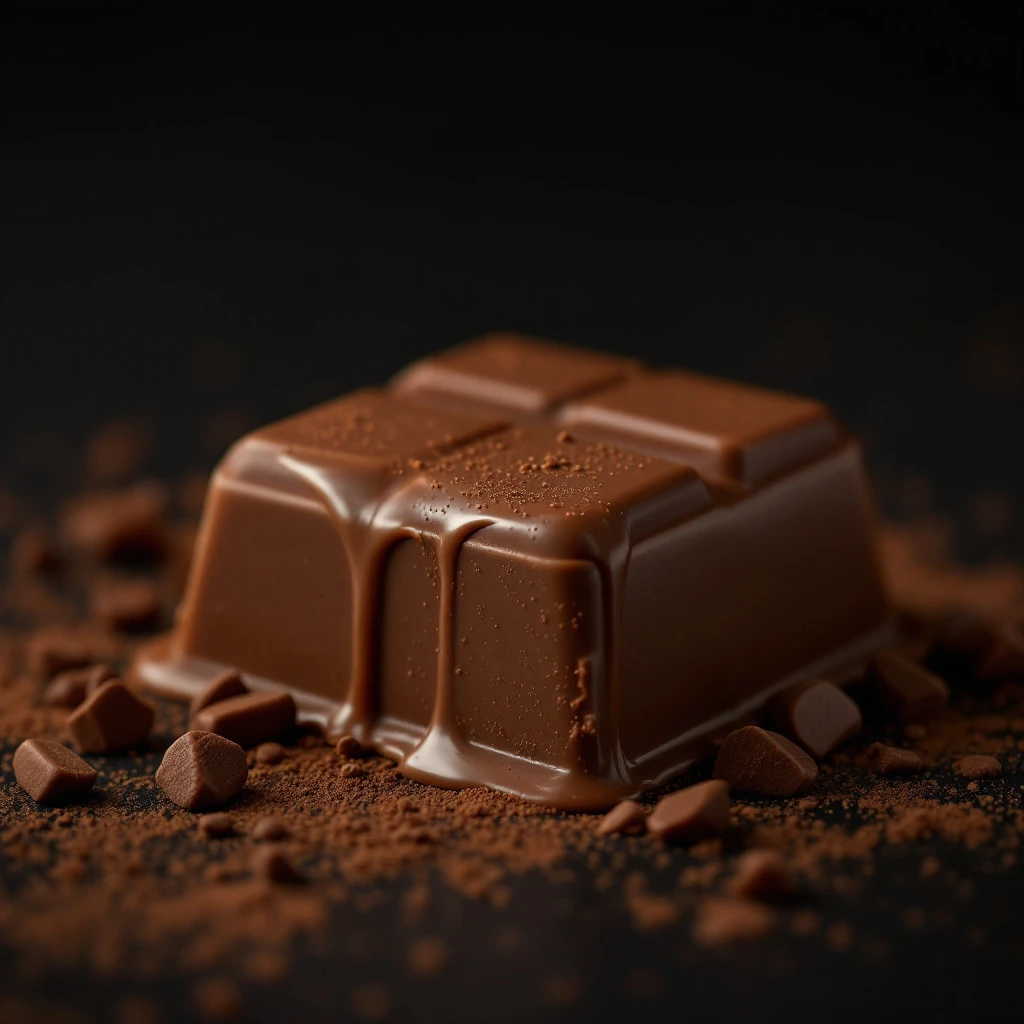
Milk Chocolate
Rich, creamy, and irresistibly warm, milk chocolate brings a comforting sweetness to fragrances that few ingredients can match. Explore the science, history, and artistry behind this beloved note.
Character
How it smells
Cocoa, cream, and a whisper of comfort.
The cocoa bean contains over 300 distinct aromatic compounds, more than most single natural ingredients in perfumery.




Origin
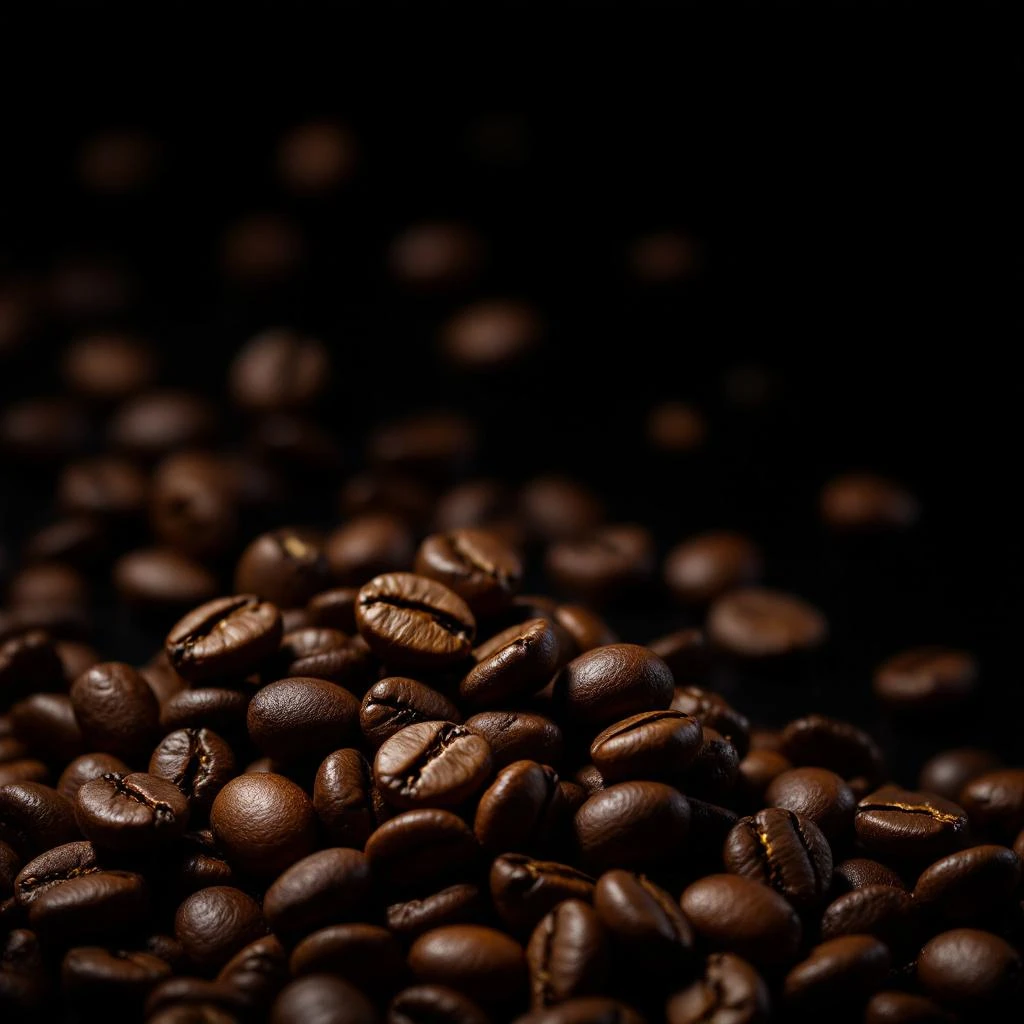
Mexico
Chocolate's transition from Mesoamerican ritual drink to global confection spans thousands of years. The Aztecs prized cacao so highly they used cacao beans as currency, and the drink they crafted from ground beans, water, and spices bore little resemblance to modern chocolate.
Spanish conquistadors introduced cacao to Europe in the 1500s, where sugar and milk eventually transformed it into the sweet treat we recognize today. By the late 19th century, Swiss chocolatiers developed solid milk chocolate, creating the creamy profile that perfumers would later embrace.
The fragrance industry adopted chocolate notes sparingly at first, with coumarin and vanillin enabling early interpretations. Modern perfumery gained true milk chocolate realism through advances in aroma chemistry during the 20th century, allowing perfumers to pair natural cocoa extracts with synthetic dairy accord molecules for authentic, lasting sweetness.
Wears it best
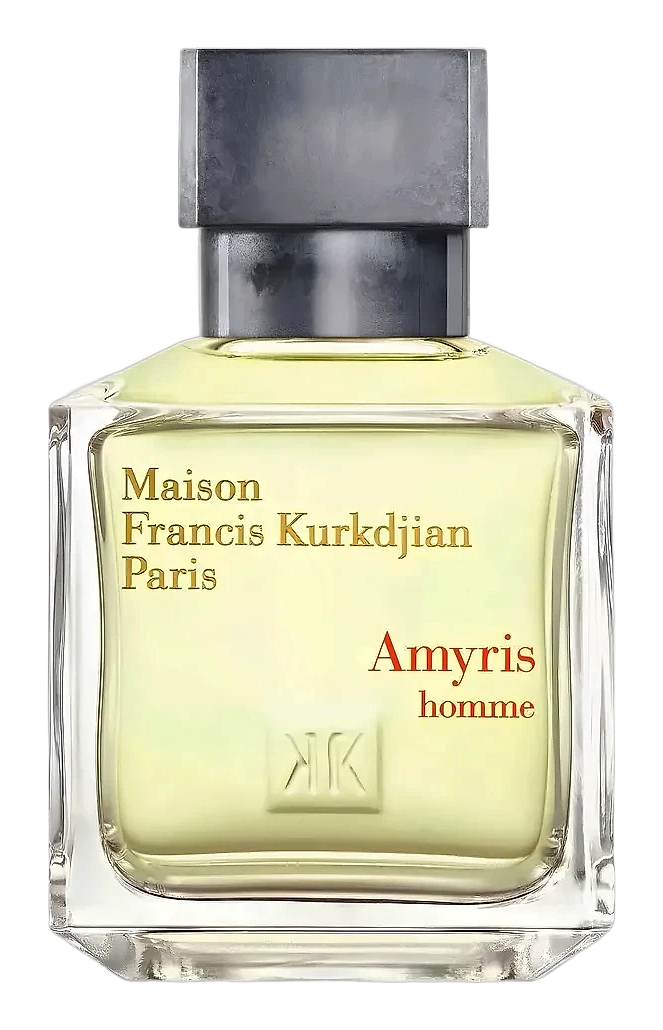
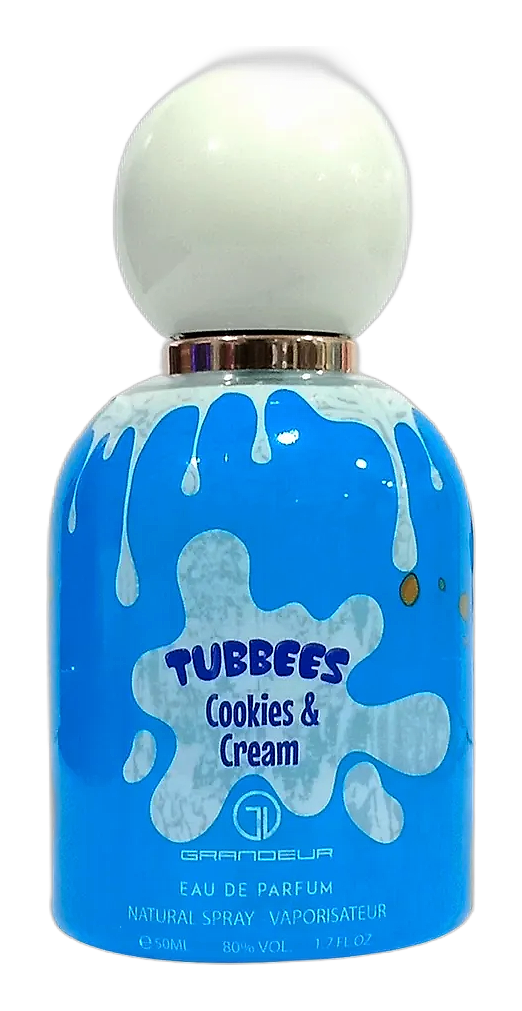
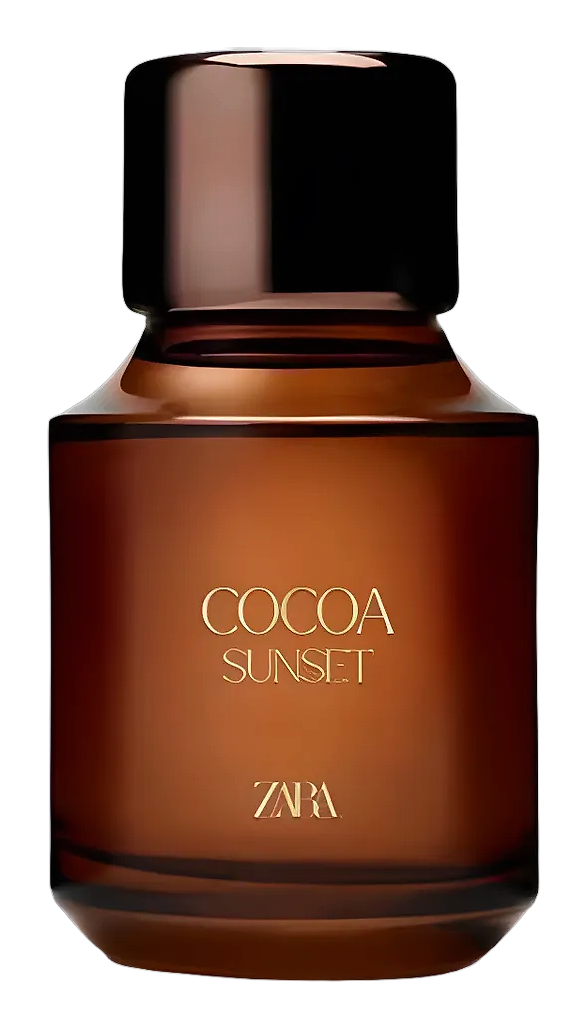
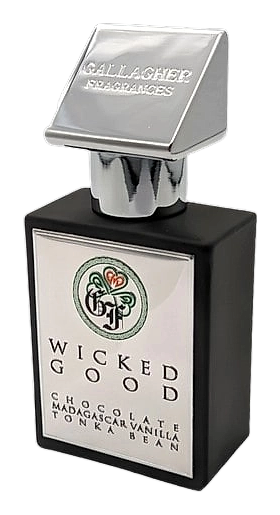
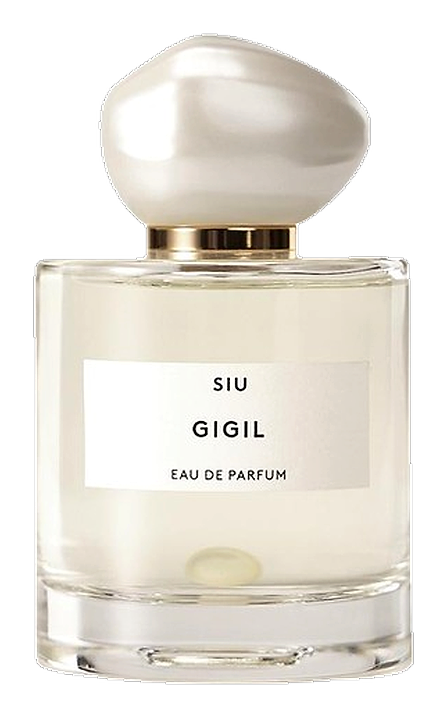
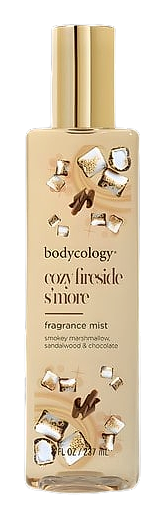
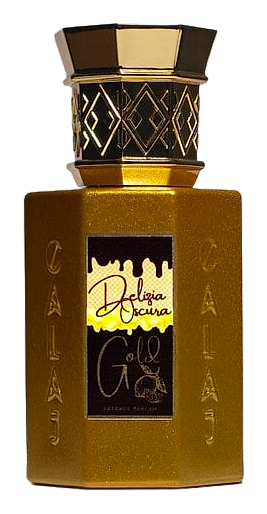
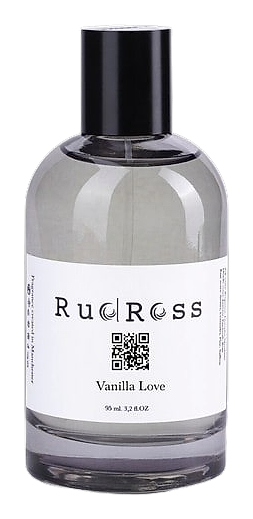
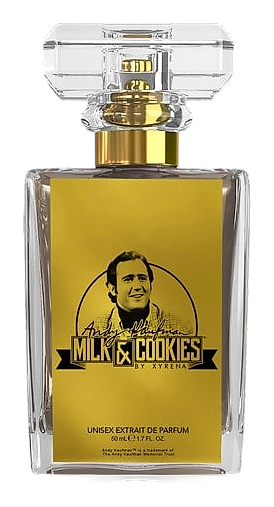
Fragrances featuring Milk Chocolate


Brands
Brands known for Milk Chocolate
Good to know
Questions, answered
The essentials on Milk Chocolate in perfumery: how it smells, where it comes from, and how it behaves on skin.
Does milk chocolate cause skin sensitivity?
Cocoa absolutes and vanillin can cause irritation in highly sensitive individuals, though milk chocolate notes in commercial fragrances typically use dilutions that minimize reactivity.