Clementine Petitgrain
Clementine petitgrain captures the fresh, citrusy brightness of the clementine tree's leaves and twigs through steam distillation. This aromatic oil delivers a complex scent profile bridging floral and green facets, offering perfumers a versatile ingredient with a distinctive bittersweet edge and subtle herbaceous warmth.

Character
How it smells
Citrus brightness from leaves and twigs, not fruit.
The name petitgrain means 'small grain' in French, referring to the small bitter oranges originally used before producers shifted to harvesting leaves and twigs.


Origin
France
The petitgrain family of ingredients emerged in 18th-century European perfumery, initially derived from the small bitter oranges of the bitter orange tree. The name itself tells its story: petit grain means 'small grain' in French, referencing those early source fruits.
In 1876, French botanist Benjamin Balansa brought petitgrain production to Paraguay, establishing the first commercial steam distillation operation there and sparking a production tradition that continues today. Over time, perfumers discovered that harvesting leaves and twigs proved more sustainable than depleting fruit crops, leading to the diverse petitgrain varieties now available from different citrus species.
Clementine petitgrain emerged as a distinct material as producers recognized the unique aromatic qualities of the clementine tree's vegetative parts, which offer a brighter, cleaner citrus character compared to other petitgrain types. Today, production centers include France, Italy, Spain, and Paraguay, each region contributing subtle variations in scent profile based on terroir and processing traditions.
Wears it best
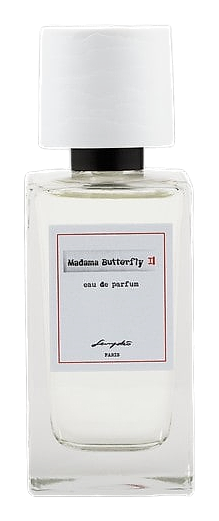
Fragrances featuring Clementine Petitgrain
Brands
Brands known for Clementine Petitgrain
Good to know
Questions, answered
The essentials on Clementine Petitgrain in perfumery: how it smells, where it comes from, and how it behaves on skin.
What does clementine petitgrain smell like?
Clementine petitgrain has a fresh, citrusy aroma with green, slightly bitter undertones and subtle floral notes. It reads as brighter and cleaner than neroli or orange blossom, with a distinctive herbaceous quality that adds complexity to fragrance compositions.
Is clementine petitgrain from the fruit?
No, clementine petitgrain comes exclusively from the leaves and twigs of the clementine tree. The fruit itself is not used in its production, making petitgrain a completely different aromatic material from cold-pressed clementine peel oil.
What is the difference between petitgrain and neroli?
Petitgrain and neroli both come from the bitter orange tree, but from different plant parts. Neroli is extracted from the blossoms, while petitgrain uses leaves and twigs. This distinction gives each oil a different scent profile: neroli is intensely floral, while petitgrain is fresher and more herbaceous.
How is clementine petitgrain extracted?
Producers extract clementine petitgrain through steam distillation of harvested leaves and twigs. The plant material is placed in a distillation apparatus where steam passes through, carrying volatile aromatic compounds that condense into essential oil.
Where does clementine petitgrain originate?
Clementine petitgrain production centers in France, Italy, and Paraguay. France and Italy represent key European production regions, while Paraguay maintains historical significance following the 1876 establishment of the first commercial petitgrain distillery there.
Is clementine petitgrain sustainable?
Yes, compared to many natural ingredients, clementine petitgrain is relatively sustainable. Producers harvest leaves and twigs without destroying the tree or sacrificing fruit yield, allowing continued harvests from established plantations over many years.
What fragrance families use clementine petitgrain?
Clementine petitgrain appears frequently in citrus, fresh, and green fragrance families. Perfumers also use it as a bridge note in floral, chypre, and fougere compositions, where its herbaceous character adds natural depth to brighter citrus top notes.
Does clementine petitgrain contain the same compounds as clementine peel oil?
Clementine petitgrain shares some key constituents with peel oil, including limonene, but differs significantly in overall composition. Petitgrain contains higher proportions of linalool and linalyl acetate, which contribute its characteristic floral and herbaceous qualities absent from cold-pressed peel extracts.